StylopediaStylopedia

Subconscious styles on Stylopedia

A visual encyclopedia of subconscious styles – use as prompt inspiration for Midjourney, Gemini, or ChatGPT AI when making subconscious images

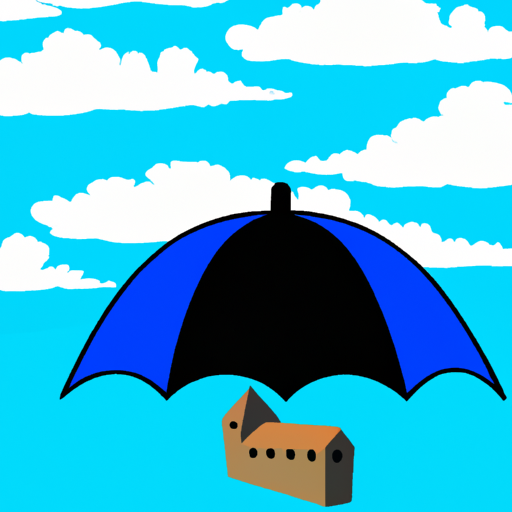
Example of visual style of Andre Breton

Andre Breton

Andre Breton is a visual style that originated in the 1920s with the Surrealist movement. It is characterized by dreamlike and imaginative imagery, often inspired by the subconscious. Breton, along with other artists and writers, sought to explore the realms of the unconscious mind to create works that challenged conventional ideas and norms. The style became famous for its use of juxtaposition, unexpected combinations, and strange or distorted forms. It was a revolution in artistic expression that transformed the art world.

View StyleExplore Style
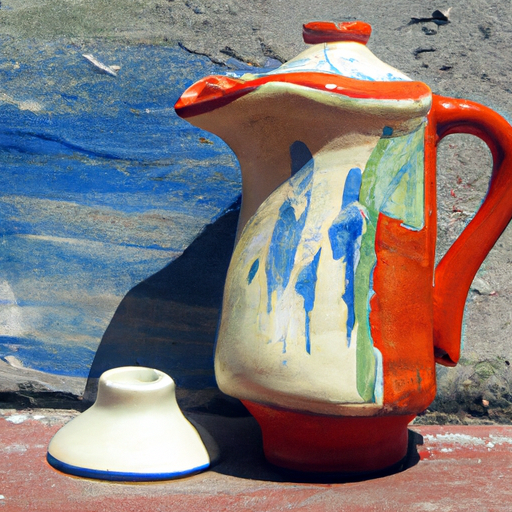
Example of visual style of Jan Svankmajer

Jan Svankmajer

Jan Svankmajer is a Czech filmmaker and artist known for his distinctive surrealist style. His work, which reached its peak in the 1960s and 1970s, is characterized by a unique blend of live-action and stop-motion animation, creating a dark and disturbing atmosphere. Svankmajer's genius lies in his ability to transform ordinary objects and materials, such as clay, into uncanny and grotesque forms, blurring the line between reality and fantasy. His exploration of the subconscious and the irrational has earned him international recognition and made him a key figure in the world of experimental cinema.

View StyleExplore Style
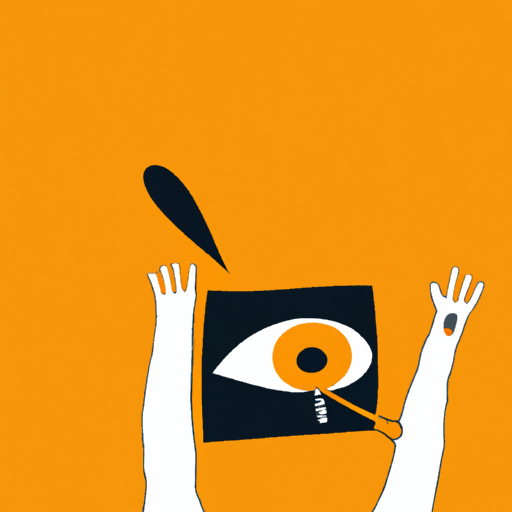
Example of visual style of Jan Švankmajer

Jan Švankmajer

Jan Švankmajer is a Czech filmmaker and artist known for his unique visual style that combines live-action and stop-motion animation. His work often explores dark and surreal themes, and is characterized by a gritty, visceral aesthetic. Švankmajer rose to prominence in the 1960s and 1970s with his short films and later gained international recognition with feature-length movies such as 'Alice' (1988) and 'Faust' (1994). His use of everyday objects and materials, as well as his focus on the subconscious and the grotesque, have made him famous in the world of animation and experimental film.

View StyleExplore Style
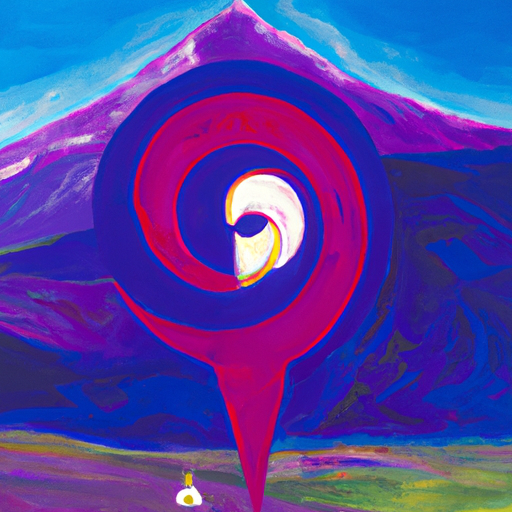
Example of visual style of Rene Magritte

Rene Magritte

Rene Magritte was a Belgian surrealist artist known for his thought-provoking and visually stunning works. He gained prominence in the 1920s and continued to produce influential art until his death in 1967. Magritte's style is characterized by his use of ordinary objects juxtaposed in unexpected and surreal ways. He often incorporated elements of mystery and ambiguity, challenging the viewer's perception of reality. His works are renowned for blending realism with fantastical elements, creating a dreamlike atmosphere. Magritte's art is famous for its playfulness, wit, and exploration of the subconscious mind.

View StyleExplore Style
Example of visual style of Surrealist Filmmakers

Surrealist Filmmakers

Surrealist Filmmakers is a visual style that emerged in the early 1920s, primarily associated with the surrealist movement led by André Breton. This style became famous for its exploration of dreams, subconscious mind, and irrational imagery in cinema. Surrealist Filmmakers challenged conventional storytelling techniques, embracing unconventional narrative structures, dream-like sequences, and juxtapositions of unrelated elements. Notable years for this style include the 1920s to the 1950s, with significant contributions from filmmakers such as Luis Buñuel, Salvador Dalí, and Jean Cocteau. The style gained popularity for its ability to create visually striking and thought-provoking films that aimed to free the audience from the constraints of logic and reason.

View StyleExplore Style
Example of visual style of Surrealist Movement

Surrealist Movement

The Surrealist Movement, which emerged in the early 1920s, sought to explore the irrational and subconscious mind through art. It became famous for its dreamlike and imaginative imagery that challenged the boundaries of reality. Influenced by psychoanalysis and Freudian theories, Surrealism aimed to liberate the creativity buried deep within the unconscious. Renowned artists associated with this movement include Salvador Dalí, René Magritte, and Max Ernst.

View StyleExplore Style
Example of visual style of Weird Art

Weird Art

Weird Art is a visual style that emerged in the late 20th century and continues to be influential today. It is characterized by its unconventional, whimsical, and often surreal imagery. This style gained popularity in the 1990s with the rise of underground comics and alternative art movements. Artists like Salvador Dali and Hieronymus Bosch are considered pioneers of this style. Weird Art challenges traditional ideas of beauty and reality, incorporating strange, fantastical elements and exploring the subconscious. It often combines humor and absurdity with elements of horror and the grotesque. Taking inspiration from dreams, nightmares, and the absurdity of everyday life, Weird Art pushes the boundaries of artistic expression.

View StyleExplore Style
Home