
Akkadian Empire
Akkadian Empire visual style emerged in Mesopotamia around 2334-2154 BC. It is known for its stylized and exaggerated representations of human figures in art and architecture.
View StyleExplore Style Stylopedia
A visual encyclopedia of stylized styles – use as prompt inspiration for Midjourney, Gemini, or ChatGPT AI when making stylized images
Akkadian Empire visual style emerged in Mesopotamia around 2334-2154 BC. It is known for its stylized and exaggerated representations of human figures in art and architecture.
View StyleExplore Style
The visual style associated with Amadeo Modigliani is characterized by elongated and stylized figures with almond-shaped eyes, often depicted in warm hues on canvas. Popular in the early 20th century, Modigliani's style became famous for its distinctive and emotive portrayal of human subjects.
View StyleExplore Style
Ancient Egyptian Art is characterized by its adherence to strict conventions and rules regarding representation. It flourished between 3100 BC and 30 BC, during which time it was used for religious, funerary, and commemorative purposes. The art is famous for its stylized depictions of figures with elongated proportions and symbolic imagery like hieroglyphics and animal motifs.
View StyleExplore Style
Andreas Bitesnich is known for his minimalist and highly stylized black and white nude photography, which gained popularity in the 1990s. His work focuses on the human form, capturing its beauty and sensuality in a unique and artistic way.
View StyleExplore Style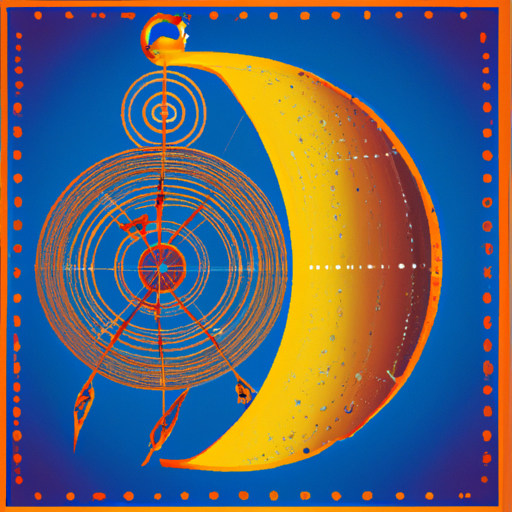
Andrew Kevin Walker is a renowned American screenwriter known for his dark and gritty visual style. His style emerged in the 1990s and gained recognition through works like the film 'Se7en' released in 1995. Walker's style is characterized by its atmospheric intensity, moody and highly stylized cinematography, and a focus on exploring the dark depths of human nature. His visually striking storytelling often explores themes of crime, psychological turmoil, and moral ambiguity, which made him famous for his unique and haunting visual style.
View StyleExplore Style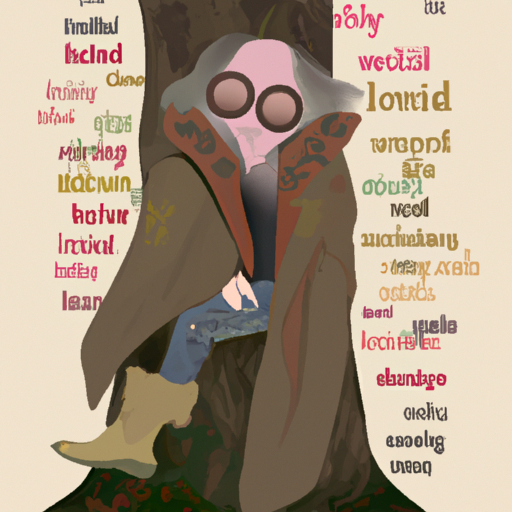
The visual style of Tim Burton is a unique and gothic blend of fantasy, dark humor, and macabre elements. Emerging in the 1980s, Tim Burton gained fame for his distinctive style, which often features quirky characters, twisted storylines, and a darkly whimsical tone. His use of exaggerated, stylized visuals and surreal settings creates a dreamlike atmosphere that is both haunting and enchanting.
View StyleExplore Style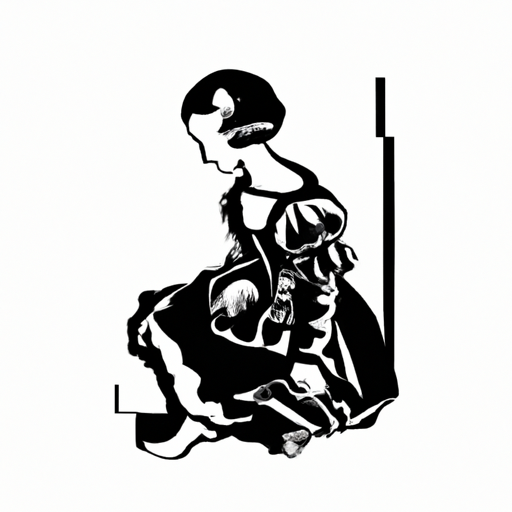
Aubrey Beardsley was an English illustrator and author who had a significant influence on the development of Art Nouveau style in the late 19th century. His distinct black-and-white drawings featured intricate and highly stylized lines, often depicting themes of eroticism and the macabre. Beardsley's work gained fame in the 1890s and he became known for his illustrations in influential publications such as 'The Yellow Book' and 'Salomé'. His unique style and controversial subject matter made him a prominent figure in the Aesthetic movement.
View StyleExplore Style
The Danger Girl visual style is characterized by a fusion of pin-up girl aesthetic with 90s action-adventure comic book art. Popularized in the late 90s by artists like J. Scott Campbell, this style features highly stylized, voluptuous female characters in dynamic action scenes.
View StyleExplore Style
The Batman Animated Series is a visually dark, stylized, and noir-influenced animated series that aired in the 1990s. Known for its dark tone, shadowy atmospheres, and art deco-inspired designs, this style became famous for redefining the character of Batman for a new generation.
View StyleExplore Style
The Batman TV Series, also known as 'Batman '66', is a visual style that became famous from 1966 to 1968. It is known for its campy, colorful, and exaggerated aesthetic, capturing the essence of the comics from the 1960s. The series featured bold and vibrant sets, stylized action sequences, and iconic costumes that became synonymous with Batman during that time.
View StyleExplore Style
Baz Luhrmann is known for his visually extravagant and stylized filmmaking style. His work is characterized by vibrant colors, quick cuts, and a fusion of different artistic elements. Luhrmann rose to fame in the 1990s with his film 'Strictly Ballroom' followed by 'Romeo + Juliet' in 1996 and 'Moulin Rouge!' in 2001. He became famous for his use of anachronisms, combining different time periods and styles to create a unique and modern aesthetic.
View StyleExplore Style
Blaxploitation refers to a genre of films made in the 1970s that featured black actors in lead roles and often dealt with themes of crime, violence, and social justice. Known for their gritty and stylized visuals, these films were popular for their empowerment of black characters and showcasing of black culture.
View StyleExplore Style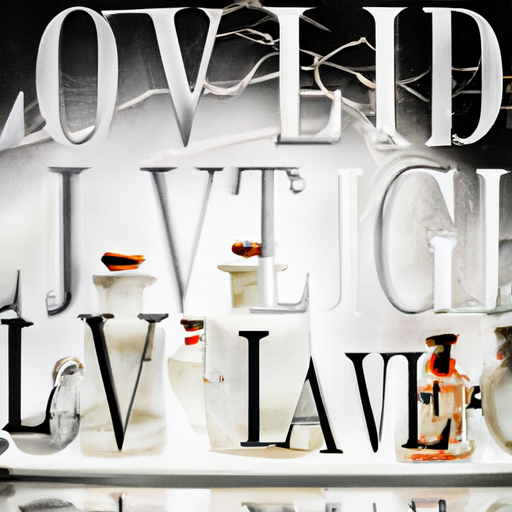
The visual style of Brian De Palma is characterized by its intense and suspenseful storytelling, highly stylized cinematography, and use of split screens. De Palma became famous for his work in the late 1960s and throughout the 1970s, with movies like 'Carrie' and 'Dressed to Kill'. His unique approach to composition and camera movement, often influenced by Alfred Hitchcock, became a trademark of his style. De Palma visually explores themes of voyeurism, duality, and the dark side of human nature.
View StyleExplore Style
Candidate For Goddess is a Japanese mecha anime series that was created in the early 2000s. It gained popularity for its unique blend of traditional mecha designs with futuristic and stylized elements. The series features detailed and intricate mechanical designs, vibrant and colorful animation, and a visually striking aesthetic that blends both traditional and CGI animation techniques.
View StyleExplore Style
Cartoon Network Studios is known for its bold, colorful, and stylized animation that appeals to both children and adults. The studio became famous in the late 1990s and early 2000s for creating iconic shows like Dexter's Laboratory, The Powerpuff Girls, and Samurai Jack.
View StyleExplore Style
Charley Harper was an American modernist artist known for his highly stylized and minimalist depictions of wildlife and nature. His work, popular from the 1950s to the 2000s, is characterized by bold shapes, rhythmic patterns, and a playful sense of humor.
View StyleExplore Style
Dave Fleischer was an American animator and film director who is best known for his work in the 1930s and 1940s. His visual style, known as the 'Fleischer style,' was characterized by bold, exaggerated characters, vibrant and fluid animations, and a highly stylized approach to storytelling. Fleischer and his studio, Fleischer Studios, gained fame for their innovative use of Technicolor, which brought their animated films to life with vivid and dynamic colors. The Fleischer style became famous for its distinct blend of humor, whimsy, and captivating visuals that entertained audiences of all ages.
View StyleExplore Style
Dc Animated Universe is a visual style that emerged in the 1990s and became famous for its gritty and mature storytelling combined with sleek, stylized animation. It includes popular DC Comics animated series like Batman: The Animated Series and Justice League.
View StyleExplore Style
Dragon Ball GT is an anime series that aired from 1996 to 1997. It is the sequel to the immensely popular Dragon Ball and Dragon Ball Z series. This visual style became famous for its vibrant and energetic artwork, with exaggerated and stylized character designs. It introduced new transformations and power levels for the characters, as well as a new adventure in space. The series has a more lighthearted tone compared to its predecessors and showcases a colorful and futuristic art style.
View StyleExplore Style
Early Medieval Art refers to the artistic style found in Europe from around 500-1000 AD. Characterized by stylized forms, flat patterning, intricate interlace designs, and a lack of naturalism. Mostly found in illuminated manuscripts, metalwork, and religious objects.
View StyleExplore Style
Egyptian Art refers to the artistic style and techniques that were prevalent in ancient Egypt between 3000 BCE and 30 BCE. It is famous for its symbolic and ritualistic representations of gods, pharaohs, and the afterlife. The art was primarily created for religious and mortuary purposes. The use of hieroglyphs, elaborate pictorial scenes, and stylized human and animal forms were distinctive features of Egyptian Art.
View StyleExplore Style
Elizabeth Catlett's visual style is characterized by bold, stylized forms and an emphasis on the beauty and strength of the African-American experience. Her work gained fame during the mid-20th century for its powerful depictions of social justice and activism.
View StyleExplore Style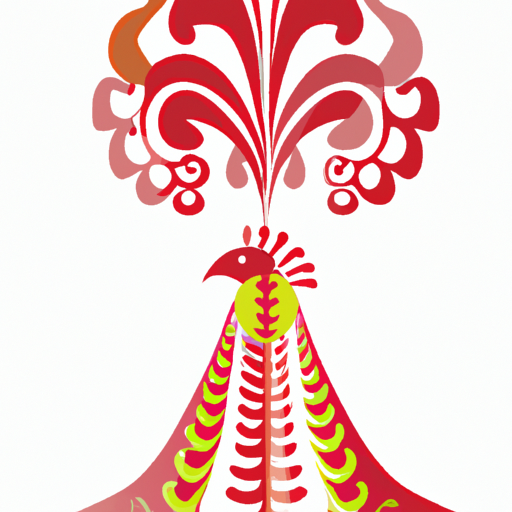
Erte, also known as Romain de Tirtoff, was a Russian-born French artist and designer. He was active primarily in the 1920s and 1930s and became well-known for his distinct Art Deco style. Erte's work was characterized by its elegance and glamour, drawing inspiration from a variety of sources including fashion, theater, and architecture. His intricate and stylized illustrations and designs were featured in fashion magazines, stage productions, and even Hollywood films, making him a prominent figure in the Art Deco movement.
View StyleExplore Style
Fashion Illustration is a visual style that emerged in the late 19th century and reached its heyday during the mid-20th century. It involves the creation of stylized and artistic representations of clothing and fashion designs. Fashion Illustration became famous for its ability to capture the essence of fashion trends and showcase them in a visually appealing manner. It gained recognition as an essential medium for advertising garments, designers, and fashion houses. This style is characterized by its emphasis on elegant lines, graceful poses, and detailed renderings. It combines the worlds of fashion and art, creating a bridge between the two.
View StyleExplore Style
Finding Dory is a computer-animated film released in 2016. The visual style in the movie is characterized by vibrant and colorful underwater environments, highly detailed character designs, and a mix of realistic and stylized elements. The use of advanced CGI technology contributes to the lifelike rendering of water, coral reefs, and marine creatures. This film became famous for its stunning visuals and captivating animation, which brought underwater worlds to life in a way that had never been seen before.
View StyleExplore Style
The Frank Robbins style is characterized by dynamic compositions, bold linework, and a sense of movement in every panel. This style became famous in the 1960s and 1970s for its realistic yet highly stylized approach to storytelling.
View StyleExplore Style
Francis Lawrence is known for his sleek and stylized visual aesthetic, often incorporating dark and gritty tones. His work became famous in the early 2000s with films like 'Constantine' and 'I Am Legend'.
View StyleExplore Style
Hawley Pratt was an American animator and graphic designer known for his work at Warner Bros. and DePatie-Freleng Enterprises. He was famous for his clean, modern and stylized animation style during the 1960s and 1970s.
View StyleExplore Style
Helmut Newton was a renowned fashion photographer known for his provocative and highly stylized black and white photography. His career spanned several decades, with some of his most influential work done in the 1970s and 1980s. Newton's unique visual style often featured strong contrasts, dramatic lighting, and a focus on the female form. He pushed boundaries with his bold and controversial compositions, challenging traditional notions of beauty and sexuality. His work revolutionized fashion photography and continues to inspire photographers to this day.
View StyleExplore Style
Hiroyuki Imaishi is a Japanese animator known for his dynamic and explosive visual style. He gained recognition in the late 1990s and early 2000s through his work with the animation studio Gainax. His style is characterized by exaggerated, over-the-top action sequences, bold and vibrant colors, and highly stylized character designs. Imaishi's animation often features fast-paced and fluid movements, with a strong emphasis on energy and impact. His works, such as 'Gurren Lagann' and 'Kill la Kill', have gained a cult following and have come to represent a new wave of visually stunning and exciting anime.
View StyleExplore Style
Hollywood is a visual style that emerged during the Golden Age of Hollywood in the 1920s to 1960s. It is characterized by glamorous, highly stylized and luxurious aesthetics. Hollywood style became famous for its lavish sets, dazzling costumes, and impeccable hair and makeup. It created an idealized version of reality, representing the pinnacle of elegance and sophistication in the film industry.
View StyleExplore Style
The Hollywood Golden Age refers to the period from the late 1920s to the early 1960s, when the American film industry experienced a major boom. It was characterized by glamorous, opulent and highly stylized films that showcased the stars of the era. This period is known for producing legendary films, such as Casablanca (1942) and Gone with the Wind (1939), and for featuring famous actors and actresses like Marilyn Monroe, Humphrey Bogart, and Audrey Hepburn. The Hollywood Golden Age is famous for its captivating storytelling, lavish production designs, and glamorous fashion.
View StyleExplore Style
Hunnic Art refers to the visual style of the ancient Hunnic people, who dominated Central Asia and Eastern Europe from the 4th to the 6th century. This style is characterized by intricate and highly detailed metalwork, particularly in the form of belt buckles, plate fittings, and jewelry. Hunnic Art is famous for its portrayal of animals, especially stylized depictions of boars, stags, and birds. The use of geometric patterns and symmetrical designs is also a notable feature of this art style.
View StyleExplore Style
J Scott Campbell is known for his highly stylized artwork featuring voluptuous female characters with exaggerated features, including large eyes and full lips. He rose to fame in the 1990s with his work on Gen13 and Danger Girl, captivating audiences with his unique blend of realism and fantasy.
View StyleExplore Style
Jill Thompson is known for her whimsical, stylized artwork that often incorporates watercolor techniques. She gained fame for her work on 'The Sandman' series in the 1990s, blending fantasy and horror themes with a unique visual flair.
View StyleExplore Style
The visual style of John Woo is characterized by highly stylized action sequences, slow motion shots, extreme close-ups, and dramatic use of sound. Woo became famous in the 1980s and 1990s for his innovative approach to action filmmaking.
View StyleExplore Style
Len Wiseman is known for his sleek, stylized visuals characterized by high contrast lighting, futuristic aesthetics, and dynamic camera work. His work became famous in the early 2000s with films like 'Underworld' and 'Live Free or Die Hard'.
View StyleExplore Style
Lilly Wachowski's visual style is characterized by dynamic and stylized cinematography, bold color schemes, and a blend of various genres such as science fiction and action. Her style gained prominence in the late 1990s with the release of the groundbreaking film 'The Matrix' (1999), which she co-directed with her sister Lana Wachowski. The film's innovative visual effects and intense action sequences made it a sensation, revolutionizing the way action films were made. Lilly Wachowski's visual style is known for its high-energy and visually stunning sequences that often incorporate slow-motion, intricate choreography, and cutting-edge technology.
View StyleExplore Style
Lola Montes Film is a visually striking style inspired by the 1955 film 'Lola Montès'. Known for its vibrant colors, elaborate costumes, and stylized sets, this style captures the opulence and drama of the 19th-century circus setting in a modern and cinematic way.
View StyleExplore Style
Manga Artists is a visual style that originates from Japan and is characterized by its unique comic book-like illustrations. It became popular in the late 20th century and continues to be influential today. Manga Artists gained fame through the publication of popular manga series such as Dragon Ball, One Piece, and Naruto which introduced dynamic characters, exaggerated expressions, and intricate storytelling. This style often features large, expressive eyes, vibrant colors, and stylized hair and costumes.
View StyleExplore Style
Noir Anime is a visual style that combines the dark, moody atmosphere of film noir with the stylized animation of anime. Popularized in the 1990s with works like Ghost in the Shell and Cowboy Bebop.
View StyleExplore Style
Norse art is characterized by intricate and stylized designs featuring animals, interlacing patterns, and runic inscriptions. It flourished during the Viking Age from the 8th to 11th centuries in Scandinavia, known for its metalwork, wood carving, and textiles.
View StyleExplore Style
Park Chan Wook's visual style is characterized by bold and vibrant colors, stylized camerawork, and intricate storytelling. He is known for his use of intense close-ups, intricate sets, and dynamic editing techniques. His work gained international recognition in the early 2000s with films like Oldboy and Thirst.
View StyleExplore Style
Paul Verhoeven's visual style is characterized by its explosive and provocative nature. With films like 'RoboCop' (1987), 'Total Recall' (1990), and 'Starship Troopers' (1997), Verhoeven created a signature style that blends science fiction, satire, and extreme violence. His films often include dark humor, social commentary, and overt sexuality, pushing boundaries and challenging the audience's expectations. Verhoeven's visual style became famous for its slick and stylized action sequences, gritty dystopian settings, and a subversive approach to storytelling.
View StyleExplore Style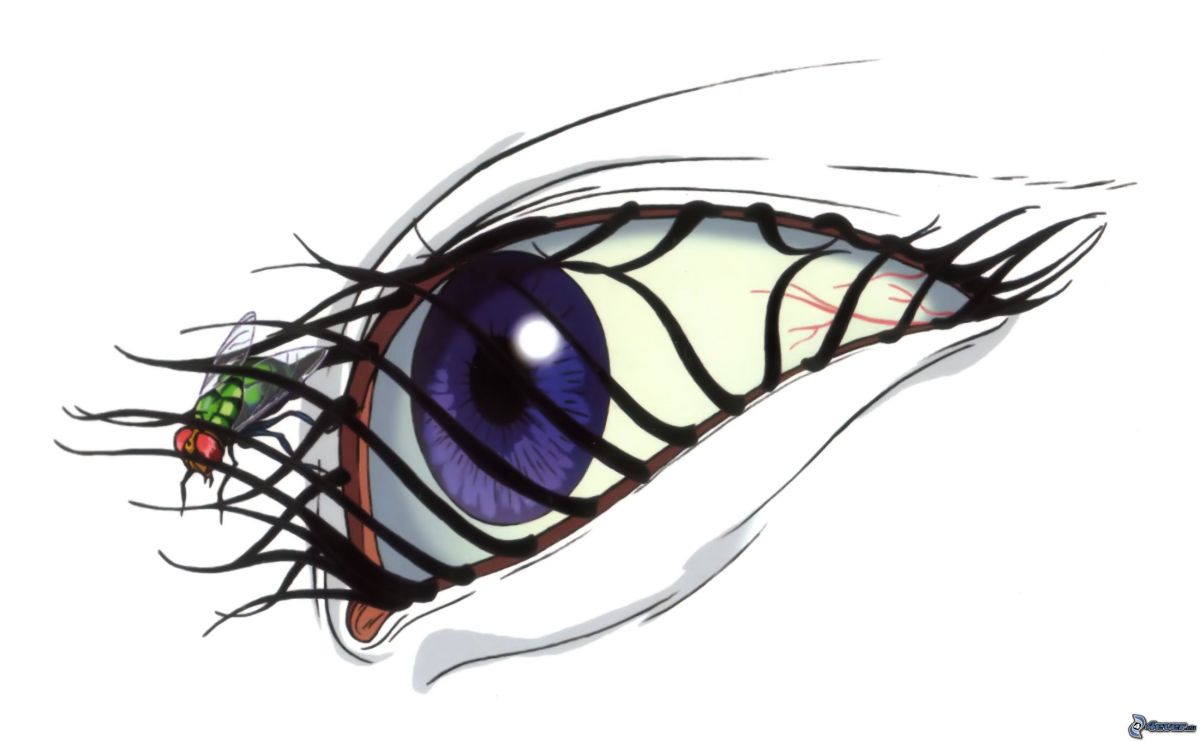
The Peter Chung style is characterized by its highly stylized, angular and dynamic animations, featuring exaggerated proportions and intricate details. Chung is famous for his work on the animated TV series Aeon Flux in the 1990s, which gained recognition for its unique art direction and complex storytelling.
View StyleExplore Style
Pierre et Gilles is a collaborative artist duo consisting of Pierre Commoy and Gilles Blanchard. This visual style emerged in the 1970s and became famous for their unique blend of photography and painting. Their works often feature highly stylized portraits of celebrities and everyday individuals, combining elements of pop art, kitsch, and homoeroticism. Pierre et Gilles gained recognition in the 1980s for their vibrant and meticulously staged compositions that challenge traditional notions of beauty and gender, exploring themes of desire, religion, and mythology.
View StyleExplore Style
Ringerike Style emerged in the 11th century in Norway, characterized by intricate and highly stylized animal motifs and geometric patterns. It became famous for its use in woodcarvings, stone carvings, and metalwork.
View StyleExplore Style
The visual style of Romeo + Juliet is bold, modern, and vibrant, with a mix of contemporary and retro elements. The film released in 1996, directed by Baz Luhrmann, gained fame for its unique and stylized approach to the classic Shakespearean tale.
View StyleExplore Style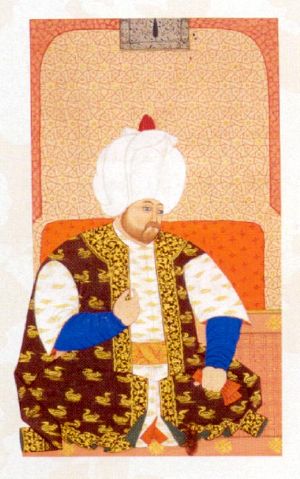
Selim II was a form of Ottoman portraiture developed during the reign of Selim II in the 16th century. Known for its stylized depictions of the Sultan and his court, Selim II art was characterized by bold colors, intricate patterns, and rich textures.
View StyleExplore Style
The Sin City Film Adaptation style, popularized by the 2005 film adaptation of Frank Miller's graphic novels, features high contrast black and white visuals with occasional splashes of vibrant color, creating a gritty and stylized neo-noir look.
View StyleExplore Style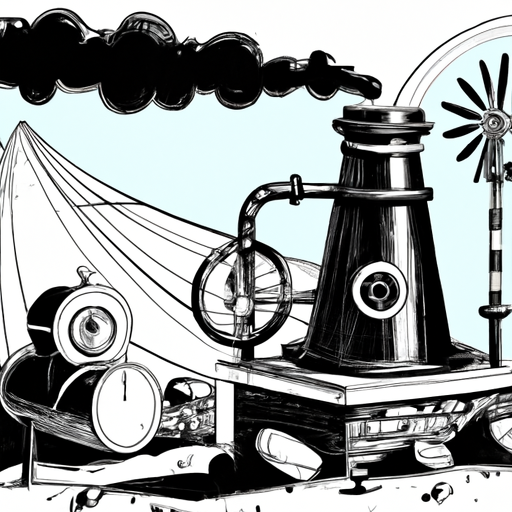
Spaghetti Westerns were a subgenre of Western films made primarily in Italy during the 1960s and 1970s. Known for their gritty, violent, and stylized portrayal of the American Old West, these films often featured morally ambiguous characters and iconic showdowns.
View StyleExplore Style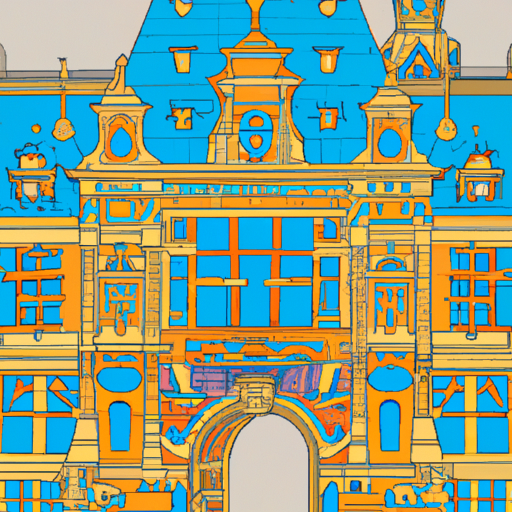
The visual style of 'The Grand Budapest Hotel' is a whimsical and nostalgic homage to the European Art Nouveau and Wes Anderson's signature aesthetic. It became famous for its meticulous production design, vibrant colors, symmetrical framing, and highly stylized set pieces. The film transports viewers to the fictional Republic of Zubrowka in the 1930s, combining vintage details with Wes Anderson's unique vision.
View StyleExplore Style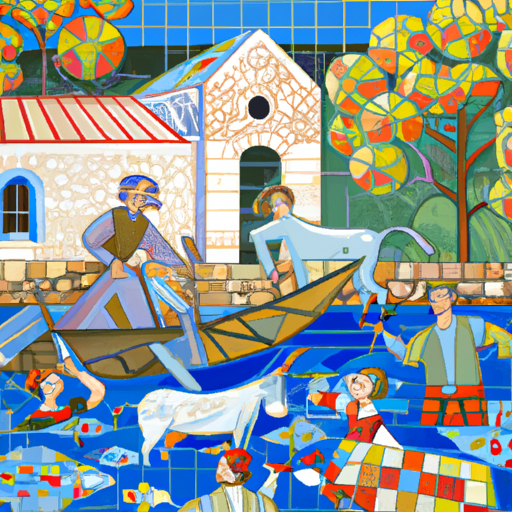
Thomas Hart Benton was an American painter and muralist known for his stylized and highly detailed works. His visual style, characterized by bold colors and fluid forms, was influenced by regionalism and the Mexican muralism movement. Benton's works gained popularity in the 1930s and 1940s, depicting scenes of everyday life, American history, and social issues. His ability to capture the spirit of the American Midwest and his emphasis on the human figure made his art famous.
View StyleExplore Style
Tom Tykwer is a German film director known for his distinctive visual style. His style emerged in the late 1990s and became widely recognized through his work on films such as 'Run Lola Run' (1998) and 'Perfume: The Story of a Murderer' (2006). Tykwer's visual style is characterized by dynamic and fast-paced editing, stylized cinematography, and a unique blend of genres. His use of unconventional camera angles, bold color palettes, and experimental storytelling techniques has made him famous in the world of cinema.
View StyleExplore Style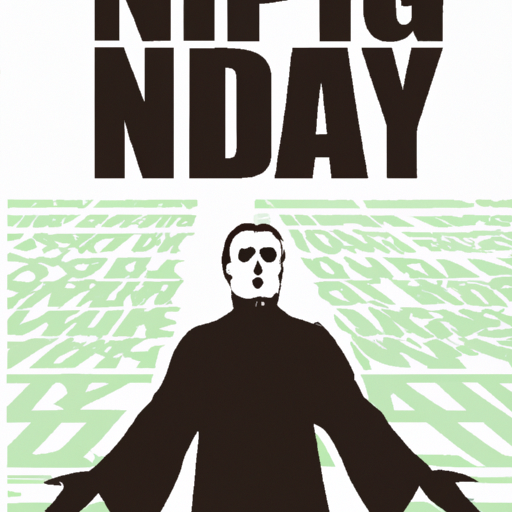
Tony Scott's visual style is characterized by its high-energy, stylized and visually dynamic aesthetics. It gained prominence in the 1980s and continued to be influential until his death in 2012. Tony Scott's style is famous for its vibrant color palettes, dramatic lighting, fast-paced editing, and innovative camera techniques. His signature use of filters, lens flares, and intense saturation creates a heightened sense of action and intensity in his films. Tony Scott's visual style often blurs the line between reality and fiction, transporting viewers into a hyper-stylized world.
View StyleExplore Style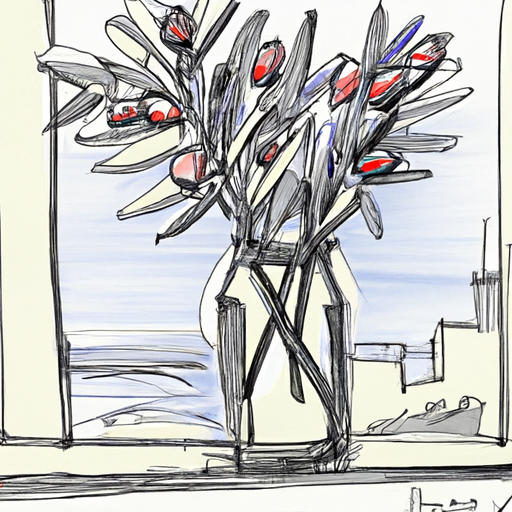
Tony Walton is an English set and costume designer known for his elaborate and stylized designs in film, theatre, and television. His work often features intricate details, vibrant colors, and a blend of realism and fantasy. Walton rose to fame in the 1960s and 1970s for his collaborations with director Bob Fosse and for his work on popular musicals like 'Mary Poppins' and 'The Boy Friend.'
View StyleExplore Style
Tshsai Sharaku is a style of woodblock print that emerged in Japan during the late 18th century. It is known for its striking and unconventional portraits of kabuki actors. The style was popular for a brief period, from 1794 to 1795, and then disappeared for nearly two centuries. The distinctive features of Tshsai Sharaku prints are exaggerated facial expressions, exaggerated body proportions, and a focus on capturing the unique characteristics and emotions of the actors. The style gained fame due to its bold and stylized approach to portraiture, and it remains highly regarded in the history of Japanese art.
View StyleExplore Style
Viking Art refers to the artistic style produced by Viking people during the Viking Age (793-1066 AD). It was famous for its intricate and stylized designs, characterized by ornate geometric patterns, interlacing forms, and animal motifs. This style gained recognition through the skilled craftsmanship displayed in metalwork, woodwork, weaving, and stone carving.
View StyleExplore Style
The Wachowski Sisters visual style is characterized by its intense and stylized action sequences, futuristic and dystopian settings, and mind-bending narratives. This style gained fame through their groundbreaking film 'The Matrix' in 1999, which revolutionized action cinema with its innovative bullet time technique and cyberpunk aesthetic. The Wachowski Sisters continued to explore similar themes and visual elements in movies like 'Speed Racer' (2008) and 'Cloud Atlas' (2012).
View StyleExplore Style
The Wes Anderson visual style emerged in the late 1990s and became famous for its eccentric and meticulously detailed compositions, vibrant color palettes, and symmetrical framing. Anderson's style is often characterized by a nostalgic, whimsical, and somewhat surreal atmosphere, invoking an idiosyncratic and highly stylized world. The use of visual symmetry, carefully composed shots, and symmetrical camera movements add a sense of order and balance. This style gained widespread recognition through Anderson's films such as 'Rushmore' (1998) and 'The Royal Tenenbaums' (2001), combining retro aesthetics with meticulous production design and droll storytelling.
View StyleExplore Style