StylopediaStylopedia

Street art styles on Stylopedia

A visual encyclopedia of street art styles – use as prompt inspiration for Midjourney, Gemini, or ChatGPT AI when making street art images

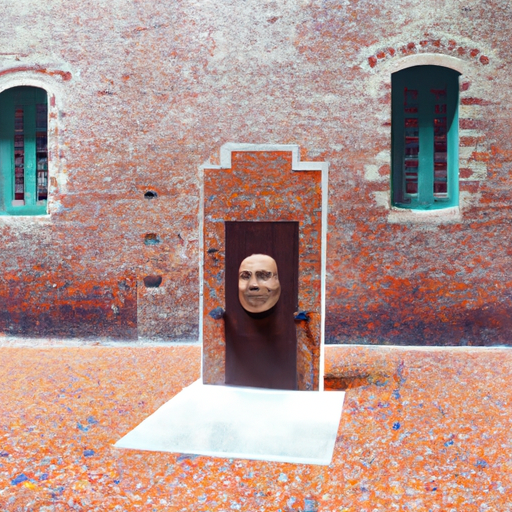
Example of visual style of Blek Le Rat

Blek Le Rat

Blek Le Rat is a street art style developed by French artist Xavier Prou, also known as Blek Le Rat. This style emerged in the early 1980s and gained significant recognition in the 1990s. Blek Le Rat is considered the pioneer of stencil graffiti, using stencils to create distinct and easily recognizable images. His work often features black and white figures, typically depicting ordinary people, political activists, or famous personalities. Blek Le Rat's unique approach to street art and his contribution to the urban art movement have made this style famous both in France and internationally.

View StyleExplore Style
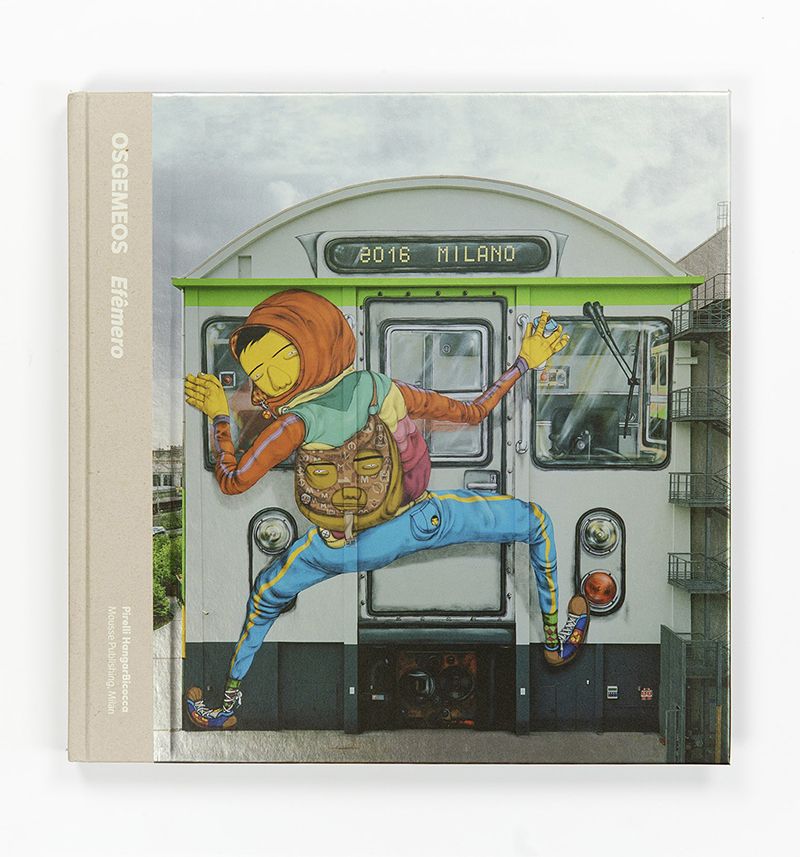
Example of visual style of Eduardo Kobra

Eduardo Kobra

Eduardo Kobra is known for his vibrant and colorful graffiti murals that blend realism with abstract patterns. His style emerged in the early 2010s and gained widespread recognition for its use of bold colors, intricate designs, and larger-than-life portraits. Kobra became famous for his monumental murals which often depict historical figures, cultural icons, and global issues. He is particularly acclaimed for his ability to capture the essence and emotion of his subjects, creating visually stunning and thought-provoking artworks. Kobra's unique style has brought a fresh and contemporary approach to street art, transforming urban landscapes with his iconic and visually striking murals.

View StyleExplore Style
Example of visual style of Fab 5 Freddy

Fab 5 Freddy

Fab 5 Freddy is a visual style that emerged in the 1980s, particularly in the hip-hop and graffiti scenes. It became famous through the influential work of Fab 5 Freddy, a prominent figure in the New York City underground art and music scene. Combining elements of graffiti, street art, and hip-hop culture, this style is characterized by vibrant colors, bold lettering, intricate patterns, and a blend of urban aesthetics. Fab 5 Freddy's contribution to popularizing this style can be seen in his collaborations with iconic artists like Jean-Michel Basquiat and his role as the host of the pioneering hip-hop music show 'Yo! MTV Raps'.

View StyleExplore Style
Example of visual style of Futura 2000

Futura 2000

Futura 2000 is a distinctive visual style that emerged in the 1980s and gained popularity in the graffiti and street art scene. It is characterized by futuristic and abstract designs influenced by technology, space, and science fiction. Known for its bold and vibrant colors, sharp angles, and geometric shapes, Futura 2000 became famous for its combination of graffiti lettering and abstract forms. This style broke traditional graffiti conventions and pushed the boundaries of what was considered street art, making it a significant movement in the art world and urban culture.

View StyleExplore Style
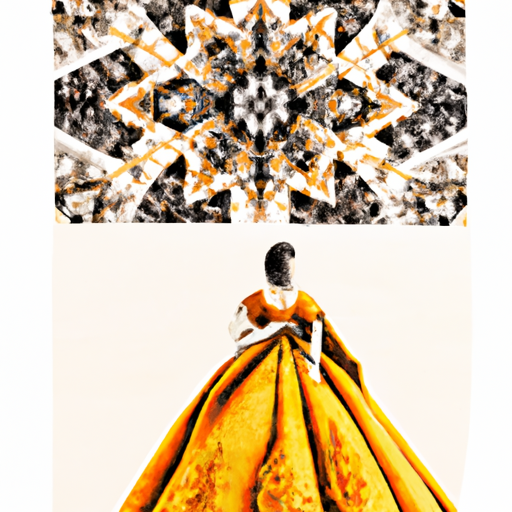
Example of visual style of Gustavo Pantone

Gustavo Pantone

Gustavo Pantone is a contemporary visual style that combines elements of op art, geometric abstraction, and street art. It emerged in the early 2010s and gained popularity for its futuristic and vibrant aesthetics. Pantone's works are characterized by dynamic patterns, bold lines, optical illusions, and a futuristic color palette. His style has become famous for its ability to create visually captivating and immersive experiences, often playing with the viewer's perception and challenging the boundaries of traditional art forms.

View StyleExplore Style
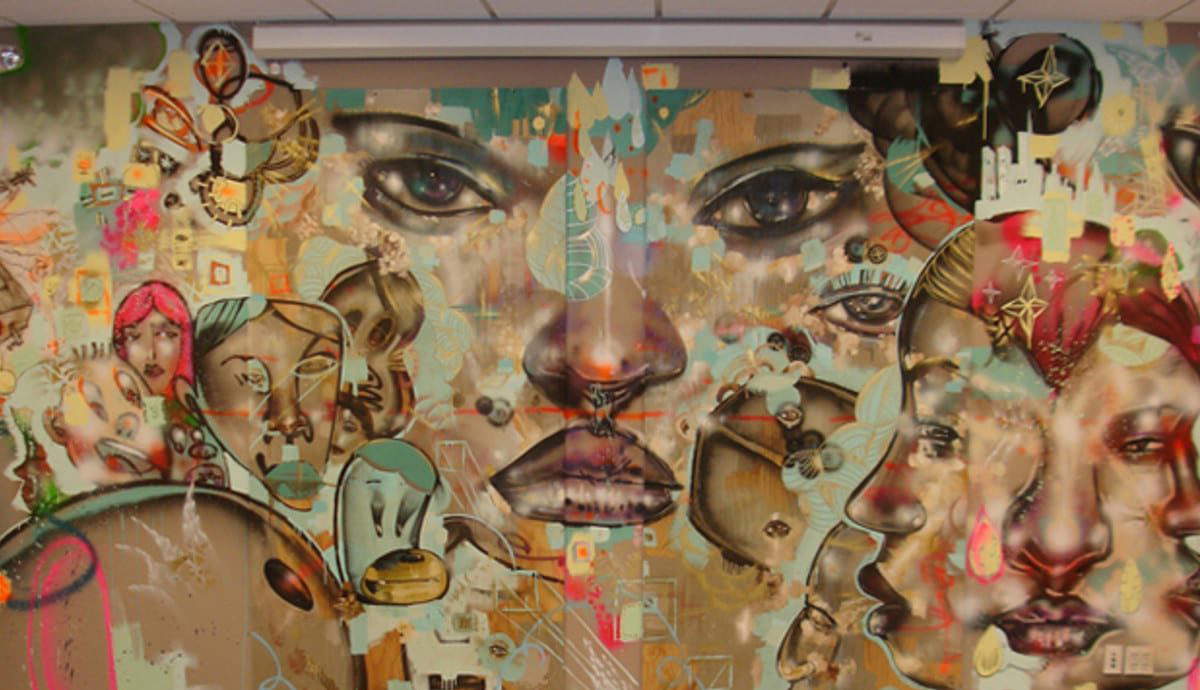
Example of visual style of Jean Michel Basquiat

Jean Michel Basquiat

Jean Michel Basquiat was an American artist active in the 1980s. His visual style, often referred to as Neo-expressionism, is characterized by bold, expressive brushwork, vibrant colors, and a fusion of graffiti and street art with fine art. Basquiat's work gained recognition for its raw energy, social commentary, and exploration of themes like racism, identity, and capitalism. His use of symbols, text, and abstract forms created a chaotic yet visually stimulating aesthetic that transcended traditional artistic boundaries and captured the spirit of the urban cultural landscape. Basquiat's untimely death in 1988 further cemented his fame and added a sense of tragic allure to his artistic legacy.

View StyleExplore Style
Example of visual style of JR

JR

JR is a visual style that emerged in the early 2000s and gained popularity through street art. It is characterized by large-scale black and white photographs pasted on outdoor surfaces such as buildings and walls. Jr's work often focuses on social and political issues, and he became famous for his project 'Women Are Heroes', which aimed to highlight the strength and resilience of women around the world. This style gained recognition for its ability to transform urban spaces into powerful and thought-provoking art installations.

View StyleExplore Style
Example of visual style of Kaws

Kaws

Kaws is a contemporary visual style that emerged in the early 2000s. It gained fame through the unique combination of pop culture references, bold colors, and the use of iconic characters. Kaws, also known as Brian Donnelly, rose to prominence as a street artist in the 1990s while working as a designer for streetwear brand Nigo's A Bathing Ape. His distinct style became recognized for its recognizable characters, such as his reimagined versions of iconic cartoons like Mickey Mouse and The Simpsons. Kaws's style is often characterized by clean lines, exaggerated features, and a sense of urban playfulness. His work seamlessly blends elements of street art, illustration, and sculpture.

View StyleExplore Style
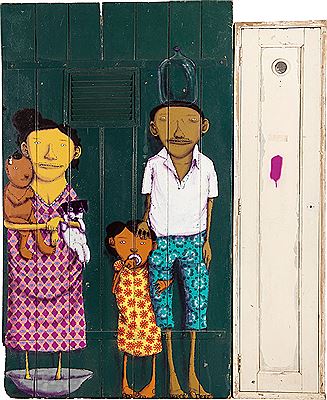
Example of visual style of Raymond Hains

Raymond Hains

Raymond Hains was a French artist known for his exploration of décollage, a technique of removing or partially tearing away existing posters to create new collages. Active from the 1950s to the early 2000s, Hains gained recognition for his innovative approach to street art and his ability to transform urban detritus into unique visual compositions. His work became famous for its ability to challenge and question the boundaries of traditional artistic practices.

View StyleExplore Style
Example of visual style of Shepard Fairey

Shepard Fairey

Shepard Fairey is an American contemporary street artist and graphic designer, known for his iconic works such as the Obama 'Hope' poster. His style emerged in the early 2000s and became famous for its bold imagery, politically-charged messages, and the use of a limited color palette that consists mainly of red, white, and blue. Fairey's style is characterized by its combination of stenciling and collage techniques, utilizing layers of imagery, text, and patterns to create visually striking and thought-provoking artworks. His works often explore themes of power, propaganda, and the intersection of art and activism.

View StyleExplore Style
Home