StylopediaStylopedia

Storytelling styles on Stylopedia

A visual encyclopedia of storytelling styles – use as prompt inspiration for Midjourney, Gemini, or ChatGPT AI when making storytelling images

Example of visual style of African American Quilting

African American Quilting

African American quilting is a prominent style of textile art that originated in the 18th century during the time of slavery in the United States. It gained widespread recognition and popularity during the Civil Rights Movement in the mid-20th century. African American quilting is characterized by vibrant and bold designs, often incorporating symbolic images, patterns, and storytelling elements. This style not only served as a means of artistic expression but also as a way for African Americans to communicate their cultural heritage and struggles in a visually evocative manner. The quilts made during this period are not only aesthetically pleasing but also carry deep historical and cultural significance.

View StyleExplore Style
Example of visual style of Alex McDowell

Alex McDowell

The visual style of Alex McDowell is futuristic and immersive, blending architecture, technology, and storytelling in a seamless way. McDowell became famous for his groundbreaking work as a production designer in the late 1990s and early 2000s, bringing his unique visions to life in films like 'Fight Club' (1999), 'Minority Report' (2002), and 'The Terminal' (2004). His use of intricate set designs, innovative use of digital technologies, and meticulous attention to detail created visually stunning and fully realized worlds, transporting audiences into the future.

View StyleExplore Style

Example of visual style of Alexey Brodovitch

Alexey Brodovitch

Alexey Brodovitch was a prominent art director and designer known for his innovative work in the field of graphic design. He rose to prominence in the mid-20th century, particularly during his tenure as the art director of Harper's Bazaar from 1934 to 1958. Brodovitch revolutionized editorial design by introducing dynamic layouts, bold typography, and asymmetrical compositions. His use of large-scale photographs and innovative cropping techniques became his trademark and greatly influenced the future of magazine design. Brodovitch's work was characterized by its avant-garde aesthetic, combining a modernist approach with a strong emphasis on visual impact and storytelling.

View StyleExplore Style
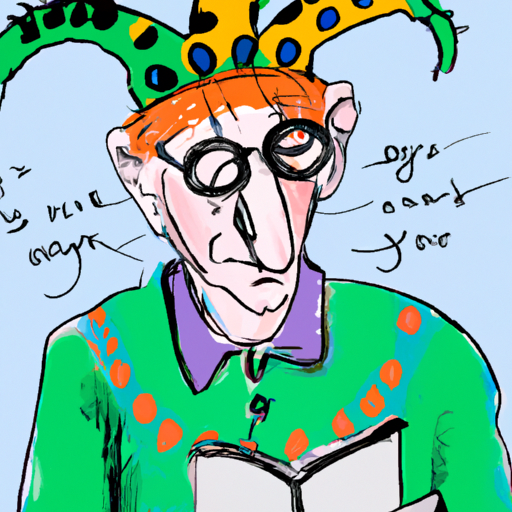
Example of visual style of Animated Film Music

Animated Film Music

Animated Film Music is a genre of music composed specifically for animated films. It became popular in the early 20th century with the introduction of synchronized sound in animations. This style is characterized by whimsy, playfulness, and a strong emphasis on storytelling. It often features catchy melodies, vibrant orchestrations, and a wide range of musical genres and influences. Notable composers such as Disney's Alan Menken and Pixar's Randy Newman have contributed to the fame of Animated Film Music.

View StyleExplore Style
Example of visual style of Animation

Animation

Animation is a visual style that involves bringing static images or objects to life through the illusion of motion. It has been a popular form of visual media since the early 20th century, with important milestones including the creation of the first animated film, 'The Humorous Phases of Funny Faces' by J. Stuart Blackton in 1906, and the establishment of Walt Disney Studios in 1923. Animation gained widespread fame through the introduction of sound in 'Steamboat Willie' (1928), which featured Mickey Mouse, and the release of Disney's 'Snow White and the Seven Dwarfs' in 1937, the first full-length animated feature film. Animation has since become an integral part of film and television, entertaining audiences of all ages with its imaginative storytelling and unique visual effects.

View StyleExplore Style
Example of visual style of Animation Design

Animation Design

Animation Design is a visual style that involves the creation of moving images using various techniques like hand-drawn, stop-motion, computer-generated, and more. It gained prominence in the early 20th century with the introduction of animated films like Snow White and the Seven Dwarfs (1937) which showcased the potential of animation as a storytelling medium. Animation Design combines art and technology to bring inanimate objects or characters to life, captivating audiences with its whimsical and immersive worlds.

View StyleExplore Style

Example of visual style of Anime Artists

Anime Artists

Anime Artists is a visual style that originated in Japan in the early 20th century and became popular worldwide by the mid-20th century. This style is characterized by its distinctive exaggerated features, vibrant colors, and often fantastical themes. Anime Artists gained popularity through the rise of Japanese animation and manga, with notable years being around the 1950s and 1960s. What made this style famous is its ability to capture emotions and dynamic movements in a visually striking manner, as well as its unique storytelling techniques. It has since become a global phenomenon, inspiring countless artists and animators around the world.

View StyleExplore Style
Example of visual style of Art Spiegelman

Art Spiegelman

Art Spiegelman is a comic artist known for his unique visual style that combines elements of graphic art and storytelling. His most famous work is the graphic novel series 'Maus', published in 1986. 'Maus' tells the story of Spiegelman's father's experiences as a Holocaust survivor, using anthropomorphic animal characters to represent different nationalities. Spiegelman's use of the comic medium to explore serious and historical subjects, along with his distinctive black and white artwork, revolutionized the medium and earned him critical acclaim.

View StyleExplore Style

Example of visual style of Bruce Shelley

Bruce Shelley

Bruce Shelley is a visual style that emerged in the late 20th century and is associated with the style of American video game designer Bruce Shelley. This style gained fame through the groundbreaking and influential games created by Shelley. His innovative designs and gameplay mechanics revolutionized the gaming industry, particularly in the real-time strategy genre. Bruce Shelley style is characterized by visually appealing graphics, immersive storytelling, strategic gameplay, and attention to detail. It became famous in the 1990s with the release of games like Age of Empires and Empire Earth.

View StyleExplore Style
Example of visual style of Carmine Infantino

Carmine Infantino

Carmine Infantino was an American comic book artist and editor, known for his iconic art style that revolutionized the superhero genre in the 1960s. His work during this time, particularly on characters like The Flash and Batman, became famous for its dynamic and elongated figures, distinctive use of motion lines, and futuristic design elements. Infantino's visual style was greatly influenced by his background in fashion illustration, resulting in a sleek and elegant look that modernized the look and feel of superhero comics. His innovative approach to layout and storytelling techniques set new standards in the industry and laid the foundation for the Silver Age of comics.

View StyleExplore Style
Example of visual style of Childrens Literature

Childrens Literature

Childrens Literature style refers to the visual style often found in books or illustrations targeted towards children. It became popular in the late 19th and early 20th centuries with the emergence of classic children's books such as 'Alice's Adventures in Wonderland' and 'The Wind in the Willows'. This style is characterized by colorful and whimsical illustrations, imaginative worlds, anthropomorphic animal characters, and a focus on storytelling that captures the imagination of young readers.

View StyleExplore Style
Example of visual style of Cinematographers

Cinematographers

Cinematographers is a visual style that focuses on the art and technique of capturing and composing images with a camera. It emerged in the late 19th century and gained prominence in the early 20th century with the advent of motion pictures. This style became famous for its ability to manipulate lighting, framing, and movement to create visually stunning and emotionally impactful scenes. Cinematographers use various techniques such as depth of field, camera angles, and tracking shots to enhance storytelling and evoke specific moods. Some renowned cinematographers include Gregg Toland, Vittorio Storaro, and Emmanuel Lubezki.

View StyleExplore Style

Example of visual style of Clive Barker

Clive Barker

The Clive Barker style can be described as dark, macabre, and fantastical. It emerged in the 1980s and gained fame through Barker's works as a writer, filmmaker, and visual artist. Known for his horror fiction, Barker created a unique and visually striking aesthetic that blends elements of fantasy, surrealism, and grotesque imagery. His vivid imagination and storytelling abilities made him a prominent figure in the horror genre. Barker's style often explores themes of sexuality, body horror, and the blurred lines between the real and the supernatural.

View StyleExplore Style
Example of visual style of Comic Art

Comic Art

Comic Art is a visual style that originated in the early 20th century and gained popularity through the creation of comic books. It is characterized by exaggerated and colorful illustrations, often featuring bold lines and defined contours. The style became famous in the 1930s with the introduction of iconic comic book characters like Superman and Batman. Comic Art combines storytelling, dialogue, and visual elements to convey narratives in a sequential format, engaging readers of all ages.

View StyleExplore Style
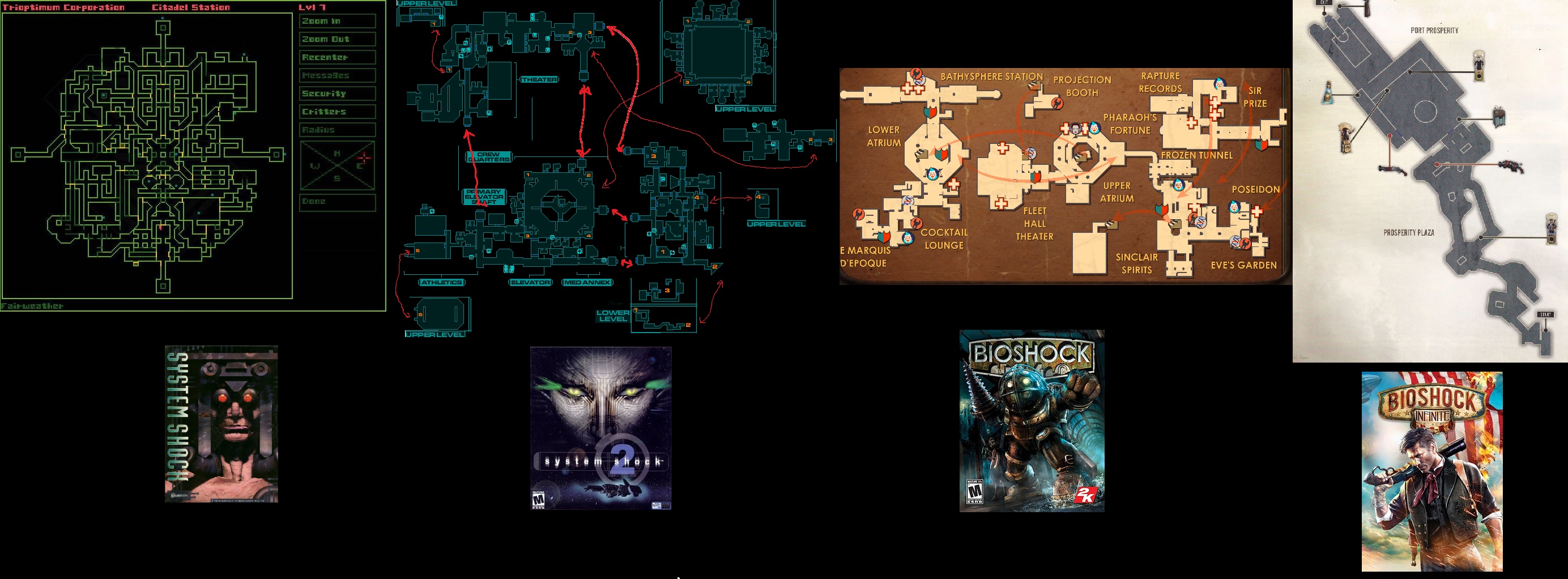
Example of visual style of Concept Art Illustration

Concept Art Illustration

Concept Art Illustration is a style of visual art that is used for designing and developing ideas for various media, particularly for films, video games, and animation. It emerged in the mid-20th century and gained popularity in the 1970s and 1980s. This style became famous for its ability to create imaginative and fantastical worlds and characters through detailed and often highly rendered illustrations. Concept artists are known for their use of vibrant colors, intricate details, and strong storytelling elements.

View StyleExplore Style
Example of visual style of Eiji Aonuma

Eiji Aonuma

Eiji Aonuma is a Japanese video game designer known for his work on The Legend of Zelda series. He became the series producer and director starting from the release of The Legend of Zelda: Ocarina of Time in 1998. Aonuma's visual style is characterized by immersive and expansive worlds, intricate puzzles, and a blend of fantasy and adventure. He is famous for his contributions to the series, especially for his emphasis on exploration, intricate storytelling, and a sense of wonder. Aonuma's work has greatly influenced the action-adventure genre of video games.

View StyleExplore Style
Example of visual style of Faith Ringgold

Faith Ringgold

Faith Ringgold is known for her visually stunning and socially conscious works, blending quilting, painting, and storytelling. Her style emerged in the 1960s during the height of the Civil Rights Movement and the Feminist Movement. Ringgold's famous use of vibrant colors, intricate patterns, and geometric shapes created a visual impact that captivated audiences. Her focus on themes such as race, power, and gender inequality made her a prominent figure in the feminist art movement. Ringgold's art became famous not only for its aesthetic beauty but also for the powerful messages it conveyed, inspiring dialogue and challenging societal norms.

View StyleExplore Style
Example of visual style of Film Festivals

Film Festivals

Film Festivals is a visual style that emerged in the late 20th century and became famous in the early 21st century. It is characterized by its focus on showcasing a diverse range of films from around the world in a competitive or non-competitive setting. Film festivals became popular in the 1950s and 1960s, with renowned events like the Cannes Film Festival, Venice Film Festival, and Berlin International Film Festival. These festivals gained international recognition for promoting artistic and innovative cinema, and over the years, they have become important platforms for filmmakers, actors, and industry professionals to showcase their work and network with each other. The Film Festivals style is known for its celebration of creativity, cultural diversity, and experimental storytelling.

View StyleExplore Style
Example of visual style of Franco Belgian Comic Artists

Franco Belgian Comic Artists

The Franco Belgian Comic Artists style emerged in the mid-20th century and gained popularity in the 1950s and 1960s. It is characterized by its unique combination of detailed and expressive artwork, strong storytelling, and a sense of humor. The style is famous for its iconic characters like Tintin, Asterix, and The Smurfs, which have become cultural phenomena. The Franco Belgian Comic Artists style was primarily influenced by the storytelling traditions of European comics and the art movements of the time, such as ligne claire (clear line) and surrealism.

View StyleExplore Style
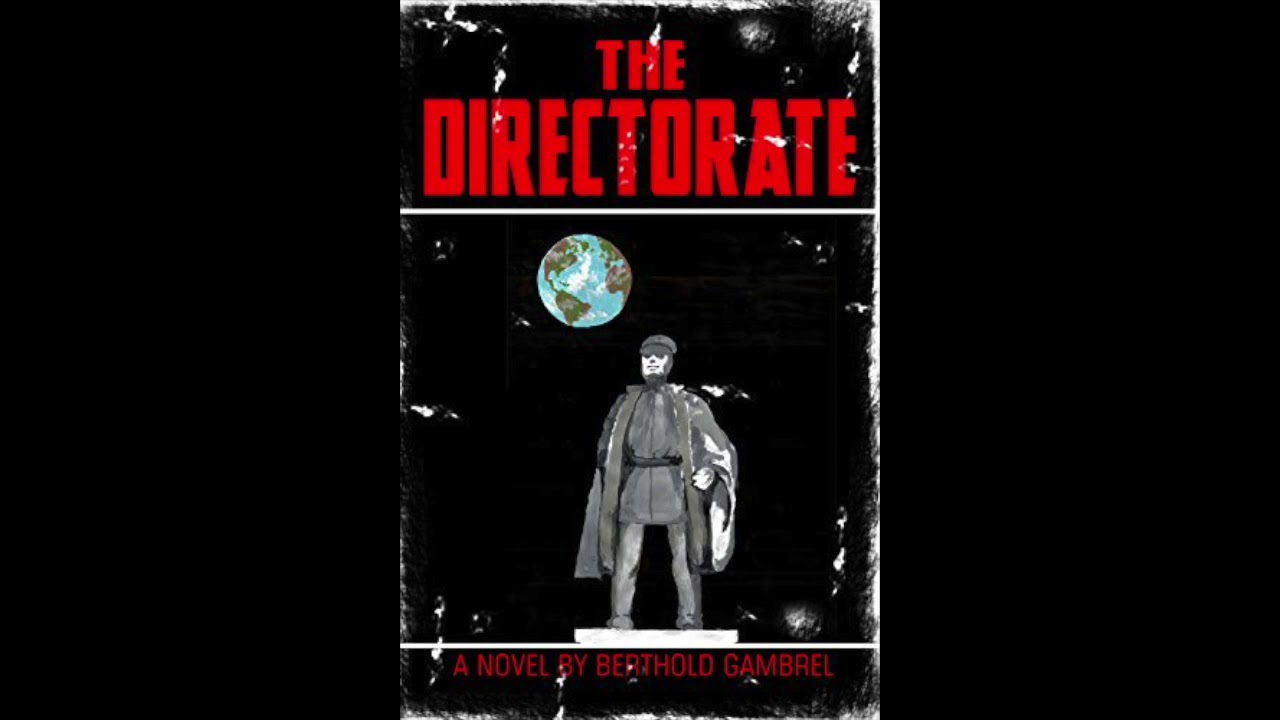
Example of visual style of Gerald Brom

Gerald Brom

Gerald Brom is a renowned dark fantasy artist known for his haunting and macabre imagery. His visual style gained popularity in the 1990s and continues to be influential today. Brom's work is characterized by its detailed and evocative portrayal of dark and fantastical subjects such as demons, monsters, vampires, and post-apocalyptic worlds. His unique combination of imaginative storytelling, skillful technique, and richly textured illustrations has made him famous in the genre.

View StyleExplore Style
Example of visual style of Ian McCaig

Ian McCaig

Ian McCaig is a renowned concept artist and illustrator known for his distinctive and imaginative visual style. His work is characterized by its intricate detail, evocative storytelling, and richly textured and dynamic imagery. McCaig gained significant recognition for his work on the Star Wars films, particularly for designing iconic characters such as Darth Maul and Queen Amidala. His style blends elements of fantasy, science fiction, and mythology, creating captivating and memorable visuals. McCaig's contributions to the world of concept art have made him a highly influential figure in the industry.

View StyleExplore Style

Home