StylopediaStylopedia

Stop-motion animation styles on Stylopedia

A visual encyclopedia of stop-motion animation styles – use as prompt inspiration for Midjourney, Gemini, or ChatGPT AI when making stop-motion animation images

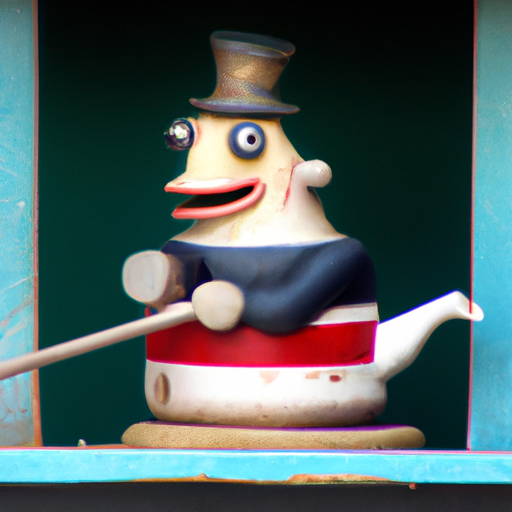
Example of visual style of Designers Aardman Animations

Designers Aardman Animations

Designers Aardman Animations is a distinctive style of stop-motion animation that first gained fame in the 1980s. Known for its unique claymation technique, this style has been popularized by the British animation studio Aardman Animations. With meticulous attention to detail and exaggerated character features, Designers Aardman Animations has become synonymous with charming and whimsical storytelling. This style gained worldwide recognition with the release of iconic works like 'Wallace & Gromit' and 'Chicken Run'.

View StyleExplore Style
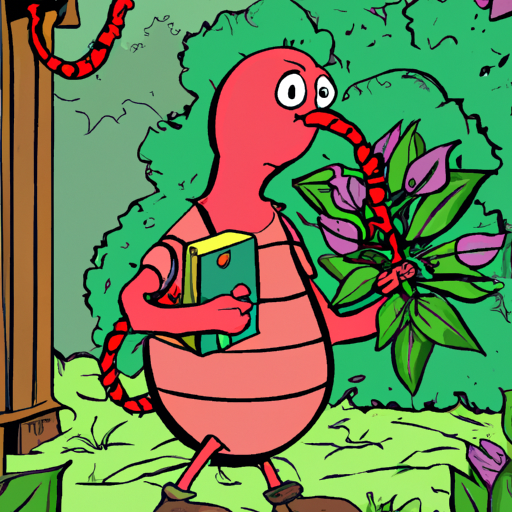
Example of visual style of Harryhausen Style

Harryhausen Style

Harryhausen Style refers to the stop-motion animation technique created by Ray Harryhausen, a renowned visual effects creator. This style gained popularity during the 1950s to the 1980s. Ray Harryhausen is famous for his groundbreaking work in films such as "Jason and the Argonauts", "Clash of the Titans", and "The 7th Voyage of Sinbad". The Harryhausen Style is known for its highly detailed and intricately animated creatures and special effects, bringing mythological creatures and monsters to life.

View StyleExplore Style
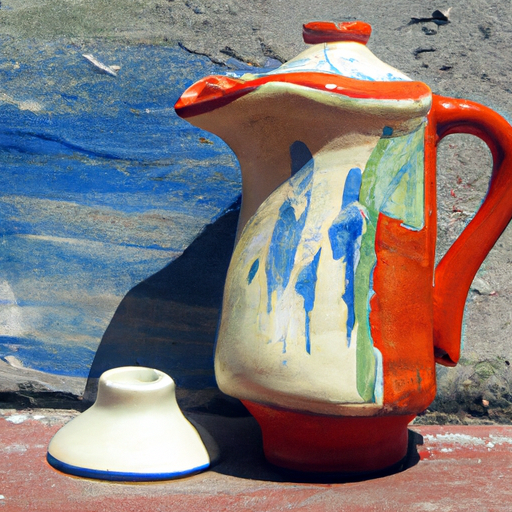
Example of visual style of Henry Selick

Henry Selick

Henry Selick's visual style is known for its dark and eccentric charm, combining fantastical elements with a touch of surrealism. He gained prominence in the late 20th century, particularly in the 1990s, for his innovative stop-motion animation techniques. His works often feature intricate and meticulously crafted sets, evoking a sense of tactile realism. Selick's fame comes from directing iconic films like 'The Nightmare Before Christmas' (1993) and 'James and the Giant Peach' (1996), which showcased his unique style and storytelling abilities.

View StyleExplore Style
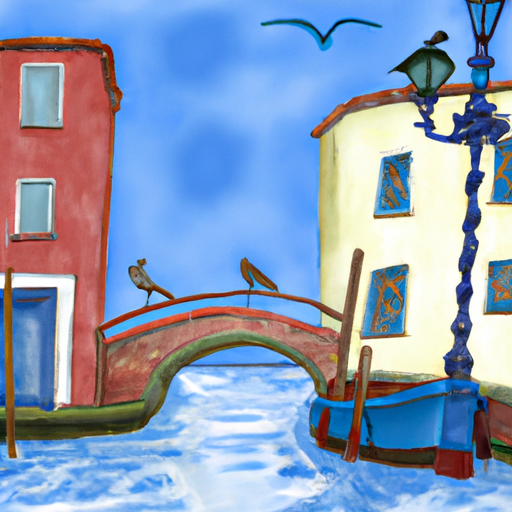
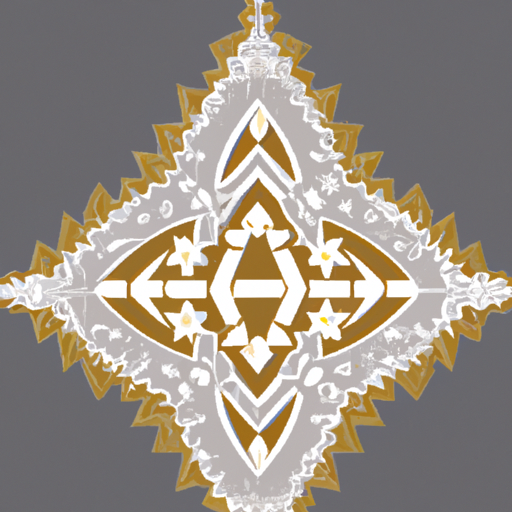
Example of visual style of Jan Svankmajer

Jan Svankmajer

Jan Svankmajer is a Czech filmmaker and artist known for his distinctive surrealist style. His work, which reached its peak in the 1960s and 1970s, is characterized by a unique blend of live-action and stop-motion animation, creating a dark and disturbing atmosphere. Svankmajer's genius lies in his ability to transform ordinary objects and materials, such as clay, into uncanny and grotesque forms, blurring the line between reality and fantasy. His exploration of the subconscious and the irrational has earned him international recognition and made him a key figure in the world of experimental cinema.

View StyleExplore Style
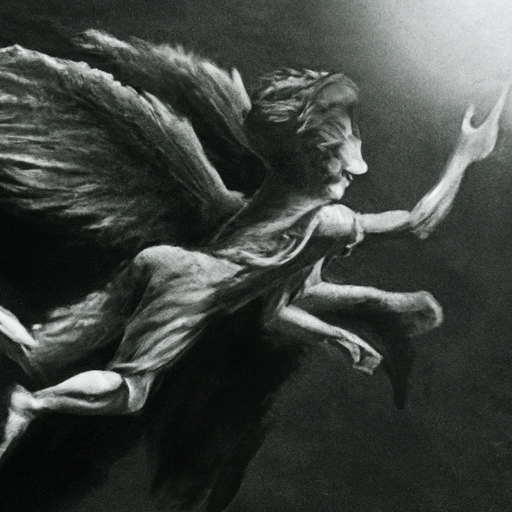
Example of visual style of Jan Švankmajer

Jan Švankmajer

Jan Švankmajer is a Czech filmmaker and artist known for his unique visual style that combines live-action and stop-motion animation. His work often explores dark and surreal themes, and is characterized by a gritty, visceral aesthetic. Švankmajer rose to prominence in the 1960s and 1970s with his short films and later gained international recognition with feature-length movies such as 'Alice' (1988) and 'Faust' (1994). His use of everyday objects and materials, as well as his focus on the subconscious and the grotesque, have made him famous in the world of animation and experimental film.

View StyleExplore Style
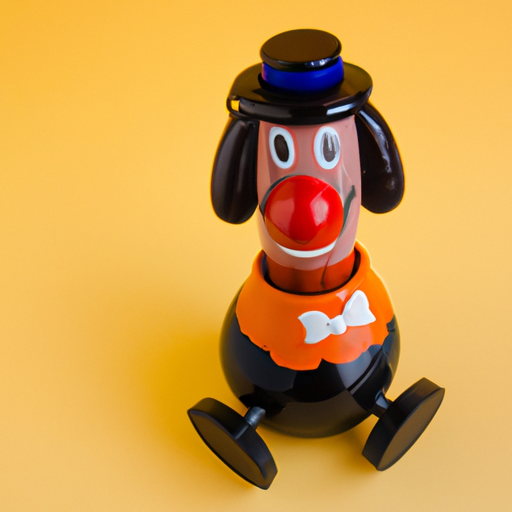
Example of visual style of Los Brothers Quay

Los Brothers Quay

The Los Brothers Quay visual style is characterized by its dark, surreal, and atmospheric aesthetics. It combines elements of puppetry, stop-motion animation, and live action to create haunting and dreamlike worlds. The Quay Brothers, Stephen and Timothy, gained fame in the late 1970s and 1980s for their unique style and meticulous attention to detail. Their use of handcrafted sets, intricate miniatures, and intricate camera work created a distinct visual language that has influenced many filmmakers and animators.

View StyleExplore Style
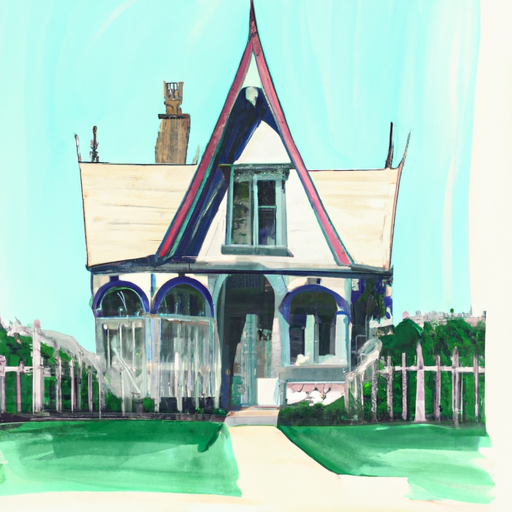
Example of visual style of Michel Gondry

Michel Gondry

Michel Gondry is known for his distinctive visual style that combines surreal and imaginative elements with DIY aesthetics. His style became famous in the late 1990s and early 2000s through his innovative music videos and later through feature films. Gondry's use of practical effects, stop-motion animation, and handcrafted set designs added a unique and whimsical charm to his work. His visual style often blurs the line between reality and the fantastical, creating a dreamlike atmosphere.

View StyleExplore Style
Example of visual style of Peter Lord

Peter Lord

Peter Lord is a British animator and film director known for his unique style of stop-motion animation. His work became famous in the late 20th century, particularly through his collaborations with David Sproxton and the founding of Aardman Animations in 1972. Lord's visual style is characterized by its quirky humor, attention to detail, and handcrafted charm. He often incorporates claymation techniques, creating characters and sets out of clay and other materials. Lord's style is distinguished by its imaginative storytelling and imaginative use of animation techniques.

View StyleExplore Style
Example of visual style of Phil Tippett

Phil Tippett

Phil Tippett is a visual effects artist and filmmaker known for his groundbreaking work in stop-motion animation and creature design. His style became famous in the 1980s and 1990s when he created iconic creatures and visual effects for films like Star Wars: Return of the Jedi, Jurassic Park, and RoboCop. Tippett's unique style combines practical effects with computer-generated imagery, bringing life to fantastical creatures and enhancing the visual storytelling in these films.

View StyleExplore Style
Example of visual style of Ray Harryhausen

Ray Harryhausen

Ray Harryhausen was a visual effects creator and stop-motion animator who became famous for his work in the 1950s to 1980s. He was known for his fantastical and imaginative creations, bringing to life mythical creatures, dinosaurs, and monsters in films such as 'Jason and the Argonauts' (1963) and 'Clash of the Titans' (1981). His meticulous attention to detail and skill in stop-motion animation made his creations appear lifelike and awe-inspiring, revolutionizing the industry and inspiring generations of filmmakers.

View StyleExplore Style
Example of visual style of Willis Obrien

Willis Obrien

Willis Obrien was a pioneer in the field of stop-motion animation, active primarily in the early 20th century. He is best known for his groundbreaking work on films such as 'The Lost World' (1925) and 'King Kong' (1933). Obrien's visual style involved meticulously animating model creatures and integrating them seamlessly into live-action footage, creating a sense of wonder and awe. His use of stop-motion animation techniques brought fantastical creatures to life on the big screen, captivating audiences and revolutionizing the film industry.

View StyleExplore Style
Home