StylopediaStylopedia

Still lifes styles on Stylopedia

A visual encyclopedia of still lifes styles – use as prompt inspiration for Midjourney, Gemini, or ChatGPT AI when making still lifes images

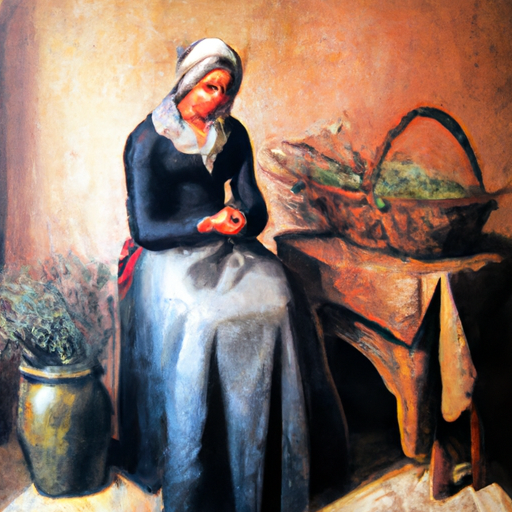
Example of visual style of Dutch Genre Painting

Dutch Genre Painting

Dutch Genre Painting, also known as Dutch Golden Age painting, emerged in the 17th century in the Netherlands. Characterized by realistic depictions of everyday life, it gained popularity during the Dutch Golden Age. The style flourished from approximately 1600 to 1700 and captured scenes from domestic life, landscapes, still lifes, and portraits. Dutch Genre Painting became famous for its attention to detail, lighting effects, and the ability to capture the essence of daily activities.

View StyleExplore Style
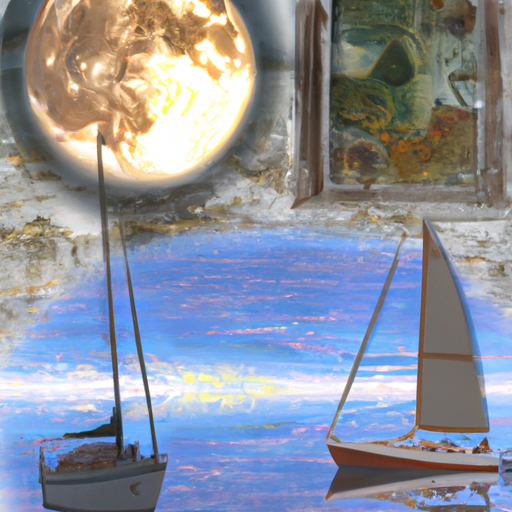
Example of visual style of Dutch Golden Age Painting

Dutch Golden Age Painting

Dutch Golden Age Painting flourished during the 17th century in the Dutch Republic, particularly in cities such as Amsterdam, Haarlem, and Delft. This period is renowned for its realism, detailed observation of everyday life, and mastery of light and shadows. Dutch Golden Age painters were often associated with guilds and produced a wide range of subjects, including portraits, landscapes, still lifes, genre scenes, and historical and biblical themes. The style became famous for its meticulous attention to detail, atmospheric perspective, and use of vibrant colors.

View StyleExplore Style
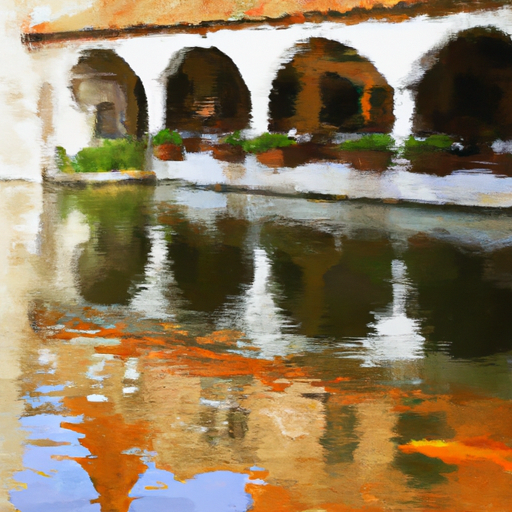
Example of visual style of Malcolm Morley

Malcolm Morley

Malcolm Morley is an artist known for his photorealist and abstract expressionist style. He gained fame in the 1960s and 1970s for his large-scale paintings that combined realistic and abstract elements. Morley's work often depicted scenes from history, landscapes, and still lifes. He became famous for his ability to create hyperrealistic images using photographs as references. Morley's unique approach and technical skill made him a prominent figure in the contemporary art world.

View StyleExplore Style
Example of visual style of Netherlandish Painting

Netherlandish Painting

Netherlandish Painting, also known as Dutch painting, refers to the painting style that emerged in the Netherlands during the 15th and 16th centuries. This style became famous for its attention to detail, realistic portrayal of subjects, and its use of light and shadow. Netherlandish painters were renowned for their meticulous technique and the intricate rendering of textures and landscapes. The works from this period often featured religious themes, as well as genre scenes, still lifes, and portraiture.

View StyleExplore Style
Example of visual style of Robert Mapplethorpe

Robert Mapplethorpe

Robert Mapplethorpe was an American photographer known for his black-and-white portraits, still lifes, and homoerotic nudes. He rose to fame in the 1970s and 1980s, and became notorious for pushing the boundaries of explicit content in his work. Mapplethorpe's photographs often exhibited a stark, classical aesthetic, characterized by strong contrasts, meticulous lighting, and a focus on composition and form. His artistic exploration of taboo subjects challenged societal norms and sparked an intense debate on the boundaries of art and pornography. Mapplethorpe's work continues to inspire and provoke discussion to this day.

View StyleExplore Style
Home