
Adolf Hitler
A propaganda-driven visual style characterized by stark, graphic imagery, bold colors, and symbolic use of icons like the swastika. Associated with the rise of Nazism in Germany during the 1930s and 1940s.
View StyleExplore Style Stylopedia
A visual encyclopedia of stark styles – use as prompt inspiration for Midjourney, Gemini, or ChatGPT AI when making stark images
A propaganda-driven visual style characterized by stark, graphic imagery, bold colors, and symbolic use of icons like the swastika. Associated with the rise of Nazism in Germany during the 1930s and 1940s.
View StyleExplore Style
Harold Pinter is known for his minimalist and stark visual style characterized by sparse set design, pauses, and subtle tension in dialogue. His work became famous in the 1950s and 1960s for its unique blend of realism and absurdism.
View StyleExplore Style
The visual style of the film 'Dogtooth' (2009) is characterized by its stark and minimalist aesthetic, using wide shots, muted colors, and surreal settings to create a sense of unease. This style became famous for its subversion of traditional narrative structures and its exploration of dark and disturbing themes.
View StyleExplore Style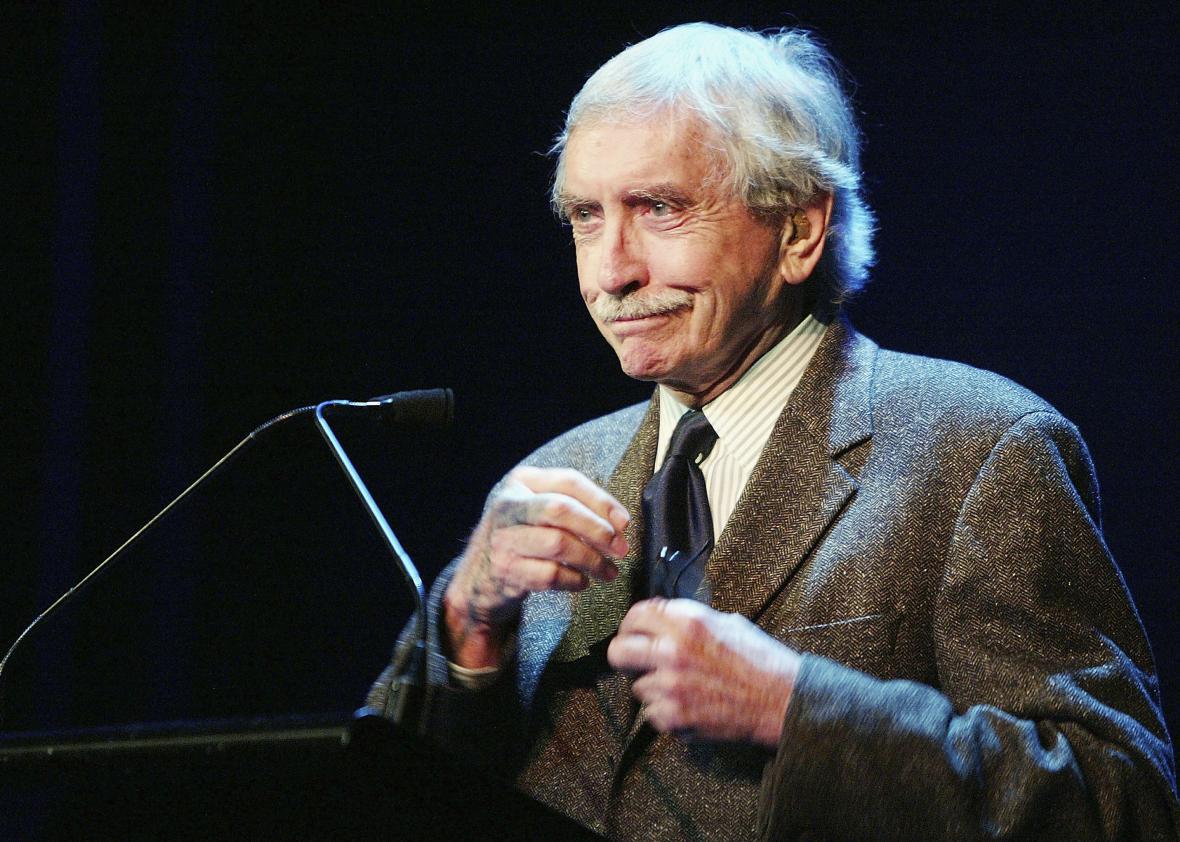
The visual style of Edward Albee is characterized by minimalist sets, stark lighting, and a focus on emotional intensity. This style became famous in the mid-20th century with plays like 'Who's Afraid of Virginia Woolf?'
View StyleExplore Style
Flannery O'Connor's visual style is characterized by stark, gothic imagery with dark humor and religious themes. Famous for her writing in the mid-20th century, her visual style captures the grotesque yet spiritual aspects of the Southern Gothic genre.
View StyleExplore Style
The George Orwell visual style is a minimalist and dystopian style that emerged primarily during the mid-20th century. It is characterized by stark and simple designs, often featuring muted colors and industrial aesthetics. This style gained popularity following the publication of George Orwell's iconic dystopian novel, '1984,' in 1949. The novel's themes of government surveillance, manipulation, and control heavily influenced the visual style associated with it.
View StyleExplore Style
A visual style known for its eerie and unsettling atmosphere, characterized by stark color contrasts, exaggerated facial expressions, and detailed backgrounds. Originating from the 2000s visual novel, Higurashi When They Cry gained fame for its unique storytelling and intense psychological horror elements.
View StyleExplore Style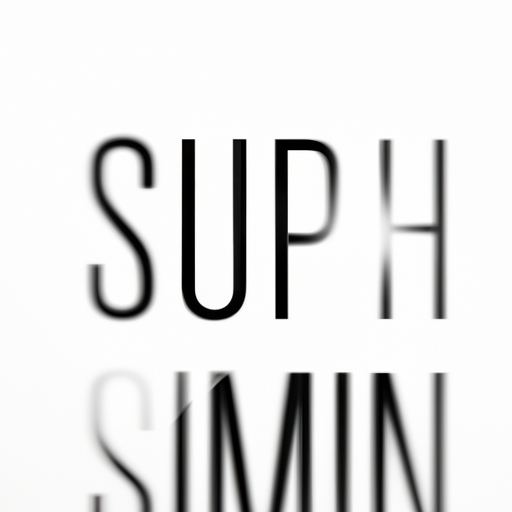
Ian Curtis is known for his distinct visual style in the post-punk era of the late 1970s and early 1980s. This style gained prominence during his time as the lead singer of the band Joy Division from 1977 to 1980. Curtis became famous for his hauntingly expressive performances and introspective lyrics, which often explored themes of despair, alienation, and inner turmoil. His visual style was characterized by a minimalist and stark aesthetic, with a focus on monochromatic tones and angular shapes. It reflected the bleakness and intensity that characterized his music and lyrics. Ian Curtis's style continues to be revered and has had a significant influence on subsequent generations of musicians and artists.
View StyleExplore Style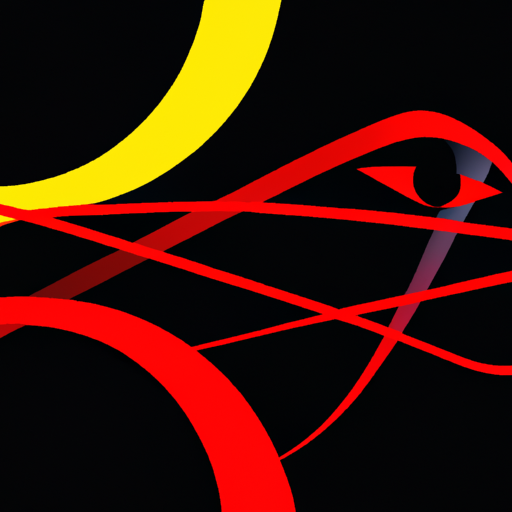
Joy Division is a visual style that emerged in the late 1970s and early 1980s, particularly associated with the famous Manchester band of the same name. The style is characterized by its minimalistic and stark imagery, often in black and white. It is influenced by industrial aesthetics, post-punk culture, and the band's dark and introspective music. The iconic album covers for Joy Division, designed by Peter Saville, played a significant role in popularizing this visual style.
View StyleExplore Style
Known for his minimalist and unflinching portrayal of human emotions in his films. Kim Ki Duk's style gained fame in the late 1990s and early 2000s for its stark visuals and intense themes.
View StyleExplore Style
Limbo is a dark and atmospheric visual style characterized by stark black and white silhouettes, minimalistic environments, and eerie lighting effects. It gained fame in the video game industry with the release of the game 'Limbo' in 2010.
View StyleExplore Style
Aggressive and industrial style popularized in the late 1980s and early 1990s. Known for its use of bold typography, stark imagery, and gritty textures.
View StyleExplore Style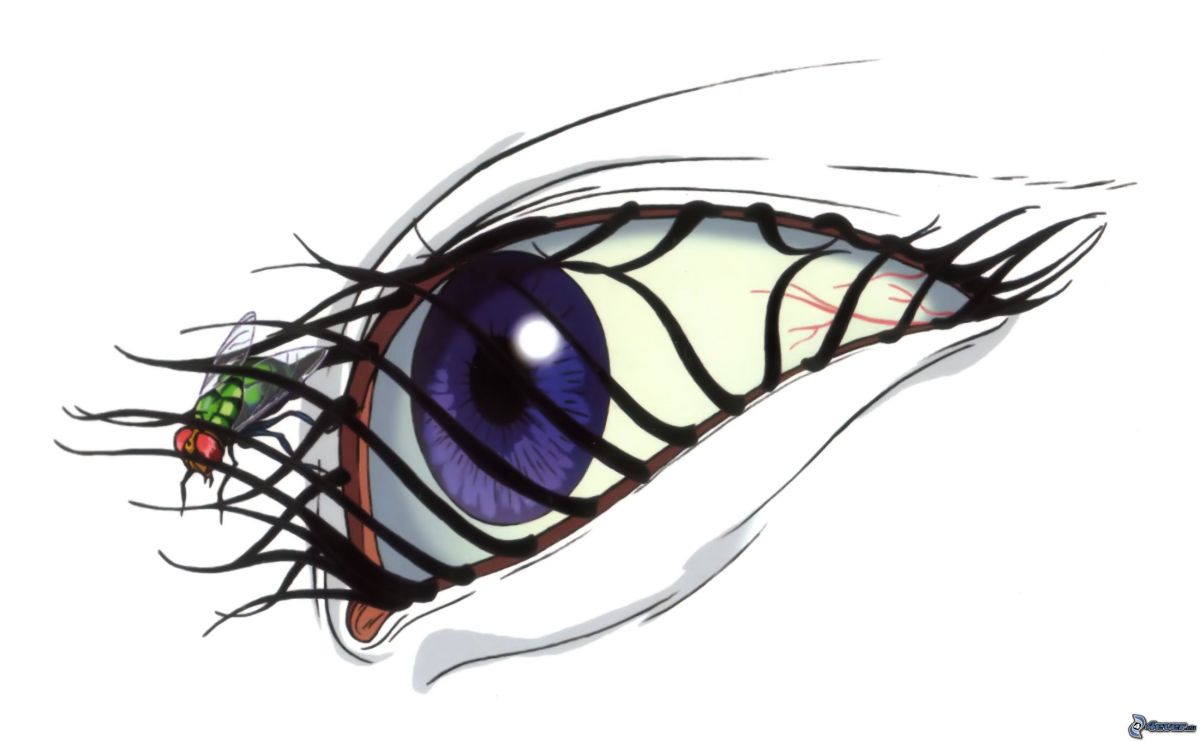
Known for his distinctive and dynamic animated style, Peter Chung rose to fame in the 1990s with his work on the animated TV series Aeon Flux, characterized by fluid and exaggerated movements, stark contrasts, and intricate character designs.
View StyleExplore Style
Portal is a sci-fi video game style with a minimalist and futuristic design, featuring clean lines, stark contrasts, and vibrant colors. Made famous by the critically acclaimed game 'Portal' released in 2007.
View StyleExplore Style
Ralph Hotere was a prominent New Zealand artist known for his minimalist and abstract paintings. His works often featured stark black shapes against bold backgrounds, creating a sense of depth and mystery. Hotere's style gained fame in the 1960s and 1970s for its unique blend of Maori motifs and European modernism.
View StyleExplore Style
Richard Avedon was a renowned fashion and portrait photographer who revolutionized the field with his stark and minimalist style. Active from the 1940s until his death in 2004, Avedon's iconic black and white photographs captured the essence of his subjects in a straightforward and honest manner. His signature style was characterized by the use of a white backdrop, minimal props or distractions, and an emphasis on the subject's natural expressions and emotions. Avedon's groundbreaking work in the fashion industry and his collaboration with influential figures such as Diana Vreeland and Harper's Bazaar helped establish him as one of the most important photographers of the 20th century.
View StyleExplore Style
Schindler's List is characterized by its stark black-and-white cinematography, emphasizing the brutality and darkness of the Holocaust. Released in 1993, this style gained recognition for its powerful and haunting visual portrayal of one of the darkest periods in history.
View StyleExplore Style
The visual style of 'The Girl With The Dragon Tattoo' is dark, gritty, and edgy, characterized by moody atmosphere, cold color palette, and stark imagery. This style became famous for its raw and uncompromising visuals, often depicting themes of mystery and suspense.
View StyleExplore Style
The visual style of 'The Seventh Seal' is stark, moody, and haunting, characterized by high contrast black and white cinematography and a sense of existential dread. Released in 1957, this style became famous for its iconic and atmospheric look.
View StyleExplore Style
Walter De Maria was an American artist known for his minimalist and earthwork sculptures. He emerged as a prominent figure in the art world during the 1960s and 1970s. His visual style can be described as stark, geometric, and monumental. De Maria's sculptures often featured simple geometric forms, such as grids, circles, and lines, and were characterized by their large scale and precise arrangement. One of his most famous works is 'The Lightning Field' (1977) consisting of a grid of 400 stainless steel poles in the New Mexico desert. De Maria's emphasis on pristine geometric forms and the use of natural elements in his artworks became influential in the development of land art and minimalism.
View StyleExplore Style
The visual style of 'Who's Afraid of Virginia Woolf?' is characterized by its stark, claustrophobic settings and harsh lighting, reflecting the intense emotional turmoil of the characters. This style became famous in the 1960s for its raw and unflinching portrayal of domestic dysfunction.
View StyleExplore Style