StylopediaStylopedia

Stained glass styles on Stylopedia

A visual encyclopedia of stained glass styles – use as prompt inspiration for Midjourney, Gemini, or ChatGPT AI when making stained glass images

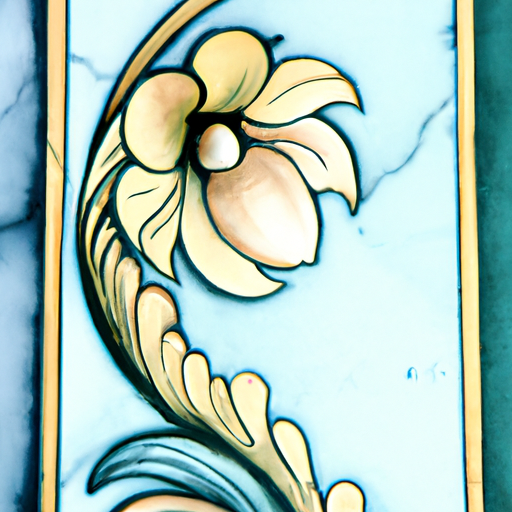
Example of visual style of Art Nouveau

Art Nouveau

Art Nouveau, which emerged in the late 19th century and lasted until around 1910, is an artistic style characterized by its curvilinear forms and organic motifs inspired by nature. It is known for its ornate and highly decorative designs, embracing flowing lines, floral patterns, and intricate details. Art Nouveau gained popularity as a reaction against the academic art of the time and became famous for its innovative use of materials and techniques, including stained glass, ironwork, and decorative arts. This style reached its height of influence during the Belle Époque, particularly in Europe and the United States.

View StyleExplore Style
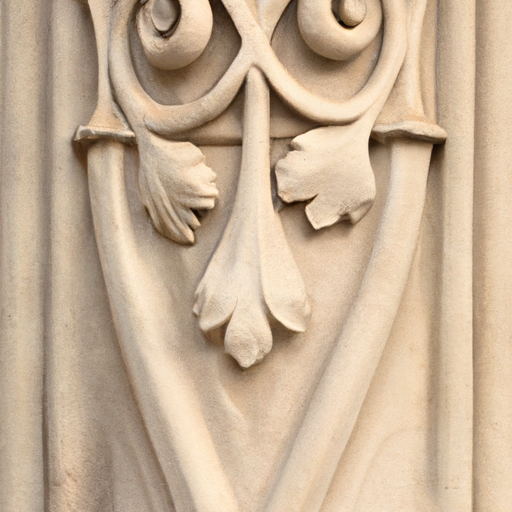
Example of visual style of Gothic Art

Gothic Art

Gothic Art is a style of art that flourished from the 12th to the 16th century in Europe, particularly in Western Europe. It is characterized by intricate and detailed designs, pointed arches, ribbed vaults, and high ceilings. This style is famous for its emphasis on religious themes and its portrayal of the divine. Gothic Art is known for its stained glass windows, illuminated manuscripts, and sculpture. It reached its peak in the late medieval period and became an important part of medieval architecture and decoration.

View StyleExplore Style
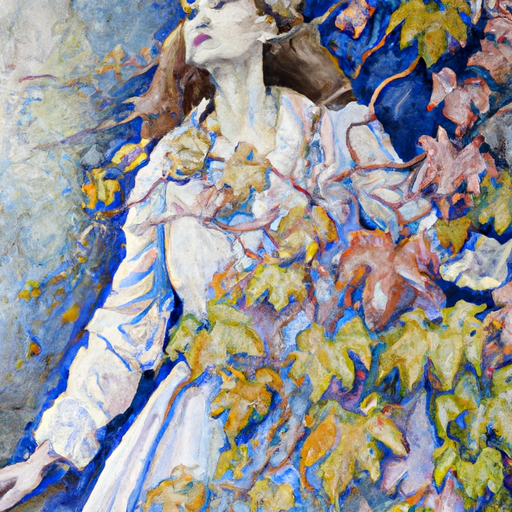
Example of visual style of Harry Clarke

Harry Clarke

Harry Clarke was an Irish stained-glass artist and illustrator, prominent in the early 20th century. His style was characterized by intricate and highly detailed designs, vibrant colors, and a combination of decorative elements and Symbolist influences. Clarke's work became famous for its dark and mysterious themes, often depicting supernatural and otherworldly subjects. His illustrations for books and his stained-glass windows gained him recognition and acclaim.

View StyleExplore Style
Example of visual style of John La Farge

John La Farge

John La Farge was an American painter, muralist, and stained-glass window designer who became renowned for his innovative use of color in art. Active during the late 19th and early 20th century, La Farge's style emerged as a reaction to the detailed realism of the Hudson River School. He focused on capturing the mood and atmosphere of a subject rather than exact representation. La Farge is best known for his landscapes, marine scenes, and captivating studies of light and color. His experimentation with opalescent glass in his stained-glass windows earned him popularity in this medium as well.

View StyleExplore Style
Example of visual style of Louis Comfort Tiffany

Louis Comfort Tiffany

Louis Comfort Tiffany was an American artist and designer known for his work in the Art Nouveau and Aesthetic movements. He was active primarily in the late 19th and early 20th centuries. Tiffany became famous for his innovative use of stained glass, particularly in the creation of intricate and vibrant stained glass windows, lamps, and decorative objects. His unique style emphasized the use of opalescent glass, rich colors, and organic motifs, often inspired by nature. Tiffany's work, with its combination of beauty, craftsmanship, and innovation, has left a lasting impact on the world of art and design.

View StyleExplore Style
Example of visual style of Tiffany Studios

Tiffany Studios

Tiffany Studios was a decorative arts firm founded by Louis Comfort Tiffany in 1885. The style became famous in the late 19th and early 20th centuries. Renowned for their innovative use of glass, particularly stained glass, Tiffany Studios created stunning and intricate designs that incorporated nature, iridescence, and bold colors. Their signature opalescent glass techniques and unique forms elevated their works to the status of art, with commissions ranging from stained glass windows to lamps, vases, and jewelry.

View StyleExplore Style
Example of visual style of Victorian Architecture

Victorian Architecture

Victorian Architecture emerged in the United Kingdom during the reign of Queen Victoria, from 1837 to 1901. It is characterized by intricate details, ornate decoration, and a mixture of different architectural styles. This style became famous for its grandiose and lavish designs, influenced by Gothic Revival, Neoclassical, and Renaissance styles. The Victorian era marked a period of technological advancements in construction, allowing for the creation of elaborate facades, intricate carvings, and the use of new materials such as cast iron. The style is known for its asymmetry, steep roofs, pointed arches, and decorative elements like stained glass windows, intricate woodwork, and ornamental ironwork.

View StyleExplore Style
Home