StylopediaStylopedia

Spontaneous styles on Stylopedia

A visual encyclopedia of spontaneous styles – use as prompt inspiration for Midjourney, Gemini, or ChatGPT AI when making spontaneous images

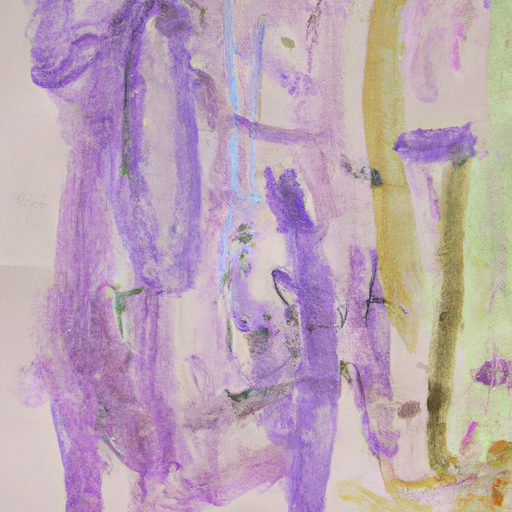
Example of visual style of Cy Twombly

Cy Twombly

Cy Twombly is a visual style characterized by abstract and gestural paintings. Born in 1928, Twombly emerged as a prominent artist in the 1950s and gained recognition for his expressive and calligraphic works. Twombly's style is known for its dynamic brushwork, scribbles, and drips, often combining elements of drawing and painting. His works are emotionally charged and full of lyricism, evoking a sense of spontaneity and raw creativity. Twombly's art became famous for its unique blend of graffiti-like mark-making and references to classical mythology. Throughout his career, he explored themes of love, sexuality, and the fragility of human existence. His style has influenced subsequent generations of artists.

View StyleExplore Style

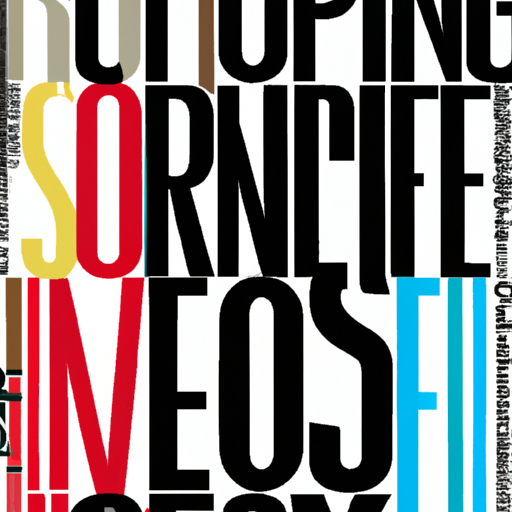
Example of visual style of David Carson

David Carson

David Carson is a visual style known for his pioneering work in the field of graphic design during the 1990s. He gained recognition for his innovative and experimental approach to typography and layout. Carson's use of unconventional typefaces, fragmented text, and layered compositions revolutionized the field, creating a new aesthetic that challenged traditional design principles. He became famous for his work as the art director of Ray Gun magazine, where he pushed the boundaries of visual communication. Carson's style is characterized by a sense of chaos, spontaneity, and expressive typography. His work is often associated with the grunge and postmodern movements in design.

View StyleExplore Style
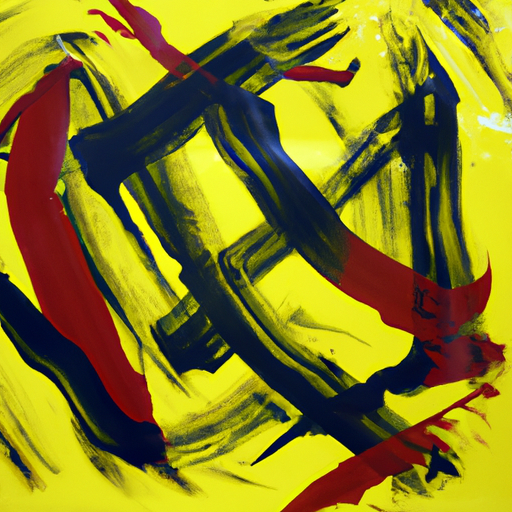
Example of visual style of Happening

Happening

Happening is an avant-garde art form that emerged in the late 1950s and gained popularity in the 1960s. It was a performance-based genre that aimed to create spontaneous and interactive experiences for the audience. Happenings were characterized by their unpredictability, incorporating elements of theater, art, music, and everyday life. Influenced by the Fluxus movement, they often involved audience participation, multimedia elements, and were often site-specific. Some notable happenings include Allan Kaprow's '18 Happenings in 6 Parts' (1959) and Claes Oldenburg's 'Store' (1961) which turned a gallery into a mock store. Happenings challenged traditional forms of art and blurred the boundaries between art and life.

View StyleExplore Style
Example of visual style of Helen Levitt

Helen Levitt

Helen Levitt was an American photographer best known for her candid street photography in New York City from the 1930s to the 1990s. Her work captured everyday moments of urban life, particularly focusing on children and their interaction with the city streets. Levitt's signature style was characterized by her use of black and white film, capturing spontaneous and often humorous scenes. Her ability to capture the essence of New York City street life made her famous and influential in the field of street photography.

View StyleExplore Style
Example of visual style of Henri Cartier-Bresson

Henri Cartier-Bresson

Henri Cartier-Bresson was a French photographer who pioneered the genre of street photography in the 20th century. Active from the 1930s to the 1970s, he is known for his candid and spontaneous images capturing decisive moments of everyday life. Cartier-Bresson's style became famous for his use of a small, lightweight Leica camera that allowed him to blend seamlessly into the environment and capture fleeting moments of human expression and interaction. His work emphasized composition, geometry, and the timing of capturing the perfect moment. He believed in capturing the 'decisive moment', that split second when the elements of a photograph came together in perfect harmony.

View StyleExplore Style
Example of visual style of Juergen Teller

Juergen Teller

Juergen Teller is a German photographer known for his raw, bold, and unconventional visual style. In his work, he often captures a sense of intimacy and spontaneity. Teller rose to fame in the 1990s with his provocative fashion photography, subverting traditional notions of beauty. He gained further recognition for his collaborations with esteemed fashion designers and his distinct approach to portrait photography. Teller's unfiltered and uninhibited style pushed the boundaries of fashion photography, making him a prominent figure in the industry.

View StyleExplore Style
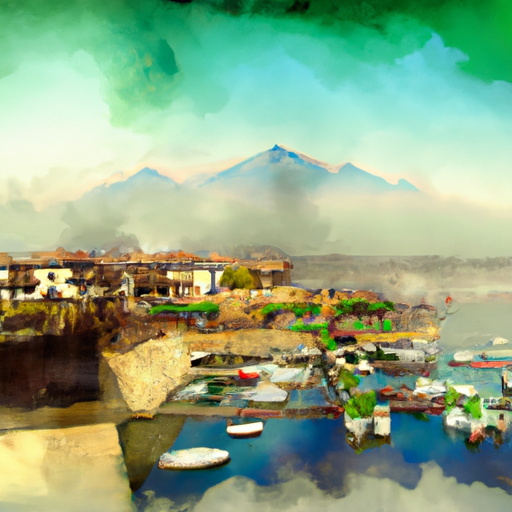
Example of visual style of Watercolor Painting

Watercolor Painting

Watercolor painting is a style of painting that utilizes water-based pigments to create delicate and translucent artworks. Popularized during the 18th century, it gained prominence in the 19th and 20th centuries with notable artists such as J.M.W. Turner, John Singer Sargent, and Winslow Homer. This style is celebrated for its luminous and ethereal qualities, achieved through the layering of transparent washes and the ability to capture the play of light and color. Watercolor painting is renowned for its spontaneity, fluidity, and ability to convey a sense of freshness and immediacy.

View StyleExplore Style
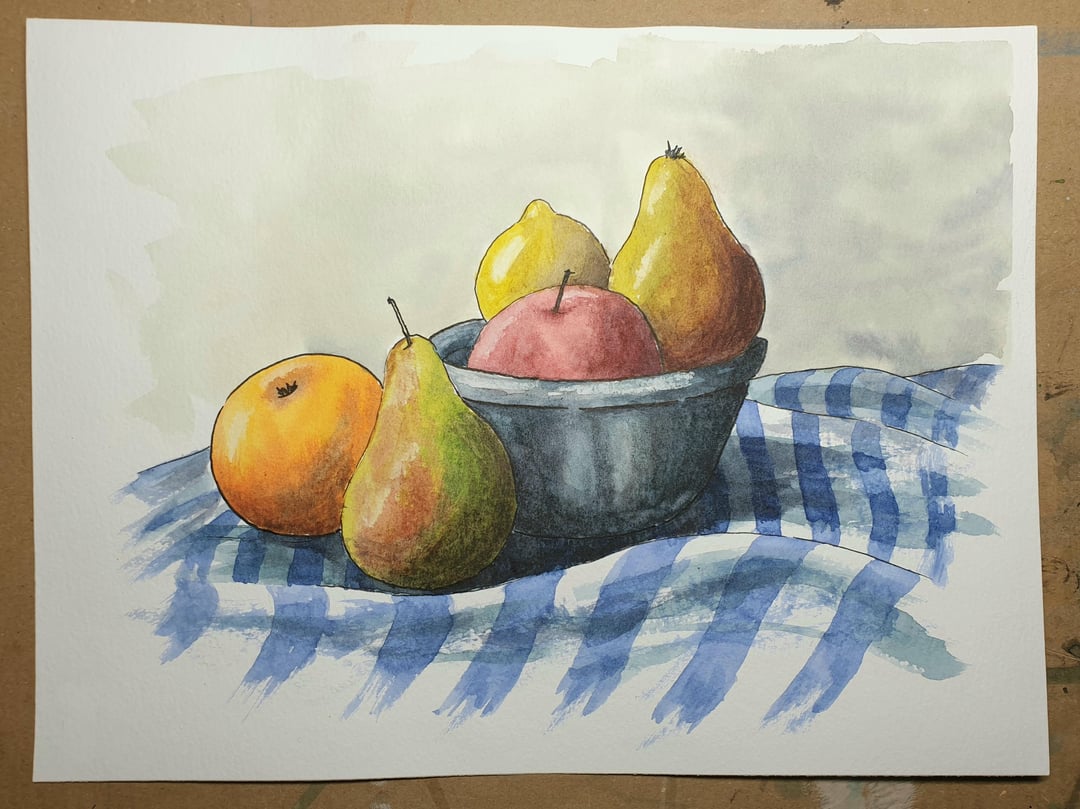
Example of visual style of Watercolour

Watercolour

Watercolour is a painting technique that uses pigments mixed with water to create delicate and translucent artworks. It gained popularity during the Renaissance period in Europe and later became famous during the 19th century as a preferred medium for landscape paintings. This style is characterized by the soft and ethereal quality it brings to the artwork, creating a sense of fluidity and spontaneity. Prominent watercolour artists such as J.M.W. Turner and Winslow Homer showcased the versatility and beauty of this medium, establishing it as a respected form of artistic expression.

View StyleExplore Style
Home