
Gerry Powell
Gerry Powell is known for his abstract expressionist style in the 1950s-1960s, characterized by gestural brushwork and vibrant colors. His work is famous for its emotional intensity and spontaneity.
View StyleExplore Style Stylopedia
A visual encyclopedia of spontaneity styles – use as prompt inspiration for Midjourney, Gemini, or ChatGPT AI when making spontaneity images
Gerry Powell is known for his abstract expressionist style in the 1950s-1960s, characterized by gestural brushwork and vibrant colors. His work is famous for its emotional intensity and spontaneity.
View StyleExplore Style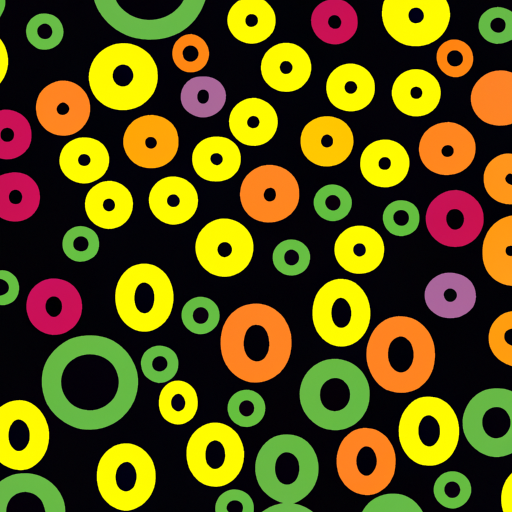
Chance Operations is an artistic style that emerged in the 1950s and became famous for its use of randomness and unpredictability in the creative process. Influenced by the ideas of the composer John Cage and the writer William S. Burroughs, this style challenges traditional notions of control and authorship in art. Artists incorporating Chance Operations create works by introducing elements of chance, such as randomization or improvisation, into the artistic process. This technique often leads to spontaneous and unexpected outcomes, blurring the boundaries between intention and accident.
View StyleExplore Style
Fluxus was an international art movement that emerged in the 1960s. It was characterized by its experimental and interdisciplinary approach, combining visual art, music, performance, and literature. Fluxus artists sought to break down the boundaries between different art forms and blur the lines between art and life. They often used humor, playfulness, and chance as important elements in their works. Fluxus became famous for its anti-art attitude and rejection of traditional conventions in favor of spontaneity and simplicity.
View StyleExplore Style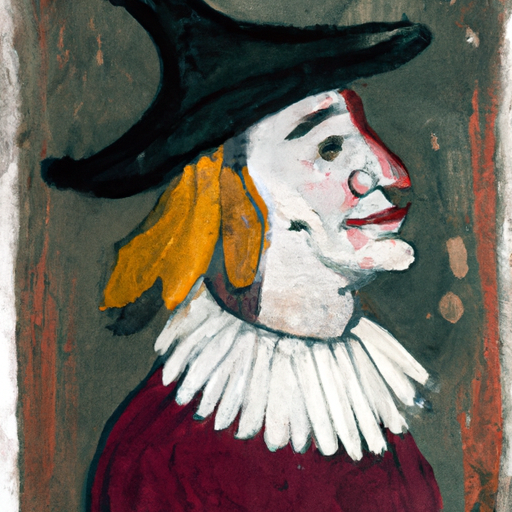
Frans Hals was a Dutch Golden Age painter known for his loose brushwork and lively portrayal of his subjects. Active in the 17th century, Hals was famous for his portrait paintings, capturing the essence and personality of his sitters. His style was characterized by fast and expressive brushstrokes, capturing fleeting moments and the spontaneity of human expression. Hals' use of light and shadow, combined with his skillful handling of color, created a sense of depth and realism in his paintings. His unique approach to portraiture made him one of the most influential artists of his time.
View StyleExplore Style
Hans Hofmann was a German-born American painter who was influential in the development of Abstract Expressionism. He is known for his bold and colorful abstract compositions which combine Cubist principles with the energetic brushwork and spontaneity of Expressionism. Hofmann's style evolved over the years, with his earliest work reflecting a more figurative approach before embracing complete abstraction. He gained recognition in the 1950s and 1960s for his innovative use of color and his ability to convey a sense of movement and depth on the canvas.
View StyleExplore Style
Helen Frankenthaler was an influential American abstract expressionist painter. She rose to prominence in the 1950s and 1960s with her innovative 'soak-stain' technique, which involved pouring thinned paint onto unprimed canvas, allowing it to soak into the fabric and create a vibrant, fluid effect. Her work is characterized by bold, expressive brushwork, translucent layers of color, and a sense of spontaneity and freedom. Frankenthaler's style played a pivotal role in the development of abstract expressionism, and she is often associated with the color field painting movement.
View StyleExplore Style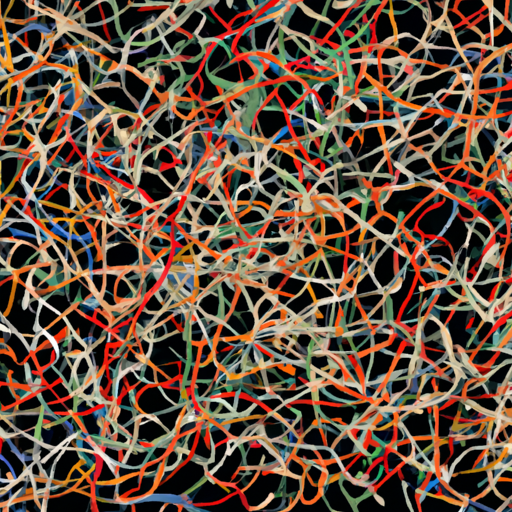
Jackson Pollock was an American painter known for his unique style of abstract expressionism. He rose to fame in the late 1940s and early 1950s for his revolutionary and controversial 'drip painting' technique. Using his signature method of pouring and dripping paint onto canvases, Pollock created vibrant and chaotic compositions that were free from traditional rules of representation. His artistic approach emphasized the physical act of painting itself, with an emphasis on gesture, movement, and spontaneity. Pollock's works captured the essence of the postwar era and challenged the conventional notions of art, influencing generations of artists to come.
View StyleExplore Style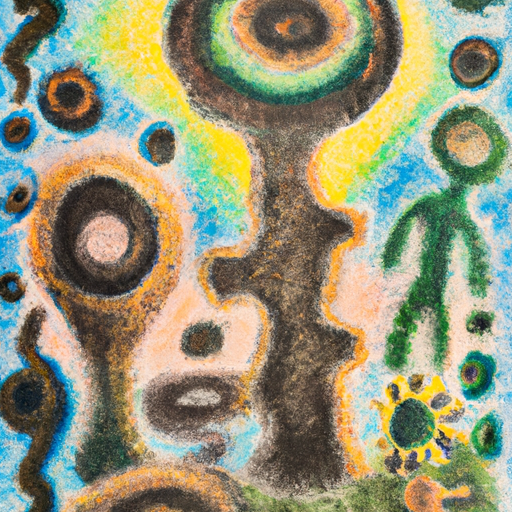
Jean Dubuffet was a French artist known for his unique visual style characterized by raw and primitive aesthetics. Dubuffet's style emerged in the 1940s and became famous for its use of bold, thick lines, vibrant colors, and textured surfaces. His works often depicted abstract and naive representations of human figures and objects, inspired by graffiti, children's drawings, and outsider art. Dubuffet's style challenged traditional artistic conventions and aimed to capture the raw, unrefined essence of art. He believed in the importance of authenticity, spontaneity, and the art created by non-professional artists and marginalized individuals, which further distinguished his style.
View StyleExplore Style
Jean Hans Arp was a pioneer of abstract art and a key figure in the Dada movement. His work, spanning from the early 20th century to the 1960s, is characterized by biomorphic shapes, organic forms, and a playful exploration of chance and spontaneity.
View StyleExplore Style
Matisse is a style of visual art developed by the French artist Henri Matisse in the early 20th century. It is known for its vibrant colors, fluid brushstrokes, and simplified forms. Matisse is famous for his use of bold and intense hues, often applied in large flat areas. His works showcased a sense of joy, simplicity, and spontaneity. Matisse's breakthrough came with his Fauvist period, around 1905, where he and a group of like-minded artists revolutionized the use of color in art.
View StyleExplore Style
Pierre Alechinsky is a renowned Belgian artist who pioneered the visual style characterized by intricate, flowing lines and vibrant colors. Born in 1927, Alechinsky gained fame in the late 1950s as a founding member of the art movement called CoBrA, which aimed to break free from traditional art conventions. Alechinsky's style is marked by a synthesis of calligraphic strokes, playful imagery, and a sense of spontaneity. His works often depict dreamlike landscapes, hybrid creatures, and abstract forms, blurring the boundaries between representation and abstraction. Alechinsky's art gained international recognition and influenced subsequent generations of artists.
View StyleExplore Style
Viola Spolin's visual style focused on improvisational theater games in the 1940s-1970s, emphasizing creativity, spontaneity, and collaboration. Her work with actors like Paul Sills and Del Close made her famous.
View StyleExplore Style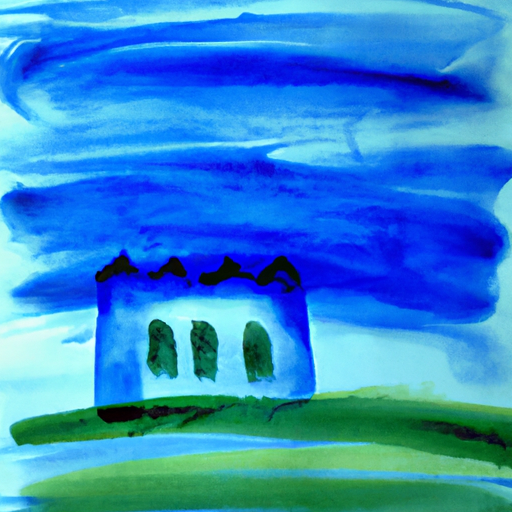
The wet on wet technique is a painting style characterized by applying wet paint onto wet paint already on the canvas. This technique became famous in the mid-19th century and continues to be popular among artists. By keeping the paint wet, it allows colors to blend and create soft transitions and atmospheric effects. This technique is known for its spontaneity and the ability to capture the essence of a subject quickly.
View StyleExplore Style
Zenga Art is a style of Japanese calligraphy that focuses on spontaneity, expressiveness, and simplicity. Developed in the 15th - 17th centuries by Zen monks, it gained popularity for its elegant brush strokes and minimalist compositions.
View StyleExplore Style