StylopediaStylopedia

Spirituality styles on Stylopedia

A visual encyclopedia of spirituality styles – use as prompt inspiration for Midjourney, Gemini, or ChatGPT AI when making spirituality images

Example of visual style of Francesco Clemente

Francesco Clemente

Francesco Clemente is an Italian contemporary artist known for his diverse range of styles and mediums. His visual style combines elements of postmodernism, neo-expressionism, and traditional Indian art. Clemente gained popularity in the 1980s for his vivid and intensely personal works that often incorporated symbolic and dreamlike imagery. His paintings, drawings, and mixed-media pieces explore themes of spirituality, identity, and sexuality. Clemente's distinct style and exploration of cultural and spiritual themes made him a prominent figure in the contemporary art world during the 1980s.

View StyleExplore Style
Example of visual style of Franz Marc

Franz Marc

Franz Marc was a German painter and one of the key figures of the Expressionist movement. His visual style, developed in the early 20th century, is characterized by vibrant and bold colors, abstracted forms, and a strong emphasis on the emotional and spiritual qualities of his subject matter. Marc is famous for his paintings of animals, particularly horses, which he used as symbols of purity, spirituality, and the untamed energy of nature. His style reached its peak between 1911 and 1914, but was tragically cut short by his premature death during World War I. Nevertheless, his contributions to Expressionism and his unique visual language continue to influence artists to this day.

View StyleExplore Style
Example of visual style of Giovanni Bellini

Giovanni Bellini

Giovanni Bellini was an Italian Renaissance painter known for his luminous and atmospheric style. Active during the late 15th and early 16th centuries, Bellini's works are characterized by his exquisite attention to detail, vibrant colors, and skillful use of light and shadow. He is renowned for his religious paintings, particularly his Madonnas, which often feature rich landscapes as backdrops. Bellini's ability to create a sense of depth and spirituality through his use of color and composition has made him one of the most influential painters of his time.

View StyleExplore Style
Example of visual style of Hirofumi Taniguchi

Hirofumi Taniguchi

Hirofumi Taniguchi is a Japanese artist known for his unique and vibrant visual style. His works emerged in the late 20th century and gained popularity in the 1990s. Taniguchi's style is characterized by bold and colorful compositions, intricate patterns, and a fusion of traditional Japanese art techniques with modern elements. His use of vibrant colors and intricate details captivates viewers and brings a sense of energy to his artwork. Taniguchi's work often explores themes of nature, mythology, and spirituality, creating a vivid and surreal visual experience.

View StyleExplore Style
Example of visual style of Islamic Calligraphy

Islamic Calligraphy

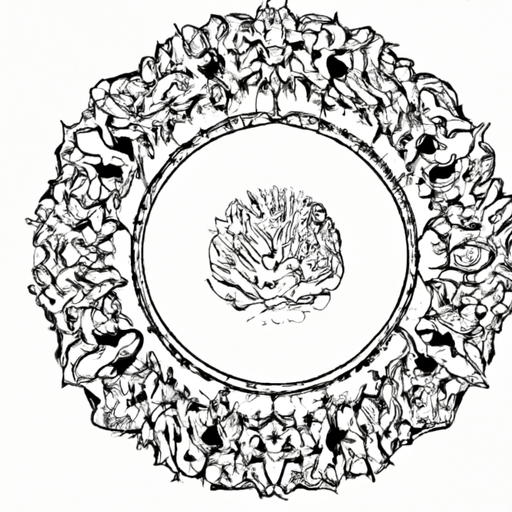
Islamic Calligraphy is a beautiful and intricate style of writing that has been an important art form in Islamic cultures for centuries. It emerged around the 7th century AD and reached its peak during the 9th to 14th centuries. This style of calligraphy became famous through its use in religious texts such as the Quran, as well as in architectural decorations, manuscripts, and other art forms. Islamic Calligraphy is known for its strong emphasis on geometric patterns, fluidity of strokes, and intricate design. The skillful combination of letters and words creates a visual representation of the divine word. Through its rich history and cultural significance, Islamic Calligraphy has become an iconic symbol of Islamic art and is revered for its beauty and spirituality.

View StyleExplore Style
Example of visual style of Korean Mythology

Korean Mythology

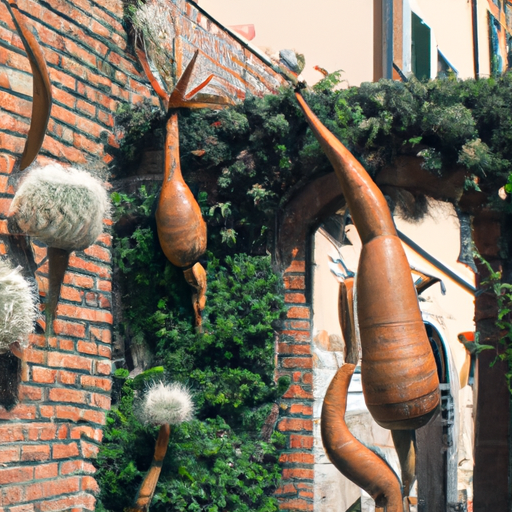
Korean Mythology is a visual style that draws inspiration from the ancient myths and folklore of Korea. It showcases the unique and vibrant aesthetic present in Korean culture, often incorporating elements such as nature, spirituality, and symbolism. This style became particularly famous during the Joseon Dynasty (1392-1897), when it was widely used in traditional paintings, architecture, and decorative arts. It gained popularity through the intricate depictions of mythical creatures, celestial beings, and epic tales, capturing the imagination of both locals and foreigners.

View StyleExplore Style
Example of visual style of Mimmo Paladino

Mimmo Paladino

Mimmo Paladino is an Italian artist known for his unique visual style that combines modern and primitive elements. Born in 1948, Paladino rose to prominence in the 1980s with his distinctive imagery characterized by simplified figures, bold lines, and vibrant colors. His style draws inspiration from ancient art, folklore, and mythology, intertwining them with contemporary visual language. Paladino's artworks often convey a sense of mystery and spirituality, inviting viewers to explore the depths of the subconscious. His innovative approach to figurative art made him a leading figure in the Italian Transavanguardia movement, gaining international recognition for his work.

View StyleExplore Style
Example of visual style of Notre Dame Cathedral

Notre Dame Cathedral

The Notre Dame Cathedral style is a prime example of French Gothic architecture, which flourished from the 12th to 14th centuries. The style originated in Paris, with Notre Dame de Paris being one of the most iconic structures. It is characterized by pointed arches, ribbed vaults, flying buttresses, and intricate stained glass windows. The use of these architectural elements created a sense of verticality, magnificence, and spirituality. The style gained fame for its grandeur and its ability to combine engineering and artistic excellence.

View StyleExplore Style
Example of visual style of Sandro Botticelli

Sandro Botticelli

Sandro Botticelli was an Italian painter from the Early Renaissance period. His visual style is characterized by delicate, graceful figures, soft colors, and a poetic atmosphere. Active during the 15th century, Botticelli is famous for his iconic works such as 'The Birth of Venus' and 'Primavera'. His art often depicted mythological themes and Christian subjects, combining a sense of beauty, elegance, and spirituality. Botticelli's attention to detail and use of flowing lines created a distinctive aesthetic that continues to inspire artists to this day.

View StyleExplore Style
Example of visual style of Siberian Art

Siberian Art

Siberian Art is a visual style that emerged in the early 20th century, particularly between the 1900s and 1930s, in Siberia, Russia. It gained significant prominence during the Soviet era. This style is characterized by its unique blend of traditional Siberian folklore, Russian symbolism, and indigenous cultures. Siberian Art became famous for its portrayal of the vast landscapes, wildlife, and the spiritual connection between humans and nature. It often features vibrant colors, intricate patterns, and a mystical atmosphere, depicting the life and traditions of the indigenous Siberian people.

View StyleExplore Style
Example of visual style of Wassily Kandinsky

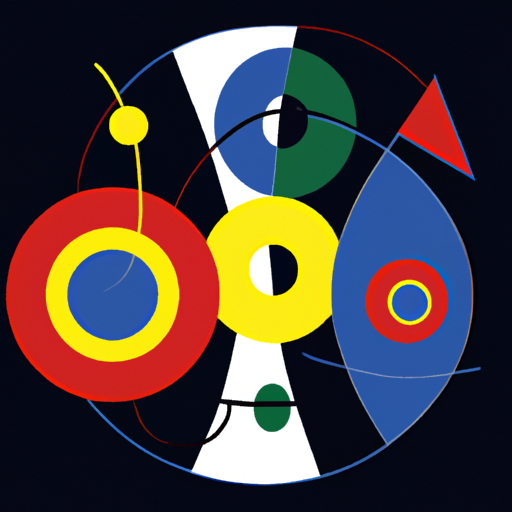
Wassily Kandinsky

Wassily Kandinsky was a Russian painter and art theorist who is credited with being one of the pioneers of abstract art. His paintings are characterized by vibrant colors, fluid forms, and mystical symbolism. Kandinsky's style emerged in the early 20th century, particularly during his time with the Blue Rider movement (1911-1914). He believed that art should be free from the constraints of depicting the physical world and instead aimed to evoke emotions and spirituality through non-representational forms. Kandinsky's use of bold color combinations and geometric shapes made his work revolutionary and highly influential in the development of abstract art.

View StyleExplore Style
Home