
Agnes Pelton
Agnes Pelton was an American modernist artist known for her abstract and symbolic paintings that explore spirituality and the desert landscape. She was active from the late 1910s to the 1960s.
View StyleExplore Style Stylopedia
A visual encyclopedia of spiritual styles – use as prompt inspiration for Midjourney, Gemini, or ChatGPT AI when making spiritual images
Agnes Pelton was an American modernist artist known for her abstract and symbolic paintings that explore spirituality and the desert landscape. She was active from the late 1910s to the 1960s.
View StyleExplore Style
Alex Grey is a visionary artist known for his intricate and detailed psychedelic artwork. His work became famous in the 1990s for its spiritual themes and use of vibrant colors.
View StyleExplore Style
Amanda Sage is a visionary artist known for her intricate and surreal paintings inspired by themes of spirituality, transformation, and interconnectedness. Her work gained popularity in the early 2000s for its unique blend of vibrant colors, intricate details, and fantastical imagery.
View StyleExplore Style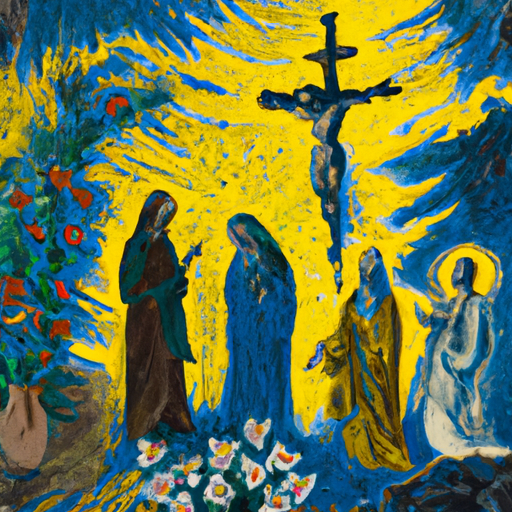
The Andrei Rublev visual style is characterized by its monochromatic palette, elaborate compositions and attention to detail. It emerged in the 1400s and was made famous by the Russian icon painter Andrei Rublev. His intricate religious paintings, such as 'The Trinity' and 'The Annunciation', showcase his mastery of this style. The Andrei Rublev visual style became renowned for its spiritual depth and ethereal beauty.
View StyleExplore Style
Arvo Part is a minimalist style characterized by clean lines, simple shapes, and a neutral color palette. This style gained popularity in the late 20th century for its spiritual and meditative qualities.
View StyleExplore StyleBhai Vir Singh was a prominent Sikh writer, poet, and artist who lived in the late 19th and early 20th centuries. His visual style is characterized by intricate details, vibrant colors, and a spiritual themes inspired by Sikh culture.
View StyleExplore Style
The Blue Rider Group was an influential avant-garde art movement that emerged in the early 20th century. Founded in Munich in 1911 by Wassily Kandinsky and Franz Marc, the group was known for its vibrant use of color and abstract forms, aiming to express spiritual truths through art.
View StyleExplore Style
Buddhist Architecture is characterized by its use of intricate carvings, towering pagodas, and symmetrical layouts. Famous for its spiritual and peaceful aura, this style dates back to ancient times and has influenced architectural design across Asia.
View StyleExplore Style
Christian Art is a style of art that depicts scenes from the Bible, focusing on religious themes and iconography. It became famous during the early Christian period and continued to be popular throughout the Middle Ages and Renaissance.
View StyleExplore Style
Christian Mysticism is an artistic style characterized by ethereal and dreamlike representations of religious subjects. It emerged during the late Middle Ages and reached its peak in the Renaissance period. Christian Mysticism became famous for its use of soft, diffused lighting, delicate brushwork, and an emphasis on symbolism and spiritual themes. This style explored the mystical aspects of Christianity and aimed to evoke a sense of transcendence and communion with the divine.
View StyleExplore Style
Clyfford Still was an abstract expressionist artist known for his large-scale paintings characterized by bold, jagged forms and intense colors. Active during the mid-20th century (1930s-1970s), his work played a significant role in shaping the abstract expressionist movement. Still's unique style was famous for its raw emotional and spiritual power, emphasizing the depth of human experience and the transcendence of traditional artistic boundaries.
View StyleExplore Style
The Dalai Lama visual style is characterized by vibrant colors, intricate patterns, and spiritual motifs inspired by Tibetan Buddhism. This style gained popularity in the mid-20th century as interest in Eastern cultures grew.
View StyleExplore Style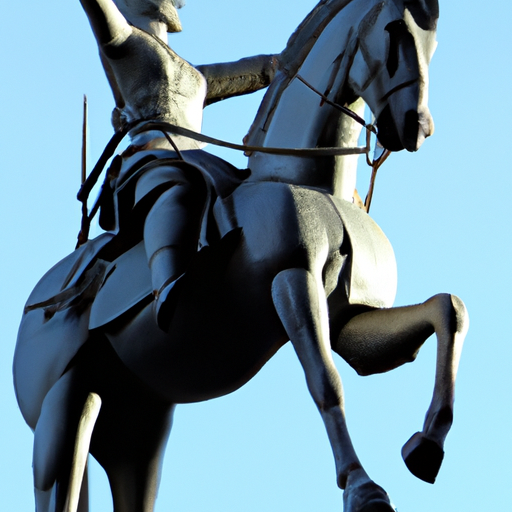
Der Blaue Reiter, meaning The Blue Rider, was an art movement that emerged in the early 20th century, particularly in Germany from 1911 to 1914. It was founded by Wassily Kandinsky and Franz Marc as an expressionist and avant-garde movement. The style was characterized by a vibrant use of colors, particularly blue, and abstract forms. Der Blaue Reiter aimed to transcend materialism and explore the spiritual and emotional power of art. The movement gained fame for its groundbreaking exhibitions and its significant impact on the development of abstract art.
View StyleExplore Style
Dionisy is a Russian medieval Byzantine style of icon painting that flourished in the 15th and 16th centuries. Known for its saturated colors, rich gold accents, and intricate detail, this style is famous for its religious subject matter and spiritual depth.
View StyleExplore Style
Emil Bisttram was a prominent American artist known for his modernist paintings with bold colors and geometric shapes. His work gained recognition in the 1930s and 1940s for its spiritual and mystical qualities.
View StyleExplore Style
Emily Carr was a Canadian artist known for her uniquely expressive and spiritual style of painting. She primarily worked in the early to mid 20th century, capturing the landscapes and indigenous cultures of the Pacific Northwest. Her bold use of color and dynamic brushwork set her apart from her peers.
View StyleExplore Style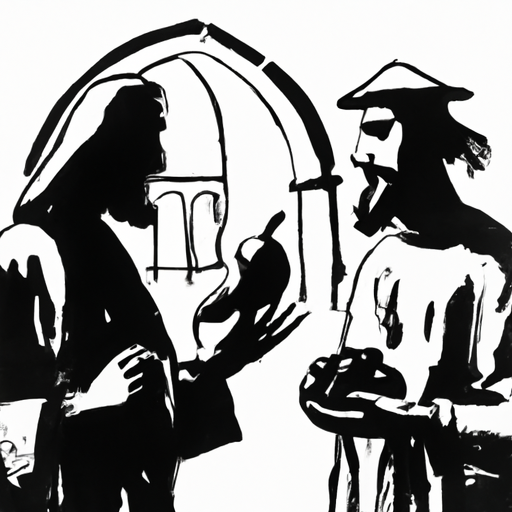
Enzo Cucchi is an Italian artist known for his contribution to the Transavanguardia movement in the 1980s. His visual style is characterized by expressive and symbolic imagery, often featuring primitive and mythological elements. Cucchi's works are highly personal and imbued with spiritual and emotional themes. His use of bold colors, strong brushwork, and rough texture creates a raw and vibrant atmosphere. Cucchi's works gained international recognition in the 1980s, especially during the Biennale exhibitions, and he became an influential figure in Italian contemporary art.
View StyleExplore Style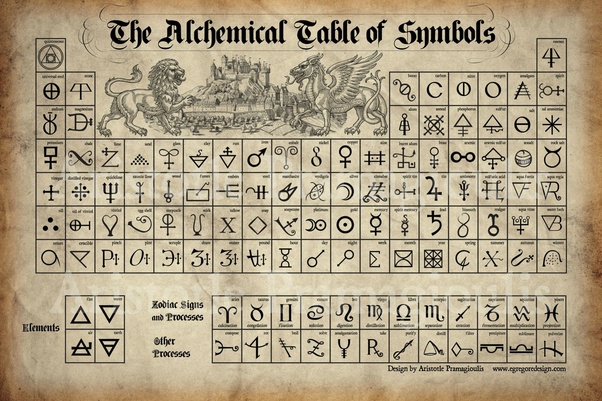
Esoteric Symbolism is a visual style that emerged in the late 19th and early 20th centuries, characterized by the use of occult symbols, mysticism, and hidden meanings in art. This style is famous for its deep spiritual and philosophical connotations.
View StyleExplore Style
Fra Angelico, also known as Beato Angelico, was an Italian painter of the early Renaissance. He is known for his delicate and harmonious paintings, characterized by bright colors and ethereal figures. His works from the 14th and 15th centuries are renowned for their spiritual and religious themes, depicting scenes from the Bible and the lives of saints. Fra Angelico's use of light and shadow, meticulous attention to detail, and his ability to convey a sense of transcendence made him one of the most famous artists of his time.
View StyleExplore Style
George Frederick Watts was a British painter and sculptor known for his powerful and evocative portraits and allegorical works. His style is characterized by dramatic lighting, expressive brushwork, and a romantic and spiritual quality. Watts became famous for his symbolic and allegorical paintings, often drawing from mythology, literature, and religious themes.
View StyleExplore Style
Guru Nanak Dev Ji style encompasses intricate illustrations of Sikh gurus and important religious symbols. It became famous in the early 16th century for its spiritual and detailed artwork.
View StyleExplore Style
Heian Period, from 794 to 1185, was a distinctive visual style in Japanese art and culture known for its elegance and refinement. It was a time of peace and prosperity, allowing for the flourishing of art, literature, and architecture. This period is particularly famous for its courtly aesthetics, characterized by graceful, delicate depictions and a love for beauty. The art of this era often featured aristocratic themes, including scenes from court life, exquisite landscapes, and refined portraits of nobles. The meticulous attention to detail and the emphasis on the spiritual and ethereal qualities of the subjects were central to the Heian Period style.
View StyleExplore Style
Herb Kawainui Kane was a renowned Hawaiian artist known for his detailed historical paintings of Hawaiian and Polynesian culture. His work gained fame in the mid-20th century for capturing the beauty and spirit of the islands.
View StyleExplore Style
Hilma Af Klint was a Swedish artist known for her abstract and spiritual paintings. She was a pioneer in the abstract art movement, creating large-scale works filled with vibrant colors and intricate geometric shapes.
View StyleExplore Style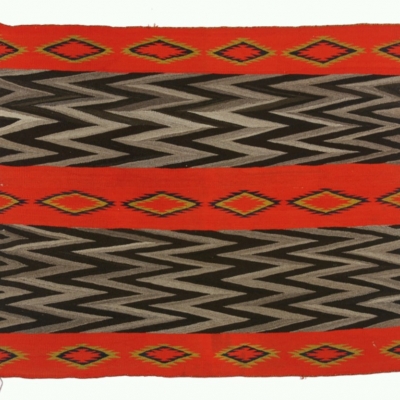
Huichol art is a style of Indigenous art created by the Huichol people of Mexico. It is known for its intricate and colorful beadwork and yarn paintings, depicting religious and spiritual motifs. This art form gained international recognition in the 1960s.
View StyleExplore Style
The Huichol People visual style is characterized by intricate and colorful beadwork and yarn art. This traditional art form has been practiced by the Huichol People of Mexico for centuries, but gained international recognition in the mid-20th century for its vibrant designs and spiritual significance.
View StyleExplore Style
Indian Abstract Art emerged in the mid-20th century as artists embraced non-representational forms and experimented with vibrant colors and geometric shapes, drawing inspiration from ancient spiritual and cultural traditions.
View StyleExplore Style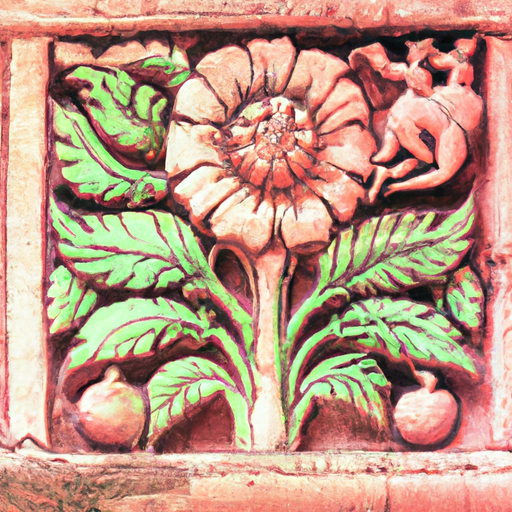
Indian art is characterized by vibrant colors, intricate patterns, and a rich cultural heritage that dates back thousands of years. From ancient cave paintings to modern interpretations, Indian art showcases a deep spiritual connection with nature and diverse cultural influences.
View StyleExplore Style
Indian artists draw inspiration from a rich cultural heritage that spans thousands of years. Known for vibrant colors, intricate patterns, and spiritual themes, Indian art has gained international recognition for its unique style.
View StyleExplore Style
Indian Classical Art refers to a rich tradition of artwork that originated in ancient India and has been practiced for centuries. Characterized by intricate details, vibrant colors, and spiritual themes, this style reached its peak during the Gupta period (4th to 6th centuries AD) and remains influential in contemporary Indian art.
View StyleExplore Style
Ivan Mestrovic was a Croatian sculptor known for his powerful and emotive figurative work. Active in the early 20th century, his style is characterized by its realism, dynamism, and spiritual depth, often focusing on themes of humanity and suffering.
View StyleExplore Style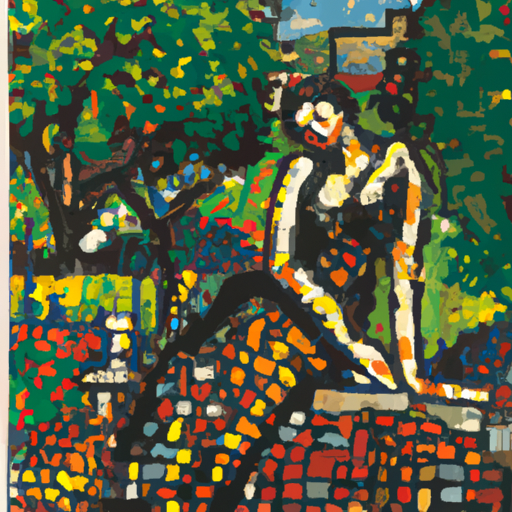
Jan Toorop was a Dutch visual artist known for his unique visual style that emerged in the late 19th and early 20th centuries. His style is characterized by decorative and symbolic elements, with a focus on flowing lines and a sense of spirituality. Toorop became famous for his use of 'pointillism', a technique where small dots or strokes of paint are applied to a surface to create an image. This technique gave his artworks a distinctive and vibrant appearance. The years of importance for Toorop's style are from the late 19th century to the early 20th century, where he played a significant role in the European art scene.
View StyleExplore Style
Kandinsky is a visual style developed by the Russian artist Wassily Kandinsky. It emerged in the early 20th century, particularly between 1910 and 1914, and is known for its abstract and non-representational nature. Kandinsky believed in the power of color and form to evoke emotions and spiritual experiences. His use of bold, vibrant colors, geometric shapes, and dynamic compositions made this style famous. Kandinsky's groundbreaking artworks, like 'Composition VII' and 'On White II', challenged traditional notions of art and paved the way for abstract expressionism.
View StyleExplore Style
Kathy Klein is known for creating intricate and vibrant mandala designs in nature. Her work gained popularity in the early 2000s for its unique blend of spirituality and artistry.
View StyleExplore Style
Laraaji is a visual style characterized by bright and colorful psychedelic imagery, often incorporating celestial and spiritual themes. This style became popular in the 1970s and is known for its integration of music and meditation into the visual art.
View StyleExplore Style
A style of Chinese painting practiced by educated scholars and elite members of society in the Ming and Qing dynasties. Emphasizes intellectualism, simplicity, and spirituality.
View StyleExplore Style
Maori art is the traditional art of the indigenous Maori people of New Zealand. It is characterized by intricate designs, patterns, and symbolism that reflect the spiritual beliefs and cultural identity of the Maori. This art form became famous in the 19th century as Maori artists began creating works for European collectors and tourists.
View StyleExplore Style
Martina Hoffman's visual style is characterized by intricate, surreal and mystical imagery that blurs the line between reality and the subconscious. Her work often features detailed, psychedelic and dreamlike scenes, drawing inspiration from spiritual and esoteric themes. Hoffman's style rose to fame in the late 20th and early 21st centuries for its unique blend of fine art, surrealism, and visionary aesthetics.
View StyleExplore Style
The sculptures at Maya Devi Temple in Lumbini, Nepal, dating back to the 3rd century BCE, are known for their intricate details and spiritual significance.
View StyleExplore Style
Minnie Evans was an African American folk artist known for her vibrant and intricate drawings filled with spiritual and mystical symbols. Her work became famous in the 1960s for its unique blend of abstract and representational forms.
View StyleExplore Style
Native American art encompasses a wide range of styles reflecting the diverse cultures and traditions of Indigenous peoples in North America. It has a rich history dating back thousands of years and is characterized by vibrant colors, intricate patterns, and representations of nature, animals, and spiritual beliefs.
View StyleExplore Style
Nicholas Roerich was known for his mystical and spiritually inspired landscapes, characterized by vivid colors, intricate patterns, and ethereal light. Active in the early 20th century, Roerich's work often depicted scenes from Russian folklore and mythology, as well as Himalayan landscapes.
View StyleExplore Style
The Pskov School of Iconography emerged in the late 12th century in the city of Pskov, Russia. Known for its distinctive use of vibrant colors, ornate patterns, and detailed facial expressions, it reached its peak in the 14th and 15th centuries, creating icons that are highly esteemed for their spiritual and artistic significance.
View StyleExplore Style
Rastafarian Art is a vibrant and colorful style that emerged in the 20th century, inspired by the Rastafarian religious and cultural movement from Jamaica. It often features bold and symbolic imagery of elements such as the Lion of Judah, Ethiopian colors, and references to Marcus Garvey and Haile Selassie.
View StyleExplore StyleReza Shah-Kazemi is a contemporary artist known for his mystical and abstract paintings that blend elements of calligraphy and vibrant colors. His work reflects a spiritual journey and explores the intersection of traditional Islamic art with modern techniques.
View StyleExplore Style
Rosicrucianism is a spiritual and mysterious visual style that emerged in the early 17th century. It is characterized by intricate symbols, esoteric imagery, and alchemical motifs inspired by the Rosicrucian Order.
View StyleExplore Style
Russian Icon Painters style emerged in medieval Russia, characterized by religious subject matter, flat compositions, and vibrant colors. This style became famous for its spiritual significance and influence on Russian culture.
View StyleExplore Style
Russian Icon Painting is a distinctive and highly revered style of religious painting that emerged in Russia during the Byzantine period and reached its peak during the 15th and 16th centuries. These icons are deeply rooted in the Eastern Orthodox Christian tradition and are characterized by their spiritual and mystical quality. The use of rich colors, intricate detailing, and gold leaf embellishments are important features of this style. Russian Icon Painting is famous for its portrayal of religious figures and scenes, including saints, biblical stories, and the Virgin Mary. This art form served as a primary tool for religious instruction, meditation, and spiritual devotion.
View StyleExplore Style
Shitao was a Chinese painter of the Qing Dynasty known for his expressive and abstract landscapes and Buddhist imagery. His style was characterized by loose, calligraphic brushwork and a spiritual interpretation of nature.
View StyleExplore Style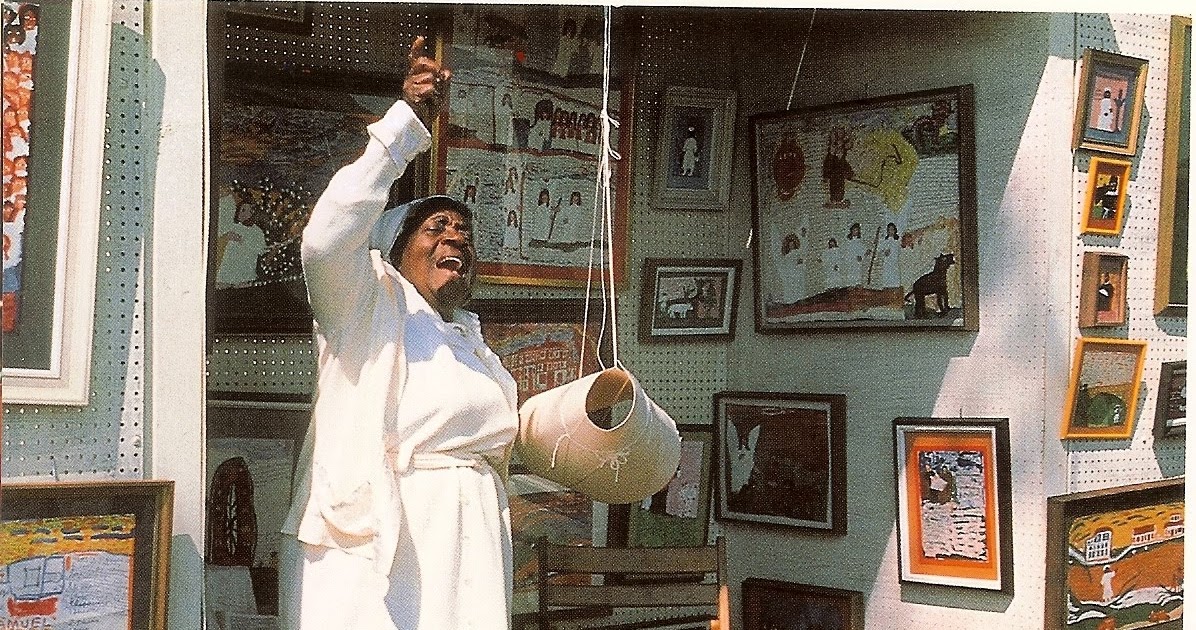
Sister Gertrude Morgan was an American self-taught artist known for her vibrant and spiritual paintings created in the 1960s and 1970s. Her work often featured colorful depictions of biblical scenes and religious figures.
View StyleExplore Style
Sohrab Sepehri was an Iranian poet and painter known for his abstract and minimalist paintings inspired by nature. His style emerged in the mid-20th century and gained popularity for its spiritual and contemplative qualities.
View StyleExplore Style
Syed Haider Raza was a prominent Indian artist known for his vibrant color palette, geometric shapes, and spiritual themes. His style evolved from early landscapes to later abstract works, with a focus on the Bindu symbol. Raza's work became famous for blending Indian artistic traditions with European Modernism.
View StyleExplore Style
Symbolism is an artistic movement that emerged in late 19th century Europe. It reached its peak between 1885 and 1900, gaining fame for its exploration of mystical and symbolist themes. Symbolism was a reaction against the increasing industrialization of society and sought to convey deeper meanings through the use of symbols and allegories. This style is characterized by its emphasis on imagination, subjective emotions, and the spiritual realm. Artists employed vivid colors, dreamlike imagery, and unconventional compositions to express their inner thoughts and emotions.
View StyleExplore Style
Symbolist Art emerged in the late 19th century as a reaction against realism, emphasizing the use of symbols to convey deeper meanings and emotions. Influenced by dreams, mysticism, and the subconscious, Symbolist Art sought to evoke a sense of the unknown and the spiritual.
View StyleExplore Style
Transcendental Painting Group was active from 1938 to 1944 and was famous for their abstract, spiritual, and metaphysical art. Artists in this group aimed to create works that transcended the physical world and explored the connection between art and spirituality.
View StyleExplore Style
Transcendentalism was an American philosophical and artistic movement in the early to mid-19th century that emphasized the spiritual over the material, individuality, and intuition. It sought to transcend the limits of intellect and allow for a deeper connection with nature and oneself.
View StyleExplore Style
Wu Li style, originating in China during the Ming and Qing dynasties, focuses on the use of brushwork, subtle colors, and symbolic images to convey philosophical ideas and spiritual concepts. This style became famous for its blend of simplicity and complexity in representation.
View StyleExplore Style
The Wu School of Painting, active during the Ming and Qing dynasties in China, is known for its meticulous brushwork, refined composition, and emphasis on capturing the spirit of the subject. It was famous for its association with literati painters and their scholarly pursuits.
View StyleExplore Style