StylopediaStylopedia

Speed styles on Stylopedia

A visual encyclopedia of speed styles – use as prompt inspiration for Midjourney, Gemini, or ChatGPT AI when making speed images

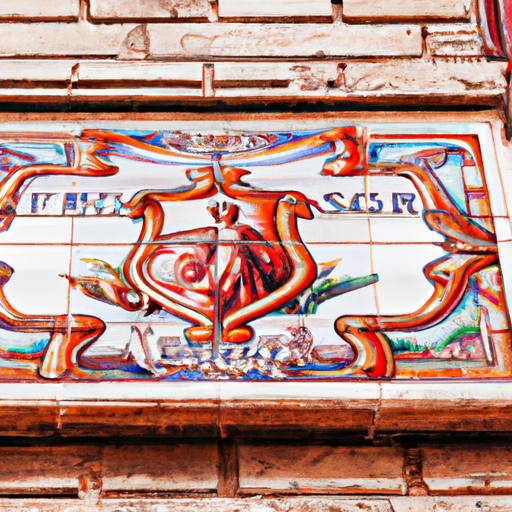
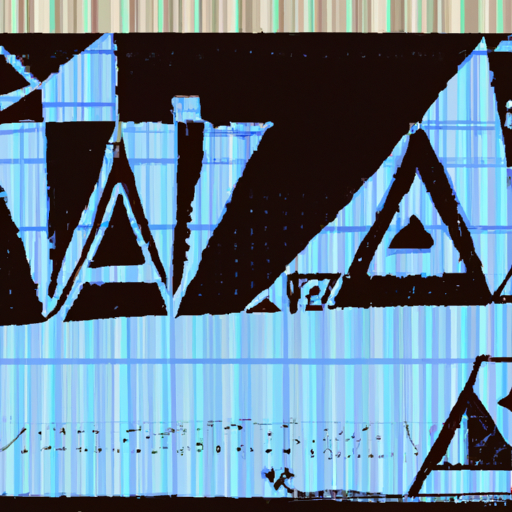
Example of visual style of Filippo Tommaso Marinetti

Filippo Tommaso Marinetti

Filippo Tommaso Marinetti was an Italian poet, artist, and founder of the Futurist movement. The Futurist style emerged in the early 20th century, particularly between 1909 and 1916. Marinetti believed in the rejection of the past and the celebration of modernity, speed, technology, and industrialization. With a focus on dynamism, movement, and energy, Marinetti's style sought to capture the fast-paced nature of the modern world. He expressed his ideas through various mediums, including painting, sculpture, literature, music, and performance. His passionate manifesto, 'The Futurist Manifesto' published in 1909, gained significant attention and marked the beginning of the movement, making him and his style famous.

View StyleExplore Style
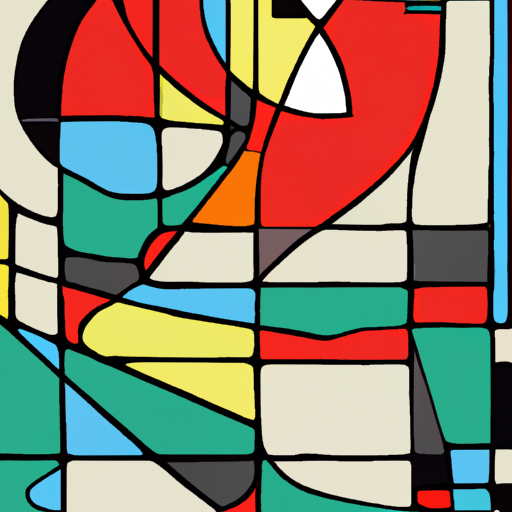
Example of visual style of Futurism

Futurism

Futurism was an artistic and social movement that originated in Italy in the early 20th century, particularly emphasizing speed, technology, youth, and violence. It emerged as a response to the rapid growth in industrialization and scientific advancements of the time. Futurism glorified modernity, dynamism, and the machine age, reflecting a fascination with the future and a rejection of traditional artistic and social conventions. Notable years for Futurism were 1909-1914, with its peak in popularity around 1910. This style was made famous by artists such as Umberto Boccioni, Giacomo Balla, and Gino Severini.

View StyleExplore Style
Example of visual style of Futurism Movement

Futurism Movement

Futurism was an artistic and social movement that emerged in Italy in the early 20th century. It was founded by the poet Filippo Tommaso Marinetti in 1909. Futurism celebrated modernity, technology, and the dynamism of the modern world. It aimed to capture the energy and speed of the fast-paced urban life that was prevalent during the industrial revolution. The movement was famous for its emphasis on movement, speed, and the portrayal of the mechanical and industrial aspects of society. It rejected traditional artistic forms and embraced new materials and techniques. Futurism reached its peak in popularity during the years 1909-1914.

View StyleExplore Style
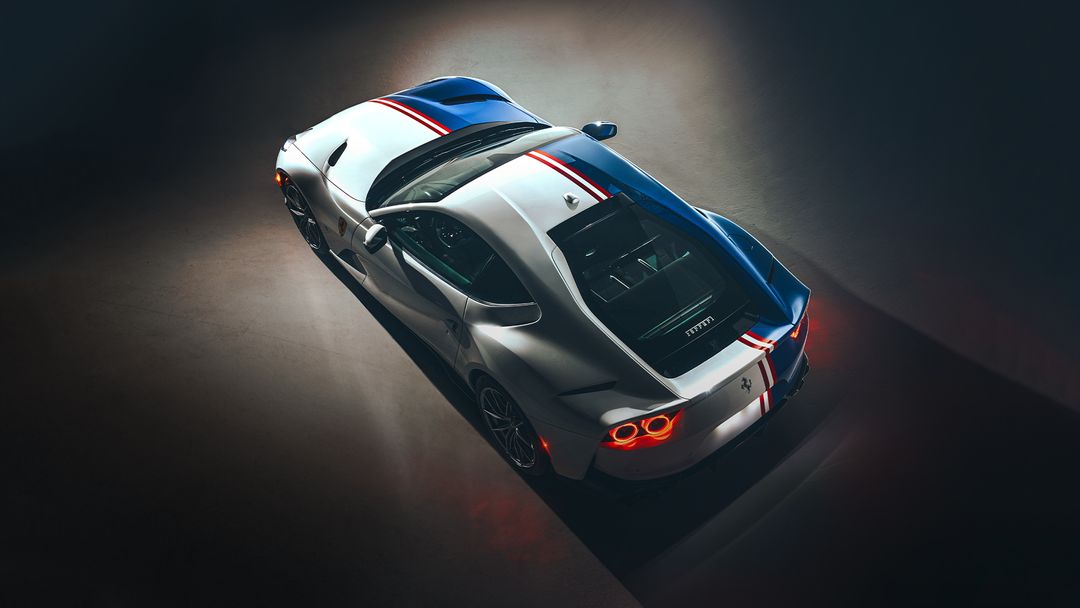
Example of visual style of Futurist Neo Metropolis

Futurist Neo Metropolis

Futurist Neo Metropolis is a visual style that emerged in the early 20th century, specifically between 1909 and 1944. It was made famous by artists and designers who envisioned a futuristic and utopian urban environment. This style is characterized by its dynamic and geometric shapes, streamlined architecture, bold and vibrant colors, and the integration of technology and machinery into everyday life. Futurist Neo Metropolis emphasizes progress, speed, and the idea of a highly advanced and efficient cityscape.

View StyleExplore Style
Example of visual style of Gino Severini

Gino Severini

Gino Severini was an Italian painter and a leading figure of the Futurist movement. His visual style is characterized by vibrant colors, fragmented forms, and dynamic compositions. Severini was active from the early 20th century, particularly in the years between 1910 and 1920. He is famous for his involvement in the Futurist movement, which sought to capture the speed, energy, and dynamism of modern life through art. Severini's use of bold colors and geometric shapes, combined with his emphasis on movement and rhythm, created a visual language that reflected the fast-paced industrial society of the time.

View StyleExplore Style
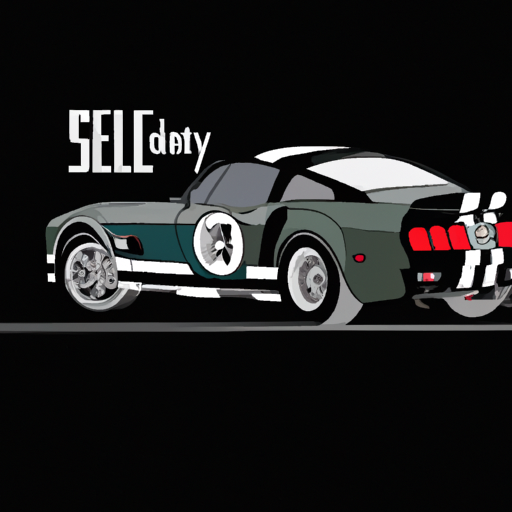
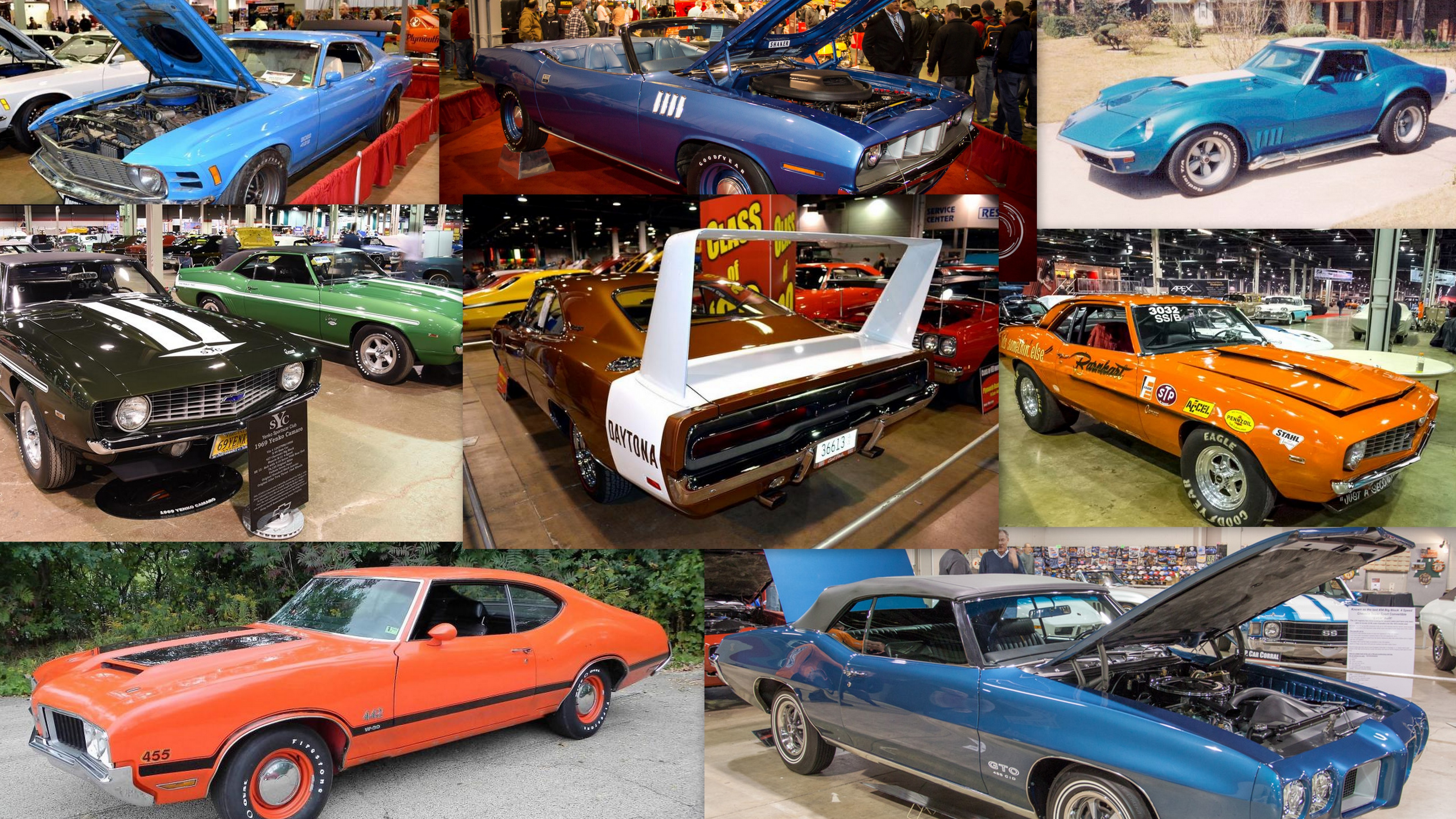
Example of visual style of Hot Rod Art

Hot Rod Art

Hot Rod Art is a vibrant and dynamic visual style that emerged in the United States in the 1950s. It gained popularity during the 1960s and continues to be prominent today. This style is famous for its bold colors, highly detailed and exaggerated illustrations, and the depiction of modified cars known as 'hot rods'. Hot Rod Art often features custom paint jobs, flame motifs, and intricate pin-striping techniques. It celebrates the spirit of American car culture, speed, and individuality.

View StyleExplore Style
Example of visual style of Italian Futurism

Italian Futurism

Italian Futurism was an avant-garde movement in the early 20th century that emerged in Italy. It celebrated modernity, speed, technology, and the future. It was founded in 1909 by Filippo Tommaso Marinetti. Italian Futurism gained fame for its energetic and dynamic compositions, depicting movement, machinery, and the energy of modern life. It was characterized by bold colors, fragmented forms, and a sense of speed and motion. The movement was highly influential and had a significant impact on the development of modern art.

View StyleExplore Style
Example of visual style of Richard Rawlings

Richard Rawlings

The visual style of Richard Rawlings is characterized by bold, edgy and contemporary designs. It became famous in the late 2000s when Rawlings gained popularity as the host of the television show 'Fast N' Loud'. His style is heavily influenced by automotive culture, featuring vibrant colors, sleek lines, and intricate detailing. Rawlings' designs often incorporate elements of speed, power, and innovation, reflecting his passion for custom cars and motorcycles.

View StyleExplore Style

Example of visual style of Sonic Team

Sonic Team

Sonic Team is a visual style that emerged in the 1990s and became famous for its vibrant and energetic design aesthetic. It originated from the video game company Sega's development team called Sonic Team, known for creating the popular Sonic the Hedgehog series. The style is characterized by its bold use of bright colors, sleek and futuristic designs, and a sense of speed and movement. It combines elements of Japanese pop culture, manga, and techno-futurism to create a visually dynamic and captivating experience.

View StyleExplore Style

Example of visual style of Yuji Naka

Yuji Naka

Yuji Naka is a Japanese video game designer known for his distinctive visual style that emerged in the 1990s. His work during this period helped shape the look and feel of iconic video game franchises such as Sonic the Hedgehog. Naka's style is characterized by vibrant and colorful graphics, detailed and exaggerated character designs, and a sense of speed and fluidity in gameplay. His focus on creating immersive and visually stunning worlds made his games instantly recognizable and influential in the gaming industry.

View StyleExplore Style
Home