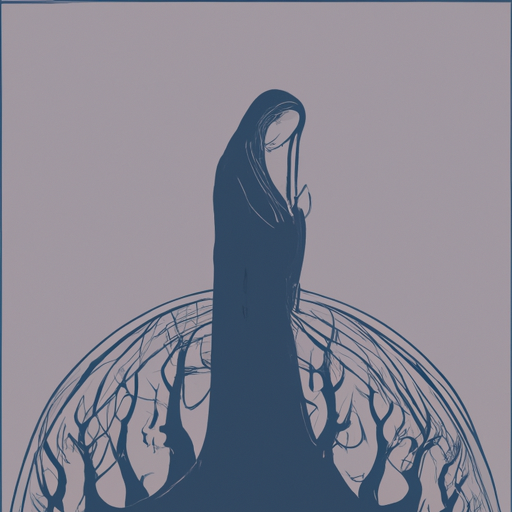
StylopediaStylopedia

Special effects styles on Stylopedia

A visual encyclopedia of special effects styles – use as prompt inspiration for Midjourney, Gemini, or ChatGPT AI when making special effects images

Example of visual style of Fantasy Films

Fantasy Films

Fantasy Films is a visual style that focuses on creating magical and imaginative worlds through the use of special effects and otherworldly elements. This style became famous in the early 20th century with the advent of cinema and the desire to transport audiences into fantastical realms. It gained popularity with iconic films such as The Wizard of Oz (1939) and later with franchises like The Lord of the Rings (2001-2003) and Harry Potter (2001-2011). Through the use of enchanting settings, mythical creatures, and epic narratives, fantasy films captivate viewers with their ability to suspend reality and immerse audiences in extraordinary storytellings.

View StyleExplore Style
Example of visual style of John Chambers

John Chambers

John Chambers is a visual style that emerged in the late 1960s and gained popularity in the 1970s. It is named after John Chambers, an iconic Hollywood makeup artist known for his groundbreaking work in film and television. This style transformed the way characters were visually portrayed on screen, using intricate prosthetics, masks, and special effects makeup to create lifelike and extraordinary appearances. Chambers revolutionized the industry through his innovative techniques and created iconic looks in movies like 'Planet of the Apes' (1968) and 'Star Trek: The Motion Picture' (1979), which made this style famous.

View StyleExplore Style
Example of visual style of Michael Bay

Michael Bay

The Michael Bay visual style is known for its high-octane action sequences, explosive special effects, and fast-paced editing. This style became popular in the late 1990s and early 2000s through movies like 'Armageddon' and 'Bad Boys'. Michael Bay's signature style includes sweeping camera movements, saturated colors, and dramatic lighting. In his films, the visual style often takes precedence over the story, creating a visually stunning and intense cinematic experience.

View StyleExplore Style
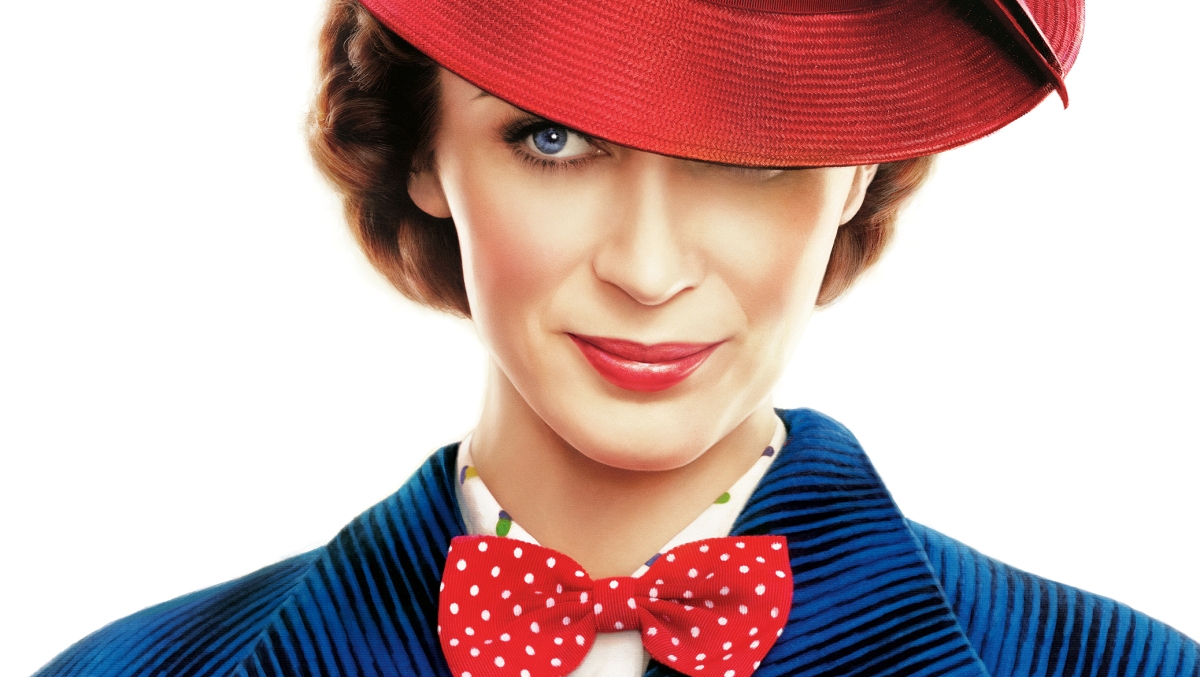
Example of visual style of Robert Zemeckis

Robert Zemeckis

Robert Zemeckis is known for his innovative visual style in filmmaking, particularly in the use of advanced special effects and technology. His style is characterized by seamless integration of live-action footage with computer-generated imagery, pushing the boundaries of visual storytelling. Zemeckis rose to fame in the 1980s and 1990s through films like 'Back to the Future' (1985) and 'Forrest Gump' (1994), which showcased groundbreaking visual techniques and won multiple Academy Awards. His style became famous for its ability to transport audiences into fantastical worlds and blend reality with fantasy.

View StyleExplore Style
Example of visual style of Stan Winston

Stan Winston

The Stan Winston style is known for its groundbreaking special effects and creature designs, primarily in the field of film. This visual style emerged in the late 1970s and became widely recognized during the 1980s and 1990s. Stan Winston, a renowned American visual effects artist, and makeup supervisor, popularized this style through his work on iconic films such as 'Aliens' (1986), 'Predator' (1987), and 'Jurassic Park' (1993). Winston's expertise in sculpting, animatronics, and prosthetics revolutionized the industry and set new standards for realistic and memorable creature designs on the silver screen.

View StyleExplore Style
Example of visual style of The Thing

The Thing

The visual style of 'The Thing' is characterized by a blend of horror and science fiction themes, creating a sense of suspense and paranoia. It became famous for its realistic and gruesome special effects, which were way ahead of its time. Released in 1982, John Carpenter's 'The Thing' gained recognition for its revolutionary use of practical effects, remarkable creature design, and shocking visual imagery. The film's chilling atmosphere and tension-building cinematography contributed to its cult following and enduring influence on the horror genre.

View StyleExplore Style
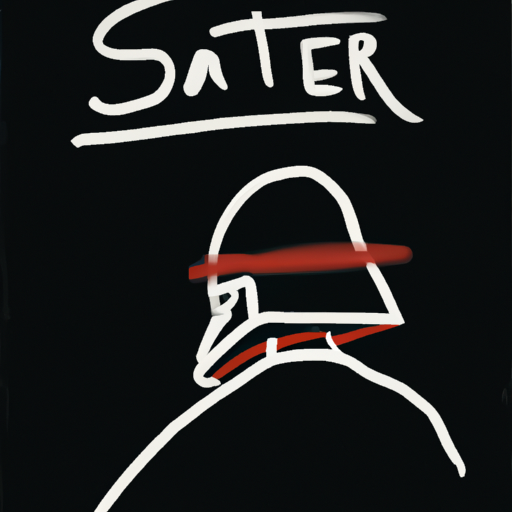
Example of visual style of The Wachowskis

The Wachowskis

The Wachowskis visual style is characterized by its innovative and boundary-pushing approach to filmmaking. With a focus on blending visually stunning imagery and cutting-edge special effects, their style came to prominence in the late 1990s and early 2000s. They rose to fame with their groundbreaking movie 'The Matrix' in 1999, which revolutionized action filmmaking with its bullet-time sequences and dystopian visuals. The Wachowskis are known for their imaginative worlds, dark atmospheres, and intricate storytelling.

View StyleExplore Style
Home