
Apollo 11
The visual style of Apollo 11 is characterized by futuristic and space-age design elements. Popularized in the 1960s through its association with the historic moon landing mission by NASA.
View StyleExplore Style Stylopedia
A visual encyclopedia of space-age styles – use as prompt inspiration for Midjourney, Gemini, or ChatGPT AI when making space-age images
The visual style of Apollo 11 is characterized by futuristic and space-age design elements. Popularized in the 1960s through its association with the historic moon landing mission by NASA.
View StyleExplore Style
Bootsy Collins visual style is funky, colorful and extravagant. Known for his space-age inspired costumes, platform boots, oversized sunglasses, and eclectic hats, Bootsy's style was a mix of 1970s glam and futuristic funk.
View StyleExplore Style
The visual style of George Jetson is a futuristic and space-age design aesthetic popularized in the 1960s through the animated TV show 'The Jetsons'. It features sleek lines, bright colors, and innovative technology.
View StyleExplore Style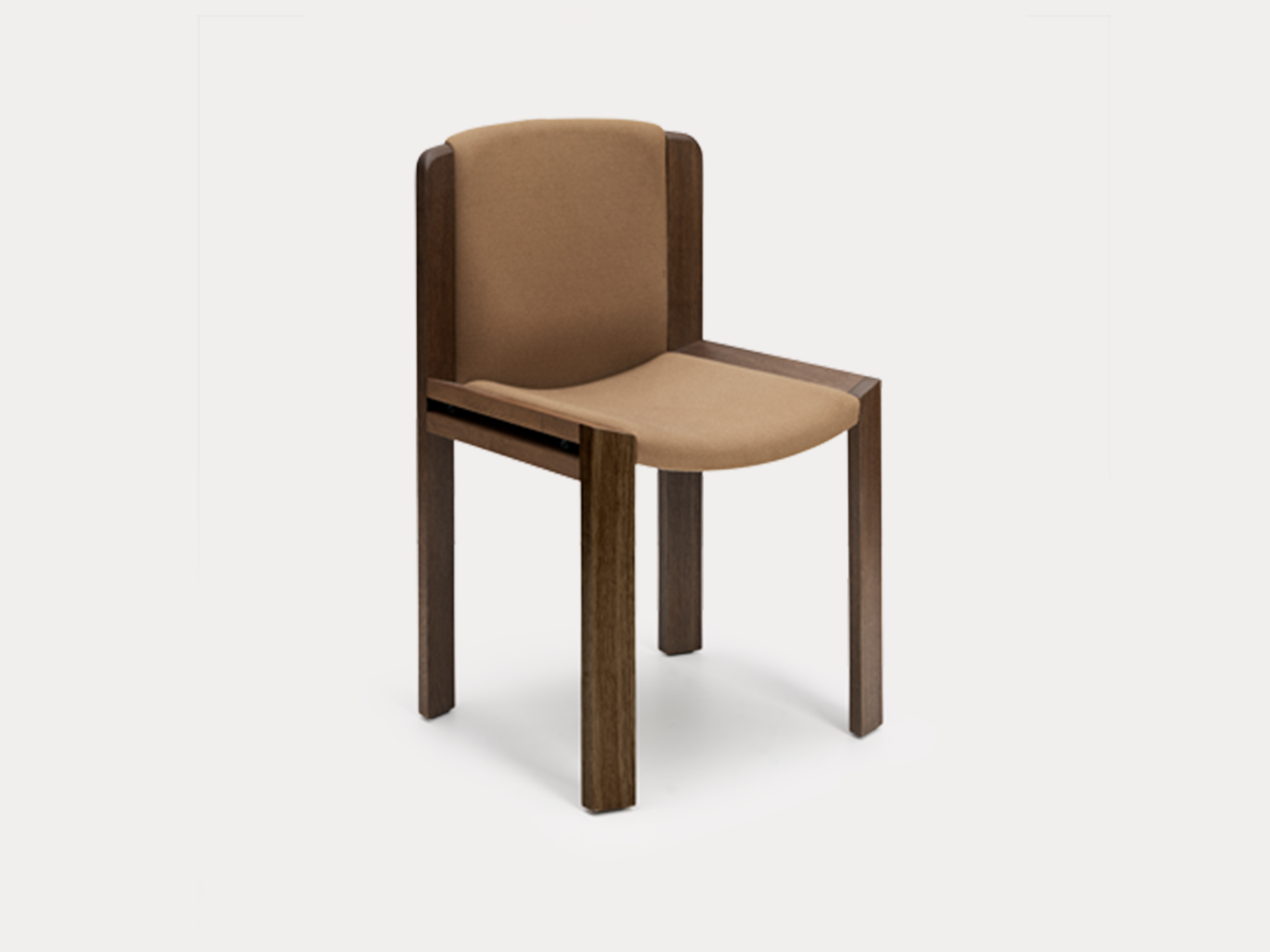
Joe Colombo was an innovative Italian designer in the 1960s known for his futuristic and space-age designs that combined functionality with cutting-edge materials and technology.
View StyleExplore Style
The John Glenn visual style is characterized by a sleek and futuristic aesthetic, inspired by the space age and mid-century design. Popularized in the 1960s, this style features clean lines, metallic finishes, and a focus on functionality and minimalism.
View StyleExplore Style
The Lockheed Lounge is a futuristic style of furniture designed by the Australian designer Marc Newson. It gained fame in the 1980s and 1990s for its innovative and aerodynamic form. The lounge is characterized by its sleek, polished aluminum body which resembles a space-age pod. Its unconventional design and use of materials made it a symbol of modernity and cutting-edge design.
View StyleExplore Style
Metallic accents refers to a design style that incorporates shiny metallic elements such as gold, silver, or bronze into the overall aesthetic. This trend became popular in the 1960s with the rise of futuristic and space-age design.
View StyleExplore Style
Mid Century Science Fiction refers to the visual style of science fiction art and design from the mid 20th century, particularly between 1940s and 1960s. Known for its sleek lines, futuristic technology, and optimistic view of the future.
View StyleExplore Style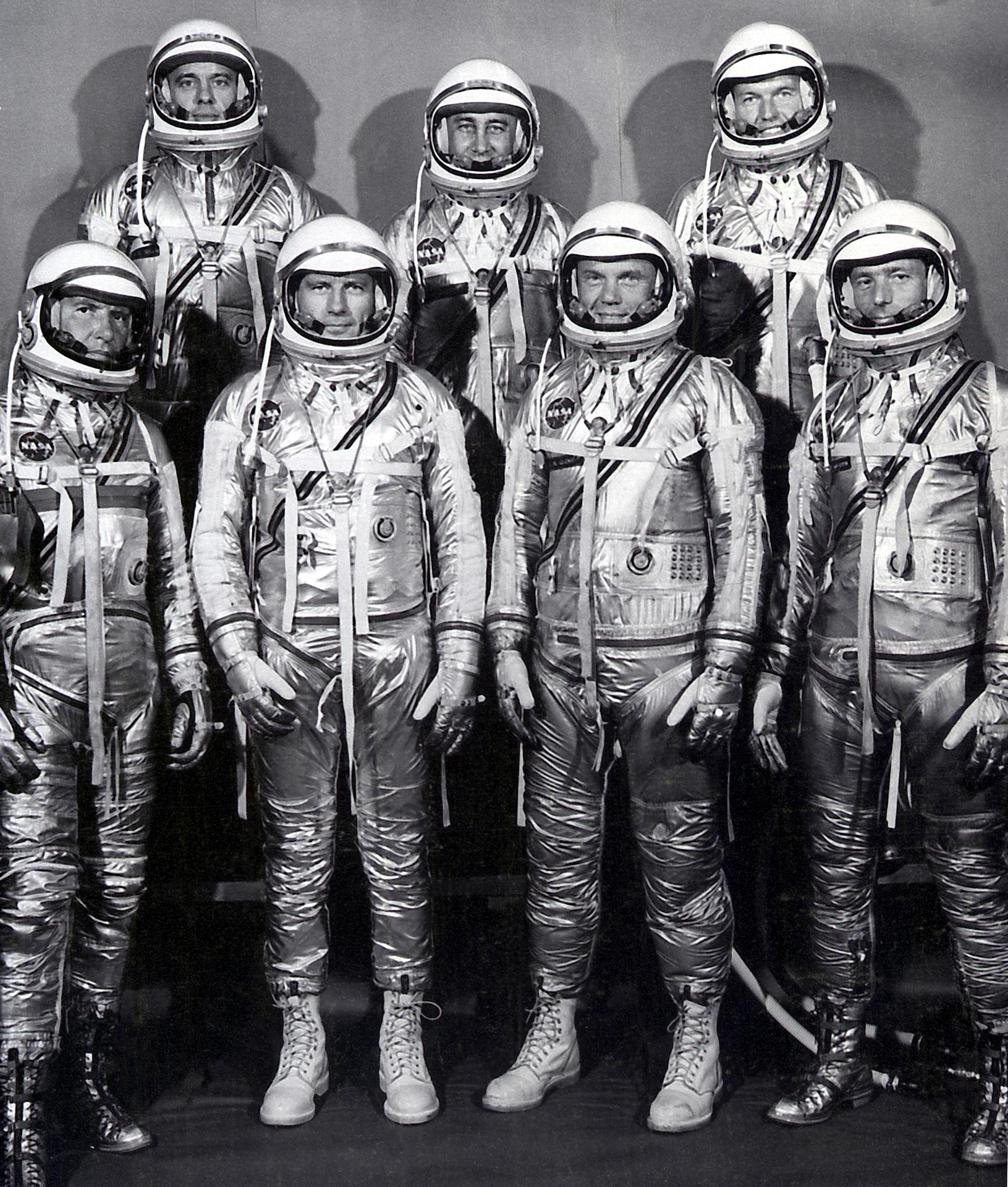
NASA's Project Mercury was the first human spaceflight program of the United States from 1958 to 1963. This visual style is characterized by sleek and modern design elements inspired by the Space Age.
View StyleExplore Style
Sergei Korolev was a Soviet rocket engineer and spacecraft designer, known for his work on the Sputnik and Vostok missions in the 1950s and 1960s. His visual style is characterized by sleek, futuristic designs with a focus on functionality and efficiency.
View StyleExplore Style
Space Race is a visual style inspired by the competition between USA and USSR in the 1950s and 60s to explore outer space. Characterized by futuristic and technological elements, it became famous for its sleek designs and space-age aesthetic.
View StyleExplore Style
Sputnik Style emerged in the late 1950s and was inspired by the Soviet Union's launch of the Sputnik satellite. It featured futuristic, space-age designs and materials, often characterized by geometric shapes and metallic finishes.
View StyleExplore Style
The Jetsons is a popular animated visual style that was prominent in the 1960s. It is famous for its futuristic and space-age portrayal of technology and design. The style became renowned for its portrayal of a utopian future where robots, flying cars, and high-tech gadgets were commonplace in everyday life. It captured the imagination of viewers with its optimistic and whimsical vision of how life could be in the future.
View StyleExplore Style
The Neptunes visual style emerged in the late 1990s and early 2000s, characterized by a futuristic and space-age aesthetic. Known for their innovative production in music videos, album covers, and fashion, The Neptunes style became famous for its bold colors, geometric shapes, and sleek designs.
View StyleExplore Style
Verner Panton was a Danish designer known for his avant-garde and futuristic designs in the 1960s and 1970s. His style was characterized by vibrant colors, geometric patterns, and unconventional forms. Panton's innovative use of materials, such as molded plastic and inflatable structures, revolutionized furniture and interior design. His iconic designs, like the Panton Chair and the Visiona exhibitions, became symbols of the Pop and Space Age movements.
View StyleExplore Style
Yuri Gagarin style is inspired by the early space exploration era, featuring futuristic and sleek designs influenced by the first human spaceflight in 1961. This style is known for its emphasis on technology, minimalism, and a sense of wonder.
View StyleExplore Style