StylopediaStylopedia

Sophistication styles on Stylopedia

A visual encyclopedia of sophistication styles – use as prompt inspiration for Midjourney, Gemini, or ChatGPT AI when making sophistication images

Example of visual style of Anna Wintour

Anna Wintour

Anna Wintour is a visual style that emerged in the late 20th century and continues to shape contemporary fashion. Famous for her role as the editor-in-chief of Vogue magazine since 1988, Wintour popularized and epitomized the fashion aesthetic of power dressing, sophistication, and trend-setting. Known for her signature bob haircut and oversized sunglasses, Wintour is a symbol of authority and influence in the fashion industry, bringing a mix of elegance, glamour, and meticulous attention to detail to her personal style and the pages of Vogue.

View StyleExplore Style
Example of visual style of Catherine Deneuve

Catherine Deneuve

Catherine Deneuve is a style characterized by elegance, sophistication, and timeless beauty. Known for her roles in French films during the 1960s and 1970s, Deneuve became a style icon with her signature polished and refined looks. Her style drew inspiration from the chic and glamorous fashion of the era, but with her own unique twist. Deneuve was famous for her sleek hairstyles, flawless makeup, and her ability to effortlessly exude an air of mystery and allure. Her fashion choices often featured tailored silhouettes, luxurious fabrics, and a combination of classic and avant-garde designs. Catherine Deneuve's style remains influential and continues to inspire fashion lovers around the world.

View StyleExplore Style
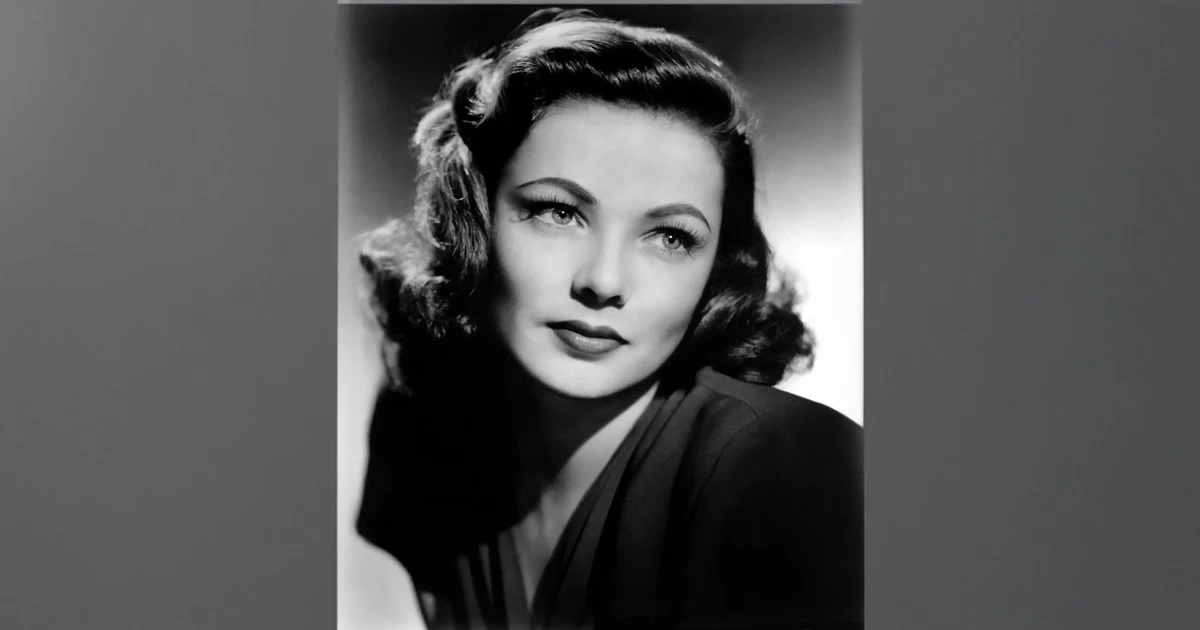
Example of visual style of David Tutera

David Tutera

David Tutera is a renowned event planner and designer who is known for his luxurious and extravagant style. He rose to fame in the late 1990s and early 2000s for his expertise in creating opulent and visually stunning events, particularly weddings. Tutera is famous for his attention to detail, impeccable taste, and ability to transform ordinary spaces into extraordinary experiences. His signature style is characterized by elegance, sophistication, and a blend of classic and contemporary elements. Tutera has become a household name in the event planning industry and continues to inspire and influence aspiring designers and planners worldwide.

View StyleExplore Style
Example of visual style of Giorgio Armani

Giorgio Armani

Giorgio Armani is a style known for its timeless elegance, sophistication, and minimalism. Founded in 1975 by Italian designer Giorgio Armani, this visual style became famous for revolutionizing men's and women's fashion. Armani introduced clean lines, neutral colors, and luxurious fabrics, creating a modern and understated aesthetic. The brand gained popularity in the 1980s with the iconic power-suit, which became a symbol of success and confidence. Armani's style has continued to evolve and innovate, always maintaining a sense of timeless and effortless charm.

View StyleExplore Style
Example of visual style of Givenchy

Givenchy

Givenchy is a luxurious and elegant visual style that was made famous by Hubert de Givenchy, a French fashion designer. Developed in the 1950s, Givenchy's style is characterized by clean lines, timeless silhouettes, and a blend of simplicity and sophistication. With his designs, Givenchy revolutionized women's fashion by introducing the concept of separates and the little black dress. He also dressed prominent figures like Audrey Hepburn, further popularizing his style. Givenchy's visual style remains influential, combining classic elements with modern details.

View StyleExplore Style
Example of visual style of Gregory Peck

Gregory Peck

The Gregory Peck visual style is inspired by the classic Hollywood era of the 1950s and 1960s, popularized by the iconic actor Gregory Peck. This style is characterized by sophisticated and timeless elegance, with an emphasis on tailored suits, crisp shirts, and polished accessories. The Gregory Peck style became famous during the height of Peck's career, particularly in films like 'Roman Holiday' (1953) and 'To Kill a Mockingbird' (1962), where he portrayed strong and honorable characters. This visual style epitomizes refined masculinity and has become synonymous with timeless Hollywood glamour.

View StyleExplore Style
Example of visual style of Haute Couture

Haute Couture

Haute Couture is a high-fashion style that emerged in the mid-19th century and continues to define luxury and exclusivity in the world of fashion. Originating in Paris, France, Haute Couture refers to custom-made, handcrafted garments that are created with exceptional attention to detail and craftsmanship. This style became famous during the 20th century, with notable years such as the 1920s and the post-World War II period. Haute Couture gained its reputation through its association with renowned fashion houses and designers like Chanel, Dior, and Balenciaga, who pushed the boundaries of creativity and revolutionized the industry. Characterized by its intricacy, innovation, and quality, Haute Couture has become synonymous with elegance, sophistication, and unparalleled luxury.

View StyleExplore Style
Example of visual style of Hermes Design

Hermes Design

Hermes Design is a luxurious and timeless visual style that gained prominence in the mid-20th century. It is named after the renowned French fashion and luxury brand, Hermes. This style is famous for its exquisite craftsmanship, refinement, and attention to detail. The design elements in Hermes Design often include clean lines, high-quality materials, and a balance between classical and modern aesthetics. It became particularly famous during the 1950s and 1960s, when the brand expanded its range beyond fashion accessories to include home decor and furnishings. The Hermes Design style exudes elegance, sophistication, and a sense of exclusivity.

View StyleExplore Style
Example of visual style of Hollywood Glamour

Hollywood Glamour

Hollywood Glamour is a visual style that emerged in the 1930s and reached its peak during the 1940s and 1950s. This style is known for its opulence, elegance, and sophistication, which became iconic in the Golden Age of Hollywood. The use of luxurious fabrics, elaborate costumes, and exquisite jewelry characterized this style. Hollywood Glamour became famous for its portrayal of movie stars and their glamorous lifestyles, capturing the imagination of audiences worldwide.

View StyleExplore Style
Example of visual style of Kate Spade

Kate Spade

The Kate Spade visual style is known for its bold and vibrant designs, characterized by bright colors, whimsical patterns, and playful prints. It emerged in the early 1990s and was made famous for its ability to capture the essence of New York City's lively and eclectic fashion scene. The style embraces classic silhouettes with a modern twist, combining sophistication and quirkiness. Kate Spade's designs exude a sense of fun and youthful energy, often incorporating elements of pop culture and nostalgic references. This visual style has become synonymous with chic and contemporary fashion.

View StyleExplore Style
Example of visual style of Louis XVI

Louis XVI

Louis XVI style, also known as Late Neoclassical or French Neoclassical, emerged in the late 18th century during the reign of King Louis XVI of France. It was prominent between 1780 and 1795. This style was popularized by the French monarch who sought to revive and refine the artistic elements of the Neoclassical movement. Louis XVI furniture is characterized by its elegance, sophistication, and delicate ornamentation, with intricate carvings, gilded accents, and fine upholstery. This style was famous for its symmetrical compositions, straight lines, and geometric shapes, drawing inspiration from ancient Greek and Roman architecture.

View StyleExplore Style
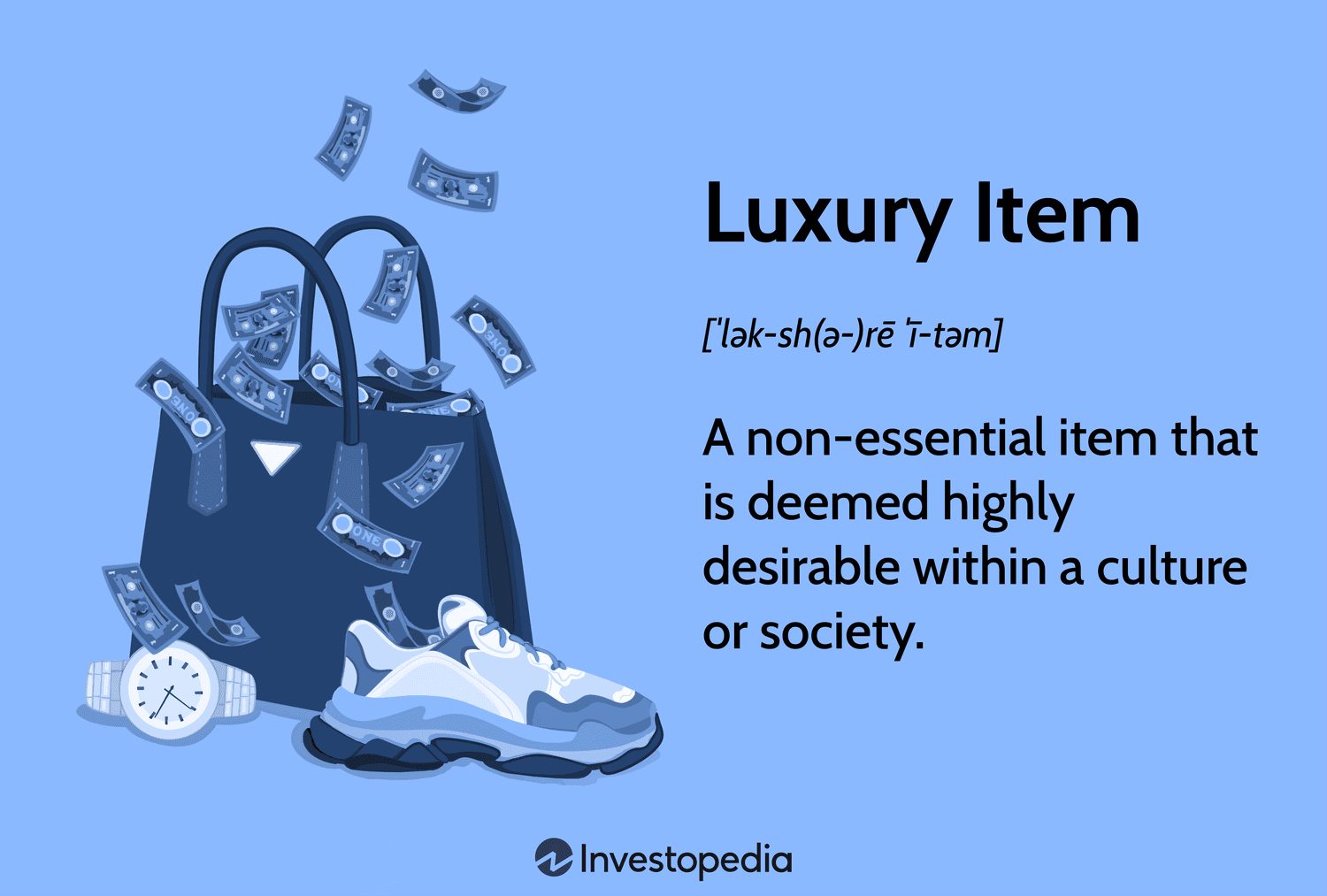
Example of visual style of Luxury Fashion

Luxury Fashion

Luxury Fashion is a visual style that represents opulence, elegance, and high quality. It emerged in the late 19th century and gained significant popularity during the 20th century. This style became famous for its creation of exclusive, handcrafted garments using the finest materials, such as silk, satin, and cashmere. Luxury Fashion is associated with prestigious fashion houses and designers who have set the standard for exquisite craftsmanship and unique designs. The style showcases meticulous attention to detail, elaborate embellishments, and an emphasis on perfect tailoring. It represents sophistication, exclusivity, and a symbol of status.

View StyleExplore Style
Example of visual style of Marquise De Pompadour

Marquise De Pompadour

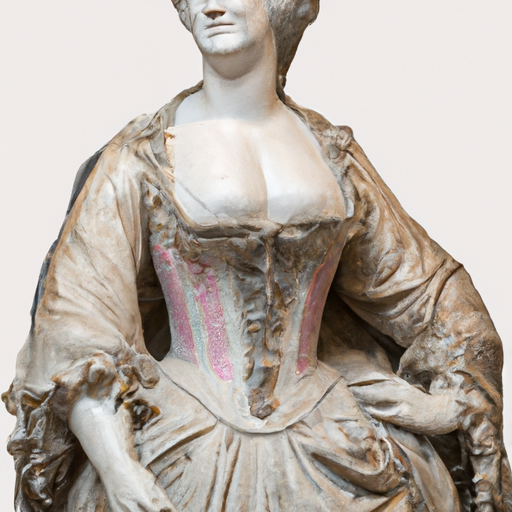
Marquise De Pompadour is a visual style that emerged during the mid-18th century in France. It is named after Jeanne Antoinette Poisson, the Marquise de Pompadour, who was the official chief mistress of King Louis XV of France. This style is known for its elegance, sophistication, and extravagant details. It flourished between the years of 1745 and 1755, during the Rococo period. The Marquise de Pompadour was a prominent patron of the arts and played a significant role in promoting the Rococo style, which became popular in Europe during her time. The visual style is characterized by its opulent and exquisite ornamentation, delicate pastel colors, asymmetrical compositions, curvaceous forms, and floral motifs.

View StyleExplore Style
Example of visual style of Minimalist Design

Minimalist Design

Minimalist Design is a visual style that emerged in the 1960s and became popular in the following decades. It is characterized by simplicity, clean lines, and a focus on essential elements. This style gained fame for its ability to convey a sense of elegance and sophistication through minimal means. By removing unnecessary details and reducing visual clutter, minimalist design allows the core elements to shine. It became famous for its influence in product design, architecture, and graphic design, with notable examples including the work of Dieter Rams and the designs of the Bauhaus school.

View StyleExplore Style
Example of visual style of Pebble Beach Concours Delegance

Pebble Beach Concours Delegance

Pebble Beach Concours Delegance is a visual style that originated in 1950 and continues to be renowned for its elegance, sophistication, and celebration of automobile craftsmanship. The style has gained fame through its annual prestigious automotive event held at the Pebble Beach Golf Links, California, where rare and historically significant vehicles are displayed. The style is characterized by its emphasis on classic and vintage automobiles, refined aesthetics, meticulous details, and a timeless appeal that showcases the pinnacle of automotive design and engineering.

View StyleExplore Style
Example of visual style of Rose Dewitt Bukater

Rose Dewitt Bukater

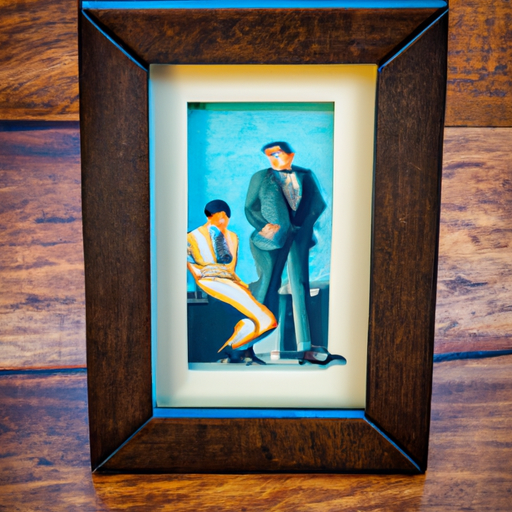
Rose Dewitt Bukater is a visual style that became famous in the early 1910s, during the time of the RMS Titanic. This style is characterized by its opulence, elegance, and sophistication, reflecting the fashion and aesthetics of the Edwardian era. Known for its luxurious fabrics, intricate details, and voluminous silhouettes, Rose Dewitt Bukater style showcases the grandeur and allure of high society at the time. The style gained further popularity through the 1997 film 'Titanic', where the protagonist Rose's fashion choices became iconic.

View StyleExplore Style
Example of visual style of Thomas Harrington

Thomas Harrington

Thomas Harrington is a visual style that emerged in the late 20th century and gained popularity in the 21st century. Known for its minimalist and clean aesthetics, it became famous for its combination of bold colors, geometric shapes, and innovative typography. The style often showcases a balance between simplicity and sophistication, creating visually striking designs. Thomas Harrington's works are characterized by their attention to detail and precision, allowing for a seamless integration of form and function.

View StyleExplore Style
Example of visual style of Tosa School

Tosa School

Tosa School refers to a distinctive style of Japanese painting that emerged in the late 14th century and continued to flourish until the early 19th century. This style originated in the Tosa Province, present-day Kochi Prefecture, and gained recognition during the Muromachi period (1336–1573). Tosa School paintings were primarily influenced by the yamato-e genre, known for its colorful and narrative representations of Japanese history, legends, courtly life, and classic literature. The Tosa School became famous for its refined and delicate depictions, with intricate details, elegant brushwork, and the use of gold leaf, creating a sense of luxury and sophistication.

View StyleExplore Style
Example of visual style of Trench Coats

Trench Coats

Trench Coats is a classic and timeless style that emerged in the early 1900s, particularly during World War I. This style became widely known due to its association with military uniforms and the iconic Burberry trench coat that was introduced during this period. Trench coats are characterized by their knee-length design, double-breasted front, belted waist, and shoulder epaulets. They were initially designed for soldiers and officers, but quickly gained popularity as a fashionable outerwear choice for both men and women. Trench coats exude sophistication, elegance, and a sense of mystery.

View StyleExplore Style

Home