StylopediaStylopedia

Society styles on Stylopedia

A visual encyclopedia of society styles – use as prompt inspiration for Midjourney, Gemini, or ChatGPT AI when making society images

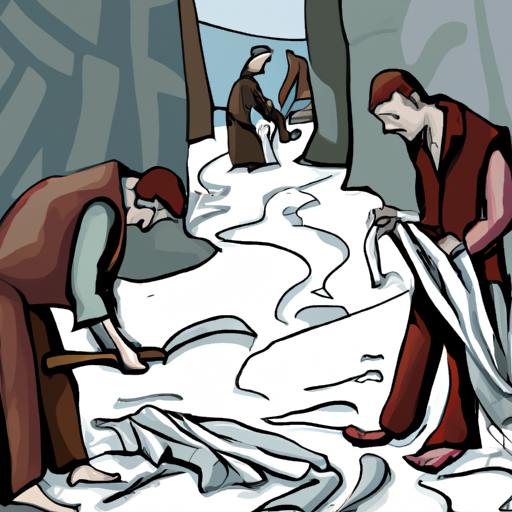
Example of visual style of Aldous Huxley

Aldous Huxley

The Aldous Huxley visual style represents a blend of dystopian themes, surrealistic elements, and intellectual perspectives prevalent during the early to mid-20th century. Inspired by Aldous Huxley's literary works, such as Brave New World, this style emerged as a reflection of the author's exploration of societal and technological advancements. It gained prominence in the 1930s and remains influential today for its critique of scientific progress, societal control, and the human condition.

View StyleExplore Style
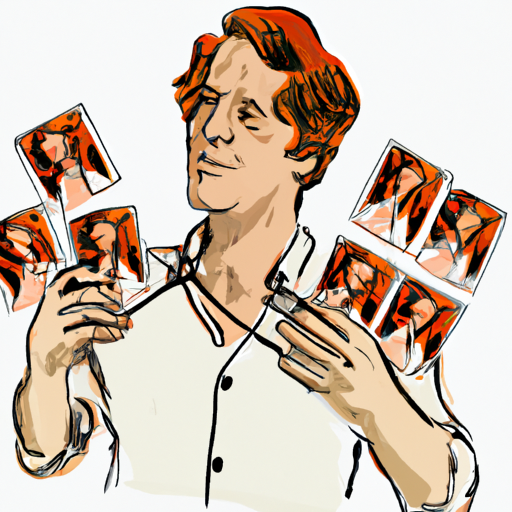
Example of visual style of Black Mirror

Black Mirror

Black Mirror is a futuristic and dystopian visual style that gained popularity in the 2010s. It is known for its dark, thought-provoking themes that highlight the potential dangers of technology and its impact on society. The style often depicts a near-future world where advanced technology is intertwined with everyday life, exploring the consequences and ethical dilemmas that arise. It became famous for its unique storytelling format and its ability to reflect contemporary issues through a sci-fi lens.

View StyleExplore Style

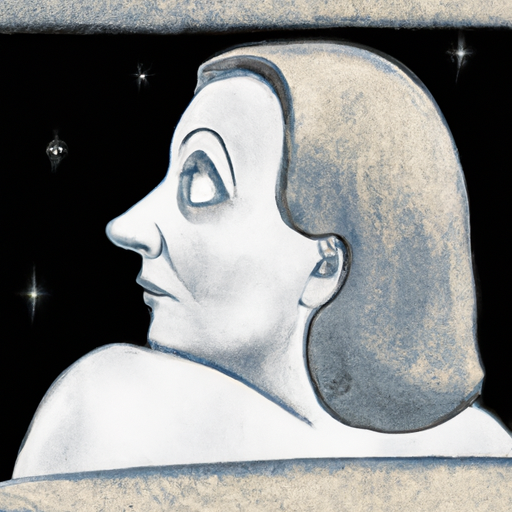
Example of visual style of Dystopian Fiction

Dystopian Fiction

Dystopian Fiction is an imaginative style that portrays a future society characterized by oppressive control, dehumanization, and deterioration. It rose to prominence in the early 20th century with novels like Aldous Huxley's 'Brave New World' (1932) and George Orwell's '1984' (1949). Dystopian Fiction gained further popularity through films like 'Blade Runner' (1982) and 'The Matrix' (1999), which showcased dark and bleak futuristic landscapes ruled by totalitarian regimes.

View StyleExplore Style
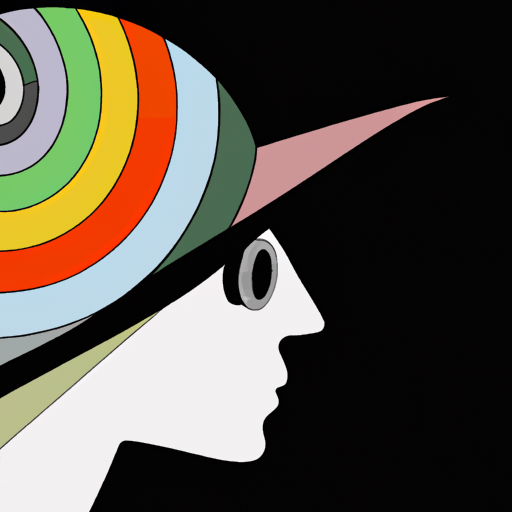
Example of visual style of Jacques Tardi

Jacques Tardi

Jacques Tardi is a French comic book artist and writer known for his distinctive style of black and white illustrations. His work emerged in the 1970s and gained popularity in the 1980s. Tardi's art is characterized by its gritty and detailed nature, often depicting war, crime, and the dark side of society. His use of stark contrasts, intricate linework, and a limited color palette creates a visually striking and emotionally intense atmosphere in his comics. Tardi's works, such as 'Adèle Blanc-Sec' and 'It Was the War of the Trenches,' have become iconic in the world of graphic storytelling. His art and storytelling are renowned for their historical accuracy and social commentary on events like World War I and the impact of war on individuals.

View StyleExplore Style
Example of visual style of Otto Dix

Otto Dix

Otto Dix was a German painter and printmaker who is known for his realistic and sometimes grotesque portrayal of society during the Weimar Republic period in Germany. Active from the 1910s to the 1960s, Dix's visual style is characterized by its sharp lines, exaggerated forms, and dark palette. He often depicted scenes of war, poverty, and the decadence of post-war society, capturing the disillusionment and decay of the time. Dix's work gained fame for its social criticism and provocative subject matter.

View StyleExplore Style
Home