StylopediaStylopedia

Social justice styles on Stylopedia

A visual encyclopedia of social justice styles – use as prompt inspiration for Midjourney, Gemini, or ChatGPT AI when making social justice images

Example of visual style of Amy Sherald

Amy Sherald

Amy Sherald is an American artist known for her distinctive style of portrait painting that features vibrant colors, grayscale skin tones, and a unique combination of realism and abstraction. Her work gained international recognition in 2018 when her portrait of former First Lady Michelle Obama was unveiled at the National Portrait Gallery in Washington, D.C. Sherald's style is influenced by Realism and Postmodernism, and she often explores themes of African American identity, representation, and social justice in her artwork.

View StyleExplore Style
Example of visual style of Ava Duvernay

Ava Duvernay

Ava Duvernay's visual style is characterized by vibrant colors, striking compositions, and a focus on authenticity and representation. Her work gained widespread recognition in the 2010s for its powerful storytelling and social commentary. Duvernay became famous for directing the critically acclaimed film 'Selma' in 2014, which depicted the historic civil rights marches in Selma, Alabama in the 1960s. Through her distinct visual style, Duvernay amplifies the voices of marginalized communities and advocates for social justice.

View StyleExplore Style
Example of visual style of Bob Marley

Bob Marley

The visual style associated with Bob Marley emerged during the late 1960s and early 1970s, particularly with the release of his album 'Catch a Fire' in 1973. This style became famous for representing the reggae music and Rastafari movement. It features vibrant colors, bold typography, and a strong emphasis on Jamaican cultural motifs, such as Jamaican flag colors, marijuana leaves, and lion imagery. This style is deeply rooted in African symbolism and spirituality, highlighting Bob Marley's advocacy for social justice and peace.

View StyleExplore Style
Example of visual style of David Alfaro Siqueiros

David Alfaro Siqueiros

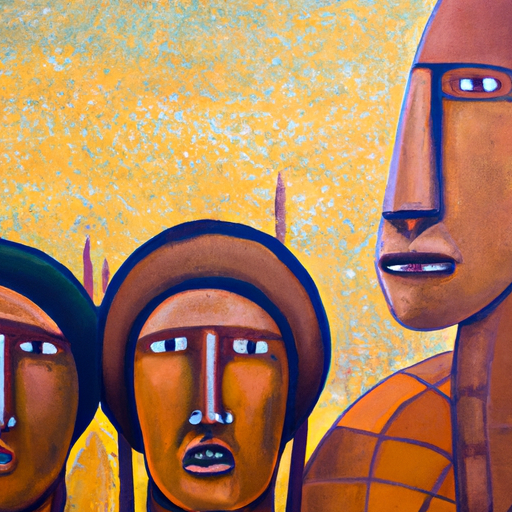
David Alfaro Siqueiros was a Mexican painter and muralist known for his powerful and politically charged artworks. Active during the early 20th century, Siqueiros played a significant role in the Mexican muralism movement. His style is characterized by large-scale murals that blend realistic and stylized elements, bold use of color, and dynamic compositions. Siqueiros used his artworks to address social and political issues, often depicting scenes of revolution, historical events, and portraits of working-class people. His murals became famous for their ability to convey emotional intensity and convey powerful messages of social justice. Siqueiros' style was influential in shaping the Mexican art scene and inspiring future generations of artists.

View StyleExplore Style
Example of visual style of Dorothea Lange

Dorothea Lange

Dorothea Lange was an American documentary photographer known for her compelling images depicting the hardships of the Great Depression. Her photographs captured the desperate conditions of the working class during the 1930s, notably her iconic photograph 'Migrant Mother.' Lange's style was characterized by her ability to evoke raw emotions through her black and white photographs, focusing on the human element and the stories behind her subjects. Her work played a significant role in raising awareness about social issues and advocating for social justice.

View StyleExplore Style
Example of visual style of Mexican Muralism

Mexican Muralism

Mexican Muralism is a visual style that emerged in Mexico during the early 20th century, particularly between the 1920s and 1950s. It gained fame for its large-scale murals painted by prominent artists like Diego Rivera, David Alfaro Siqueiros, and José Clemente Orozco. The style is characterized by its grandeur, social and political subject matter, and the use of bold colors and strong compositions. Mexican Muralism played a significant role in promoting national identity, cultural heritage, and social justice in Mexico.

View StyleExplore Style

Home