StylopediaStylopedia

Social issues styles on Stylopedia

A visual encyclopedia of social issues styles – use as prompt inspiration for Midjourney, Gemini, or ChatGPT AI when making social issues images

Example of visual style of British Comedy

British Comedy

British Comedy is a genre of humor that originated in the United Kingdom. It gained popularity in the late 20th century and continues to be influential today. This style is characterized by its dry wit, clever wordplay, irony, and satire. Famous British comedies such as Monty Python's Flying Circus (1969-1974), Fawlty Towers (1975-1979), and The Office (2001-2003) are prime examples of this style. British Comedy often tackles social and political issues with a humorous and often absurd approach, making it unique and widely recognized.

View StyleExplore Style
Example of visual style of Charlotte Bronte

Charlotte Bronte

The Charlotte Bronte visual style is characterized by its romantic and gothic elements, often depicted through moody and atmospheric landscapes, dark color palettes, and strong emotional depth. This style emerged in the 19th century and is closely associated with the works of the English author Charlotte Bronte, particularly her novel 'Jane Eyre'. The style became famous for its portrayal of complex female characters and its exploration of social and psychological issues of the time.

View StyleExplore Style
Example of visual style of Documentary Photography

Documentary Photography

Documentary Photography is a style that aims to capture real-life situations and events, typically without staging or manipulation. It emerged in the early 20th century and became famous through the works of pioneers like Jacob Riis and Lewis Hine. It gained further recognition during the Great Depression with photographers like Dorothea Lange and Walker Evans, who documented the effects of poverty. The style gained prominence by depicting important social, political, and cultural issues of the time.

View StyleExplore Style
Example of visual style of Emile Zola

Emile Zola

Emile Zola is not known for a specific visual style, but rather for his contributions to literature. He was a significant figure in the French Naturalist movement during the late 19th century, which emphasized detailed descriptions of reality and the effects of heredity and environment on characters. Zola's works, such as Germinal and Nana, shed light on social issues, industrialization, and human nature. His novels are characterized by vivid imagery and precise observations.

View StyleExplore Style
Example of visual style of Gillo Pontecorvo

Gillo Pontecorvo

The visual style of Gillo Pontecorvo is characterized by documentary realism, gritty cinematography, and a focus on political and social issues. Pontecorvo became famous with his groundbreaking 1966 film 'The Battle of Algiers', which depicted the Algerian War of Independence with a raw and visceral visual style. His visual style often includes hand-held camera work, natural lighting, and a mix of scripted scenes and documentary footage. Pontecorvo's style is known for its attention to detail and its ability to immerse the viewer in the political and social contexts of his films.

View StyleExplore Style
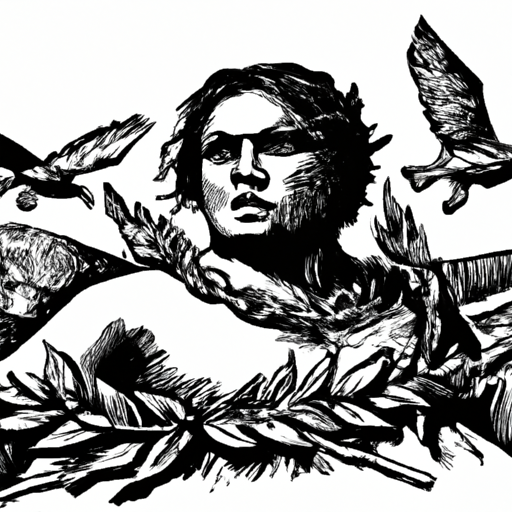
Example of visual style of Gordon Parks

Gordon Parks

Gordon Parks was an American photographer, filmmaker, and writer who became prominent in the mid-20th century. He was known for his unique visual style, characterized by powerful and evocative black and white imagery. Parks captured the realities of African American life and social issues, including poverty, segregation, and the civil rights movement. His work brought attention to these important issues and challenged societal norms, making him famous for his impactful storytelling through photography. His most famous work includes the photo essay 'Harlem Gang Leader' and his fashion photography for Vogue.

View StyleExplore Style
Example of visual style of Italian Neorealism

Italian Neorealism

Italian Neorealism was a film movement that emerged in Italy after World War II, particularly in the years 1943-1952. It is characterized by its realistic depiction of working-class life, poverty, and social issues. Neorealist filmmakers like Vittorio De Sica, Roberto Rossellini, and Luchino Visconti aimed to present stories that reflected the reality of post-war Italy, using non-professional actors, on-location shooting, and a documentary-like visual style. Their films often explored themes of survival, inequality, and the struggle of ordinary people.

View StyleExplore Style
Example of visual style of Joe Sacco

Joe Sacco

Joe Sacco is known for his unique style of comic journalism. His work involves the combination of detailed illustrations and investigative reporting to highlight real-life events and conflicts. Sacco gained fame for his groundbreaking graphic novel 'Palestine' published in 1996, which documented his experiences during the First Intifada in the 1990s. His work often focuses on political and social issues, and he has received numerous accolades for his powerful storytelling.

View StyleExplore Style
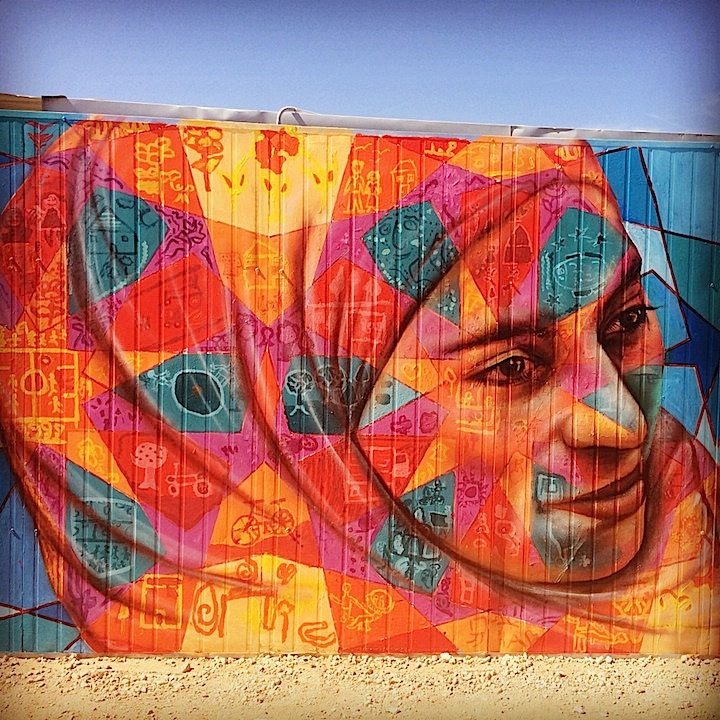
Example of visual style of JR

JR

JR is a visual style that emerged in the early 2000s and gained popularity through street art. It is characterized by large-scale black and white photographs pasted on outdoor surfaces such as buildings and walls. Jr's work often focuses on social and political issues, and he became famous for his project 'Women Are Heroes', which aimed to highlight the strength and resilience of women around the world. This style gained recognition for its ability to transform urban spaces into powerful and thought-provoking art installations.

View StyleExplore Style
Example of visual style of Lewis Hine

Lewis Hine

Lewis Hine was an American photographer and sociologist known for his documentary photography work focusing on social issues and child labor in the late 19th and early 20th centuries. His photographs captured the harsh living and working conditions of children, particularly in industries such as mills and mines. Hine's work played a significant role in raising awareness about child labor laws and bringing about social change. His iconic photographs showcased the struggles and realities of the working class, and his powerful images continue to inspire and inform viewers today.

View StyleExplore Style
Example of visual style of Neorealism

Neorealism

Neorealism was an artistic and cinematic movement that emerged in the mid-1940s in Italy. It aimed to depict the harsh realities of post-World War II society with a focus on social issues, poverty, and the daily lives of ordinary people. Neorealism became famous for its use of real locations instead of studio sets, non-professional actors, and a documentary-like approach. It had a significant impact on the development of cinema and influenced filmmakers worldwide.

View StyleExplore Style
Example of visual style of Political Cartooning

Political Cartooning

Political Cartooning is a style of illustration that satirizes political events, figures, and social issues. It gained prominence in the 18th century and continues to be a powerful form of visual commentary. Political cartoons are known for their use of caricature, symbolism, and humor to convey messages and critique political systems. Famous political cartoonists like Thomas Nast, Honore Daumier, and David Low have shaped public opinion and influenced history through their thought-provoking artworks.

View StyleExplore Style
Example of visual style of Satyajit Ray

Satyajit Ray

Satyajit Ray's visual style is known for its naturalism and realism. His films, particularly from the 1950s to 1970s, captured the essence of everyday life in India. Ray's use of long takes, natural lighting, and minimalist production design created an authentic and immersive experience for viewers. His films are characterized by their empathetic exploration of human emotions and social issues. Ray's portrayal of complex characters and attention to detail made his visual style famous, influencing several subsequent Indian filmmakers.

View StyleExplore Style
Example of visual style of Thomas Hart Benton

Thomas Hart Benton

Thomas Hart Benton was an American painter and muralist known for his stylized and highly detailed works. His visual style, characterized by bold colors and fluid forms, was influenced by regionalism and the Mexican muralism movement. Benton's works gained popularity in the 1930s and 1940s, depicting scenes of everyday life, American history, and social issues. His ability to capture the spirit of the American Midwest and his emphasis on the human figure made his art famous.

View StyleExplore Style
Home