StylopediaStylopedia

Social commentary styles on Stylopedia

A visual encyclopedia of social commentary styles – use as prompt inspiration for Midjourney, Gemini, or ChatGPT AI when making social commentary images

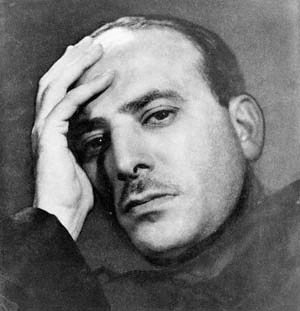
Example of visual style of Ai Weiwei

Ai Weiwei

Ai Weiwei is a contemporary Chinese artist known for his politically charged, conceptual artwork. His visual style combines elements of minimalism, conceptualism, and social commentary. Weiwei gained prominence in the early 2000s for his provocative installations, sculptures, photography, and documentaries. His use of unconventional materials, such as porcelain, wood, and everyday objects, juxtaposed with traditional Chinese craftsmanship, challenges the boundaries of art and raises questions about government control, human rights, and censorship in China.

View StyleExplore Style

Example of visual style of Anton Gudim

Anton Gudim

Anton Gudim is a contemporary visual artist known for his minimalist and whimsical style. His illustrations often feature simple, clean lines and a limited color palette, creating a distinctive and recognizable look. Gudim gained popularity in the late 2000s through his witty and satirical illustrations, which quickly went viral on social media platforms. His unique blend of humor, social commentary, and clever wordplay has made him one of the most influential artists of the digital age.

View StyleExplore Style
Example of visual style of Ava Duvernay

Ava Duvernay

Ava Duvernay's visual style is characterized by vibrant colors, striking compositions, and a focus on authenticity and representation. Her work gained widespread recognition in the 2010s for its powerful storytelling and social commentary. Duvernay became famous for directing the critically acclaimed film 'Selma' in 2014, which depicted the historic civil rights marches in Selma, Alabama in the 1960s. Through her distinct visual style, Duvernay amplifies the voices of marginalized communities and advocates for social justice.

View StyleExplore Style
Example of visual style of Barry Blitt

Barry Blitt

Barry Blitt is a contemporary American illustrator and cartoonist known for his distinctive and satirical style. His career in the field of visual arts began in the 1990s, and he gained prominence through his work for The New Yorker magazine. Blitt became especially famous for his provocative and often controversial cover illustrations, which cleverly comment on various political and cultural issues of the time. His illustrations are characterized by their bold and expressive linework, exaggerated figures, and a touch of whimsy. Blitt's visual style combines humor, wit, and social commentary, making his work instantly recognizable and highly influential in the world of illustration.

View StyleExplore Style
Example of visual style of Belgian Cartoonists

Belgian Cartoonists

Belgian Cartoonists emerged in the mid-20th century and became famous for their whimsical and witty style of cartooning. Their unique blend of humor, social commentary, and intricate artwork captivated audiences worldwide. The most iconic period for this style was the 1950s to the 1970s when artists like Hergé, the creator of Tintin, and André Franquin, known for creating Spirou and Gaston Lagaffe, gained significant recognition. These Belgian Cartoonists revolutionized the art of cartoon storytelling by introducing innovative storytelling techniques, intricate line work, and detailed backgrounds.

View StyleExplore Style
Example of visual style of Bong Joon Ho

Bong Joon Ho

Bong Joon Ho is a South Korean filmmaker known for his distinctive visual style that combines elements of dark humor, social commentary, and genre-bending storytelling. He gained international recognition in the 2000s and 2010s with films such as 'Memories of Murder' (2003), 'The Host' (2006), 'Snowpiercer' (2013), and 'Parasite' (2019). Bong's visual style often features meticulous and atmospheric cinematography, long takes, and a juxtaposition of realistic and surrealistic elements. He is renowned for his ability to seamlessly blend different genres and create thought-provoking narratives that tackle social issues. Bong Joon Ho's films have received critical acclaim and have been celebrated for their innovative storytelling, making him one of the most influential directors in modern cinema.

View StyleExplore Style

Example of visual style of Carrie Mae Weems

Carrie Mae Weems

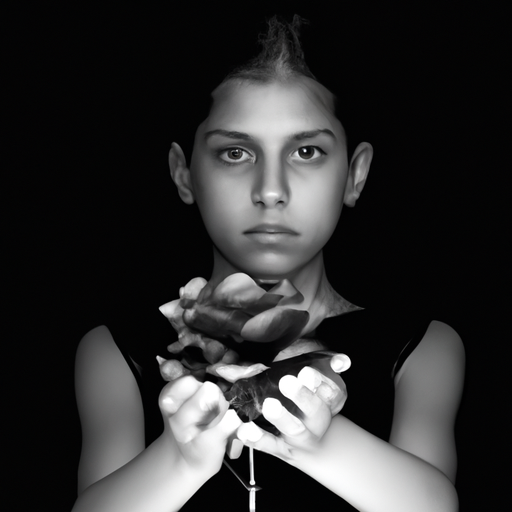
Carrie Mae Weems is known for her powerful and thought-provoking photography, video, and installation artworks. Her visual style combines documentary photography with cultural and social commentary, exploring themes of race, gender, and class. Weems gained recognition in the 1990s for her series 'The Kitchen Table', which utilized staged domestic scenes to examine the complexities of intimate relationships and the roles of women. Her work often incorporates text and audio elements to further enhance the narrative and emotional impact. Weems' unique approach to storytelling and her ability to challenge societal norms have made her style iconic in the world of contemporary photography.

View StyleExplore Style
Example of visual style of Cheri Samba

Cheri Samba

Cheri Samba is a vibrant and colorful visual style that emerged in the late 20th century, particularly in the Democratic Republic of the Congo. It gained popularity in the 1980s and 1990s. Cheri Samba is known for its distinctive blend of painting and text, often featuring social and political commentary. The style incorporates bold, bright colors, intricate patterns, and expressive figures to create visually captivating artworks. Cheri Samba's unique fusion of art and text has made it famous for its ability to communicate powerful messages in an accessible and relatable way.

View StyleExplore Style
Example of visual style of Contemporary Figurative Art

Contemporary Figurative Art

Contemporary Figurative Art is a visual style that emerged in the late 20th century and continues to be relevant today. It focuses on representing the human figure in a more modern and abstract way, departing from traditional techniques and styles. This style gained popularity in the 1980s as artists started to reintroduce the figure into their work, using both realistic and abstract approaches. It became famous for its ability to convey emotions, narratives, and social commentary through the depiction of the human form.

View StyleExplore Style
Example of visual style of Feminist Art

Feminist Art

Feminist Art emerged in the late 1960s and early 1970s as a movement that aimed to challenge and critique the dominant male-centric art world. It sought to bring attention to the experiences of women and explore issues of gender, sexuality, and identity. With its roots in the feminist movement, this style gained prominence by highlighting social and political inequalities. Famous feminist artists like Judy Chicago and Guerrilla Girls used various mediums to express their messages, including painting, sculpture, performance art, and photography.

View StyleExplore Style
Example of visual style of Ford Madox Brown

Ford Madox Brown

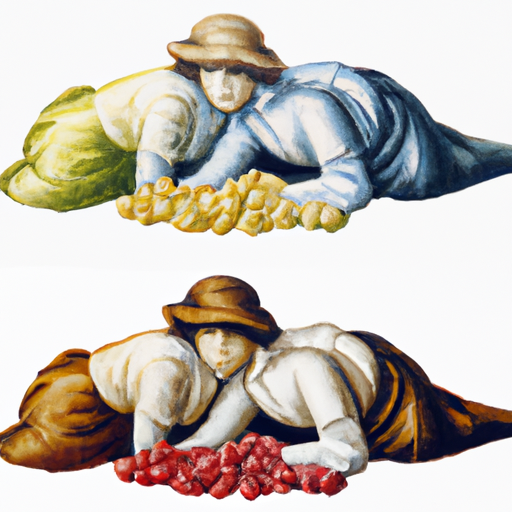
Ford Madox Brown is an English painter associated with the Pre-Raphaelite Brotherhood. His visual style can be described as highly detailed and realistic, often depicting historical and literary subjects with a focus on social commentary. Brown's style emerged in the mid-19th century and gained popularity for its vivid colors, intricate compositions, and attention to detail. He is known for his famous painting 'Work' (1852-1865), which portrays various social classes engaged in different forms of labor.

View StyleExplore Style

Example of visual style of George Romero

George Romero

George Romero, a prominent filmmaker in the horror genre, was known for his distinctive visual style, especially in his later films. His style emerged in the late 1960s and continued throughout the 1970s and 1980s, making him one of the most influential directors in the genre. Romero's visual style was characterized by his innovative use of lighting, shadows, and framing techniques to create a sense of dread and horror. He often employed low-budget techniques, such as handheld cameras and practical effects, to create a visceral and gritty aesthetic. Romero's films were famous for their social commentaries on consumerism, racism, and other contemporary issues.

View StyleExplore Style
Example of visual style of Georges Remi

Georges Remi

Georges Remi, better known by his pen name Hergé, was a Belgian cartoonist. He is best known for creating the iconic comic book series 'The Adventures of Tintin'. Hergé's visual style, also known as 'ligne claire' (clear line), revolutionized the world of comics in the mid-20th century. His style was characterized by clean and precise lines, simplified forms, and a strong emphasis on clarity and detail. Hergé's work became famous for its unique blend of adventure, humor, and social commentary, influencing generations of comic artists.

View StyleExplore Style
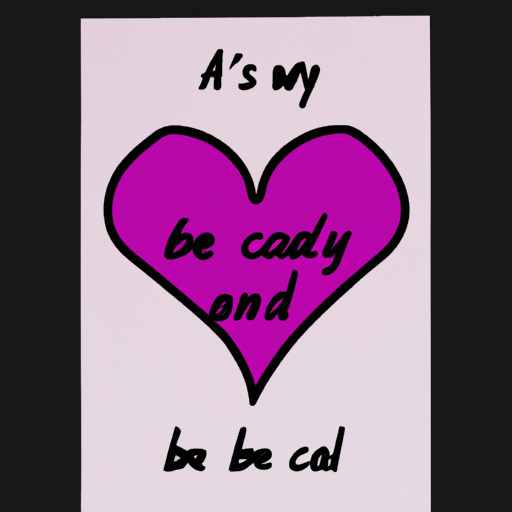
Example of visual style of Gilbert Shelton

Gilbert Shelton

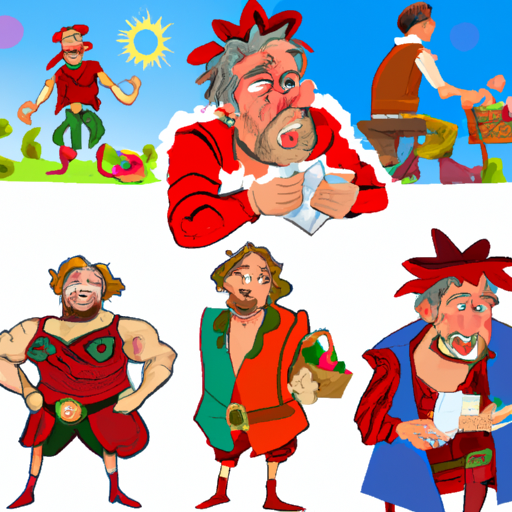
Gilbert Shelton is an underground cartoonist known for his distinctive visual style, which emerged in the 1960s. His comic strips, such as 'The Fabulous Furry Freak Brothers' and 'Fat Freddy's Cat', became popular during the counterculture movement, particularly in the United States. Shelton's art is characterized by its psychedelic and humor-driven nature, featuring exaggerated characters with wild expressions and trippy backgrounds. His unique blend of satire, social commentary, and absurdity made his work iconic and influential during this time.

View StyleExplore Style

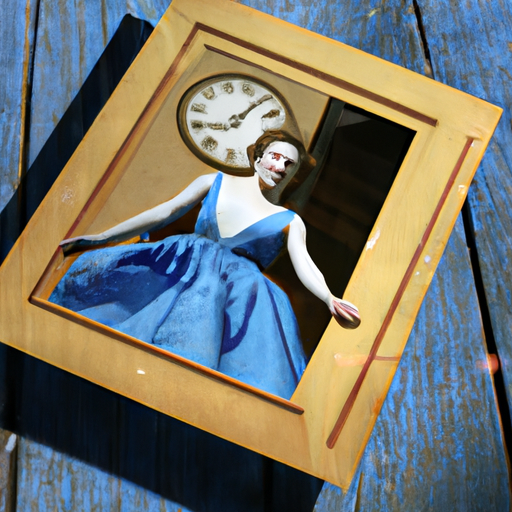
Example of visual style of Herbert George Wells

Herbert George Wells

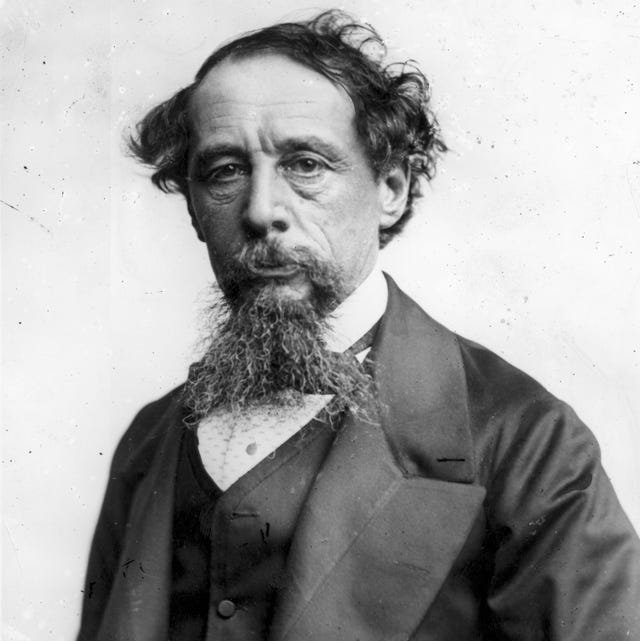
Herbert George Wells, also known as H.G. Wells, was a prominent British author, best known for his science fiction novels and short stories. Active during the late 19th century and early 20th century, Wells's work gained fame for its imaginative concepts, futuristic settings, and social commentary. He pioneered the subgenre of scientific romance and popularized the concept of time travel through his novel 'The Time Machine' (1895). Wells's visual style resonated with a sense of adventure, blending fantastical elements with a touch of realism to create vivid and immersive worlds.

View StyleExplore Style
Example of visual style of Honore Daumier

Honore Daumier

Honore Daumier was a French artist and caricaturist who is known for his satirical and critical portrayal of 19th-century French society and politics. His style emerged in the mid-19th century and gained recognition for its powerful social commentary and use of exaggerated features to depict public figures and ordinary people. Daumier's works became famous for their sharp wit, humor, and keen observation of human behavior. His visual style was characterized by bold and expressive brushwork, dynamic compositions, and a focus on capturing the essence and character of his subjects.

View StyleExplore Style
Example of visual style of Huan Yong Ping

Huan Yong Ping

Huan Yong Ping is a contemporary Chinese visual artist known for his thought-provoking and politically charged installations. His work became famous in the 1980s for its critical commentary on China's political and social climate. One of his most notable installations, 'The Circle of Life,' created in 1989, reflects on the Tiananmen Square protests of that year. Huan's use of unconventional materials and provocative imagery has cemented his reputation as a leading figure in Chinese contemporary art.

View StyleExplore Style

Example of visual style of James Gillray

James Gillray

James Gillray was an English caricaturist and printmaker who rose to fame in the late 18th century. His visual style was characterized by exaggerated and satirical depictions of political figures and social commentary. He gained recognition for his sharp wit and ability to capture the likeness and mannerisms of his subjects. Gillray's works often featured bold and intricate details, with a strong use of line work and crosshatching. He became famous for his caricatures mocking Napoleon Bonaparte, George III, and British political figures, which contributed to shaping public opinion during a time of great political and social upheaval.

View StyleExplore Style
Example of visual style of Jean Michel Basquiat

Jean Michel Basquiat

Jean Michel Basquiat was an American artist active in the 1980s. His visual style, often referred to as Neo-expressionism, is characterized by bold, expressive brushwork, vibrant colors, and a fusion of graffiti and street art with fine art. Basquiat's work gained recognition for its raw energy, social commentary, and exploration of themes like racism, identity, and capitalism. His use of symbols, text, and abstract forms created a chaotic yet visually stimulating aesthetic that transcended traditional artistic boundaries and captured the spirit of the urban cultural landscape. Basquiat's untimely death in 1988 further cemented his fame and added a sense of tragic allure to his artistic legacy.

View StyleExplore Style
Example of visual style of Jose Clemente Orozco

Jose Clemente Orozco

Jose Clemente Orozco's visual style is characterized by bold and powerful images with strong social and political messages. His works often depict the struggles and injustices faced by the Mexican people. Orozco gained fame in the early 20th century for his murals that showcased the Mexican Revolution and the plight of the working class. His use of dramatic contrast, intense colors, and distorted figures made his art visually striking and emotionally charged.

View StyleExplore Style
Example of visual style of Korean Contemporary Art

Korean Contemporary Art

Korean Contemporary Art refers to the artistic styles and movements developed in South Korea from the late 20th century onwards. It gained prominence in the 1990s and continues to evolve today. This style is known for its diverse range of mediums and approaches, including painting, sculpture, installation, video, and performance art. Korean Contemporary Art often addresses social, political, and cultural issues, reflecting the country's unique history and societal changes. It has gained international recognition through influential art exhibitions, such as the Gwangju Biennale and the Busan Biennale.

View StyleExplore Style
Example of visual style of Paul Verhoeven

Paul Verhoeven

Paul Verhoeven's visual style is characterized by its explosive and provocative nature. With films like 'RoboCop' (1987), 'Total Recall' (1990), and 'Starship Troopers' (1997), Verhoeven created a signature style that blends science fiction, satire, and extreme violence. His films often include dark humor, social commentary, and overt sexuality, pushing boundaries and challenging the audience's expectations. Verhoeven's visual style became famous for its slick and stylized action sequences, gritty dystopian settings, and a subversive approach to storytelling.

View StyleExplore Style
Home