
Animaniacs
An animated television show known for its zany and slapstick humor, colorful characters, and fast-paced, irreverent style. First aired in 1993, Animaniacs became famous for its witty writing and quirky animations.
View StyleExplore Style Stylopedia
A visual encyclopedia of slapstick styles – use as prompt inspiration for Midjourney, Gemini, or ChatGPT AI when making slapstick images
An animated television show known for its zany and slapstick humor, colorful characters, and fast-paced, irreverent style. First aired in 1993, Animaniacs became famous for its witty writing and quirky animations.
View StyleExplore Style
Comedy film visual style is characterized by bright and colorful sets, exaggerated facial expressions, slapstick humor, and quirky characters. This style became popular in the early 20th century with the silent film era and has continued to evolve with the introduction of sound and color.
View StyleExplore Style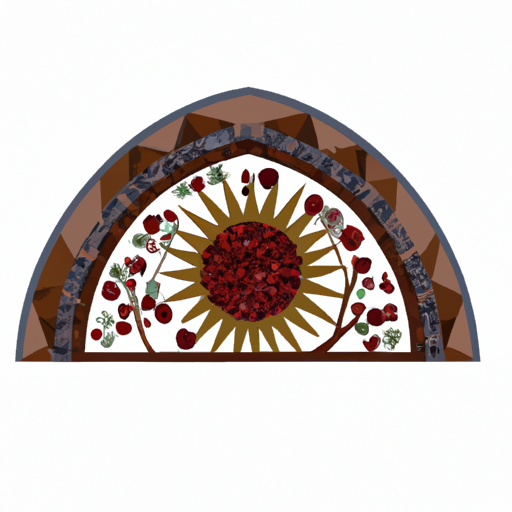
Friz Freleng was an animator and director known for his work at Warner Bros. Cartoons during the Golden Age of American animation. His visual style was characterized by lively character designs, exaggerated movements, and slapstick humor.
View StyleExplore Style
Gaston Lagaffe is a comic strip character created by Belgian cartoonist André Franquin in 1957. The visual style of Gaston Lagaffe is characterized by its lively and humorous illustrations and the use of colorful and exaggerated character designs. This style became famous for its light-hearted and slapstick humor, as well as its relatable depiction of an eccentric and absent-minded office worker. Through the years, Gaston Lagaffe has gained a cult following and is admired for its unique blend of comedy and social satire.
View StyleExplore Style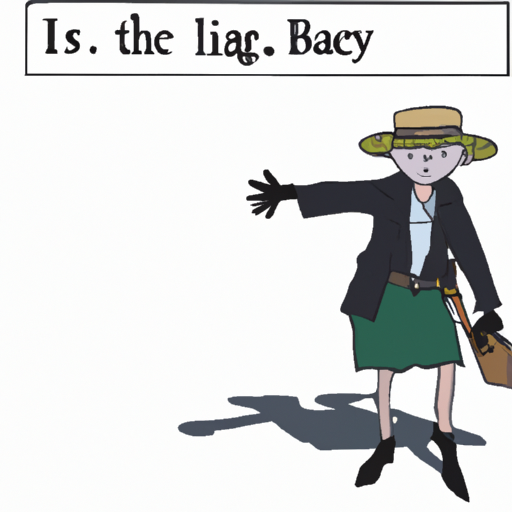
Golden Age Cartoons refers to the animation style popular from the 1920s to 1960s, characterized by vibrant colors, expressive characters, exaggerated movements, and slapstick humor. This era saw the rise of iconic characters like Mickey Mouse, Bugs Bunny, and Popeye.
View StyleExplore Style
Harold Ramis is known for his visual style in comedy films during the 1980s and 1990s. His works, such as Ghostbusters (1984) and Groundhog Day (1993), are famous for their humorous and whimsical tone. Ramis incorporated a mix of slapstick, visual gags, and witty dialogue to create a unique comedic style. His films often featured eccentric characters, clever storytelling, and a balance between absurdity and heartwarming moments. This style became influential and widely recognized in the comedy genre.
View StyleExplore Style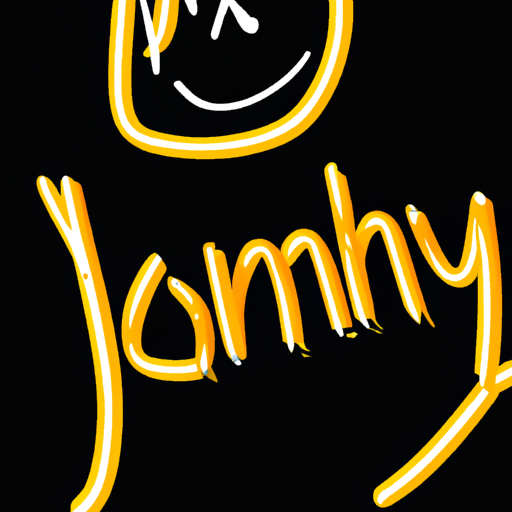
The visual style of 'Johnny Bravo' is characterized by its bold and exaggerated animation. It was popularized in the late 1990s and early 2000s as a part of the Cartoon Network programming. The style is known for its vibrant colors, thick outlines, and exaggerated character designs. 'Johnny Bravo' gained fame for its humorous and slapstick comedy, iconic catchphrases, and the titular character's muscular physique and pompadour hairstyle.
View StyleExplore Style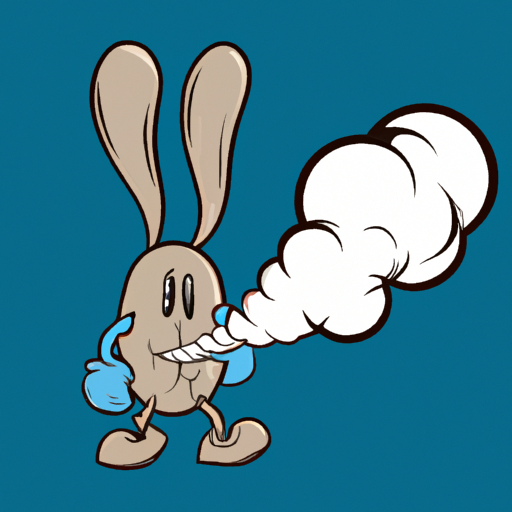
Looney Tunes is a visual style that originated in the 1930s and gained immense popularity during the mid-20th century. It is renowned for its comedic and slapstick animation, colorful and exaggerated characters, and fast-paced storytelling. Looney Tunes became famous for its iconic roster of characters, including Bugs Bunny, Daffy Duck, Porky Pig, and Tweety Bird, among others. The style is characterized by its rapid movements, exaggerated facial expressions, and over-the-top physical humor. Looney Tunes is primarily associated with animated short films, which were widely acclaimed for their wit, charm, and timeless entertainment value.
View StyleExplore Style
Marsupilami is a comic book character created by Andre Franquin in 1952. Known for its jungle setting, bright and vibrant colors, and exaggerated, slapstick humor.
View StyleExplore Style
The visual style of the Marx Brothers is characterized by slapstick humor, zany antics, and outrageous costumes. Popular in the 1930s and 1940s, their comedic style broke conventional boundaries and revolutionized the comedy genre.
View StyleExplore Style
Porky Pig is a visual style that originated from classic Looney Tunes cartoons, particularly in the late 1930s to 1950s. It is known for its comedic, exaggerated, and slapstick animation style featuring the popular character Porky Pig. This style gained popularity for its use of vibrant colors, dynamic movements, and elastic deformations that added humor and entertainment value to the cartoons.
View StyleExplore Style
Tex Avery is known for his innovative and zany animation style. He became famous in the 1940s and 1950s for his work on cartoons like 'Droopy', 'Daffy Duck', and 'Bugs Bunny'. His style was characterized by fast-paced animation, exaggerated expressions, slapstick humor, and visual gags. Avery's cartoons often broke the fourth wall and pushed the boundaries of animation at the time.
View StyleExplore Style
The Marx Brothers visual style was characterized by slapstick comedy, zany antics, and quick wit. Their films, produced mainly during the 1920s and 1930s, showcased their unique blend of physical humor and verbal puns, making them one of the most iconic comedy acts in Hollywood history.
View StyleExplore Style
Tom And Jerry is a classic cartoon visual style that was popularized by the animated series of the same name, which premiered in 1940. This style is characterized by its vibrant and exaggerated animation, featuring slapstick humor and high-energy antics of the titular characters. The visuals are known for their hand-drawn, colorful backgrounds and expressive character designs. The iconic series contributed to the Golden Age of American animation and continues to influence and entertain audiences of all ages.
View StyleExplore Style
The visual style of 'Uncle Buck' is comical and exaggerated, featuring vibrant colors, quirky characters, and slapstick humor. This style gained popularity in the late 1980s for its lighthearted and humorous approach to storytelling.
View StyleExplore Style