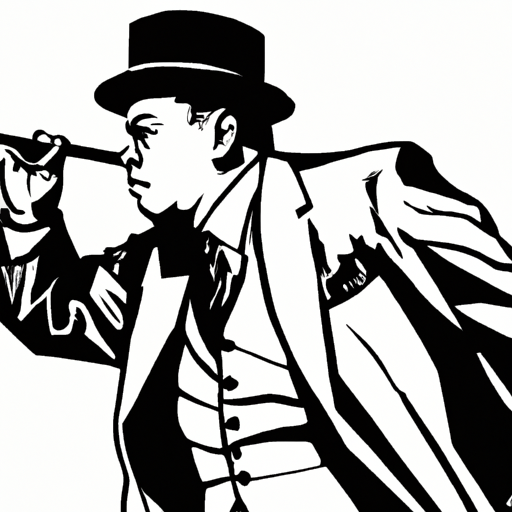
Buster Keaton
The Buster Keaton visual style, popular in the 1920s and 1930s, is characterized by its deadpan expression, physical comedy, and elaborate stunts performed by Keaton himself.
View StyleExplore Style Stylopedia
A visual encyclopedia of silent film styles – use as prompt inspiration for Midjourney, Gemini, or ChatGPT AI when making silent film images
The Buster Keaton visual style, popular in the 1920s and 1930s, is characterized by its deadpan expression, physical comedy, and elaborate stunts performed by Keaton himself.
View StyleExplore Style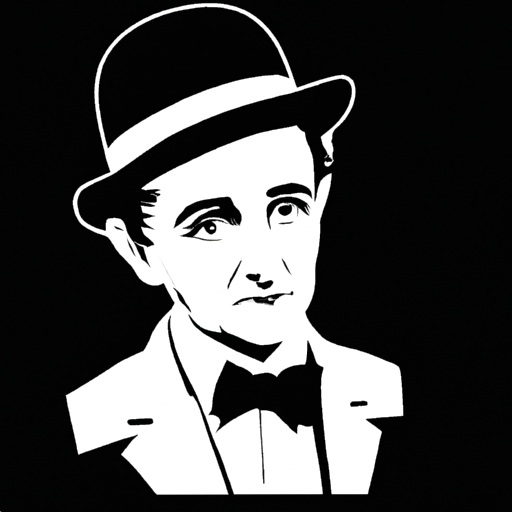
The visual style known for its silent black and white films featuring comedic performances by Charlie Chaplin. Popular during the early 20th century, this style revolutionized the art of physical comedy on screen.
View StyleExplore Style
Fw Murnau was a German filmmaker known for his distinctive visual style which revolutionized the expressionist movement in the silent film era. Active during the 1920s, Murnau's films were characterized by their dynamic camera movements, creative use of lighting and shadows, and intricate set designs. His most famous works include 'Nosferatu' (1922) and 'Sunrise: A Song of Two Humans' (1927), which showcased his mastery of cinematic storytelling and paved the way for modern cinematic techniques.
View StyleExplore Style
G. W. Pabst was a pioneering German film director known for his innovative use of cinematography and lighting in the silent film era. He was famous for his expressionistic visuals and social commentary in films like Pandora's Box (1929) and Diary of a Lost Girl (1929).
View StyleExplore Style
Surreal, dreamlike black and white visuals, inspired by silent films and early cinema techniques. Known for his unique storytelling and use of experimental editing.
View StyleExplore Style
The visual style of Harold Lloyd is characterized by fast-paced physical comedy, slapstick humor, and a clever use of film techniques to create thrilling and hilarious stunts. Active during the 1920s and 1930s, Harold Lloyd's famous glasses and daredevil performances set him apart from other silent film comedians.
View StyleExplore Style
The Louise Brooks visual style is characterized by the iconic bob haircut, smoky eye makeup, and 1920s flapper fashion. Known for her rebellious and independent spirit, Brooks became famous for her unique look and captivating screen presence during the silent film era.
View StyleExplore Style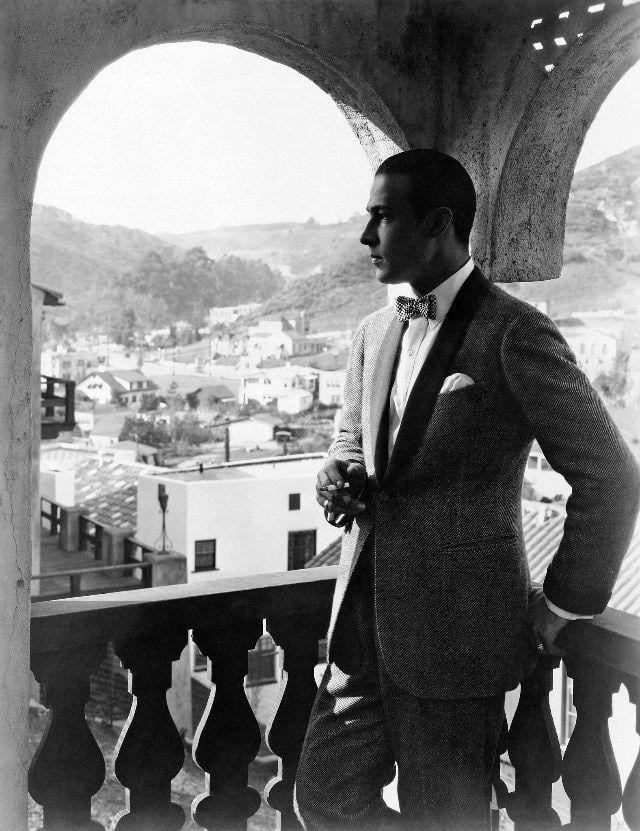
The visual style associated with Rudolph Valentino, a silent film star in the 1920s known for his mysterious and romantic on-screen persona. This style includes fitted suits, dark and brooding looks, and slicked back hair.
View StyleExplore Style
Sunrise A Song Of Two Humans is a silent film directed by F.W. Murnau in 1927. Known for its use of groundbreaking camera techniques, lighting, and expressionistic visuals.
View StyleExplore Style