StylopediaStylopedia

Sharp angles styles on Stylopedia

A visual encyclopedia of sharp angles styles – use as prompt inspiration for Midjourney, Gemini, or ChatGPT AI when making sharp angles images

Example of visual style of Carmen Herrera

Carmen Herrera

Carmen Herrera is a visual style characterized by bold geometric abstraction and crisp lines. Originating in the mid-20th century, it gained recognition for its unique approach to minimalism and vibrant color palettes. Herrera's style became famous for her use of sharp angles, intersecting shapes, and a limited color palette consisting of mainly primary colors. Her work highlights a strong sense of balance and symmetry, creating a visually striking and harmonious composition.

View StyleExplore Style
Example of visual style of Futura 2000

Futura 2000

Futura 2000 is a distinctive visual style that emerged in the 1980s and gained popularity in the graffiti and street art scene. It is characterized by futuristic and abstract designs influenced by technology, space, and science fiction. Known for its bold and vibrant colors, sharp angles, and geometric shapes, Futura 2000 became famous for its combination of graffiti lettering and abstract forms. This style broke traditional graffiti conventions and pushed the boundaries of what was considered street art, making it a significant movement in the art world and urban culture.

View StyleExplore Style
Example of visual style of Gareth Pugh

Gareth Pugh

Gareth Pugh is a British fashion designer known for his avant-garde and futuristic visual style. His creations often feature sharp angles, exaggerated proportions, and sculptural silhouettes. Pugh rose to fame in the mid-2000s, gaining attention for his dark and edgy designs. His use of unconventional materials such as latex and plastics, as well as his exploration of new technologies in fashion, set him apart from traditional designers. Gareth Pugh's unique aesthetic and boundary-pushing designs have made him a prominent figure in the fashion industry.

View StyleExplore Style
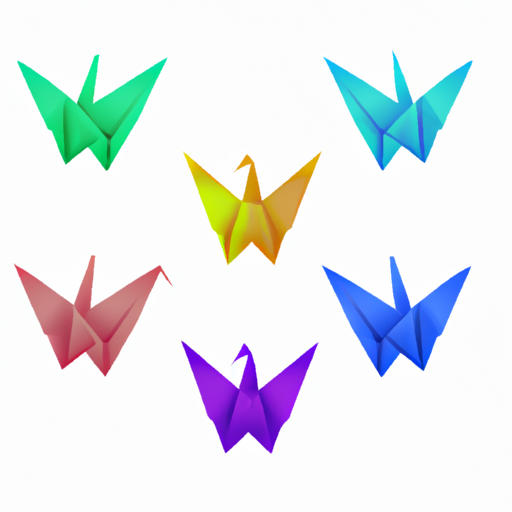
Example of visual style of Origami

Origami

Origami is a visual style inspired by the traditional Japanese art of paper folding. It gained popularity in the late 20th century and is characterized by sharp angles, crisp folds, and minimalist design. This style rose to prominence in the 1950s and 1960s when Japanese designers such as Issey Miyake and Akira Yoshizawa began incorporating origami-inspired elements into their fashion and artistic creations. The distinct geometric shapes and precision of origami captivated audiences worldwide. Origami became famous for its ability to transform flat sheets of paper into intricate three-dimensional forms, symbolizing the fusion of elegance and simplicity.

View StyleExplore Style
Home