
StylopediaStylopedia

Shadows styles on Stylopedia

A visual encyclopedia of shadows styles – use as prompt inspiration for Midjourney, Gemini, or ChatGPT AI when making shadows images

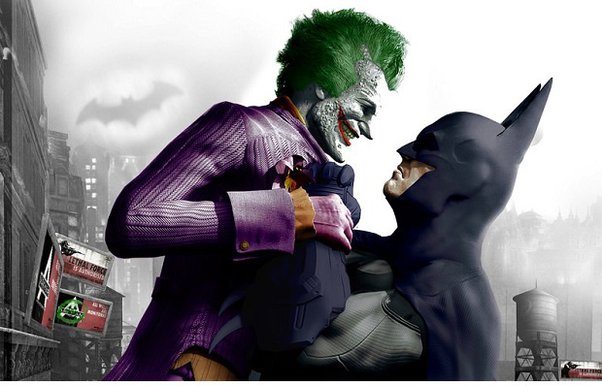
Example of visual style of Batman

Batman

The visual style of Batman is a dark and gritty aesthetic inspired by the popular DC Comics character. It became well-known in the late 1980s and early 1990s with the release of the iconic comic book series 'Batman: The Dark Knight Returns' by Frank Miller and the Tim Burton-directed film 'Batman' starring Michael Keaton. This style is characterized by dramatic use of shadows, atmospheric lighting, Gothic architecture, and a predominantly black color palette. The Batman visual style is famous for its brooding and mysterious atmosphere, reflecting the dark persona of the Caped Crusader.

View StyleExplore Style
Example of visual style of Bob Kane

Bob Kane

The Bob Kane visual style is best known for its dark and brooding atmosphere, characterized by heavy use of shadows and dramatic lighting. This style emerged in the late 1930s with the introduction of Batman, a comic book character created by Bob Kane. Kane's artistry and storytelling revolutionized the superhero genre, emphasizing a noir-inspired aesthetic that captivated audiences. The Bob Kane visual style gained significant popularity in the 1940s and 1950s, shaping the iconic look of Batman and Gotham City.

View StyleExplore Style
Example of visual style of Comic Book Noir

Comic Book Noir

Comic Book Noir is a visual style that combines elements of film noir and comic book aesthetics. It emerged in the 1980s and became famous through works like Frank Miller's 'Sin City' series. This style is characterized by high contrast black and white imagery, dramatic lighting, bold lines, and heavy use of shadows. It often features morally ambiguous characters, gritty urban settings, and a sense of mystery and crime. Comic Book Noir captures the dark, atmospheric mood of film noir and translates it into the graphic storytelling of comic books.

View StyleExplore Style

Example of visual style of Digital Lighting And Rendering

Digital Lighting And Rendering

Digital Lighting and Rendering is a visual style that emerged in the late 1990s and gained prominence in the early 2000s. It revolutionized the way lighting and rendering were approached in computer-generated imagery (CGI) by introducing highly realistic and dynamic lighting effects. This style became famous for its ability to create lifelike textures, shadows, reflections, and refractions, providing a level of visual realism never seen before. It played a vital role in the advancement of computer graphics in films, video games, and architectural visualizations.

View StyleExplore Style
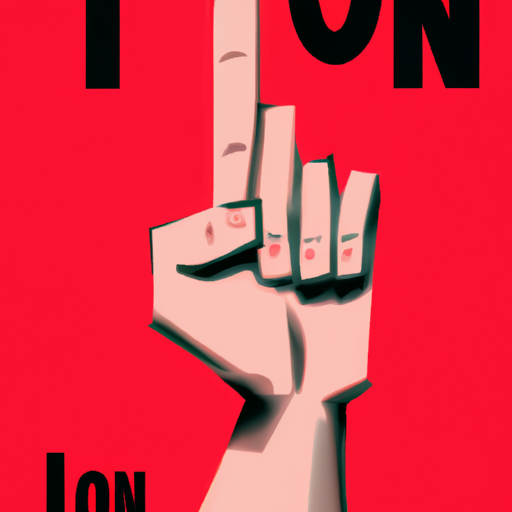
Example of visual style of Francis Ford Coppola

Francis Ford Coppola

Francis Ford Coppola is known for his visually striking and immersive storytelling style in cinema. His style emerged in the 1970s and became famous through films like "The Godfather" trilogy and "Apocalypse Now". Coppola's visual style is characterized by his meticulous attention to detail, use of dramatic lighting and shadows, elaborate set designs, and innovative camera techniques. These elements combine to create a visually rich and atmospheric experience for the audience.

View StyleExplore Style
Example of visual style of Fw Murnau

Fw Murnau

Fw Murnau was a German filmmaker known for his distinctive visual style which revolutionized the expressionist movement in the silent film era. Active during the 1920s, Murnau's films were characterized by their dynamic camera movements, creative use of lighting and shadows, and intricate set designs. His most famous works include 'Nosferatu' (1922) and 'Sunrise: A Song of Two Humans' (1927), which showcased his mastery of cinematic storytelling and paved the way for modern cinematic techniques.

View StyleExplore Style
Example of visual style of George Romero

George Romero

George Romero, a prominent filmmaker in the horror genre, was known for his distinctive visual style, especially in his later films. His style emerged in the late 1960s and continued throughout the 1970s and 1980s, making him one of the most influential directors in the genre. Romero's visual style was characterized by his innovative use of lighting, shadows, and framing techniques to create a sense of dread and horror. He often employed low-budget techniques, such as handheld cameras and practical effects, to create a visceral and gritty aesthetic. Romero's films were famous for their social commentaries on consumerism, racism, and other contemporary issues.

View StyleExplore Style
Example of visual style of Hellboy

Hellboy

Hellboy is a visual style that emerged in the comic book series of the same name, created by Mike Mignola in 1993. It is characterized by its dark and gritty aesthetic, blending elements of supernatural horror, pulp fiction, and occult folklore. The visuals often feature heavy use of shadows, contrast, and bold linework to create a sense of atmospheric and moody settings. Hellboy became famous for its unique blend of horror, fantasy, and adventure genres, along with its distinct art style that has influenced numerous artists and illustrators in the comic book industry.

View StyleExplore Style
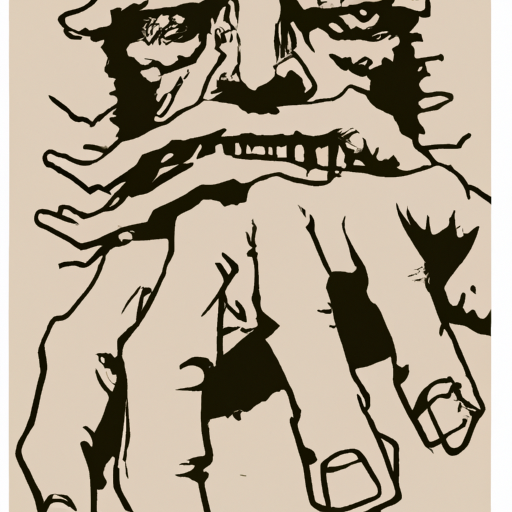
Example of visual style of Horror Film

Horror Film

Horror Film is a visual style that is characterized by its ability to induce fear, terror, and suspense in its audience. It emerged in the early 20th century and gained prominence in the 1960s and 1970s through films like Psycho (1960) and The Exorcist (1973). Horror films often incorporate elements such as darkness, shadows, distorted visuals, eerie music, and shocking imagery to create a terrifying atmosphere. The use of jump scares, supernatural elements, and psychological horror are common in this style, which became famous for its ability to elicit strong emotional reactions from viewers.

View StyleExplore Style
Example of visual style of Horror Filmmakers

Horror Filmmakers

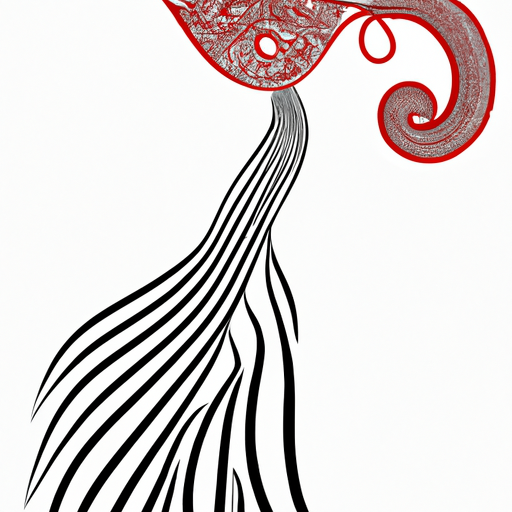
Horror Filmmakers is a visual style that emerged in the early 20th century and continues to be popular to this day. It is characterized by its ability to create a feeling of fear, darkness, suspense, and terror. Famous horror filmmakers, such as Alfred Hitchcock, Wes Craven, and John Carpenter, contributed to the popularity of this style by creating iconic horror films like Psycho, A Nightmare on Elm Street, and Halloween. The use of eerie lighting, shadows, eerie music, jump scares, and gruesome special effects are some of the key elements that make this style famous.

View StyleExplore Style

Example of visual style of Lawrence Sher

Lawrence Sher

Lawrence Sher is a cinematographer known for his moody and atmospheric visual style. He gained widespread recognition for his work on the film 'Joker' in 2019. Sher's style is characterized by a gritty and realistic aesthetic, with strong use of shadows and high contrast lighting. His cinematography often evokes a sense of unease and creates a dark atmosphere that enhances the storytelling. Sher has been praised for his ability to capture the psychological depth of characters through his visual choices. His work has been influential in modern cinematography.

View StyleExplore Style

Example of visual style of Mike Mignola

Mike Mignola

Mike Mignola is an American comic book artist and writer known for creating the visual style known as 'Mignola'. His unique style, developed in the 1980s, features heavy use of shadows, thick black lines, and minimalistic color palettes. Mignola's style became famous through his work on the comic book series Hellboy, which debuted in 1994. His distinctive artwork has since influenced a generation of comic book artists and has been praised for its dark and atmospheric tone.

View StyleExplore Style
Example of visual style of Milo Manara

Milo Manara

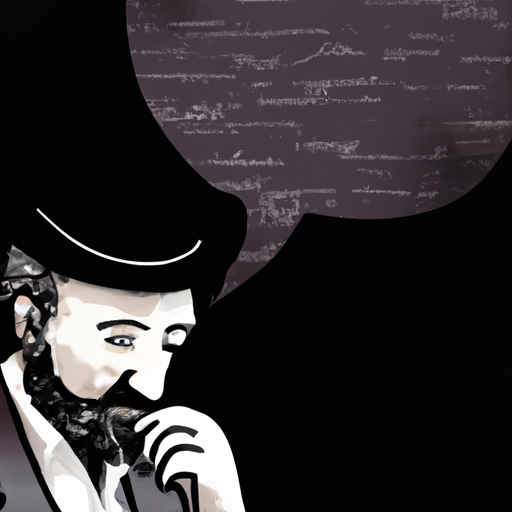
Milo Manara is an Italian comic book artist known for his highly detailed and realistic style. His work is characterized by intricate linework, bold use of shadows, and meticulous attention to anatomy. Manara gained widespread recognition in the 1980s for his erotic and sensual illustrations, particularly in collaborations with writer Federico Fellini and filmmaker Alejandro Jodorowsky. His provocative and boundary-pushing art has made him a prominent figure in the erotic comics genre.

View StyleExplore Style
Example of visual style of Neal Adams

Neal Adams

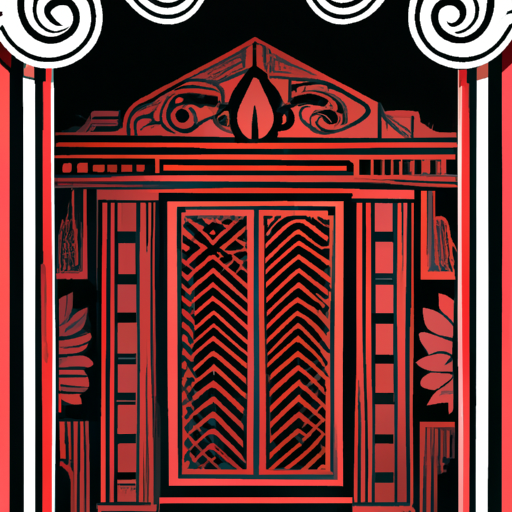
Neal Adams is an American comic book artist known for his realistic and dynamic drawing style. He rose to fame in the late 1960s and early 1970s, becoming one of the most influential artists of his time. Adams' work was characterized by intricate details, strong anatomical accuracy, and a heightened sense of realism. His use of dramatic lighting and shadows added depth and dimension to his illustrations. Adams' style revolutionized the comic book industry and set a new standard for superhero artwork.

View StyleExplore Style
Home