StylopediaStylopedia

Sexuality styles on Stylopedia

A visual encyclopedia of sexuality styles – use as prompt inspiration for Midjourney, Gemini, or ChatGPT AI when making sexuality images

Example of visual style of Barbara Hammer

Barbara Hammer

Barbara Hammer is known for her experimental and avant-garde visual style in film-making. She rose to prominence in the 1970s and became a pioneer of queer cinema. Hammer's work often explored themes of sexuality, gender, and identity, challenging societal norms and pushing the boundaries of artistic expression. Her use of innovative techniques, such as multiple exposures and hand processing, added a distinct visual dimension to her films. Through her work, Hammer became an influential figure in the feminist and LGBTQ+ art movements.

View StyleExplore Style

Example of visual style of Biomechanical Art

Biomechanical Art

Biomechanical Art is a visual style that emerged in the late 1970s and gained fame and recognition in the 1980s. It combines elements of organic and mechanical imagery to create surreal and often disturbing artworks. The style became famous through the works of Swiss artist H.R. Giger, who introduced his biomechanical designs in the sci-fi horror film 'Alien'. Biomechanical Art is characterized by intricate and detailed depictions of biomechanical creatures, merging human and machine, exploring themes of transformation, sexuality, and a dystopian future.

View StyleExplore Style
Example of visual style of Carolee Schneemann

Carolee Schneemann

Carolee Schneemann was an American visual artist known for her provocative and groundbreaking work in performance art, film, and installation. She rose to fame in the late 1960s and 1970s with her innovative approach to exploring the female body, sexuality, and gender roles. Schneemann's works often involved the use of her own body as a medium, challenging societal norms and pushing the boundaries of art. Her adventurous and fearless exploration of taboos made her a feminist icon and a pioneer of body art.

View StyleExplore Style
Example of visual style of Charles Burns

Charles Burns

The Charles Burns style is a unique blend of dark, surreal and grotesque imagery. Burns gained fame in the late 20th century through his distinctive black and white illustrations in comics and graphic novels. His work is characterized by its intricate linework, stark contrast, and distorted, often unsettling characters. Burns became particularly famous for his graphic novel series 'Black Hole', published from 1995 to 2005, which explored themes of adolescence, sexuality, and body horror.

View StyleExplore Style
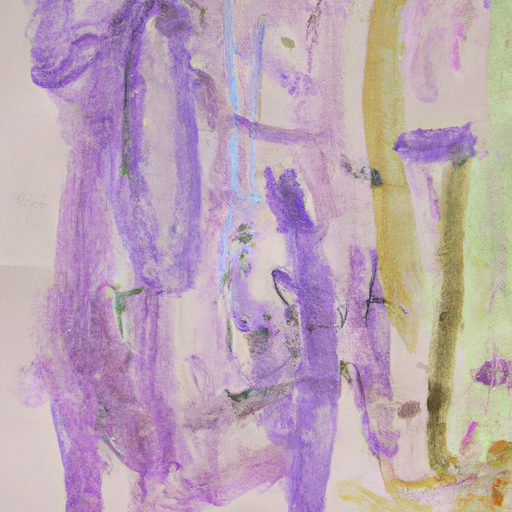
Example of visual style of Cy Twombly

Cy Twombly

Cy Twombly is a visual style characterized by abstract and gestural paintings. Born in 1928, Twombly emerged as a prominent artist in the 1950s and gained recognition for his expressive and calligraphic works. Twombly's style is known for its dynamic brushwork, scribbles, and drips, often combining elements of drawing and painting. His works are emotionally charged and full of lyricism, evoking a sense of spontaneity and raw creativity. Twombly's art became famous for its unique blend of graffiti-like mark-making and references to classical mythology. Throughout his career, he explored themes of love, sexuality, and the fragility of human existence. His style has influenced subsequent generations of artists.

View StyleExplore Style
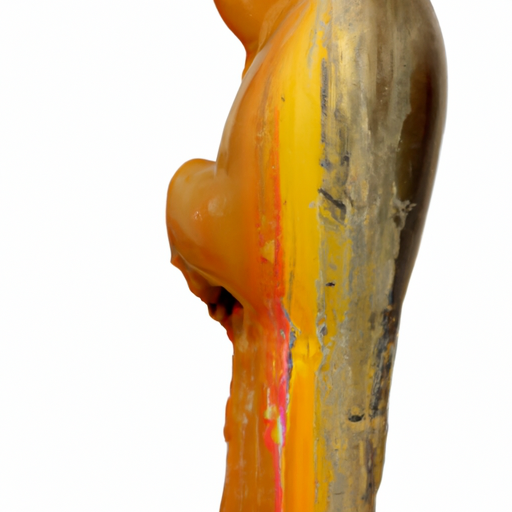
Example of visual style of Feminist Art Movement

Feminist Art Movement

The Feminist Art Movement emerged in the late 1960s and gained prominence in the 1970s. It aimed to challenge and overturn patriarchal norms in art and society, advocating for gender equality and women's rights. Feminist art used various mediums such as painting, sculpture, performance art, and photography to explore women's experiences, identities, and the social construct of gender. Notable artists like Judy Chicago, Cindy Sherman, and Faith Ringgold played instrumental roles in popularizing feminist art and sparking important debates around representation, sexuality, and power dynamics in the art world.

View StyleExplore Style
Example of visual style of Francesco Clemente

Francesco Clemente

Francesco Clemente is an Italian contemporary artist known for his diverse range of styles and mediums. His visual style combines elements of postmodernism, neo-expressionism, and traditional Indian art. Clemente gained popularity in the 1980s for his vivid and intensely personal works that often incorporated symbolic and dreamlike imagery. His paintings, drawings, and mixed-media pieces explore themes of spirituality, identity, and sexuality. Clemente's distinct style and exploration of cultural and spiritual themes made him a prominent figure in the contemporary art world during the 1980s.

View StyleExplore Style
Example of visual style of Louise Bourgeois

Louise Bourgeois

Louise Bourgeois was a French-American artist known for her unique and diverse visual style. Born in 1911, Bourgeois gained recognition in the late 20th century for her innovative and thought-provoking sculptures, installations, and prints. Her works often explore themes of sexuality, femininity, and the human condition. Bourgeois' use of unconventional materials, such as fabric, plaster, and metal, along with her skillful craftsmanship, contributed to her fame and influence in the art world.

View StyleExplore Style
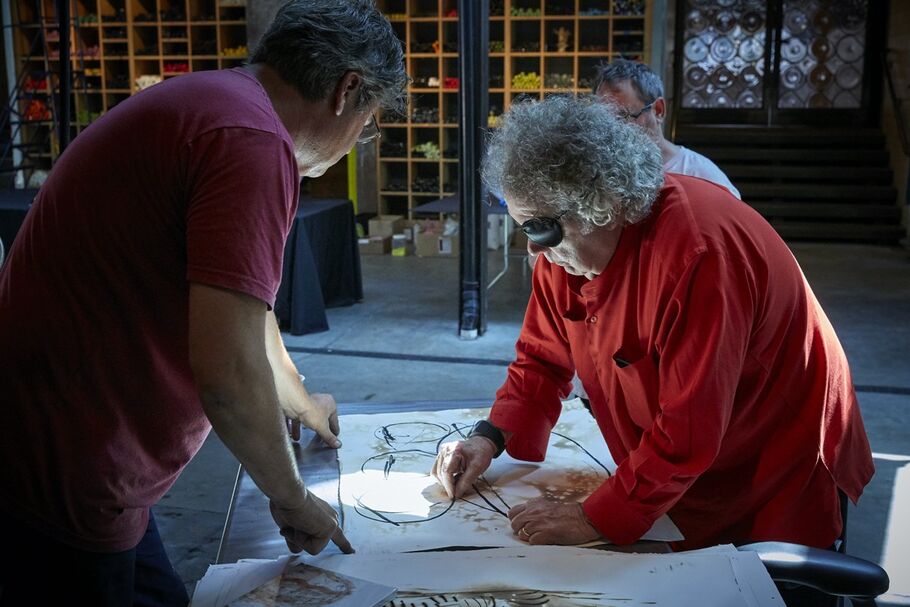
Example of visual style of Makoto Aida

Makoto Aida

Makoto Aida is a contemporary Japanese artist known for his provocative and satirical artworks. His style emerged in the 1990s and gained fame for its bold, often disturbing, and socially critical visual language. Aida's works are characterized by their intricate detail, vibrant colors, and a combination of traditional Japanese techniques and modern pop culture references. His art often explores themes of war, consumerism, sexuality, and the darker aspects of society. Aida gained international recognition with his series 'Monument for Nothing,' exhibited in 2000 at the Yokohama Triennale. This series depicted disturbing scenes of war, violence, and destruction, challenging traditional notions of history and power.

View StyleExplore Style
Example of visual style of Pedro Almodovar's Costume Designers

Pedro Almodovar's Costume Designers

Pedro Almodovar's Costume Designers style is characterized by vibrant and flamboyant costumes that play a significant role in conveying the emotions and identities of the characters. This style emerged in the 1980s and became famous through the works of Pedro Almodovar, a renowned Spanish film director known for his colorful and melodramatic films. The costume designers working with Almodovar created visually captivating costumes that often reflect the themes of gender, sexuality, and Spanish culture.

View StyleExplore Style
Example of visual style of Sarah Lucas

Sarah Lucas

Sarah Lucas is a British contemporary artist known for her provocative and challenging approach to gender, sexuality, and the human body. She emerged in the 1990s as part of the Young British Artists movement and gained international recognition. Lucas became famous for her use of everyday objects, such as cigarettes, stuffed tights, and furniture, to create sculptures, installations, and photographs that challenge traditional notions of femininity and masculinity.

View StyleExplore Style
Example of visual style of Todd Haynes

Todd Haynes

Todd Haynes is known for his visually stunning and highly stylized films. His style emerged in the 1990s and became famous for its meticulous attention to detail and rich visual storytelling. Haynes often incorporates elements of classic Hollywood cinema, using vibrant colors, evocative lighting, and meticulously designed sets to create a unique cinematic experience. His films often explore themes such as identity, sexuality, and social dynamics, and his visual style plays a crucial role in enhancing these narratives.

View StyleExplore Style
Home