StylopediaStylopedia

Seamless integration styles on Stylopedia

A visual encyclopedia of seamless integration styles – use as prompt inspiration for Midjourney, Gemini, or ChatGPT AI when making seamless integration images

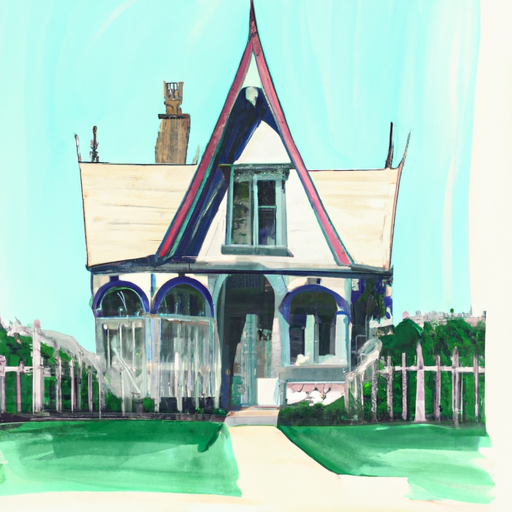
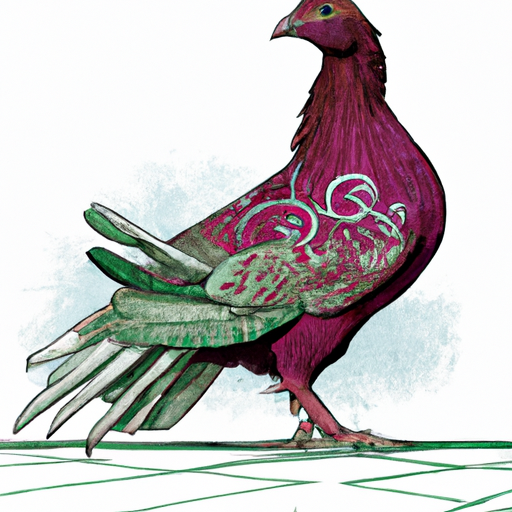
Example of visual style of Alex Roman

Alex Roman

Alex Roman is a visual style known for its realistic and cinematic portrayal of architectural and urban environments. This style became famous with the release of the short film 'The Third & The Seventh' in 2009, which showcased Roman's meticulous attention to detail and seamless integration of computer-generated and live-action elements. The film received widespread acclaim for its photo-realistic visuals and atmospheric lighting, establishing Roman as a pioneer in architectural visualization.

View StyleExplore Style
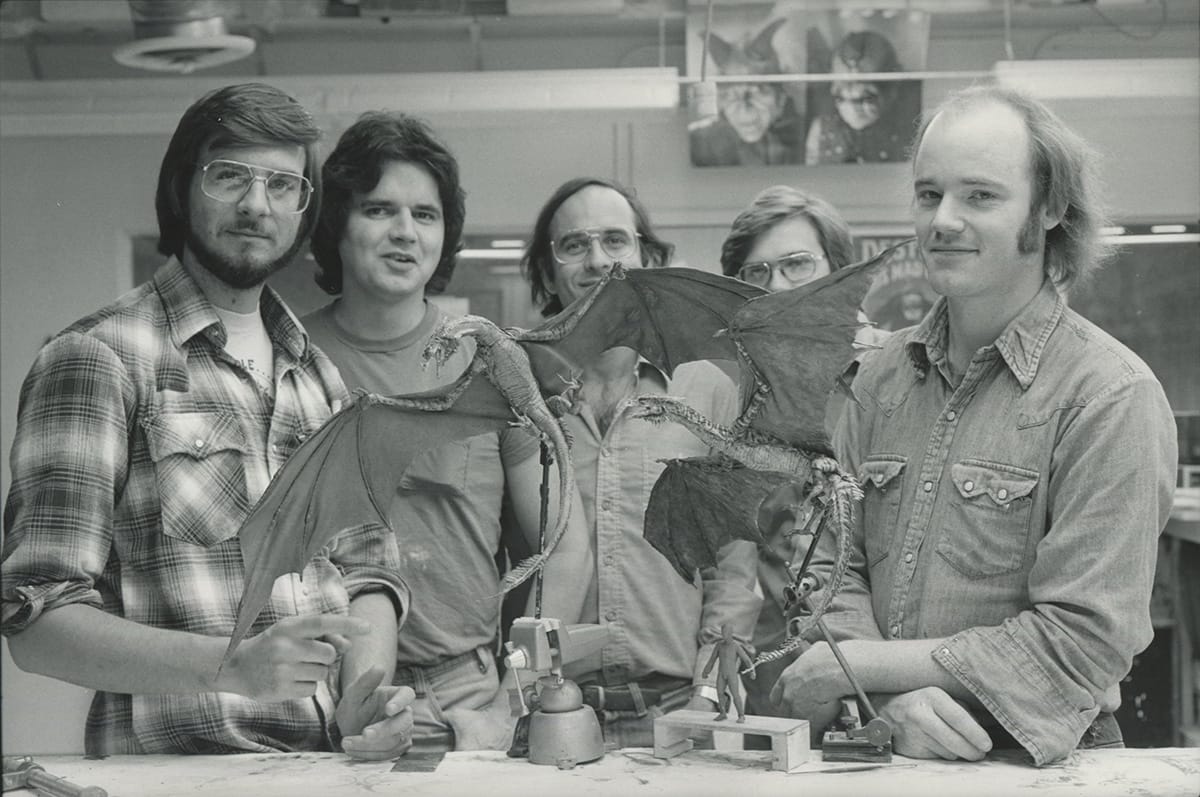
Example of visual style of Dennis Muren

Dennis Muren

Dennis Muren is a visual effects artist known for his groundbreaking work in films from the late 1970s to present. His innovative techniques and achievements in special effects have revolutionized the industry. Muren's work became famous through his collaboration with director Steven Spielberg and his involvement in films like Star Wars, E.T. the Extra-Terrestrial, and Jurassic Park. His style is characterized by seamless integration of visual effects into live-action footage, creating a realistic and immersive experience for audiences.

View StyleExplore Style
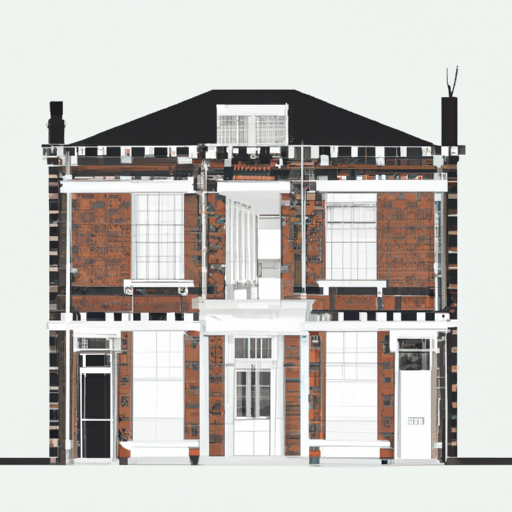
Example of visual style of Nathan Crowley

Nathan Crowley

Nathan Crowley is a visual artist known for his distinct style in production design for films. Beginning in the late 1990s, Crowley gained recognition for his work on iconic movies such as 'The Dark Knight' (2008) and 'Interstellar' (2014). His style is characterized by its grandiosity, attention to detail, and seamless integration of technology and practical effects. Crowley's use of sleek and futuristic designs, combined with his ability to create immersive and visually stunning worlds, has made him a highly sought-after production designer in the film industry.

View StyleExplore Style
Example of visual style of Peter Lamont

Peter Lamont

Peter Lamont was a British production designer known for his work in the film industry during the late 20th century. He gained recognition for his collaboration with director John Glen on five James Bond films in the 1980s. His visual style was characterized by its attention to detail, sleek sophistication, and futuristic elements. Lamont's designs were notable for their seamless integration of practical sets and advanced special effects, creating a visually stunning and immersive experience for audiences.

View StyleExplore Style
Example of visual style of Robert Zemeckis

Robert Zemeckis

Robert Zemeckis is known for his innovative visual style in filmmaking, particularly in the use of advanced special effects and technology. His style is characterized by seamless integration of live-action footage with computer-generated imagery, pushing the boundaries of visual storytelling. Zemeckis rose to fame in the 1980s and 1990s through films like 'Back to the Future' (1985) and 'Forrest Gump' (1994), which showcased groundbreaking visual techniques and won multiple Academy Awards. His style became famous for its ability to transport audiences into fantastical worlds and blend reality with fantasy.

View StyleExplore Style
Example of visual style of Willis Obrien

Willis Obrien

Willis Obrien was a pioneer in the field of stop-motion animation, active primarily in the early 20th century. He is best known for his groundbreaking work on films such as 'The Lost World' (1925) and 'King Kong' (1933). Obrien's visual style involved meticulously animating model creatures and integrating them seamlessly into live-action footage, creating a sense of wonder and awe. His use of stop-motion animation techniques brought fantastical creatures to life on the big screen, captivating audiences and revolutionizing the film industry.

View StyleExplore Style
Home