
Aegean Art
Aegean Art is a style of art that flourished in the Aegean region during the Bronze Age. Known for its intricate frescoes, pottery, and sculptures, this art form was popular from around 3000 BCE to 1100 BCE.
View StyleExplore Style Stylopedia
A visual encyclopedia of sculptures styles – use as prompt inspiration for Midjourney, Gemini, or ChatGPT AI when making sculptures images
Aegean Art is a style of art that flourished in the Aegean region during the Bronze Age. Known for its intricate frescoes, pottery, and sculptures, this art form was popular from around 3000 BCE to 1100 BCE.
View StyleExplore Style
Ajanta Caves are famous for their ancient Buddhist cave paintings and sculptures dating back to 2nd century BCE to 480 CE. The style is characterized by intricate details, vibrant colors, and religious themes.
View StyleExplore Style
The Alexander Calder visual style is characterized by abstract and kinetic sculptures. Calder's works became famous in the mid-20th century for their use of bold colors, organic shapes, and the ability to move and create dynamic effects. His signature mobiles, which are suspended sculptures that move with the airflow, became iconic. Calder's style combined elements of modernism and surrealism, and he is considered one of the pioneers of kinetic art.
View StyleExplore Style
The Amaravati School Of Art was prominent from 2nd century BC to 3rd century AD in Amaravati, India. Known for intricate carvings on stupas, pillars, and sculptures depicting scenes from the life of Buddha.
View StyleExplore Style
Ancient Roman Art refers to the artistic style developed in ancient Rome between the 4th century BC and the 4th century AD. It was heavily influenced by the art of ancient Greece and Etruria. Some of the most famous works include the iconic sculptures like the Roman copies of Greek statues, such as the 'Dying Gaul' and 'Laocoön and His Sons'. It is also famous for its intricate mosaics, frescoes, and architecture, such as the Colosseum and the Pantheon.
View StyleExplore Style
The visual style of Ancient Romans is characterized by grand architecture, intricate mosaics, and detailed sculptures. Spanning from 8th century BC to 5th century AD, this style is famous for its use of columns, arches, and domes in buildings like the Colosseum and Pantheon.
View StyleExplore Style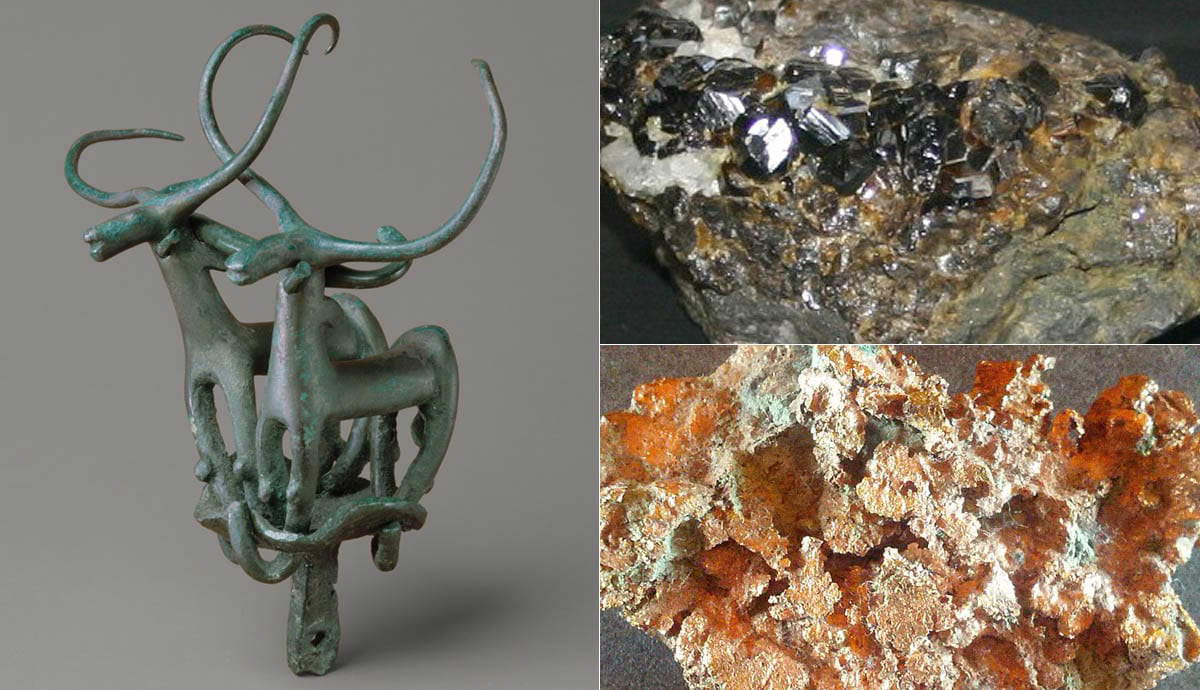
Bronze Age Art is a visual style that emerged around 3300 BC to 1200 BC characterized by the use of bronze material for sculptures, weapons, and other artifacts. This period is famous for intricate metalwork and the development of advanced technical skills in creating bronze objects.
View StyleExplore Style
Catedral De Notre Dame De Paris is a Gothic architectural style that emerged in the 12th century and spread throughout Europe. It is characterized by pointed arches, ribbed vaults, and soaring vertical structures. The use of stained glass windows and detailed sculptures added to its magnificence. The construction of Notre Dame de Paris, which lasted from 1163 to 1345, served as a prime example of this style and made it famous worldwide.
View StyleExplore Style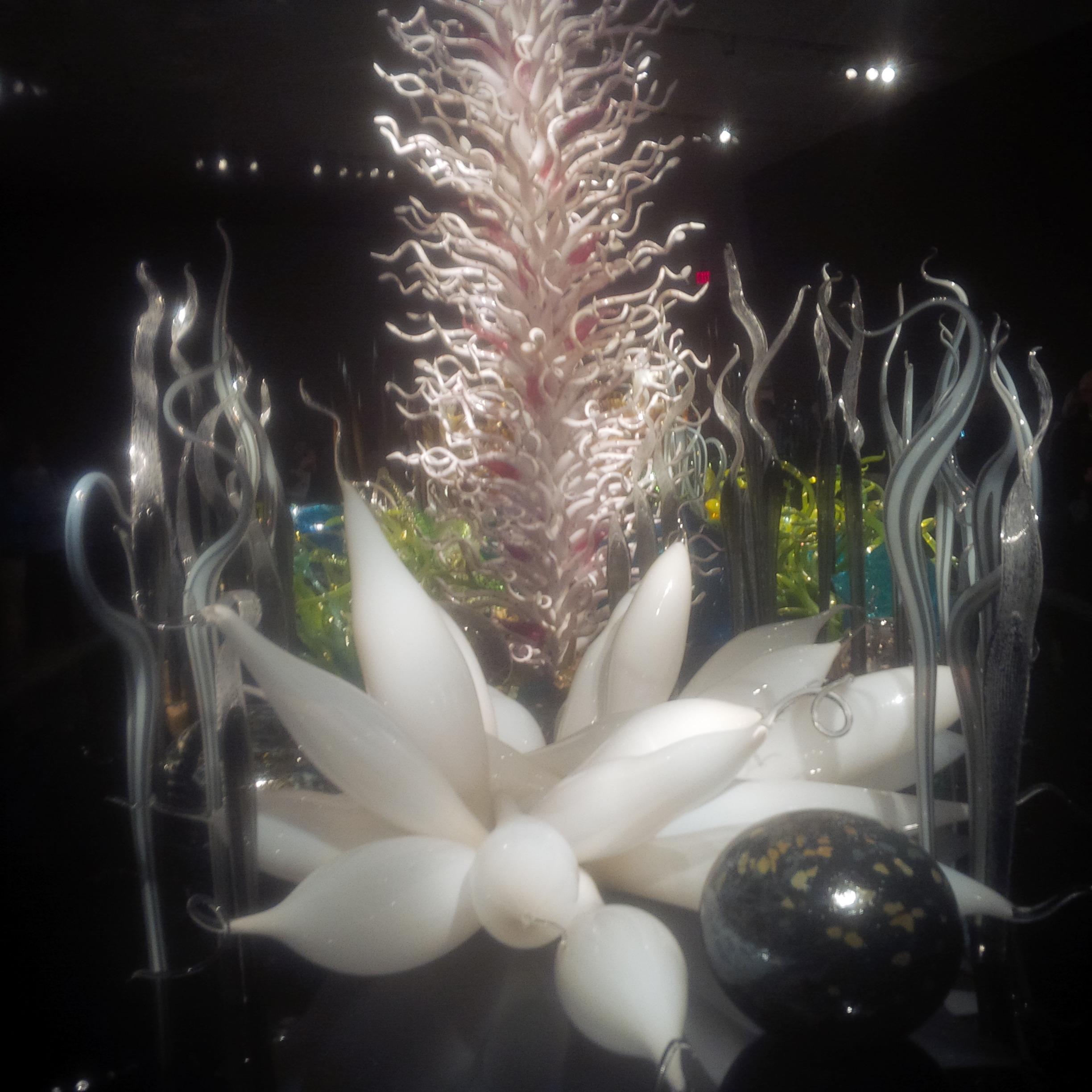
Dale Chihuly is a glass artist known for his large-scale, vibrant, and intricate glass sculptures. He gained fame in the 1970s and 1980s for pushing the boundaries of traditional glassblowing techniques.
View StyleExplore Style
Eric Joisel is known for his intricate and lifelike origami sculptures. He gained recognition for his work in the late 20th century and remained influential until his death in 2010. Joisel's style is characterized by the use of complex folding techniques and attention to detail, resulting in sculptures that appear almost organic. His ability to transform a flat sheet of paper into three-dimensional forms with incredible realism is what made him famous.
View StyleExplore Style
Erwin Wurm is a contemporary Austrian artist known for his quirky, humorous, and thought-provoking sculptures and installations. His work gained recognition in the late 20th century and continues to inspire audiences with its unique blend of humor and deep philosophical ideas.
View StyleExplore Style
Gandhara Art flourished in the region of Gandhara in Pakistan and Afghanistan from the 1st to 5th centuries AD. It is characterized by a blend of Hellenistic, Indian, and Persian artistic influences, especially seen in its sculptures of Buddha.
View StyleExplore StyleThe Gandhara School of Art flourished from the 1st to 6th centuries AD in the Gandhara region (present-day Pakistan and Afghanistan), known for its unique blend of Greco-Roman and Indian styles, characterized by its depiction of Buddha statues and relief sculptures.
View StyleExplore Style
Grand Baroque Style was a highly ornate and extravagant visual style that emerged in Europe during the late 17th and early 18th centuries. It reached its peak in popularity during the Baroque period (1600-1750). This style is characterized by its opulence, dynamism, and intricate detailing. Grand Baroque Style is famous for its lavish use of decorations such as gilding, heavy draperies, dramatic sculptures, and elaborate architectural designs. The emphasis on grandeur and theatricality made this style popular among the European aristocracy and the Catholic Church.
View StyleExplore Style
Gupta Art was a style of art that flourished during the Gupta Empire in India from 320-550 AD, featuring intricate carvings, sculptures, and paintings. Known for its naturalistic representations of human figures and divine beings.
View StyleExplore Style
Hans Haacke is known for his conceptual and politically charged installations and sculptures. His work often explores the relationships between art, commerce, and politics. Haacke gained fame in the 1960s and continues to be a prominent figure in the art world today.
View StyleExplore Style
Heather Dewey Hagborg's visual style involves creating sculptures based on DNA from found objects, exploring themes of privacy and identity. This style gained attention in the early 2010s for its unique blend of science, technology, and art.
View StyleExplore Style
Helen Pashgian is known for her luminescent and ethereal sculptures that epitomize the Light and Space movement of the 1960s. Using materials like cast acrylic and resin, Pashgian creates objects that capture and manipulate light, resulting in an otherworldly and immersive experience for the viewers. Her work gained recognition in the art world for its innovative use of materials and its exploration of light as a transformative element. Pashgian's style became famous in the 1960s and continues to be influential in contemporary art.
View StyleExplore Style
Hellenistic Art flourished between the 4th century BC and the 1st century BC. It is known for its realistic and dramatic representations, emotional expressions, and an emphasis on intricate details. Influenced by Greek culture and mythology, this style gained fame for its lively and dynamic compositions. Hellenistic Art is characterized by a focus on individualism, movement, and the portrayal of intense emotions, often depicted through grand sculptures and elaborate mosaics.
View StyleExplore Style
Josep Puig I Cadafalch was a Catalan architect known for his Modernisme style, which blended traditional Catalan architecture with Art Nouveau elements. His work gained prominence in the early 20th century and is characterized by ornate details, intricate sculptures, and use of natural materials.
View StyleExplore Style
Ken Price is known for his colorful, abstract ceramic sculptures that blur the line between art and craft. His work became famous in the 1960s for its innovative use of color and form, making him a pioneer in the field of contemporary ceramics.
View StyleExplore Style
The Mathura School of Art flourished during the 1st and 3rd centuries in the region of Mathura, India. It is known for its intricate carvings and sculptures depicting Hindu gods and goddesses.
View StyleExplore Style
Origami is the art of paper folding that originated in Japan around the 17th century. It involves creating intricate designs and sculptures using a single sheet of paper without cutting or gluing.
View StyleExplore Style
Paper Folding is a visual style that involves the intricate folding of paper to create sculptures or artwork. It gained popularity in the 20th century as a form of origami and is known for its precision, creativity, and delicate beauty.
View StyleExplore Style
The Parthenon Sculptures are a collection of ancient Greek sculptures created between 447 and 432 BC. These sculptures are famous for their exquisite detail and idealized forms, depicting gods, goddesses, and mythical scenes.
View StyleExplore Style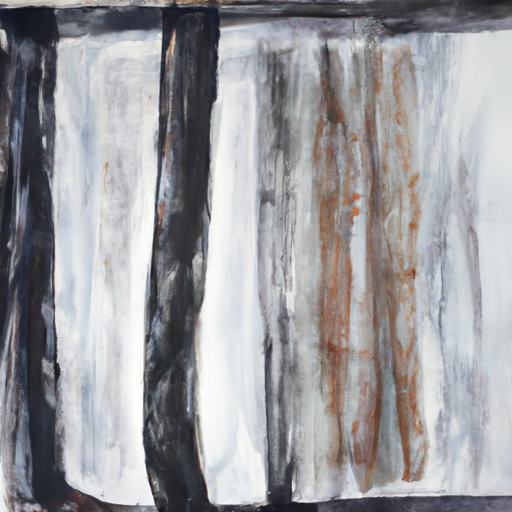
Per Kirkeby was a Danish painter, sculptor, and writer. His style, which emerged in the 1960s, can be described as a blend of abstract expressionism and architecture. Kirkeby's paintings often feature bold, gestural brushstrokes and a rich palette of earthy colors. He was deeply influenced by geological formations and landscapes, which he incorporated into his work. Kirkeby gained fame in the 1980s through his large-scale murals and sculptures that adorned public spaces. Known for his versatility, Kirkeby also experimented with various mediums such as printmaking, sculpture, and even poetry. His distinctive style and multidisciplinary approach made him a prominent figure in the contemporary art world.
View StyleExplore Style
Rachel Whiteread is a British artist known for her minimalist and conceptual sculptures. Her style is characterized by the casting of negative spaces, particularly those found in everyday objects and architectural structures. Whiteread gained fame in the 1990s for her large-scale public art projects, such as 'House' in 1993, where she filled an entire house with concrete and then removed the original structure, leaving only the casted interior. This groundbreaking work marked a shift in contemporary art, challenging traditional notions of sculpture and representation.
View StyleExplore Style
Rebecca Horn is a German visual artist known for her kinetic sculptures, installations, and performances that blend the human body and mechanical elements. She rose to fame in the 1970s for her innovative approach to art.
View StyleExplore Style
Richard Serra is an American artist known for his minimalist and monumental sculptures. He rose to prominence in the late 1960s and early 1970s with his site-specific steel sculptures that redefine spatial boundaries and challenge the viewer's perception of space and time. Serra's work often consists of large, curved or spiraling metal forms that interact with the architectural environment. His sculptures invite viewers to physically engage with the artwork and experience its scale and weight, creating an immersive and contemplative experience. Serra's innovative approach to sculpture has made him a key figure in contemporary art.
View StyleExplore Style
Ron Mueck is a visual artist known for his hyperrealistic sculptures. His works became famous in the early 21st century for their astonishing level of detail and size. Mueck's sculptures often depict either oversized or undersized human figures, which create a sense of unease and fascination. He first gained widespread recognition in 1997 with his sculpture 'Dead Dad,' exhibited at the Royal Academy of Arts in London. Mueck's meticulous craftsmanship and ability to capture human emotion through his sculptures have made him a notable figure in contemporary art.
View StyleExplore Style
Sarah Lucas is a British contemporary artist known for her provocative and challenging approach to gender, sexuality, and the human body. She emerged in the 1990s as part of the Young British Artists movement and gained international recognition. Lucas became famous for her use of everyday objects, such as cigarettes, stuffed tights, and furniture, to create sculptures, installations, and photographs that challenge traditional notions of femininity and masculinity.
View StyleExplore Style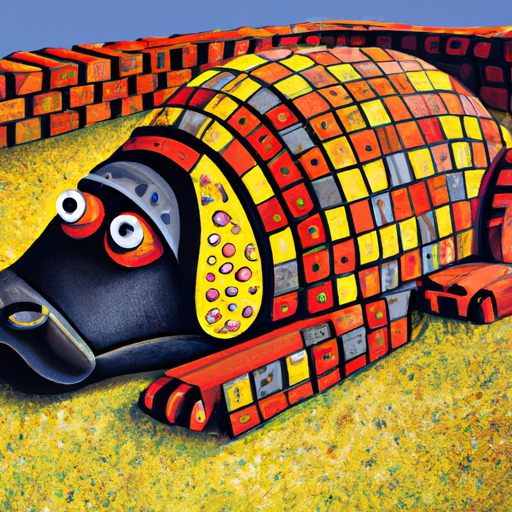
The Sophie Ryder style is characterized by its whimsical and emotive sculptures featuring hybrid creatures in various poses. This style emerged in the late 1980s and became famous for its unique combination of human and animal forms, often created using wire and bronze. The expressive nature of the sculptures and their ability to evoke strong emotions in viewers has made Sophie Ryder's work highly recognized and celebrated in the contemporary art world.
View StyleExplore Style
The Terracotta Army style refers to the life-sized terracotta sculptures of soldiers and horses found in the mausoleum of the first Qin Emperor of China, Qin Shi Huang (221-206 BCE). This style became famous for its intricate details, realistic features, and historical significance.
View StyleExplore Style
Wangechi Mutu is a visual artist known for her collages, sculptures, and mixed media works. Her style is characterized by the fusion of various materials, including magazine cutouts, paint, and found objects, to create intricate and surreal compositions. Mutu gained recognition in the early 2000s for her powerful exploration of Afrofuturism, identity, and the representation of Black women in art. Her works often depict hybrid figures that challenge traditional notions of beauty and confront issues of gender, race, and power. Mutu's unique visual language has made her one of the leading contemporary artists of her generation.
View StyleExplore Style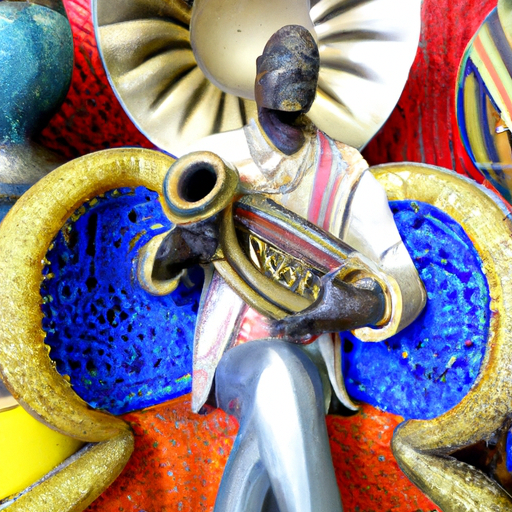
Yinka Shonibare is a contemporary Nigerian-British artist known for his use of African textiles in sculptures, installations, and paintings. His signature style is characterized by vibrant, colorful fabrics that wrap around his sculptures, symbolizing the complex interplay between African and European cultures. Shonibare's work often explores themes of colonialism, globalization, identity, and power dynamics. His fusion of traditional African patterns with Western art forms has made him renowned internationally and has cemented his unique place in the contemporary art world.
View StyleExplore Style
Yoshitoshi Kanemaki is known for his hyperrealistic sculptures that blend human and natural forms. His work gained recognition in the early 2000s for its intricate detailing and emotive presence.
View StyleExplore Style