StylopediaStylopedia

Science fiction styles on Stylopedia

A visual encyclopedia of science fiction styles – use as prompt inspiration for Midjourney, Gemini, or ChatGPT AI when making science fiction images

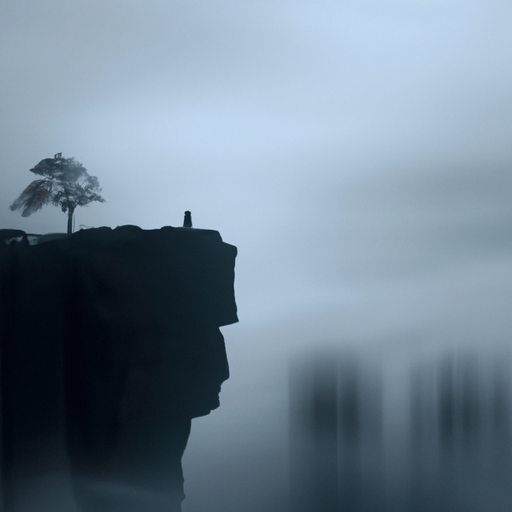
Example of visual style of Aline Bonetto

Aline Bonetto

Aline Bonetto is a production designer known for her work in film, particularly in the fantasy and science fiction genres. Her visual style is characterized by attention to detail and a strong emphasis on world-building. Bonetto's work became famous in the early 2000s when she collaborated with director Jean-Pierre Jeunet on the films 'Amélie' (2001) and 'A Very Long Engagement' (2004). Her meticulous set designs and imaginative environments created immersive and visually stunning worlds that captivated audiences.

View StyleExplore Style
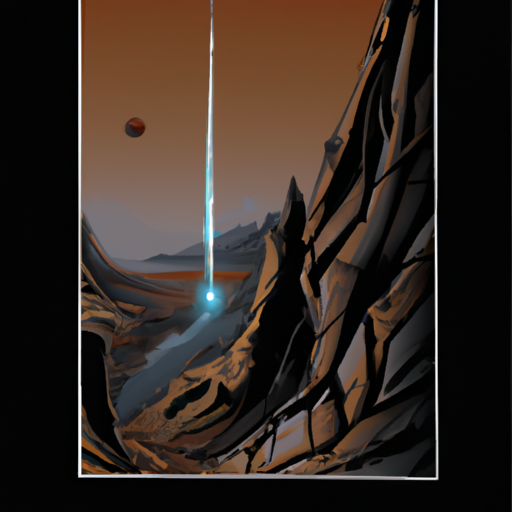
Example of visual style of Andy Park

Andy Park

Andy Park is a concept artist known for his work in creating iconic and visually stunning designs for characters and environments in the entertainment industry. His style is characterized by realistic proportions, dynamic poses, and intricate details, particularly in the superhero and science fiction genres. Park's work has gained recognition for its ability to bring beloved characters to life on the big screen, making him a highly sought-after artist in the field.

View StyleExplore Style
Example of visual style of Anime Art

Anime Art

Anime Art is a popular visual style originating from Japan. It gained significant prominence in the 1980s and has since become a global phenomenon. Anime Art is characterized by its distinctive and vibrant animation, often featuring colorful and exaggerated characters with large, expressive eyes. This style incorporates elements of traditional Japanese art and culture, mixed with modern influences. It is known for its wide variety of genres, including action, fantasy, romance, and science fiction, which have contributed to its immense popularity worldwide.

View StyleExplore Style
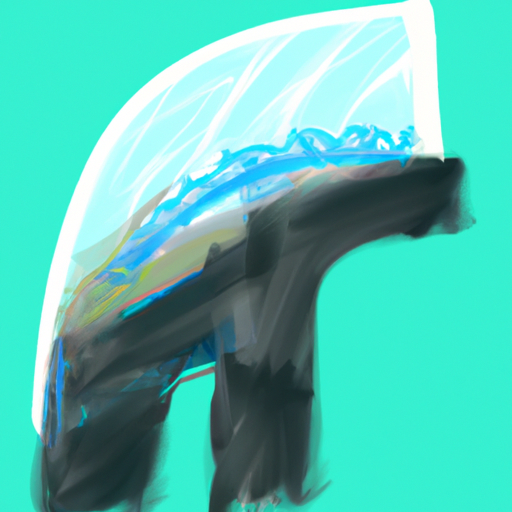
Example of visual style of Anime Style

Anime Style

Anime style is a distinctive art form that originated in Japan in the 20th century. It gained popularity in the mid-1960s and continues to be widely recognized today. This style is characterized by its colorful and vibrant visuals, exaggerated features, expressive facial expressions, and often intricate backgrounds. Anime became famous for its ability to captivate audiences with imaginative storytelling and compelling characters, often crossing genres to explore a wide range of themes, from fantasy and science fiction to romance and drama.

View StyleExplore Style
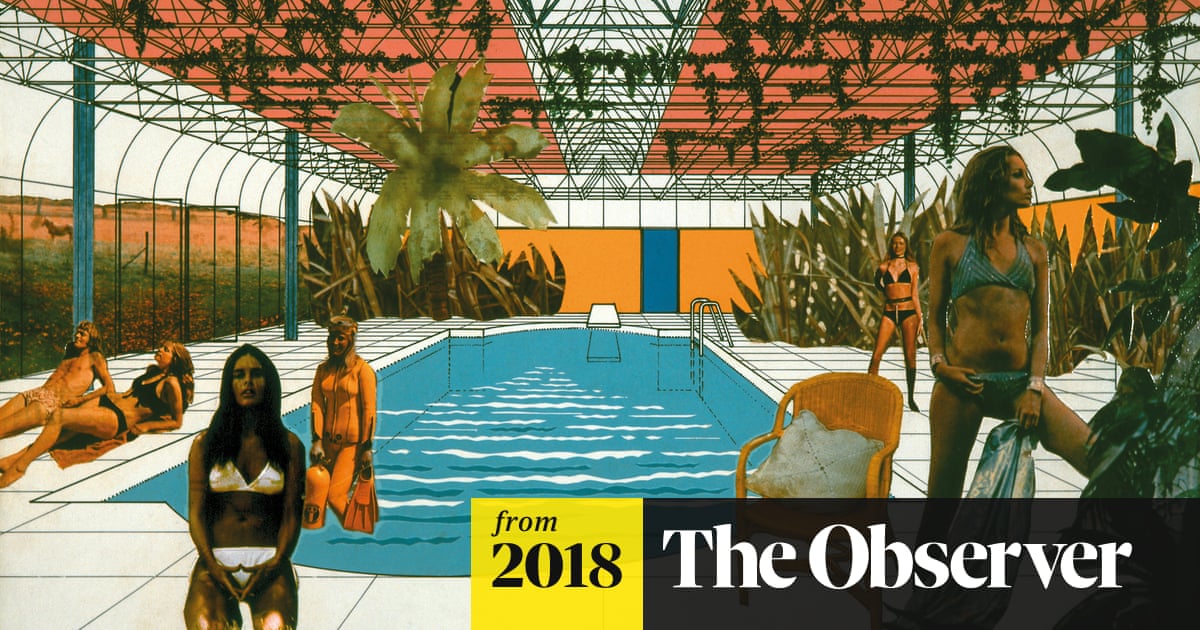
Example of visual style of Archigram

Archigram

Archigram is an avant-garde architectural design collective that was active during the 1960s. Known for their imaginative and futuristic proposals, Archigram pushed the boundaries of traditional architecture and embraced technology, pop culture, and science fiction influences. The group gained fame for their iconic projects such as the Walking City and Plug-in City, which envisioned mobile and adaptable environments that could be disassembled and reconfigured. Archigram's style captured the spirit of the '60s counterculture and embraced the emerging digital age, making them pioneers in the field of speculative and conceptual architecture.

View StyleExplore Style
Example of visual style of Avatar

Avatar

Avatar is a visually stunning science fiction film that was released in 2009. Its groundbreaking use of 3D technology and extensive use of computer-generated imagery (CGI) made it famous. The film was directed by James Cameron and is set in the mid-22nd century on the moon Pandora. It follows the story of a paraplegic marine who inhabits an alien body, known as an Avatar, as part of a scientific experiment. Avatar's visual style is characterized by its vibrant and lush environments, innovative creature designs, and intricate attention to detail in creating the alien world of Pandora.

View StyleExplore Style

Example of visual style of Blade Runner

Blade Runner

Blade Runner is a dystopian science fiction style that emerged in the 1980s. It is known for its dark, futuristic cityscapes, neon-lit streets, heavy rain, and industrial decay. The style became famous for its unique blend of film noir and cyberpunk elements, creating a visually stunning world. It was popularized by the 1982 film 'Blade Runner' directed by Ridley Scott, which showcased the genre's signature visuals and became highly influential in the realm of science fiction filmmaking.

View StyleExplore Style

Example of visual style of Concept art

Concept art

Concept Art is a style of illustration that is used to convey an initial visual representation of ideas, designs, and concepts for various forms of media such as films, video games, and animations. It gained prominence in the 1970s and 1980s with the rise of science fiction and fantasy genres. Concept Art became famous for its ability to create imaginative and fantastical worlds, creatures, and characters. Artists in this style use a combination of traditional and digital techniques to create detailed and visually stunning artwork that sets the tone and direction for the final visual production.

View StyleExplore Style

Example of visual style of Cyberpunk Genre

Cyberpunk Genre

Cyberpunk Genre is a futuristic visual style that emerged in the 1980s and gained popularity in the 1990s. It is characterized by its dystopian and high-tech atmosphere, blending elements of science fiction, technology, and urban decay. With a focus on advanced technologies, artificial intelligence, and the effects of globalization, Cyberpunk Genre explores themes of oppression, corrupt governments, and the interaction between humans and computer systems. Its iconic aesthetic includes neon lights, rain-soaked urban landscapes, towering skyscrapers, cybernetic body modifications, and a sense of digital urban chaos. Cyberpunk gained fame through literature such as William Gibson's 'Neuromancer' and films like 'Blade Runner', which solidified its visual style.

View StyleExplore Style
Example of visual style of David A Hardy

David A Hardy

David A Hardy is a British space artist known for his vibrant and imaginative depictions of space and science fiction scenes. His style emerged in the 1950s and became famous for its attention to detail, bold use of color, and futuristic imagery. Hardy's work gained recognition through his illustrations for popular science fiction books by authors like Arthur C. Clarke and Isaac Asimov. He is renowned for capturing the wonder and excitement of space exploration through his unique blend of science and art.

View StyleExplore Style
Example of visual style of Don Dixon

Don Dixon

The Don Dixon visual style emerged in the 1970s and gained significant popularity in the 1980s. Known for his vivid and highly detailed science fiction and astronomical illustrations, Dixon's work encapsulated the spirit of space exploration and futuristic concepts. His illustrations were characterized by a combination of technical precision and imaginative storytelling, bringing to life the wonders of the cosmos. Dixon's attention to scientific accuracy and his ability to create breathtaking scenes filled with otherworldly landscapes and space vehicles made his work iconic in the field of space art.

View StyleExplore Style
Example of visual style of Douglas Adams

Douglas Adams

The visual style of Douglas Adams is characterized by a blend of whimsical science fiction, satirical humor, and imaginative storytelling. Adams was an English author best known for his book series 'The Hitchhiker's Guide to the Galaxy', which gained immense popularity in the late 1970s and early 1980s. His unique writing style and wit captivated readers, combining fantastical worlds, absurd characters, and clever wordplay. Adams' visual style is often associated with vibrant and colorful illustrations depicting futuristic landscapes and extraordinary creatures, complementing the outlandish nature of his narratives.

View StyleExplore Style
Example of visual style of Dragon Ball

Dragon Ball

Dragon Ball is a Japanese manga and anime series created by Akira Toriyama. It was first serialized in 1984 and later adapted into multiple animated television series, movies, and video games. The visual style of Dragon Ball is characterized by vibrant, colorful artwork with a distinctive blend of fantasy and science fiction elements. The characters are often portrayed with exaggerated features, dynamic poses, and intense battle scenes. Dragon Ball became famous for its captivating storytelling, memorable characters, and its influential impact on the anime and manga industry.

View StyleExplore Style
Example of visual style of Et The Extra Terrestrial

Et The Extra Terrestrial

The visual style of 'Et The Extra Terrestrial' is a heartwarming blend of science fiction and fantasy. Released in 1982, the film became famous for its emotional storytelling, iconic imagery, and imaginative effects. Directed by Steven Spielberg, this style is characterized by its whimsical and otherworldly atmosphere, showcasing a child's perspective and sense of wonder when encountering an alien. It captured the hearts of millions and is regarded as a classic in cinema history.

View StyleExplore Style

Example of visual style of Final Fantasy

Final Fantasy

Final Fantasy is a visually stunning multimedia franchise that mixes fantasy and science fiction elements in its gameplay and storytelling. It was first introduced in 1987 by Hironobu Sakaguchi and developed by Square Enix. The franchise gained fame for its immersive worlds, rich character designs, and epic, cinematic cutscenes. With each iteration, Final Fantasy has pushed the boundaries of graphical capabilities, incorporating intricate details, vibrant colors, and incredibly detailed environments. Embracing both traditional and futuristic aesthetics, the series has become a benchmark in the gaming industry.

View StyleExplore Style

Example of visual style of Frank R Paul

Frank R Paul

Frank R. Paul was an American science fiction illustrator who played a significant role in shaping the visual style of early science fiction. His work became famous in the early 20th century, particularly from the 1910s to the 1940s. Known as the 'father of science fiction illustration', Paul's art featured imaginative and futuristic landscapes, spacecraft, robots, and aliens. His use of vibrant colors and intricate details brought his visions to life, captivating readers and setting the stage for modern science fiction visual storytelling.

View StyleExplore Style
Example of visual style of Franois Schuiten

Franois Schuiten

Franois Schuiten is a Belgian comic book artist and illustrator known for his highly detailed and intricate architectural drawings. His unique visual style, which emerged in the 1980s, combines elements of Art Nouveau and Science Fiction, resulting in a blend of fantastical and futuristic urban landscapes. Schuiten's meticulously crafted illustrations often feature intricate cityscapes, towering buildings, and intricate mechanical structures, creating a sense of awe and wonder. His work became famous for its attention to detail, atmospheric lighting, and his ability to create immersive and otherworldly environments within his drawings.

View StyleExplore Style
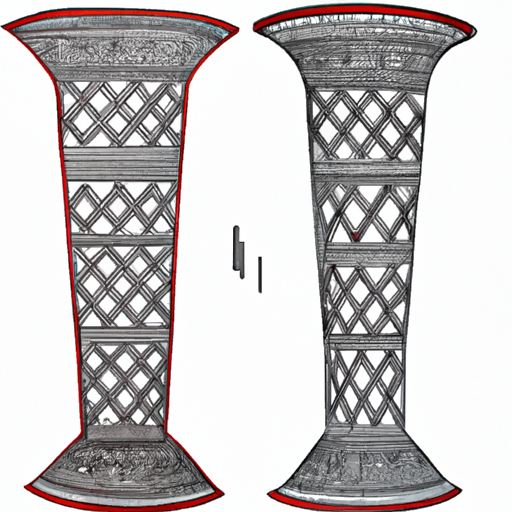
Example of visual style of Futura 2000

Futura 2000

Futura 2000 is a distinctive visual style that emerged in the 1980s and gained popularity in the graffiti and street art scene. It is characterized by futuristic and abstract designs influenced by technology, space, and science fiction. Known for its bold and vibrant colors, sharp angles, and geometric shapes, Futura 2000 became famous for its combination of graffiti lettering and abstract forms. This style broke traditional graffiti conventions and pushed the boundaries of what was considered street art, making it a significant movement in the art world and urban culture.

View StyleExplore Style
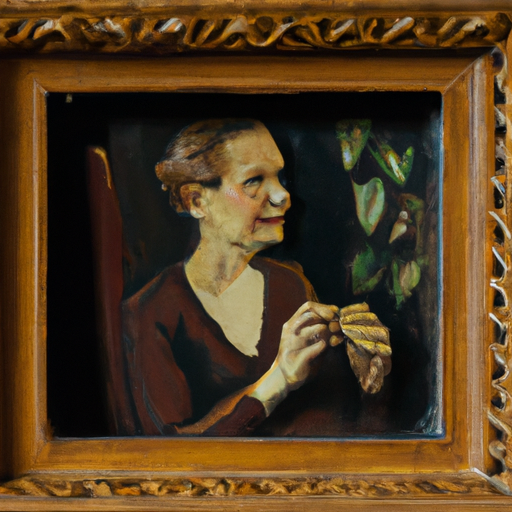
Example of visual style of Futurama

Futurama

Futurama is an animated television series that premiered in 1999 and ran until 2003, with additional episodes produced between 2008 and 2013. The visual style of Futurama is characterized by its futuristic and imaginative setting, blending science fiction elements with humor and social satire. The show's animation features bold and vibrant colors, sleek futuristic designs, and a blend of 2D and 3D animation techniques. Futurama gained fame for its unique blend of witty writing, memorable characters, and its satirical take on various aspects of modern society.

View StyleExplore Style
Example of visual style of Hernandez Brothers

Hernandez Brothers

Hernandez Brothers is a visual style in comic book illustration that emerged in the 1980s and gained fame through their influential work in the alternative comics scene. Created by the three brothers, Gilbert, Jaime, and Mario, this style is characterized by its distinctive black and white linework, exaggerated figure proportions, and intricate cross-hatching. The Hernandez Brothers are known for their long-running series 'Love and Rockets', which blends elements of science fiction, slice-of-life storytelling, and magical realism. Their groundbreaking work has influenced a generation of comic book artists and has been celebrated for its strong female characters, intricate narratives, and exploration of diverse cultural themes.

View StyleExplore Style
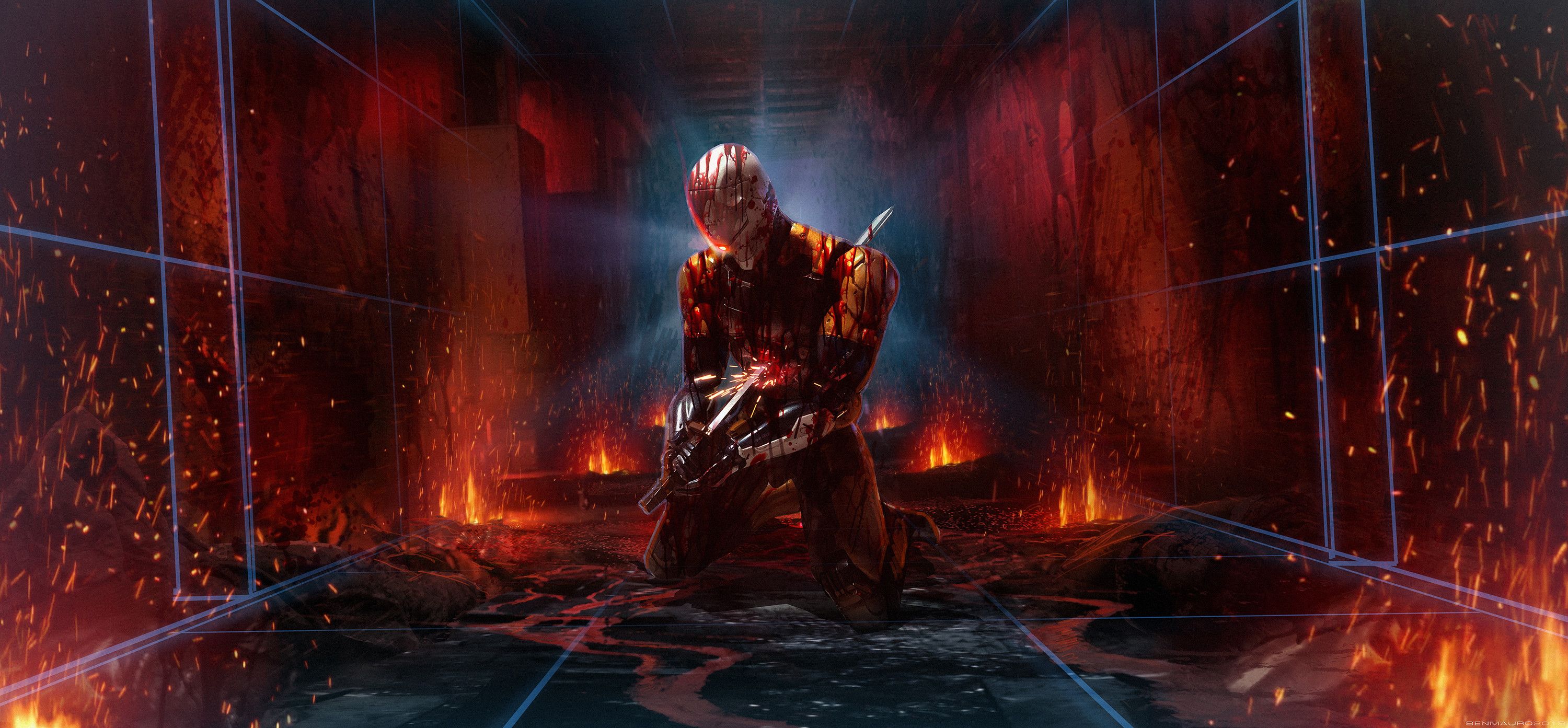
Example of visual style of Hideo Kojima

Hideo Kojima

Hideo Kojima is a Japanese video game designer known for his distinctive visual style that combines cinematic storytelling with advanced technology. His style gained fame through the creation of the renowned 'Metal Gear' series which began in 1987. Kojima's visual style is characterized by intricate and detailed environments, futuristic and industrial settings, and a blend of realism and science fiction. His games often feature complex narratives with philosophical themes, exploring concepts of identity, power, and the nature of humanity. Kojima's unique visual style has made him one of the most influential figures in the gaming industry.

View StyleExplore Style
Example of visual style of Hironobu Sakaguchi

Hironobu Sakaguchi

Hironobu Sakaguchi is a Japanese game designer and director known for his work in the role-playing game genre. He is best known as the creator of the Final Fantasy series. Sakaguchi's visual style is characterized by stunningly detailed and immersive environments, richly designed characters, and cinematic storytelling. His games often feature a blend of fantasy and science fiction elements, transporting players to unique and captivating worlds. Sakaguchi's works gained worldwide recognition in the 1990s with the release of Final Fantasy VII, which revolutionized the RPG genre with its cutting-edge visuals and groundbreaking storytelling techniques.

View StyleExplore Style
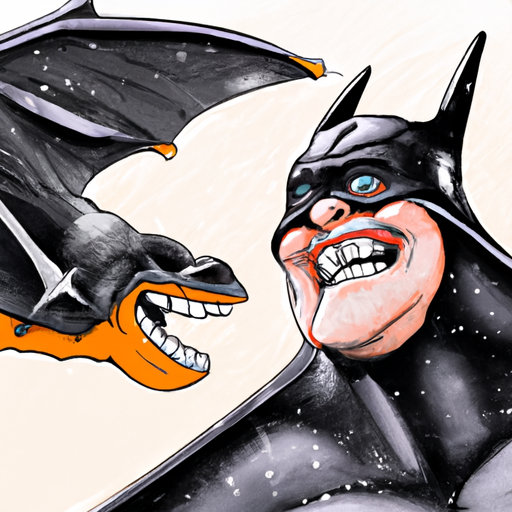
Example of visual style of Hiroyuki Yamaga

Hiroyuki Yamaga

Hiroyuki Yamaga is a Japanese director and screenwriter known for his unique visual style in anime. He gained recognition in the late 1980s and early 1990s as one of the co-founders of the animation studio Gainax. Yamaga's style is characterized by its attention to detail, vibrant color palettes, and fluid animation. His works often feature imaginative and surreal storytelling, with a blend of science fiction and fantasy elements. Yamaga's films and TV series, such as 'Wings of Honneamise' (1987) and 'Neon Genesis Evangelion' (1995), have become iconic and influential in the anime industry.

View StyleExplore Style
Example of visual style of Ian McCaig

Ian McCaig

Ian McCaig is a renowned concept artist and illustrator known for his distinctive and imaginative visual style. His work is characterized by its intricate detail, evocative storytelling, and richly textured and dynamic imagery. McCaig gained significant recognition for his work on the Star Wars films, particularly for designing iconic characters such as Darth Maul and Queen Amidala. His style blends elements of fantasy, science fiction, and mythology, creating captivating and memorable visuals. McCaig's contributions to the world of concept art have made him a highly influential figure in the industry.

View StyleExplore Style
Example of visual style of Isaac Asimov

Isaac Asimov

The visual style Isaac Asimov emerged during the mid-20th century, particularly in the 1950s and 1960s. It was popularized by the science fiction writer Isaac Asimov, who was known for envisioning futuristic worlds with advanced technology, alien civilizations, and cosmic exploration. This style became famous for its imaginative and often utopian depiction of the future, where sleek and minimalist designs coexisted with advanced machinery and futuristic landscapes.

View StyleExplore Style
Example of visual style of Japanese Animation

Japanese Animation

Japanese Animation, also known as anime, is a distinctive visual style that emerged in Japan in the early 20th century. It became famous worldwide during the second half of the 20th century, with notable years being the 1980s and 1990s. Anime is characterized by its vibrant colors, exaggerated features, expressive and emotive characters, and intricate backgrounds. It encompasses a wide range of genres, from fantasy and science fiction to romance and slice of life.

View StyleExplore Style
Example of visual style of Jim Burns

Jim Burns

Jim Burns is a science fiction and fantasy artist known for his vivid and imaginative artworks. His work became famous during the 1970s and 1980s, and he continues to be a prominent figure in the genre. Burns' style is characterized by his use of vibrant colors, intricate details, and a fusion of organic and futuristic elements. His illustrations often feature fantastical landscapes, alien creatures, and futuristic technology, creating visual narratives that transport viewers to otherworldly realms.

View StyleExplore Style
Example of visual style of Jun Kuwahara

Jun Kuwahara

Jun Kuwahara is a Japanese artist known for his distinct visual style characterized by vivid colors, dynamic compositions, and fantastical imagery. His style emerged in the late 1960s and became particularly famous in the 1970s and 1980s. Kuwahara's work often features surreal, dreamlike landscapes and creatures, blending elements of science fiction and fantasy. His use of bold colors and intricate details create a sense of energy and otherworldliness in his illustrations and paintings.

View StyleExplore Style
Home