
Aeon Flux
Aeon Flux is a visually striking animated television series that aired on MTV in the 1990s. Known for its avant-garde animation style, vibrant colors, and a dystopian sci-fi aesthetic.
View StyleExplore Style Stylopedia
A visual encyclopedia of sci-fi styles – use as prompt inspiration for Midjourney, Gemini, or ChatGPT AI when making sci-fi images
Aeon Flux is a visually striking animated television series that aired on MTV in the 1990s. Known for its avant-garde animation style, vibrant colors, and a dystopian sci-fi aesthetic.
View StyleExplore Style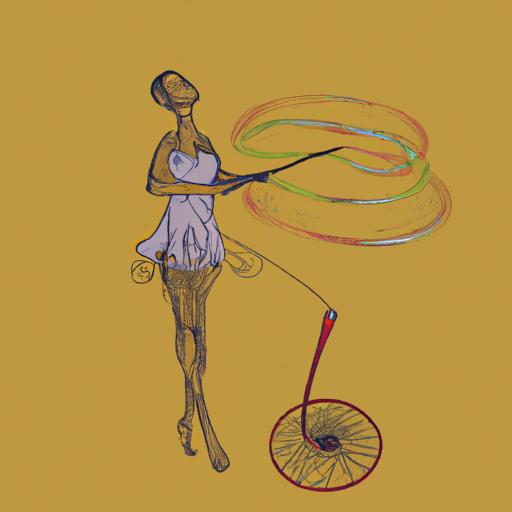
Alex Jaeger is known for his work in the field of concept art and visual effects. He has a distinct style characterized by attention to detail, realistic rendering, and a strong use of color. His works often feature futuristic and sci-fi elements, with a focus on creating believable and immersive environments. Alex Jaeger rose to prominence in the late 1990s and early 2000s, with his work on films like Starship Troopers (1997) and the Men in Black series. His ability to bring fantastical worlds to life through his intricate designs and meticulous execution made him famous in the industry.
View StyleExplore Style
Amazing Stories is a visual style that features fantastical and imaginative storytelling with a focus on science fiction and fantasy elements. It originated in the mid-20th century and became famous for its unique blend of creativity and innovation.
View StyleExplore Style
Andrew Jones is a digital artist known for his vibrant and futuristic style. With a background in graphic design and illustration, Jones creates mesmerizing and immersive digital paintings that blend elements of fantasy, sci-fi, and abstract art. His work became increasingly popular in the late 2000s and 2010s, gaining recognition for its bold use of color, intricate designs, and futuristic themes.
View StyleExplore Style
Andrew Whitehurst is known for his photorealistic computer-generated visual effects in films, particularly in the sci-fi and fantasy genres. His work is characterized by meticulous attention to detail and seamless integration of digital elements with live-action footage.
View StyleExplore Style
Andy Wachowski's visual style is known for its bold use of visual effects, high-octane action sequences, and distinctive color palettes. Their work in films like The Matrix series revolutionized the sci-fi action genre.
View StyleExplore Style
The Arnold Schwarzenegger visual style features a bold, muscular physique, often showcasing his prominent muscles and physique in action and sci-fi films from the 1980s to the present. Known for his iconic roles in movies like Terminator and Predator.
View StyleExplore Style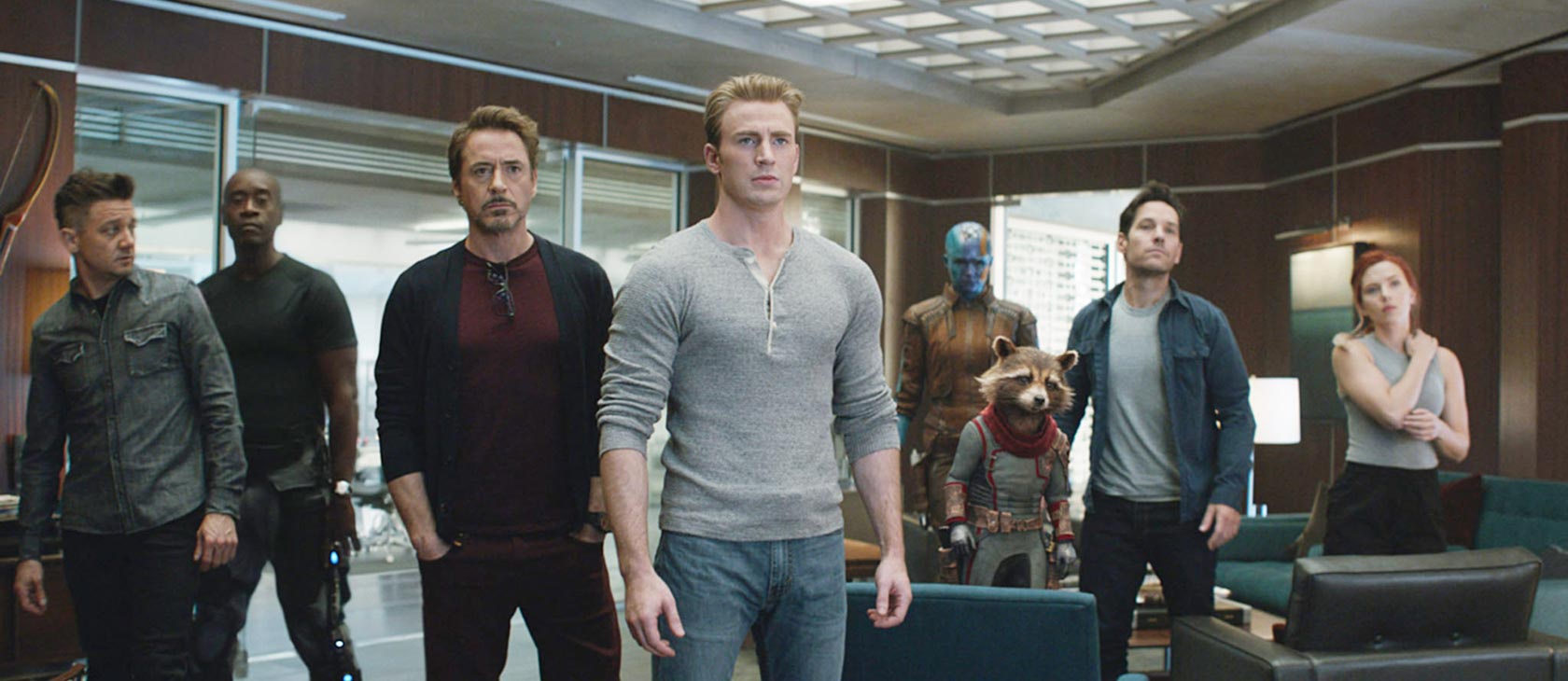
Avengers Endgame features a visually stunning blend of sci-fi, action, and fantasy elements. The use of vibrant and dynamic colors, CGI effects, and epic battle scenes make it a visually impressive style.
View StyleExplore Style
Black Mirror is a futuristic and dystopian visual style that gained popularity in the 2010s. It is known for its dark, thought-provoking themes that highlight the potential dangers of technology and its impact on society. The style often depicts a near-future world where advanced technology is intertwined with everyday life, exploring the consequences and ethical dilemmas that arise. It became famous for its unique storytelling format and its ability to reflect contemporary issues through a sci-fi lens.
View StyleExplore Style
The Cevat Yerli Style is characterized by sleek and futuristic designs, often incorporating elements of sci-fi and technology. This style gained popularity in the late 2000s through the work of Cevat Yerli, known for his innovative and cutting-edge visual aesthetics.
View StyleExplore Style
Creature Features is a visual style popularized in the 1950s and 1960s, often associated with horror and sci-fi films. It features exaggerated, monstrous creatures and fantastical beasts that evoke fear and awe in viewers.
View StyleExplore Style
The visual style of Daft Punk is futuristic, sleek, and robotic, featuring iconic helmets and sci-fi inspired outfits. This style became famous in the late 1990s and early 2000s as the electronic music duo rose to prominence.
View StyleExplore Style
The Parliament Funkadelic visual style emerged in the 1970s, characterized by vibrant colors, psychedelic patterns, elaborate costumes, and a mix of futuristic and retro elements. This style became famous for its fusion of funk music and sci-fi aesthetics.
View StyleExplore Style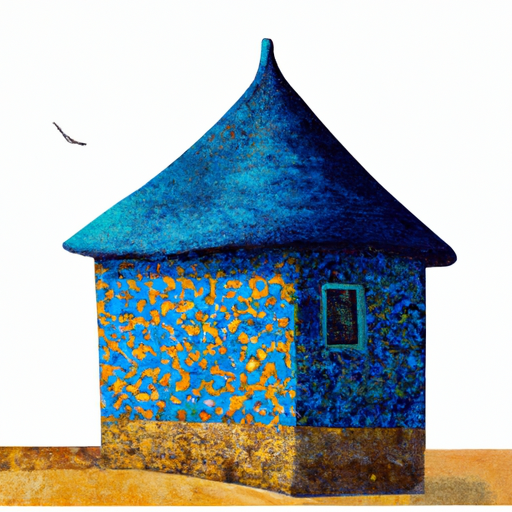
Dan Hay is a modern digital artist known for his use of vibrant colors, surreal landscapes, and intricate details. His work often combines elements of fantasy and sci-fi, creating otherworldly and dreamlike visuals. Hay's style became popular in the early 2000s for its unique blend of digital art techniques.
View StyleExplore Style
Doom is a first-person shooter game released in 1993 by id Software. It is known for its dark and gritty aesthetic, combining elements of gothic architecture, sci-fi, and hellish landscapes. The game's fast-paced gameplay, intense violence, and atmospheric music set a new standard for the genre. Doom's pixelated graphics and surreal environments made it a groundbreaking and highly influential game in the industry.
View StyleExplore Style
A mix of gothic, steampunk and sci-fi elements, inspired by Mary Shelley's novel. Often includes electrically charged elements and a dark, macabre aesthetic.
View StyleExplore Style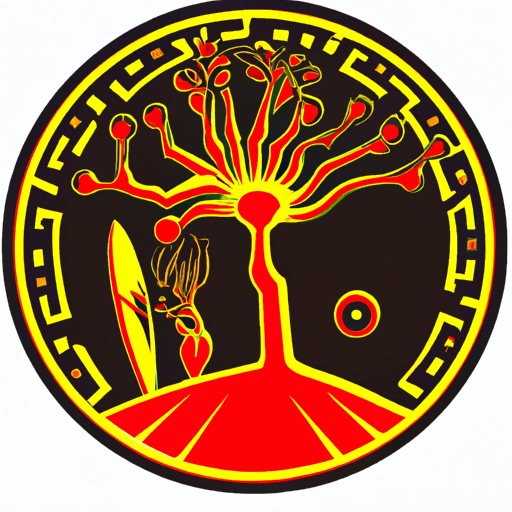
The visual style of 'Dune' is characterized by its futuristic and otherworldly aesthetic, combining elements of sci-fi, fantasy, and dystopia. Made famous by the 1984 film adaptation and the upcoming 2020 version, 'Dune' features elaborate costumes, intricate set designs, and dramatic landscapes that transport viewers to a unique and immersive world.
View StyleExplore Style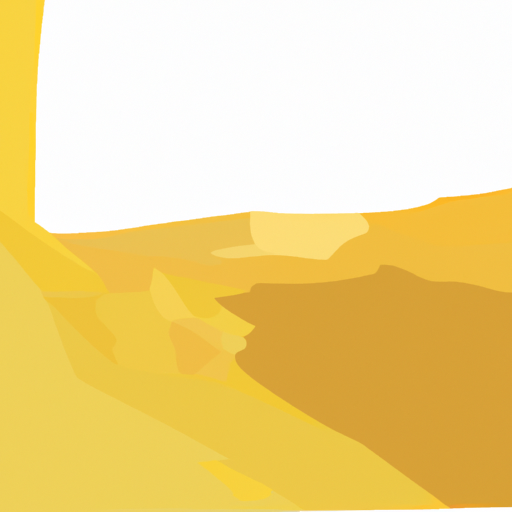
Dune II is a futuristic and sci-fi visual style characterized by its intricate and detailed designs, inspired by the world of the Dune franchise. This style gained popularity in the late 80s and early 90s for its unique blend of technology and organic elements.
View StyleExplore Style
Dune II: The Building of a Dynasty is a real-time strategy video game released in 1992 and is known for popularizing the real-time strategy genre. The game features a futuristic sci-fi aesthetic with detailed pixel art graphics.
View StyleExplore Style
Inspired by Frank Herbert's Dune series, this visual style features futuristic, desert landscapes with intricate architecture and ornate costumes
View StyleExplore Style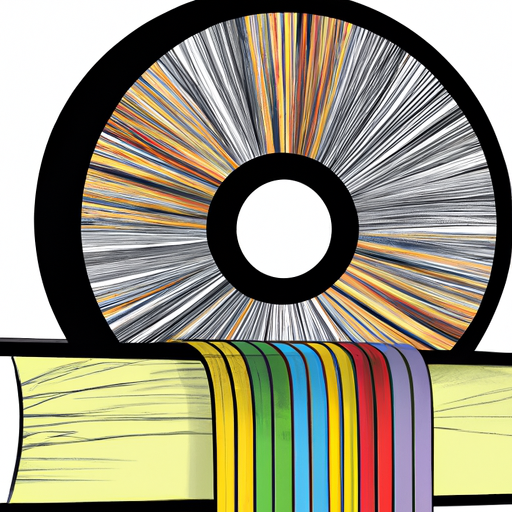
Edgar P. Jacobs was a Belgian comic book artist known for his detailed and intricate line work, blending elements of science fiction, adventure, and mystery. His work became famous in the 1940s and 1950s for its dynamic compositions and imaginative storytelling.
View StyleExplore Style
The visual style of Guardians Of The Galaxy is a blend of retro sci-fi, vibrant colors, and quirky characters. Inspired by 1970s and 1980s pop culture, this style gained popularity for its unique mix of nostalgia and modern sensibilities.
View StyleExplore Style
A sci-fi and fantasy comic magazine known for its highly detailed, provocative, and surreal artwork. Popular from the 1970s to the present, it features dark and edgy themes often involving sex, violence, and the supernatural.
View StyleExplore Style
Jeep Barnett is a visual style known for its vibrant and surreal illustrations. Emerging in the early 2000s, Barnett's work is characterized by intricate detailing, bold colors, and fantastical creatures that often blend elements of sci-fi and fantasy.
View StyleExplore Style
John Tobias is known for his detailed and colorful artwork in the Mortal Kombat video game series, which became famous in the 1990s. His style combines sci-fi, fantasy, and martial arts elements to create dynamic and visually striking characters and environments.
View StyleExplore Style
Kilian Eng's visual style is characterized by intricate and detailed sci-fi inspired illustrations. His work often features surreal landscapes, intricate machinery, and otherworldly beings. He gained recognition in the 2010s for his distinct style that combines elements of retro-futurism and futuristic technology.
View StyleExplore Style
Marvel Cinematic Universe is a visual style characterized by vibrant colors, dynamic action sequences, and larger-than-life superheroes. This style emerged in 2008 with the release of 'Iron Man', marking the beginning of an interconnected series of films. The success of the MCU lies in its ability to blend science fiction, fantasy, and comic book aesthetics, captivating audiences with its immersive storytelling and groundbreaking visual effects.
View StyleExplore Style
The visual style of the Mass Effect Series is characterized by a futuristic, sci-fi aesthetic with sleek, high-tech designs. Known for its intricate world-building, detailed environments, and advanced technology, this style has become iconic in the gaming industry.
View StyleExplore Style
The visual style of Metroid combines futuristic sci-fi elements with dark, atmospheric environments. The use of metallic textures, neon lighting, and intricate alien designs set the tone for this iconic video game series originating in the 1980s.
View StyleExplore Style
Nicolas Ghesquiere is known for his futuristic, architectural designs that blend modernity with a touch of sci-fi. His work gained fame in the late 1990s with his innovative designs for Balenciaga, featuring sharp lines, bold cuts, and unexpected fabric combinations.
View StyleExplore Style
Oliver Frey is a visual artist known for his distinct style in the field of comic art and illustration. His style emerged in the 1980s and became famous for its dynamic and action-packed scenes, intricate details, and strong muscular figures. Frey's work often featured sci-fi, fantasy, and adventure themes, attracting a wide audience of comic readers and enthusiasts.
View StyleExplore Style
Portal is a sci-fi video game style with a minimalist and futuristic design, featuring clean lines, stark contrasts, and vibrant colors. Made famous by the critically acclaimed game 'Portal' released in 2007.
View StyleExplore Style
Rodney Matthews is a British artist known for his distinctive fantasy and sci-fi illustrations characterized by intricate details, vibrant colors, and fantastical landscapes. His work became famous in the 1970s and 1980s for album covers and book illustrations.
View StyleExplore Style
Roger Macbride Allen's visual style is characterized by detailed and imaginative science fiction illustrations. His work became famous in the 1990s for its use of intricate designs and futuristic landscapes.
View StyleExplore Style
RPG stands for role-playing game. It is a visual style that is often associated with video games, particularly those in the fantasy or sci-fi genres. RPG style became popular in the late 1970s and 1980s with the release of influential tabletop role-playing games like Dungeons & Dragons. It gained further fame in the 1990s and early 2000s with the rise of computer and console RPGs, such as Final Fantasy and The Elder Scrolls series. The RPG visual style often features immersive, detailed worlds, fantastical creatures, epic landscapes, and a focus on character customization and storytelling.
View StyleExplore Style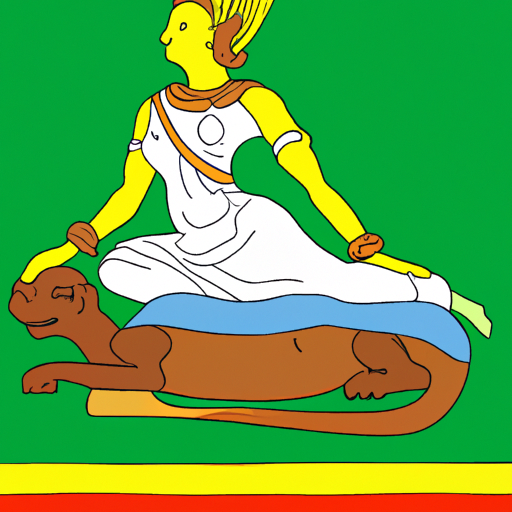
Saga is a visually captivating style that emerged in the 1970s. It is best known for its rich and vibrant color palettes, surreal imagery, and fantastical themes. This style became famous for its incorporation of sci-fi and fantasy elements, often inspired by epic tales and mythology.
View StyleExplore Style
Sparth is a futuristic and highly detailed digital art style known for its intricate sci-fi landscapes and environments. It gained popularity in the early 2000s for its unique blend of organic forms and mechanical structures.
View StyleExplore Style
Tangerine Dream is a visual style popular in the 1970s-1980s that is characterized by vibrant, neon colors, futuristic aesthetics, and a sense of otherworldly surrealism. It became famous for its use in sci-fi and fantasy films, as well as album covers and music videos.
View StyleExplore Style
The B-52s' visual style is a vibrant and kitschy blend of retro and futuristic elements, characterized by bold colors, geometric shapes, and wild patterns. Emerging in the late 1970s and early 1980s, their look is heavily inspired by 1960s pop culture and sci-fi aesthetics, creating a unique and iconic image.
View StyleExplore Style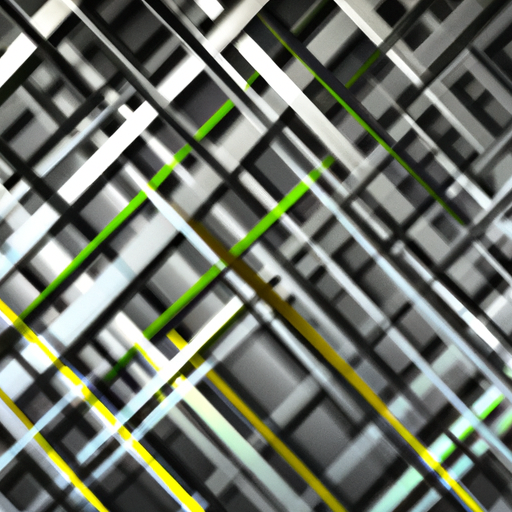
The Matrix is a visually stunning style that became famous in the late 1990s and early 2000s. It is characterized by a blend of cyberpunk, science fiction, and action genres, creating a dark and dystopian atmosphere. The use of groundbreaking special effects, bullet time sequences, and a distinctive green tint contribute to its iconic look.
View StyleExplore Style
Trigun is a futuristic anime with a unique blend of western and sci-fi influences, featuring exaggerated character designs and vibrant color palettes. It gained fame in the late 1990s for its distinctive art style and action-packed storytelling.
View StyleExplore Style
Ursula K Le Guin's visual style is characterized by intricate world-building, unique landscapes, and diverse characters. Her work became famous in the 1960s and 1970s for challenging traditional sci-fi and fantasy tropes.
View StyleExplore Style
The X Men Film Series visual style is characterized by dark, gritty, and futuristic aesthetic with a focus on mutant powers. Known for its blend of sci-fi elements and superhero action, popularized in the early 2000s.
View StyleExplore Style