StylopediaStylopedia

Satirical styles on Stylopedia

A visual encyclopedia of satirical styles – use as prompt inspiration for Midjourney, Gemini, or ChatGPT AI when making satirical images

Example of visual style of Al Jaffee

Al Jaffee

Al Jaffee is known for his distinctive cartooning style that is characterized by sharp and exaggerated lines, intricate detail, and a humorous and satirical tone. His style became famous through his work in Mad Magazine, especially in the fold-ins and the iconic Mad Fold-In feature. The precision and wit in his drawings, along with his ability to cleverly twist images and ideas, made Al Jaffee highly recognized in the field of cartooning. He has been active in the industry since the 1950s.

View StyleExplore Style
Example of visual style of Anton Gudim

Anton Gudim

Anton Gudim is a contemporary visual artist known for his minimalist and whimsical style. His illustrations often feature simple, clean lines and a limited color palette, creating a distinctive and recognizable look. Gudim gained popularity in the late 2000s through his witty and satirical illustrations, which quickly went viral on social media platforms. His unique blend of humor, social commentary, and clever wordplay has made him one of the most influential artists of the digital age.

View StyleExplore Style
Example of visual style of Barry Blitt

Barry Blitt

Barry Blitt is a contemporary American illustrator and cartoonist known for his distinctive and satirical style. His career in the field of visual arts began in the 1990s, and he gained prominence through his work for The New Yorker magazine. Blitt became especially famous for his provocative and often controversial cover illustrations, which cleverly comment on various political and cultural issues of the time. His illustrations are characterized by their bold and expressive linework, exaggerated figures, and a touch of whimsy. Blitt's visual style combines humor, wit, and social commentary, making his work instantly recognizable and highly influential in the world of illustration.

View StyleExplore Style
Example of visual style of Berkeley Breathed

Berkeley Breathed

Berkeley Breathed is an American cartoonist known for his distinct visual style in comic strips and children's books. His style became famous in the 1980s with the introduction of his comic strip 'Bloom County', which featured a mix of humorous and satirical storytelling. Breathed's style is characterized by vibrant color palettes, exaggerated character designs, and detailed backgrounds. His use of exaggerated expressions and dynamic poses adds a comedic and lively element to his works.

View StyleExplore Style
Example of visual style of Caricature Illustrations

Caricature Illustrations

Caricature Illustrations are a style of illustration that exaggerate or distort the physical characteristics or traits of a person or subject to create a humorous or satirical effect. This style gained popularity in the late 18th century and became particularly famous during the 19th and early 20th centuries. Caricature Illustrations are known for their ability to capture the essence of a person or subject through humorous and exaggerated depictions.

View StyleExplore Style
Example of visual style of Claes Oldenburg

Claes Oldenburg

Claes Oldenburg is known for his unique style of Pop Art, which emerged in the 1960s. With a focus on transforming everyday objects into monumental sculptures, Oldenburg challenged traditional notions of art and its subject matter. His work often explores themes of consumerism, popular culture, and the ironies of American society. Oldenburg's fame grew with his large-scale installations like the 'Giant BLT' and 'Clothespin', which showcased his playful and satirical approach to art. His innovative use of materials and exaggerated scale made him a prominent figure in the art world.

View StyleExplore Style
Example of visual style of Family Guy

Family Guy

Family Guy is an animated sitcom known for its distinctive visual style. It was created by Seth MacFarlane and first premiered in 1999. The show combines traditional animation with digital composition, resulting in a unique and comedic aesthetic. The visuals are characterized by vibrant colors, exaggerated character designs, and frequent use of cutaway gags and pop culture references. Family Guy gained fame for its irreverent humor and satirical take on American family life.

View StyleExplore Style
Example of visual style of Guerrilla Girls

Guerrilla Girls

The Guerrilla Girls is an anonymous group of feminist artists founded in 1985. They are known for their bold, satirical, and visually striking posters, billboards, and other public art interventions. With their use of humor and irony, they critique gender and racial inequality in the art world, often calling out galleries, museums, and artists for their lack of representation. The Guerrilla Girls have been extremely influential in raising awareness about these issues and inspiring a new wave of feminist activism in the art world.

View StyleExplore Style
Example of visual style of Harvey Kurtzman

Harvey Kurtzman

Harvey Kurtzman was an American cartoonist and editor, known for his unique and influential visual style. Active primarily during the 1940s to the 1960s, Kurtzman achieved fame for his work on the satirical comic book Mad and his publication of the influential humor magazine Help!. His visual style was characterized by detailed and expressive line work, exaggerated character expressions, and a strong emphasis on visual storytelling. Kurtzman's ability to seamlessly blend humor with social commentary and his innovative approach to sequential art made him one of the most important figures in the history of American comic art.

View StyleExplore Style
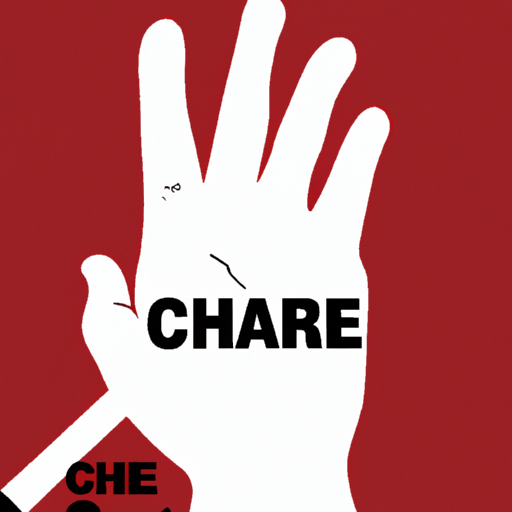
Example of visual style of Makoto Aida

Makoto Aida

Makoto Aida is a contemporary Japanese artist known for his provocative and satirical artworks. His style emerged in the 1990s and gained fame for its bold, often disturbing, and socially critical visual language. Aida's works are characterized by their intricate detail, vibrant colors, and a combination of traditional Japanese techniques and modern pop culture references. His art often explores themes of war, consumerism, sexuality, and the darker aspects of society. Aida gained international recognition with his series 'Monument for Nothing,' exhibited in 2000 at the Yokohama Triennale. This series depicted disturbing scenes of war, violence, and destruction, challenging traditional notions of history and power.

View StyleExplore Style
Example of visual style of Matt Groening

Matt Groening

The Matt Groening visual style, famous for its distinctive and quirky animation, emerged in the late 1980s. It gained widespread recognition through the animated television show 'The Simpsons', which debuted in 1989. Groening's style is characterized by exaggerated, cartoony features, bold and vibrant colors, and a humorous and satirical tone. The animation style often includes simple and minimalistic designs combined with complex and detailed background elements, creating a unique visual juxtaposition. The Matt Groening style has become iconic and influential in the world of animation and has inspired countless artists and designers since its inception.

View StyleExplore Style
Example of visual style of Matt Stone

Matt Stone

Matt Stone is not a visual style, but rather the co-creator of the animated television show 'South Park'. Developed by Stone and his colleague Trey Parker, 'South Park' first aired in 1997 and quickly gained fame for its unique animation style. Using cutout paper animation technique, the show became known for its crude and simplistic visuals, which provided a sharp contrast to its satirical and often controversial content. The visual style of 'South Park' was heavily influenced by simple and exaggerated character designs, limited animation movements, and a vibrant color palette.

View StyleExplore Style

Example of visual style of National Lampoon

National Lampoon

The National Lampoon visual style emerged during the 1970s and became famous for its satirical and irreverent approach. It was known for its bold and humorous illustrations, often incorporating exaggerated characters and absurd situations. National Lampoon gained popularity for its magazine covers, which featured iconic art that reflected the counterculture of the time. This style remained influential throughout the 1980s and beyond, inspiring other satirical publications and comedy films.

View StyleExplore Style

Example of visual style of Randy Newman

Randy Newman

Randy Newman is primarily known for his work as a songwriter and composer in the genres of pop, rock, and film music. His visual style, however, can be described as understated and unassuming. It often involves minimalistic album cover designs, simple typography, and straightforward imagery that reflects the sincerity and introspective nature of his music. Newman gained significant prominence in the 1970s with his hits like 'Short People' and 'I Love L.A.', which showcased his distinctive blend of witty and often satirical lyrics with heartfelt melodies. His signature piano-driven sound and his ability to tell stories through his songs have made him a revered figure in American music. Although not known for visually striking aesthetics, Randy Newman's style has become synonymous with authenticity and emotional depth in both his music and visual representation.

View StyleExplore Style
Example of visual style of Robert Crumb

Robert Crumb

Robert Crumb is an American cartoonist, known for his distinctive underground comix style that emerged in the 1960s and gained fame in the counterculture movement. His work is characterized by intricate pen and ink drawings with exaggerated and caricatured figures, often depicting satirical and controversial themes. Crumb's detailed crosshatching and his ability to capture expressions and emotions through his drawings became his signature style and made him famous as the leading figure of the underground comic movement during the 1960s and 1970s.

View StyleExplore Style

Home