StylopediaStylopedia

Satire styles on Stylopedia

A visual encyclopedia of satire styles – use as prompt inspiration for Midjourney, Gemini, or ChatGPT AI when making satire images

Example of visual style of Asterix Series

Asterix Series

The Asterix series is a visually distinct comic book style popularized by French authors Albert Uderzo and René Goscinny. The style originated in the year 1959 with the release of the first Asterix comic, Asterix the Gaul. The series gained fame for its vibrant and detailed illustrations, dynamic action sequences, and humorous storytelling. The unique visual style of Asterix incorporates exaggerated characters with large noses and expressive facial features. The comics also feature intricate backgrounds and detailed depictions of historical settings, which blend humor and satire. Overall, the Asterix series is known for its lively and colorful visuals, making it a timeless classic in the world of comics.

View StyleExplore Style

Example of visual style of British Comedy

British Comedy

British Comedy is a genre of humor that originated in the United Kingdom. It gained popularity in the late 20th century and continues to be influential today. This style is characterized by its dry wit, clever wordplay, irony, and satire. Famous British comedies such as Monty Python's Flying Circus (1969-1974), Fawlty Towers (1975-1979), and The Office (2001-2003) are prime examples of this style. British Comedy often tackles social and political issues with a humorous and often absurd approach, making it unique and widely recognized.

View StyleExplore Style
Example of visual style of Bugs Bunny

Bugs Bunny

The visual style of Bugs Bunny is characteristic of the golden age of American animation, particularly the Looney Tunes and Merrie Melodies series. It gained prominence during the 1940s and 1950s and is still popular today. Bugs Bunny is known for his mischievous, quick-witted, and sarcastic personality. The visual style of Bugs Bunny features vibrant and exaggerated animation, smooth and fluid movements, expressive facial features, and detailed backgrounds. The style is famous for its humor, wit, and satire, which made Bugs Bunny a beloved and iconic cartoon character worldwide.

View StyleExplore Style
Example of visual style of Discworld

Discworld

Discworld is a visual style inspired by the fantasy book series of the same name written by Terry Pratchett. It became famous in the late 1980s and has since gained a massive following. The style captures a unique blend of whimsical fantasy, satirical comedy, and intricate world-building. It is characterized by vibrant and detailed illustrations depicting the fantastical landscapes, diverse and quirky characters, and the humorous and often satirical elements present throughout the Discworld series.

View StyleExplore Style
Example of visual style of Editorial Illustration

Editorial Illustration

Editorial Illustration is a style of illustration that is commonly used in newspapers, magazines, and online publications to accompany written articles or stories. It became especially popular in the late 19th and early 20th centuries with the rise of print media. Editorial illustrations are known for their ability to convey complex ideas or concepts in a single image, often using symbolism, humor, or satire. They are typically created in a bold and graphic style, with strong outlines, limited color palettes, and simplified forms. Editorial illustrations aim to catch the viewer's attention and make a strong visual impact, while effectively communicating the message of the accompanying text.

View StyleExplore Style
Example of visual style of Franquin

Franquin

Franquin is a visual style that emerged during the 20th century, particularly in the field of comic art. It is named after its creator, André Franquin, a Belgian cartoonist who revolutionized the genre. Franquin's style gained fame in the 1950s and 1960s through his work on iconic comic series such as 'Spirou et Fantasio' and 'Gaston Lagaffe'. Known for its dynamic and expressive characters, elaborate backgrounds, and intricate details, Franquin's style became synonymous with humor, satire, and social critique.

View StyleExplore Style
Example of visual style of Gilbert Shelton

Gilbert Shelton

Gilbert Shelton is an underground cartoonist known for his distinctive visual style, which emerged in the 1960s. His comic strips, such as 'The Fabulous Furry Freak Brothers' and 'Fat Freddy's Cat', became popular during the counterculture movement, particularly in the United States. Shelton's art is characterized by its psychedelic and humor-driven nature, featuring exaggerated characters with wild expressions and trippy backgrounds. His unique blend of satire, social commentary, and absurdity made his work iconic and influential during this time.

View StyleExplore Style
Example of visual style of Honore Daumier

Honore Daumier

Honore Daumier was a French artist and caricaturist who is known for his satirical and critical portrayal of 19th-century French society and politics. His style emerged in the mid-19th century and gained recognition for its powerful social commentary and use of exaggerated features to depict public figures and ordinary people. Daumier's works became famous for their sharp wit, humor, and keen observation of human behavior. His visual style was characterized by bold and expressive brushwork, dynamic compositions, and a focus on capturing the essence and character of his subjects.

View StyleExplore Style
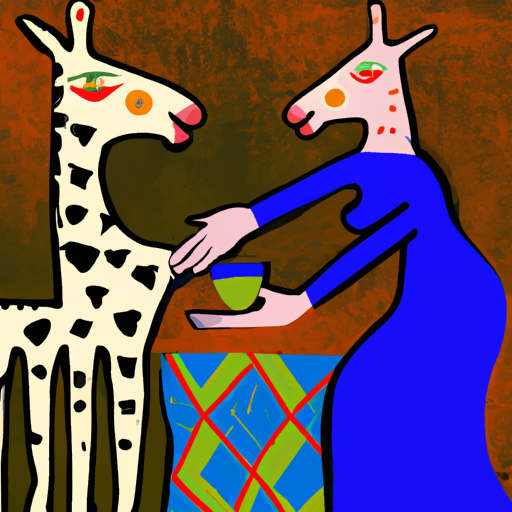
Example of visual style of James Gillray

James Gillray

James Gillray was an English caricaturist and printmaker who rose to fame in the late 18th century. His visual style was characterized by exaggerated and satirical depictions of political figures and social commentary. He gained recognition for his sharp wit and ability to capture the likeness and mannerisms of his subjects. Gillray's works often featured bold and intricate details, with a strong use of line work and crosshatching. He became famous for his caricatures mocking Napoleon Bonaparte, George III, and British political figures, which contributed to shaping public opinion during a time of great political and social upheaval.

View StyleExplore Style
Example of visual style of Joan Cornellà

Joan Cornellà

Joan Cornella is a Spanish cartoonist known for his distinctive and darkly humorous visual style. His work gained popularity in the 2010s with the rise of social media, particularly on platforms like Instagram. Cornella's illustrations often depict surreal and absurd scenarios, often with unsettling and twisted humor. He has a minimalist approach, using bold and vibrant colors in his artwork. His style is characterized by exaggerated facial expressions, simple yet detailed linework, and a consistent lack of dialogue or text, allowing the visuals to speak for themselves. Cornella's works often tackle themes of social criticism, satire, and dark comedy, engaging the viewer with provocative and thought-provoking imagery.

View StyleExplore Style
Example of visual style of Monty Python

Monty Python

Monty Python is a visually eccentric and surreal comedic style that emerged in the late 1960s and became famous through the comedic group Monty Python, including its members Graham Chapman, John Cleese, Terry Gilliam, Eric Idle, Terry Jones, and Michael Palin. The visual style is characterized by its unique blend of absurdity, satire, and animation, often featuring bizarre costumes, exaggerated physical movements and expressions, hand-drawn animations, and surreal art direction. This style gained significant fame through the television series 'Monty Python's Flying Circus' (1969-1974) and later through their films like 'Monty Python and the Holy Grail' (1975) and 'Monty Python's Life of Brian' (1979).

View StyleExplore Style
Example of visual style of Paul Verhoeven

Paul Verhoeven

Paul Verhoeven's visual style is characterized by its explosive and provocative nature. With films like 'RoboCop' (1987), 'Total Recall' (1990), and 'Starship Troopers' (1997), Verhoeven created a signature style that blends science fiction, satire, and extreme violence. His films often include dark humor, social commentary, and overt sexuality, pushing boundaries and challenging the audience's expectations. Verhoeven's visual style became famous for its slick and stylized action sequences, gritty dystopian settings, and a subversive approach to storytelling.

View StyleExplore Style
Example of visual style of Political Cartooning

Political Cartooning

Political Cartooning is a style of illustration that satirizes political events, figures, and social issues. It gained prominence in the 18th century and continues to be a powerful form of visual commentary. Political cartoons are known for their use of caricature, symbolism, and humor to convey messages and critique political systems. Famous political cartoonists like Thomas Nast, Honore Daumier, and David Low have shaped public opinion and influenced history through their thought-provoking artworks.

View StyleExplore Style

Example of visual style of Political Cartoons

Political Cartoons

Political cartoons are a visual style of satirical illustrations that gained popularity in the late 18th century and continue to be influential today. These cartoons use caricatures, humor, and irony to make political commentary on current events, often with a strong social or political message. Famous political cartoonists like Thomas Nast, Honore Daumier, and Ralph Steadman have used their artwork to challenge authority, expose corruption, and shape public opinion.

View StyleExplore Style
Example of visual style of Terry Pratchett

Terry Pratchett

The Terry Pratchett style is whimsical and fantastical, characterized by a blend of satire, comedy, and fantasy elements. It gained fame through its prominent use in the Discworld series, a set of over 40 novels written by Terry Pratchett from 1983 until his death in 2015. Pratchett's writing style, often described as 'comic fantasy', combined witty humor, clever wordplay, and social commentary. The visual style of Terry Pratchett's works reflects this unique blend, creating a vibrant and imaginative world filled with eccentric characters and humorous situations.

View StyleExplore Style
Example of visual style of The New Yorker Magazine

The New Yorker Magazine

The New Yorker Magazine is known for its distinctive and iconic visual style that has been consistently maintained since its inception in 1925. The magazine is famous for its sophisticated and witty approach to illustration and design, which helped establish it as a cultural touchstone. The illustrations and covers often feature a blend of humor, satire, and social commentary. The style encompasses a wide range of techniques and mediums, including pen and ink drawings, watercolors, and digital illustrations. The New Yorker has become synonymous with a certain level of quality, intellectualism, and wit in visual journalism and storytelling.

View StyleExplore Style
Example of visual style of The Simpsons

The Simpsons

The Simpsons is a popular animated television show known for its distinctive and iconic visual style. It was created by Matt Groening and first aired in 1989. The show became famous for its yellow, exaggerated character designs and its satirical and irreverent humor. The visual style of The Simpsons features smooth, rounded shapes, exaggerated eyes, and simple, bold lines. The backgrounds are often colorful and detailed, capturing the essence of a middle-class suburban town. The show has been praised for its witty writing, memorable characters, and its ability to address social and cultural issues through comedy.

View StyleExplore Style
Example of visual style of Thomas Rowlandson

Thomas Rowlandson

Thomas Rowlandson was an English caricaturist and painter who rose to fame during the late 18th and early 19th centuries. His visual style is known for its satirical and humorous depiction of contemporary society, with a particular focus on the manners and characters of the British upper classes. Rowlandson's works often featured exaggerated figures with exaggerated facial expressions and exaggerated compositions, which added to the wit and humor of his images. He became famous for his detailed and lively illustrations that provided social commentary and critique during a time of political and social instability in Britain, including the French Revolution and the Napoleonic Wars.

View StyleExplore Style
Example of visual style of Zoolander

Zoolander

The visual style of Zoolander is a satirical depiction of the fashion industry in the early 2000s, known for its extravagant and outrageous aesthetics. This style rose to fame with the release of the film 'Zoolander' in 2001, directed by Ben Stiller and starring Ben Stiller himself as the titular character. The movie showcased the exaggerated and hyper-stylized world of high fashion, highlighting the over-the-top poses, dramatic runway shows, and flamboyant outfits. Zoolander's visual style is a tongue-in-cheek parody of the fashion industry's obsession with appearance and trends, creating a satirical commentary on fashion's excesses and shallowness.

View StyleExplore Style
Home