StylopediaStylopedia

Rural styles on Stylopedia

A visual encyclopedia of rural styles – use as prompt inspiration for Midjourney, Gemini, or ChatGPT AI when making rural images

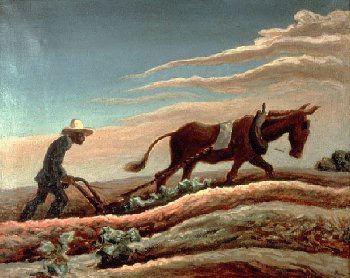
Example of visual style of American Scene Painting

American Scene Painting

American Scene Painting refers to a realist style of painting that emerged in the United States in the 1920s and reached its peak in the 1930s. It became famous for its depiction of everyday life in America, often capturing rural and urban landscapes, small-town scenes, and regional traditions. This style gained popularity during the Great Depression, as it focused on ordinary people and everyday activities, reflecting the social and economic conditions of that era.

View StyleExplore Style
Example of visual style of Andrew Wyeth

Andrew Wyeth

Andrew Wyeth was an American realist painter known for his detailed, melancholic, and rural landscapes. His style emerged in the mid-20th century and his works gained fame for their emotional depth and meticulous attention to detail. Wyeth's most famous painting, 'Christina's World' (1948), brought his style to international recognition. His art often captured the quiet beauty and solitude of the American countryside, portraying subjects such as landscapes, figures, and objects in a highly realistic and sometimes haunting manner.

View StyleExplore Style
Example of visual style of Pissarro

Pissarro

Pissarro is a visual style developed by Camille Pissarro, a French Impressionist painter. This style became famous during the late 19th and early 20th centuries. Pissarro is known for his ability to capture the essence of a scene through loose brushstrokes, vibrant colors, and an emphasis on light and atmosphere. His works often depict landscapes, rural scenes, and everyday life. Pissarro's innovative techniques and dedication to depicting the changing effects of light influenced other Impressionist painters and helped define the movement.

View StyleExplore Style
Example of visual style of Regionalism

Regionalism

Regionalism is an American art movement that emerged in the 1930s during the Great Depression. It gained popularity as a reaction against European modernism and cosmopolitanism. Regionalism focused on depicting scenes of everyday life in rural America, often depicting the harsh realities of agrarian life. The movement aimed to capture the unique character and spirit of different regions in the United States, particularly the Midwest. It became famous for its nostalgic and representational style, emphasizing local traditions, customs, and landscapes.

View StyleExplore Style
Example of visual style of Theophile Jules Pelletan

Theophile Jules Pelletan

Theophile Jules Pelletan was a prominent French painter and engraver during the late 19th century. His style, known for its realism and attention to detail, gained recognition in the art world during the 1870s and 1880s. Pelletan's works often showcased scenes from daily life, both rural and urban, with an emphasis on capturing the essence of the subject. His ability to convey the intricacies of light and shadow, along with his masterful technique, made him famous among his contemporaries and art enthusiasts alike.

View StyleExplore Style
Example of visual style of Wyeth Family

Wyeth Family

Wyeth Family is an American artistic dynasty consisting of three generations of artists: N.C. Wyeth, Andrew Wyeth, and Jamie Wyeth. Active primarily in the 20th century, their style is characterized by a realistic and often melancholic portrayal of rural American life. N.C. Wyeth gained fame as an illustrator, particularly for his illustrations of adventure and historical books, while Andrew Wyeth and Jamie Wyeth focused on painting landscapes, portraits, and still lifes. Their works capture the beauty and solitude of the American countryside, evoking a sense of nostalgia and introspection.

View StyleExplore Style
Home