StylopediaStylopedia

Romanticism styles on Stylopedia

A visual encyclopedia of romanticism styles – use as prompt inspiration for Midjourney, Gemini, or ChatGPT AI when making romanticism images

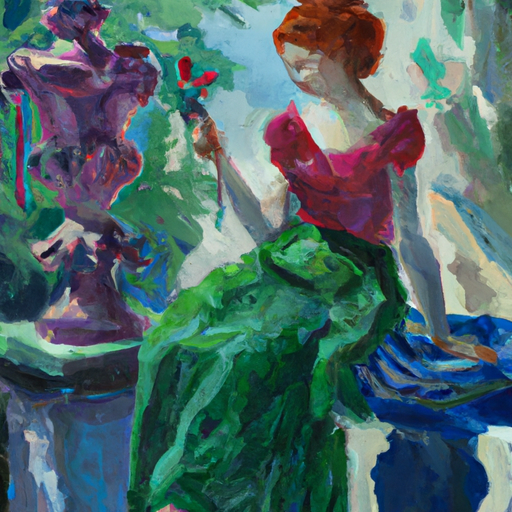
Example of visual style of Eugene Delacroix

Eugene Delacroix

Eugene Delacroix was a prominent French Romantic artist in the 19th century. His style is characterized by vibrant colors, dramatic compositions, and a passion for capturing strong emotions. Delacroix's famous works, such as 'Liberty Leading the People' (1830) and 'The Death of Sardanapalus' (1827), showcased his mastery in creating dynamic and visually captivating scenes. His use of vivid hues and energetic brushstrokes emphasized the intensity and movement within his paintings. Delacroix's style revolutionized traditional academic painting by infusing it with powerful emotional expression, laying the foundation for the Impressionist movement.

View StyleExplore Style
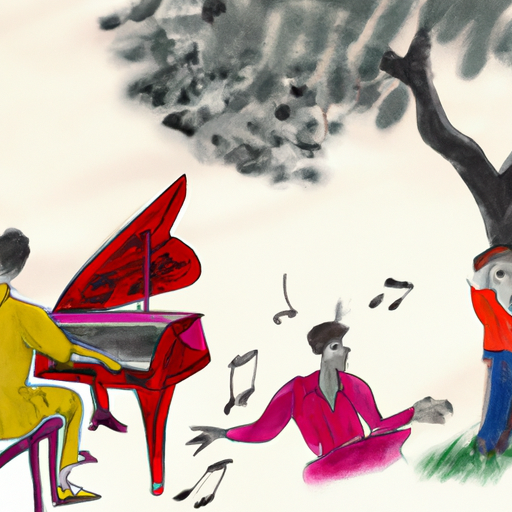
Example of visual style of Eugene Fromentin

Eugene Fromentin

Eugene Fromentin was a 19th-century French painter and writer known for his Orientalist style. He gained fame through his travels to North Africa in the mid-19th century, particularly Algeria. Fromentin's art captured the exotic and vibrant aspects of North African landscapes, marketplaces, and people. His works often showcased vivid colors, intricate patterns, and detailed portrayals of local customs and costumes. Fromentin's style was characterized by a blend of realism and romanticism, creating a sense of awe and fascination for viewers. His art played a significant role in popularizing Orientalism in the Western art world. Fromentin's most famous works include 'The Oasis of Gabès' and 'The Smala of Biskra.'

View StyleExplore Style
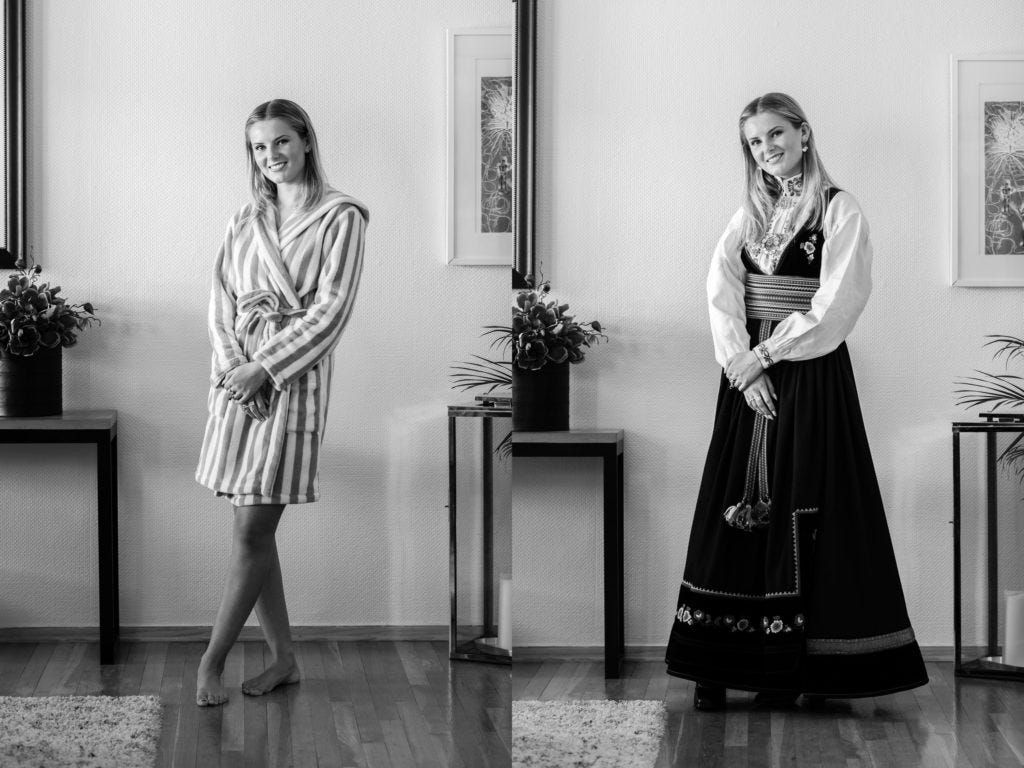
Example of visual style of François Truffaut

François Truffaut

The visual style of François Truffaut is characterized by naturalistic and documentary-like filmmaking techniques. Truffaut was a prominent figure of the French New Wave movement in cinema during the late 1950s and 1960s. His style became famous for its improvisational nature, handheld camera work, jump cuts, and an emphasis on realistic and personal storytelling. Truffaut's films are often associated with a sense of romanticism and a focus on the complexities of human relationships. He is known for his exploration of themes such as love, desire, childhood, and the fragility of identity. Truffaut's visual style influenced a generation of filmmakers and continues to be revered for its intimate and honest portrayal of life.

View StyleExplore Style
Example of visual style of La Strada

La Strada

La Strada is a visual style that emerged in the 1950s and became famous due to the film of the same name directed by Federico Fellini in 1954. It is characterized by a combination of neorealism and romanticism, portraying the harsh realities of life in post-war Italy with a touch of poetic lyricism. The style often uses black and white cinematography to create a stark contrast and emphasize the emotional turmoil of the characters. La Strada captured the attention of audiences worldwide and introduced Fellini as a prominent filmmaker.

View StyleExplore Style
Example of visual style of Theodore Chasseriau

Theodore Chasseriau

Theodore Chasseriau was a 19th-century French painter known for his romantic and Orientalist style. Active between 1836 and 1856, Chasseriau's work gained fame for its exotic subject matter, vibrant colors, and precise brushwork. His paintings often depicted mythological, historical, and biblical scenes, infused with a sense of drama and sensuality. Chasseriau's style was influenced by both Neoclassicism and Romanticism, creating a unique blend of grandeur and emotional intensity that captivated viewers of his time.

View StyleExplore Style
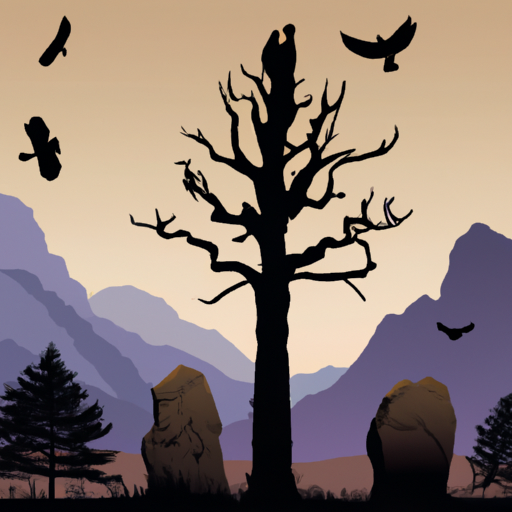
Example of visual style of Victor Hugo

Victor Hugo

Victor Hugo is a visual style inspired by the works of the French writer and artist Victor Hugo. It emerged in the 19th century during the Romanticism movement, which emphasized emotion and individualism. This style is characterized by its dramatic and expressive nature, often depicting scenes of intense emotion, grand landscapes, and gothic architecture. Victor Hugo's famous works, such as 'Les Misérables' and 'The Hunchback of Notre-Dame', contributed to the popularity of this style by showcasing vivid and emotional descriptions of characters and settings.

View StyleExplore Style
Example of visual style of Victorian Art

Victorian Art

Victorian Art, popular during the reign of Queen Victoria in Britain (1837-1901), is characterized by its ornate and detailed aesthetic. It was influenced by various artistic movements such as Romanticism, Realism, and Pre-Raphaelitism. This style is known for its emphasis on meticulous craftsmanship, intricate patterns, rich colors, and sentimental subject matter. Victorian Art became famous for its depiction of scenes from daily life, historical events, and mythical narratives.

View StyleExplore Style
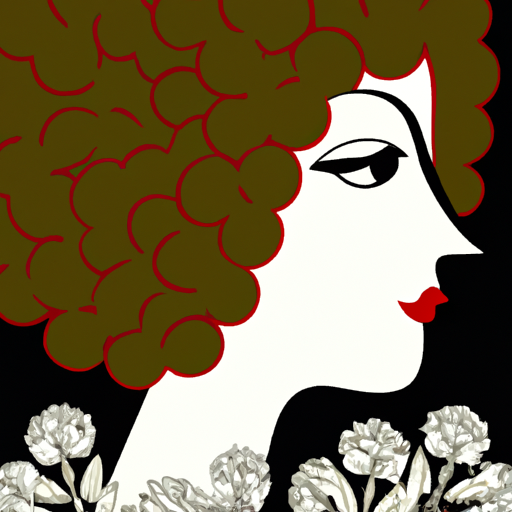
Example of visual style of Victorian Era

Victorian Era

Victorian Era was a period in British history from 1837 to 1901. This era is known for its ornate and lavish visual style, characterized by intricate details, romanticism, and nostalgia for the past. The Victorian Era was famous for its grand architecture, fashion, and art, with an emphasis on opulence and refinement. The Industrial Revolution also had a significant impact on the visual style of this era, with the use of new materials and technologies influencing design choices.

View StyleExplore Style
Example of visual style of William Chang

William Chang

William Chang is a renowned Hong Kong film editor and production designer known for his distinctive visual style. His work became famous during the 1990s and 2000s, particularly through his collaborations with director Wong Kar-wai. Chang's style blends elements of film noir, romanticism, and modernism, creating visually stunning and emotionally evocative compositions. He is known for his meticulous attention to detail, use of bold colors, dynamic camera angles, and his ability to create a heightened sense of atmosphere and mood. Chang's innovative editing techniques, including rapid cuts, fragmented narratives, and non-linear storytelling, have had a profound influence on contemporary film editing.

View StyleExplore Style
Example of visual style of William Turner

William Turner

William Turner, also known as J.M.W. Turner, was an English Romantic painter and is considered one of the greatest masters of landscape painting. Active during the late 18th and early 19th centuries, Turner's style is characterized by his innovative techniques, dramatic use of light and color, and his ability to capture the atmosphere and mood of the landscapes and seascapes he painted. His work often evoked a sense of sublime and the raw power of nature. Turner's unique style made him famous and influential in his time, and he continues to be celebrated as a pioneer of modern art.

View StyleExplore Style
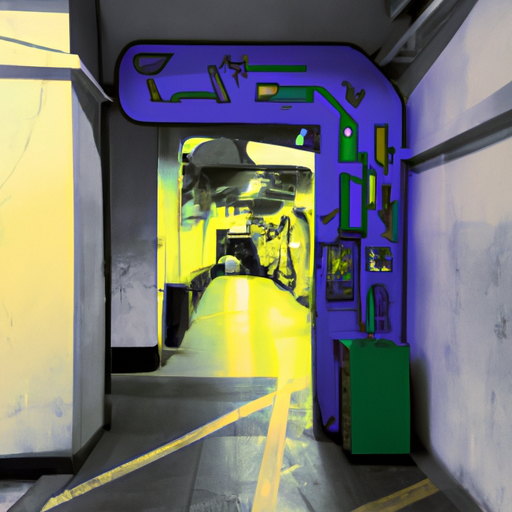
Example of visual style of Wong Kar Wai

Wong Kar Wai

Wong Kar Wai is a Hong Kong filmmaker known for his distinct visual style that combines elements of romanticism, nostalgia, and urban decay. His films gained international recognition in the 1990s and 2000s, particularly with the release of 'Chungking Express' (1994) and 'In the Mood for Love' (2000). Wong's use of vibrant colors, slow motion, and atmospheric lighting create a dream-like and melancholic atmosphere. He is also known for his fragmented narratives and emphasis on characters' internal emotions. Wong Kar Wai's visually stunning films have captivated audiences worldwide, making him one of the most influential directors in contemporary cinema.

View StyleExplore Style
Home