StylopediaStylopedia

Romantic styles on Stylopedia

A visual encyclopedia of romantic styles – use as prompt inspiration for Midjourney, Gemini, or ChatGPT AI when making romantic images

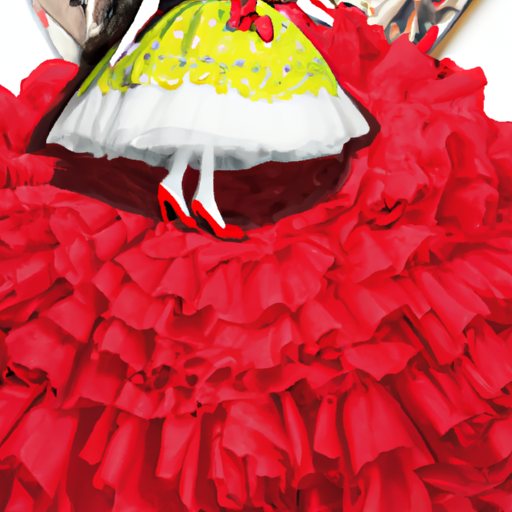
Example of visual style of Adele

Adele

The Adele visual style emerged in the late 2000s and gained popularity in the early 2010s. Known for its vintage-inspired and romantic aesthetic, this style is named after the iconic British singer Adele. Adele's music and image, characterized by her soulful voice, classic fashion choices, and nostalgic charm, greatly influenced popular culture. The Adele visual style exudes elegance, with a focus on timeless beauty, retro fashion elements, and soft, dreamy imagery. It has become synonymous with vintage-inspired fashion, classic Hollywood glamour, and a sense of nostalgia. This style has a strong emphasis on femininity and often incorporates elements such as flowing dresses, retro hairstyles, and subtle makeup. Overall, the Adele visual style celebrates a romantic and elegant aesthetic with a nod to the past.

View StyleExplore Style
Example of visual style of Alexander Mcqueen

Alexander Mcqueen

Alexander McQueen was known for his daring and unconventional fashion designs. His style emerged in the late 1990s and early 2000s, and he became famous for his bold and theatrical runway presentations. McQueen's designs often featured a dark and avant-garde aesthetic, with a mixture of romanticism and punk influences. He was known for his meticulous attention to detail and his ability to push the boundaries of fashion. McQueen's style was characterized by dramatic silhouettes, intricate craftsmanship, and a sense of theatricality. His innovative and provocative designs left a lasting impact on the fashion industry.

View StyleExplore Style
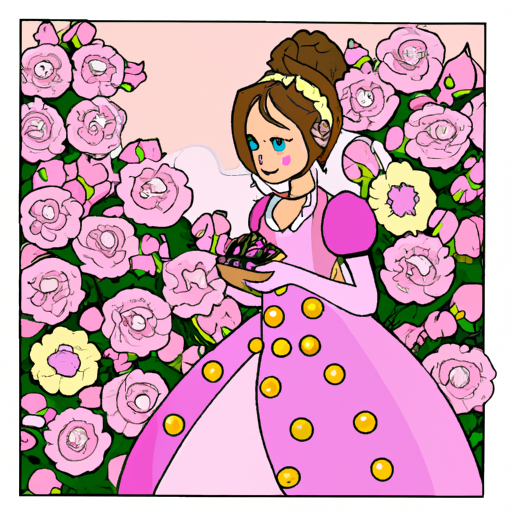
Example of visual style of Amelie Poulain

Amelie Poulain

Amelie Poulain is a visual style that became famous after the release of the French film 'Amelie' in 2001. It is known for its whimsical, vintage-inspired aesthetic with a touch of nostalgia. The style features vibrant colors, playful compositions, and dreamlike imagery. It often incorporates elements of retro and surrealism, creating a magical and romantic atmosphere. The film's success and critical acclaim contributed to the popularity of this style in contemporary art and design.

View StyleExplore Style
Example of visual style of Ayami Kojima

Ayami Kojima

Ayami Kojima is a Japanese illustrator known for her gothic and ethereal visual style. Her distinct art style became famous through her work on the Castlevania series, particularly on Castlevania: Symphony of the Night released in 1997. Kojima's art is characterized by its dark, romantic and highly detailed nature, often featuring intricate clothing, elaborate backgrounds, and beautiful characters with long flowing hair. Her artwork creates a sense of mystery and melancholy, drawing inspiration from European Gothic art and literature.

View StyleExplore Style
Example of visual style of Bohemian Style

Bohemian Style

Bohemian style, also known as Boho chic, emerged in the early 2000s as a fashion trend and has become a popular visual style ever since. Inspired by the free-spirited and unconventional lifestyle of the bohemian movement of the 1960s and 1970s, this style combines elements of hippie, gypsy, and vintage aesthetics. Characterized by its eclectic and expressive nature, the Bohemian style embraces bright colors, bold patterns, and a mix of textures. It often incorporates natural materials like wood, wicker, and rattan, as well as handmade or artisanal objects. Romantic and whimsical, Bohemian style celebrates individuality and a sense of adventure.

View StyleExplore Style
Example of visual style of Charles Marion Russell

Charles Marion Russell

Charles Marion Russell was an American artist who specialized in Western-themed paintings, sculptures, and illustrations. Active during the late 19th and early 20th centuries, Russell's work played a significant role in shaping the popular imagination of the American West. His realistic portrayals of cowboys, Native Americans, landscapes, and wildlife captured the ruggedness and romanticism associated with the frontier. Russell's keen attention to detail, use of vibrant colors, and ability to convey emotion made his work famous and iconic.

View StyleExplore Style
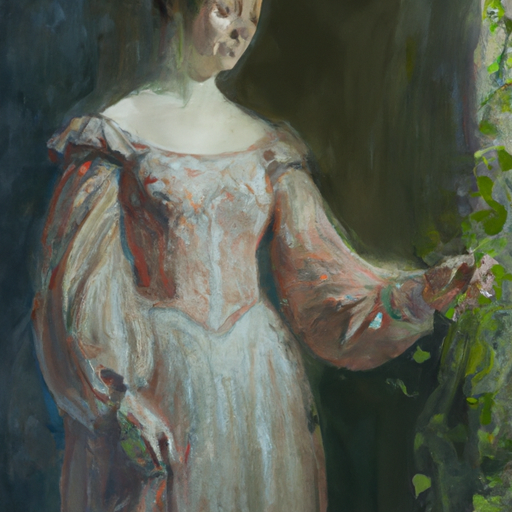
Example of visual style of Charlotte Bronte

Charlotte Bronte

The Charlotte Bronte visual style is characterized by its romantic and gothic elements, often depicted through moody and atmospheric landscapes, dark color palettes, and strong emotional depth. This style emerged in the 19th century and is closely associated with the works of the English author Charlotte Bronte, particularly her novel 'Jane Eyre'. The style became famous for its portrayal of complex female characters and its exploration of social and psychological issues of the time.

View StyleExplore Style
Example of visual style of Cinderella

Cinderella

Cinderella is a visual style inspired by the fairytale of Cinderella. It became famous in the mid-20th century, particularly with the release of the Disney animated film in 1950. This style is characterized by its romantic and dreamy aesthetic, featuring elaborate ballgowns, ornate castles, and whimsical elements. The story of Cinderella and its visual style have influenced numerous designers and artists, making it a timeless and beloved theme in the world of fashion and art.

View StyleExplore Style
Example of visual style of Edward Burne Jones

Edward Burne Jones

Edward Burne Jones was an English artist and designer associated with the Pre-Raphaelite movement. He is known for his intricate and detailed illustrations, paintings, and stained glass designs. Active during the Victorian era in the late 19th and early 20th centuries, his work is characterized by romantic and mythological themes, vibrant colors, and a focus on beauty and idealized figures. Burne Jones' exquisite attention to detail and use of symbolism made him famous as one of the leading figures in the Pre-Raphaelite movement.

View StyleExplore Style
Example of visual style of Edwardian Era

Edwardian Era

The Edwardian Era visual style refers to the period between 1901 and 1910, during the reign of King Edward VII in the United Kingdom. It is characterized by a blend of different design influences, including Art Nouveau, Arts and Crafts, and elements from the previous Victorian era. This style is known for its elegance, sophistication, and grandeur, epitomizing the opulent lifestyle of the upper class during this time. It is often associated with ornate and intricate details, luxurious fabrics, pastel color palettes, and a sense of romanticism. The Edwardian Era became famous for its fashionable clothing, extravagant interiors, and the emergence of notable designers such as Charles Rennie Mackintosh and Louis Comfort Tiffany.

View StyleExplore Style

Example of visual style of Francois Boucher

Francois Boucher

Francois Boucher was a French painter during the Rococo period in the mid-18th century. Known for his delicate and graceful style, Boucher's works often depicted mythological and romantic themes. His art became famous for its lush colors, intricate details, and sensual compositions. Boucher was the favorite painter of Madame de Pompadour, the mistress of King Louis XV, which further elevated his status and popularity. His style was influential in defining the Rococo aesthetic and capturing the essence of the era.

View StyleExplore Style
Example of visual style of Frederic Edwin Church

Frederic Edwin Church

Frederic Edwin Church was an American landscape painter known for his romantic and luminous style. He was active during the mid-19th century and is considered one of the major figures of the Hudson River School, a group of American landscape painters. Church's style was characterized by highly detailed and realistic renderings of nature, with a particular focus on the sublime and grandeur of the American landscape. His paintings often featured dramatic skies, vibrant colors, and a meticulous attention to detail. Church's most famous works include 'The Heart of the Andes' (1859) and 'Twilight in the Wilderness' (1860). He gained fame for his ability to capture the awe-inspiring beauty of nature and his ambitious exploration of various landscapes around the world.

View StyleExplore Style
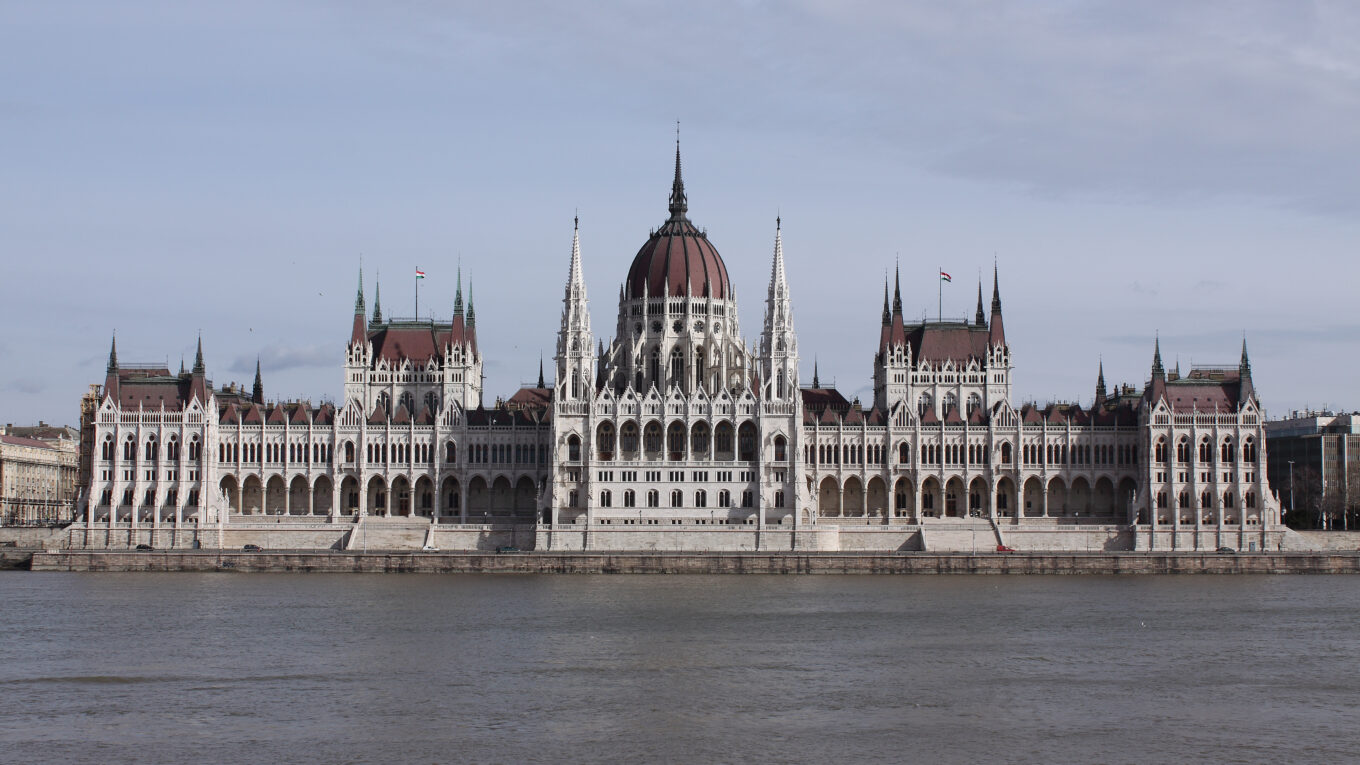
Example of visual style of Gothic Revival

Gothic Revival

Gothic Revival is an architectural and design style that emerged in the late 18th century, reaching its peak popularity during the 19th century. It draws inspiration from the medieval Gothic style, particularly the pointed arches, ribbed vaults, and intricate ornamentation of Gothic cathedrals and castles. Gothic Revival became famous as it embodied a romanticized perception of the Middle Ages and represented a reaction against the prevailing neoclassical styles of the time.

View StyleExplore Style
Example of visual style of Gothic Subculture

Gothic Subculture

Gothic Subculture emerged in the late 1970s and became famous in the 1980s. It is characterized by dark and dramatic fashion and aesthetics, often inspired by Gothic literature and horror films. The style is known for its emphasis on black clothing, extravagant makeup (such as pale skin and dark eye makeup), and accessories like chokers, lace, and leather. Gothic Subculture is admired for its romantic and melancholic atmosphere, expressed through a combination of music, fashion, and alternative lifestyle choices.

View StyleExplore Style
Example of visual style of Jmw Turner

Jmw Turner

Jmw Turner was a prominent English landscape painter and watercolorist during the late 18th and early 19th centuries. His style is characterized by its luminosity, atmospheric effects, and expressive brushwork. Turner's works were famous for their dramatic portrayal of light and weather conditions, often capturing the transient nature of the natural world. His innovative techniques and bold use of color brought a new level of emotional intensity to landscape painting, making him a leading figure in the Romantic movement.

View StyleExplore Style
Example of visual style of John William Waterhouse

John William Waterhouse

John William Waterhouse was an English painter known for his depictions of classical mythology, historical events, and literary themes. His style, popular in the late 19th and early 20th centuries, is characterized by its romantic and idealized interpretations of subjects. Waterhouse's use of vibrant colors, meticulous attention to detail, and ethereal compositions made his paintings famous. His work often showcased graceful figures, flowing drapery, and lush landscapes.

View StyleExplore Style
Example of visual style of Joseph Mallord William Turner

Joseph Mallord William Turner

Joseph Mallord William Turner was a prominent English Romantic landscape painter during the late 18th and early 19th centuries. His unique visual style is characterized by his innovative use of light and color, capturing the transformative effects of nature and atmospheric conditions. Turner's works became famous for their dramatic and emotive qualities, often evoking a sense of awe and sublimity. His mature period, from the 1820s to 1850s, saw him experimenting with abstraction and pushing the boundaries of traditional landscapes. Turner's attention to detail, vibrant palettes, and expressive brushwork made him one of the most influential landscape painters of his time.

View StyleExplore Style
Example of visual style of Madeleine De Puisieux

Madeleine De Puisieux

Madeleine De Puisieux is a visual style that emerged in the 18th century France and became famous for its delicate and elegant aesthetics. It is characterized by its use of pastel colors, intricate details, and romantic motifs. This style gained popularity during the Rococo period, specifically in the years 1730 to 1770. Madeleine De Puisieux is known for her intricate designs in fashion and interior decoration, incorporating elements such as floral patterns, gilded accents, and ornate furniture. The style became famous for its ability to create a sense of opulence and luxury while maintaining a delicate and feminine appeal.

View StyleExplore Style
Example of visual style of Maria Grazia Chiuri

Maria Grazia Chiuri

Maria Grazia Chiuri is known for her elegant and romantic visual style. She gained fame as the first female creative director of Dior in 2016, after creating a successful partnership with Pierpaolo Piccioli as creative directors of Valentino. Her designs are characterized by flowing silhouettes, delicate detailing, and a focus on femininity. She often incorporates lace, embroidery, and intricate appliqués into her collections. Chiuri's style became famous for its modern take on traditional craftsmanship, combining classical elegance with a contemporary edge. Her iconic and empowering designs have resonated with women around the world.

View StyleExplore Style
Home