StylopediaStylopedia

Rococo styles on Stylopedia

A visual encyclopedia of rococo styles – use as prompt inspiration for Midjourney, Gemini, or ChatGPT AI when making rococo images

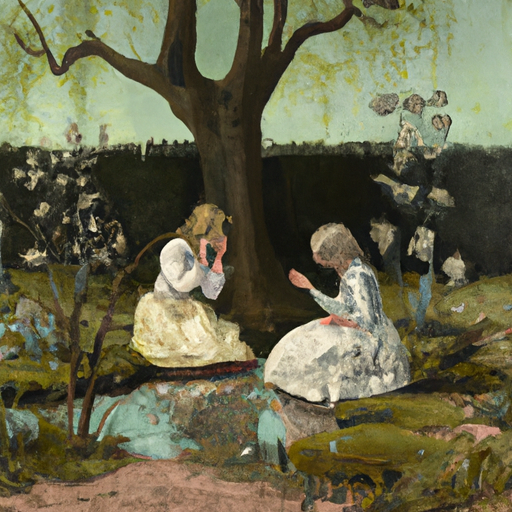
Example of visual style of Antoine Watteau

Antoine Watteau

Antoine Watteau was a French painter of the Rococo style in the early 18th century. His style is characterized by delicate pastel colors, fluid brushstrokes, and a sense of movement. Watteau's paintings often depicted fêtes galantes, which were scenes of elegant outdoor gatherings and romantic themes set in lush landscapes. His works showcased a combination of fantasy and reality, evoking a sense of enchantment and escapism. Watteau's art became famous for its portrayal of the aristocratic lifestyle and its influence on the Rococo movement in France.

View StyleExplore Style
Example of visual style of Charles Eisen

Charles Eisen

Charles Eisen was a French painter and engraver, known for his delicate and graceful Rococo style. Born in 1720, Eisen became famous during the mid-18th century. His intricate details, elegant compositions, and use of soft colors made him a prominent figure in the Rococo movement. Eisen was particularly known for his illustrations of literature, including the famous works of Voltaire. His style captured the spirit of the Rococo era, characterized by ornate and whimsical designs, and became highly influential during this time.

View StyleExplore Style
Example of visual style of Chippendale

Chippendale

Chippendale is a style of furniture design that emerged in the mid-18th century, named after the British cabinet-maker Thomas Chippendale. It gained popularity during the years of 1750 to 1780. This visual style is famous for its ornate and intricately carved woodwork, especially in dining chairs and cabinets. The Chippendale style is characterized by the use of rococo motifs, such as scrolls, shells, and acanthus leaves, as well as Chinese-inspired elements like pagoda-shaped tops and fretwork. The craftsmanship and attention to detail made Chippendale furniture highly sought after, marking a shift towards more refined and elegant designs.

View StyleExplore Style
Example of visual style of Eisen

Eisen

Eisen is a visual style that emerged during the 18th century in France. It is named after the French painter and engraver Charles Eisen. The style became famous for its delicate and ornate illustrations and engravings. Eisen's works often depicted scenes from literature, fashion, and everyday life. The style reached its peak popularity during the Rococo period, around the years 1730 to 1760. Eisen's intricate designs and attention to detail made him a prominent figure in the art world of that time.

View StyleExplore Style
Example of visual style of Francisco Goya

Francisco Goya

Francisco Goya was a Spanish painter and printmaker from the late 18th to early 19th century. Goya's style underwent significant changes over the years, making it difficult to define a single visual style for him. In his early works, he followed the Rococo style with its bright colors, delicate brushwork, and scenes depicting aristocracy. However, Goya later developed a more realistic and somber style, known as his 'Black Paintings,' which are characterized by dark tones, grotesque figures, and themes of despair and madness. Goya's work was highly influential in the art world and he is widely regarded as one of the most important Spanish artists of all time.

View StyleExplore Style
Example of visual style of Francois Boucher

Francois Boucher

Francois Boucher was a French painter during the Rococo period in the mid-18th century. Known for his delicate and graceful style, Boucher's works often depicted mythological and romantic themes. His art became famous for its lush colors, intricate details, and sensual compositions. Boucher was the favorite painter of Madame de Pompadour, the mistress of King Louis XV, which further elevated his status and popularity. His style was influential in defining the Rococo aesthetic and capturing the essence of the era.

View StyleExplore Style
Example of visual style of French Opera

French Opera

French Opera is a visual style that emerged in France during the 17th and 18th centuries. It became prominent during the reign of Louis XIV and continued to flourish throughout the Enlightenment period. This style is most famous for its opulence, grandeur, and theatricality. It was characterized by extravagant costumes, elaborate stage designs, and intricate set pieces. French Opera combined elements of baroque and rococo aesthetics, combining rich ornamentation, delicate details, and a sense of luxury. The style gained popularity due to the influence of important composers like Jean-Baptiste Lully and Jean-Philippe Rameau. It became a symbol of French culture and artistic expression.

View StyleExplore Style
Example of visual style of Historical Contemporary Fusion

Historical Contemporary Fusion

Historical Contemporary Fusion is a visually striking style that seamlessly blends elements of historical and contemporary design. It gained popularity in the late 20th century and continues to influence design today. The style combines classic design elements from various historical periods, such as Baroque, Rococo, Art Deco, and Mid-century Modern, with contemporary aesthetics and materials. This fusion creates a unique visual language that attracts attention and sparks intrigue.

View StyleExplore Style
Example of visual style of King Louis XVI

King Louis XVI

King Louis XVI was a visual style that emerged during the late 18th century in France, particularly during the reign of King Louis XVI from 1774 to 1792. This style was known for its opulence, extravagance, and grandeur. It was inspired by the Neoclassical aesthetic and influenced by the Rococo style that preceded it. King Louis XVI style gained popularity through its association with the French monarchy and its lavishness, as well as being a reaction to the simplicity and restraint of the Enlightenment period.

View StyleExplore Style
Example of visual style of Louis XV Style

Louis XV Style

The Louis XV Style, also known as the Rococo style, flourished in France from 1730 to 1760 during the reign of King Louis XV. This style marked a departure from the formal and symmetrical designs of the preceding Baroque era. Known for its opulence and delicate ornamentation, the Louis XV Style embraced asymmetry, lightness, and frivolity. It was characterized by sinuous and curvaceous forms, intricate detailing, and a profusion of decorative elements such as shell motifs, scrolls, and intricate foliage. The Louis XV Style became famous for its emphasis on luxury, comfort, and elegance, which catered to the tastes of the French aristocracy of the time.

View StyleExplore Style
Example of visual style of Marquise De Pompadour

Marquise De Pompadour

Marquise De Pompadour is a visual style that emerged during the mid-18th century in France. It is named after Jeanne Antoinette Poisson, the Marquise de Pompadour, who was the official chief mistress of King Louis XV of France. This style is known for its elegance, sophistication, and extravagant details. It flourished between the years of 1745 and 1755, during the Rococo period. The Marquise de Pompadour was a prominent patron of the arts and played a significant role in promoting the Rococo style, which became popular in Europe during her time. The visual style is characterized by its opulent and exquisite ornamentation, delicate pastel colors, asymmetrical compositions, curvaceous forms, and floral motifs.

View StyleExplore Style
Example of visual style of Thomas Chippendale

Thomas Chippendale

Thomas Chippendale was an 18th-century English cabinetmaker and furniture designer. He was highly influential in the development of the Neoclassical style. Chippendale's style is characterized by a fusion of Rococo and Gothic design elements, with intricate carvings, delicate curves, and ornate details. His furniture pieces were often made from mahogany and featured distinctive motifs such as cabriole legs, Chinese-style fretwork, and Gothic-inspired arches. Chippendale's designs became famous not only for their craftsmanship but also for their versatility, as he provided pattern books that allowed customers to choose from a wide range of designs and customize furniture to their preferences.

View StyleExplore Style
Home