StylopediaStylopedia

Revival styles on Stylopedia

A visual encyclopedia of revival styles – use as prompt inspiration for Midjourney, Gemini, or ChatGPT AI when making revival images

Example of visual style of Celtic Revival

Celtic Revival

Celtic Revival is an artistic movement that emerged in the 19th century and reached its peak in the late 19th and early 20th centuries. It was a celebration and reawakening of Celtic culture, particularly in Ireland and Scotland. This style gained fame through its incorporation of Celtic motifs, symbolism, and mythology into various art forms such as architecture, painting, jewelry, and decorative arts. The widespread interest in Celtic heritage, fueled by archaeological discoveries and cultural movements, revived the appreciation for rich Gaelic traditions and influenced the visual arts of the time.

View StyleExplore Style
Example of visual style of Neo Gothic

Neo Gothic

Neo Gothic is a visual style that emerged in the late 19th century and reached its peak in popularity during the late Victorian and Edwardian eras (1880-1910). It is a revival and reinterpretation of the original Gothic style that was prominent in the medieval period. Neo Gothic became famous for its use of intricate ornamental details, pointed arches, steep gables, and grandiose proportions. The architectural movement of Gothic Revival in the mid-18th century laid the foundation for the Neo Gothic style, but it was further popularized through the works of influential architects, such as Augustus Pugin and Charles Barry, who designed iconic structures like the British Houses of Parliament, commonly known as the 'Big Ben' clock tower. The Neo Gothic style represents a nostalgic fascination with the medieval past and continues to remain influential in designing churches, cathedrals, and other significant structures.

View StyleExplore Style
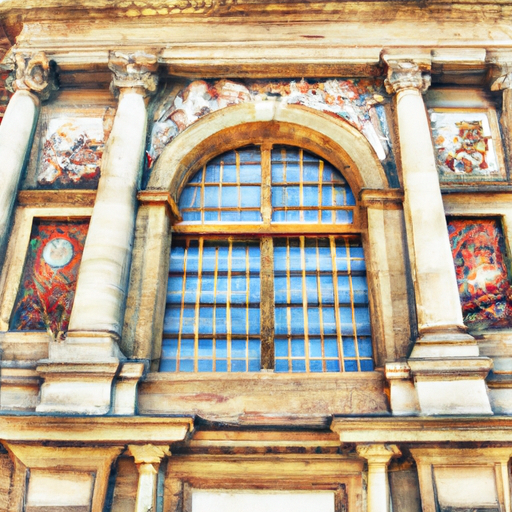
Example of visual style of Renaissance Architecture

Renaissance Architecture

Renaissance Architecture, prevalent from the 14th to the 17th century, is characterized by a revival of classical Roman and Greek architectural elements. Famous for its grandeur, harmony, and symmetry, Renaissance Architecture brought back classical proportions and features such as domes, arches, columns, and pilasters. This style became famous for its influential architects such as Filippo Brunelleschi, Andrea Palladio, and Donato Bramante, and landmark structures like the Florence Cathedral, St. Peter's Basilica, and the Palazzo Farnese.

View StyleExplore Style
Example of visual style of Transavanguardia

Transavanguardia

Transavanguardia was an art movement in the 1980s that emerged in Italy. It gained prominence as a reaction against the conceptual art and minimalism of the previous decade. The style was famous for combining various artistic traditions with a bold and expressive approach. It emphasized a return to figurative painting and the use of vibrant colors, often with a primitive or naive aesthetic. Transavanguardia played a significant role in reviving interest in painting and reintroducing emotion and subjectivity into contemporary art.

View StyleExplore Style
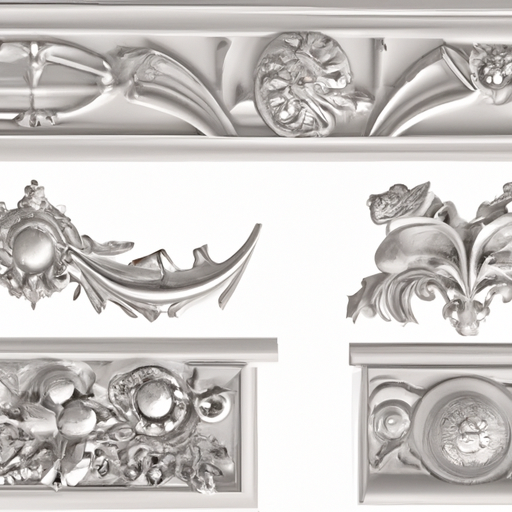
Example of visual style of Victorian Revival

Victorian Revival

Victorian Revival is a design style that emerged in the late 19th and early 20th centuries, seeking to revive the aesthetics of the Victorian era (1837-1901). This style gained popularity during the late 19th century as a reaction against the industrialization and rapid social changes of the time. The Victorian Revival style is characterized by ornate and elaborate detailing, incorporating intricate patterns, decorative motifs, and a sense of grandeur. It became famous for its focus on nostalgia, historical references, and a desire to rekindle the beauty and elegance of the past.

View StyleExplore Style
Home