StylopediaStylopedia

Rebellious styles on Stylopedia

A visual encyclopedia of rebellious styles – use as prompt inspiration for Midjourney, Gemini, or ChatGPT AI when making rebellious images

Example of visual style of Anarchy In The Uk

Anarchy In The Uk

Anarchy In The Uk was a visual style that emerged in the mid-1970s in the United Kingdom, reaching its peak during the punk rock movement. It is characterized by its rebellious and provocative nature, breaking away from traditional norms and embracing a DIY (Do It Yourself) spirit. The style became famous for its use of bold and aggressive imagery, chaotic and anti-establishment aesthetics. The combination of torn-paper graphics, distressed typographies, and a raw color palette conveyed a sense of discomfort and opposition to the prevailing societal norms, making it a visual representation of the punk ideology.

View StyleExplore Style
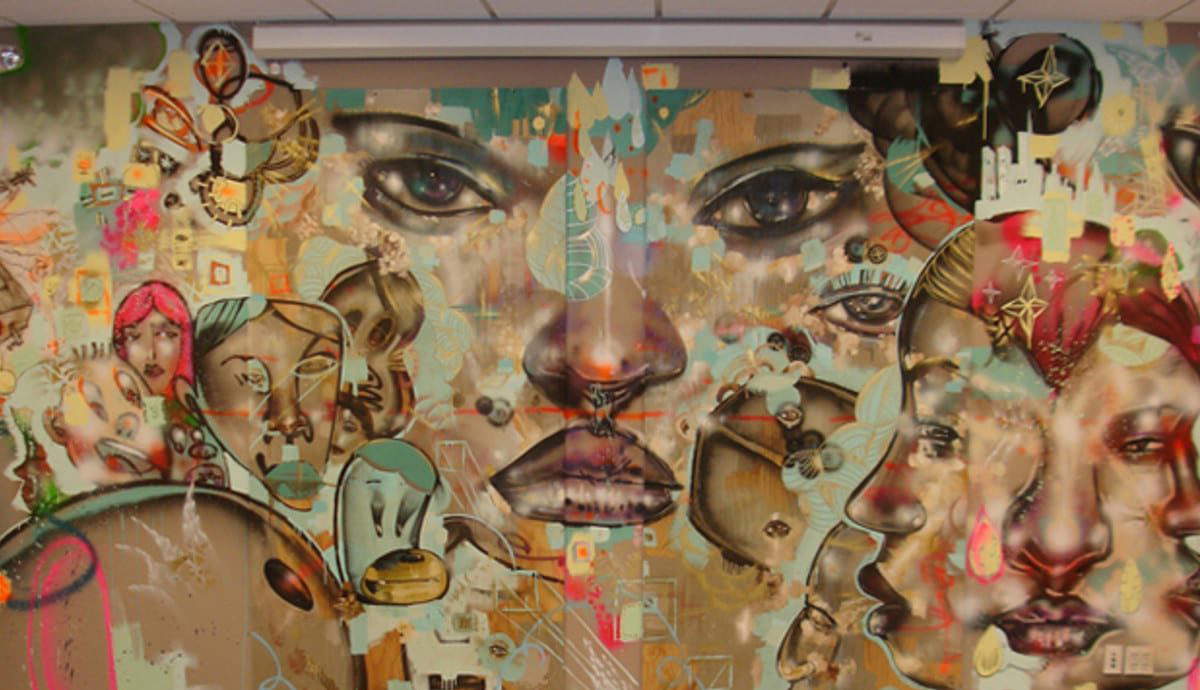
Example of visual style of Asger Jorn

Asger Jorn

Asger Jorn was a Danish painter, sculptor, and ceramic artist who played a vital role in the CoBrA movement. Active in the mid-20th century, Jorn's visual style was characterized by bold, expressive brushwork, vibrant colors, and an emphasis on symbolic and biomorphic forms. His work often explored themes of social critique, spontaneous creativity, and the intersection of art and politics. Asger Jorn's style gained fame in the 1950s and 1960s for its energetic, spontaneous, and rebellious nature.

View StyleExplore Style
Example of visual style of Blondie

Blondie

Blondie is a visual style that emerged in the late 1970s and gained popularity throughout the 1980s. It is characterized by a blend of new wave and punk rock aesthetics, with an emphasis on vibrant colors, edgy fashion, and a rebellious attitude. Blondie, the American rock band fronted by Debbie Harry, played a significant role in popularizing this style through their music and iconic album covers. The style became famous for its bold and eclectic mix of influences, creating a unique fusion of punk, disco, and pop culture.

View StyleExplore Style
Example of visual style of Fashion Icons

Fashion Icons

Fashion Icons is a visual style that refers to iconic fashion trends and individuals that have made a significant impact on the fashion industry. This style encompasses various eras, including the glamorous fashion of the 1950s, the rebellious styles of the 1960s, the bold and avant-garde designs of the 1980s, and the minimalistic and sleek aesthetics of the 1990s. Fashion Icons highlights fashion designers, models, celebrities, and style influencers whose creativity, innovation, and unique sense of style have influenced and shaped the fashion world. From Coco Chanel, Audrey Hepburn, and Marilyn Monroe to Madonna, Kate Moss, and Karl Lagerfeld, these iconic figures have become synonymous with fashion and continue to influence contemporary fashion trends.

View StyleExplore Style
Example of visual style of Flapper Style

Flapper Style

Flapper Style emerged in the 1920s, particularly during the Roaring Twenties in the United States. It was a fashion trend associated with young, independent, and progressive women known as flappers. This style became famous for its rebellious and carefree nature, challenging traditional gender roles and societal norms. Flapper Style was characterized by loose-fitting and shapeless silhouettes, dropped waistlines, knee-length skirts, and sleeveless or short-sleeved dresses. The use of luxurious fabrics, such as silk and sequins, added a glamorous touch. Short bobbed haircuts, often worn with decorative headbands or cloche hats, were also iconic of this style. The flapper look represented a shift towards a more urban and modern lifestyle, embodying the spirit of the Jazz Age.

View StyleExplore Style

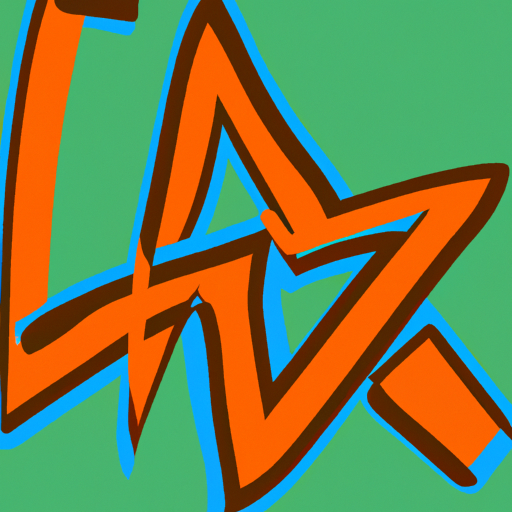
Example of visual style of Graffiti

Graffiti

Graffiti is a visually striking and expressive style of art that originated in the late 1960s to early 1970s. It became famous for its bold, colorful, and often elaborate lettering and images painted on public spaces such as walls, trains, and buildings. This rebellious form of art gained prominence in urban cities and served as a voice for marginalized communities. Spray paint and markers are commonly used to create intricate designs and vibrant colors. Graffiti artists embrace a sense of anonymity and often adopt pseudonyms to avoid legal repercussions for their work.

View StyleExplore Style
Example of visual style of Hedi Slimane

Hedi Slimane

Hedi Slimane is a French fashion designer and photographer known for his minimalist and edgy style. He rose to fame in the late 1990s and early 2000s as the creative director of Dior Homme, where he revolutionized men's fashion with his slim-fitting suits and rock 'n' roll aesthetic. Slimane's style is characterized by its sleek and monochromatic look, often incorporating leather, denim, and skinny silhouettes. He is known for his attention to detail and his ability to capture the essence of youth and rebellion in his designs. His work has had a huge influence on contemporary fashion and continues to inspire designers today.

View StyleExplore Style
Example of visual style of Industrial Rock

Industrial Rock

Industrial Rock is a visually intense and gritty style that emerged in the late 1980s and gained popularity in the early 1990s. It is characterized by a fusion of heavy rock and industrial music, incorporating aggressive and distorted guitar riffs, synthesizers, and electronic elements. The style is known for its dark and raw aesthetics, combining elements of industrial machinery, urban decay, and post-apocalyptic imagery. Famous for its rebellious and anti-establishment themes, Industrial Rock became an important movement in the alternative music scene, with bands like Nine Inch Nails, Ministry, and Marilyn Manson achieving significant success.

View StyleExplore Style
Example of visual style of Jamie Reid

Jamie Reid

Jamie Reid is an English artist known for his iconic punk rock collages and album covers. He gained prominence in the mid-1970s as the graphic designer for the punk band, the Sex Pistols. Reid's style is characterized by the use of cut-up letters and ransom note fonts, combined with vibrant and chaotic imagery. His work became synonymous with the punk movement, as he created visually provocative and politically charged artwork that reflected the rebellious and anarchic nature of punk. Jamie Reid's style revolutionized the visual aesthetic of punk rock and continues to influence art and design to this day.

View StyleExplore Style
Home