StylopediaStylopedia

Rebellion styles on Stylopedia

A visual encyclopedia of rebellion styles – use as prompt inspiration for Midjourney, Gemini, or ChatGPT AI when making rebellion images

Example of visual style of Debbie Harry

Debbie Harry

Debbie Harry style was iconic in the late 1970s and 1980s. She was the lead singer of the band Blondie, and her unique look combined elements of punk, new wave, and rock fashion. Known for her platinum blonde hair, bold makeup, and edgy wardrobe, Debbie Harry became a fashion icon of the era. Her style was a mix of rebellion and glamour, with leather jackets, ripped t-shirts, tight fitting dresses, and statement accessories. With her fearless attitude and distinctive image, Debbie Harry left a lasting impact on the music and fashion scene of her time.

View StyleExplore Style
Example of visual style of Dennis Morris

Dennis Morris

Dennis Morris is a visual style that emerged in the 1970s and became famous for its raw and gritty aesthetic. Known for capturing the energy and rebellion of punk culture, Dennis Morris's iconic photographs showcased the music scene in London during the late 1970s. His candid and intimate portraits of influential punk musicians, such as Bob Marley, Sex Pistols, and The Clash, captured the essence of the countercultural movement. Morris's style is characterized by high contrast black and white imagery, capturing the raw emotions and intensity of the subjects.

View StyleExplore Style
Example of visual style of Fight Club

Fight Club

The visual style of Fight Club can be described as dark, gritty, and edgy. The film, released in 1999, became famous for its unique blend of unconventional storytelling, striking cinematography, and atmospheric visuals. The use of low-key lighting, desaturated colors, and high contrast creates a moody and raw aesthetic that complements the themes of rebellion and disillusionment explored in the movie. Fight Club's visual style became influential in the late 90s and early 2000s, inspiring a number of other films and establishing director David Fincher as a master of visual storytelling.

View StyleExplore Style
Example of visual style of Glam Rock

Glam Rock

Glam Rock, also known as Glitter Rock, emerged in the early 1970s and reached its peak popularity in the mid-1970s. It is characterized by its extravagant and flamboyant aesthetic, combining elements of extravagant fashion, androgyny, theatrical makeup, and glitter. Glam Rock artists such as David Bowie, T. Rex, and Queen became famous for their theatrical performances and provocative fashion choices, which broke the boundaries of gender norms. With its emphasis on individualism, self-expression, and rebellion, Glam Rock became an iconic style in the music and fashion industries.

View StyleExplore Style
Example of visual style of Iggy Pop

Iggy Pop

The visual style of Iggy Pop emerged in the late 1960s and gained prominence in the 1970s. It is characterized by a raw, energetic, and provocative aesthetic. Iggy Pop, born James Newell Osterberg, is renowned for his influential contributions to punk rock and his intense and uninhibited stage performances. His style is known for its non-conformity, rebellion, and a sense of danger, which resonated with the counterculture and youth of the time. Iggy Pop's visual style embraced elements such as tight leather pants, bare chest, and wild hair, embodying a rock 'n' roll spirit that continues to inspire musicians and fans to this day.

View StyleExplore Style
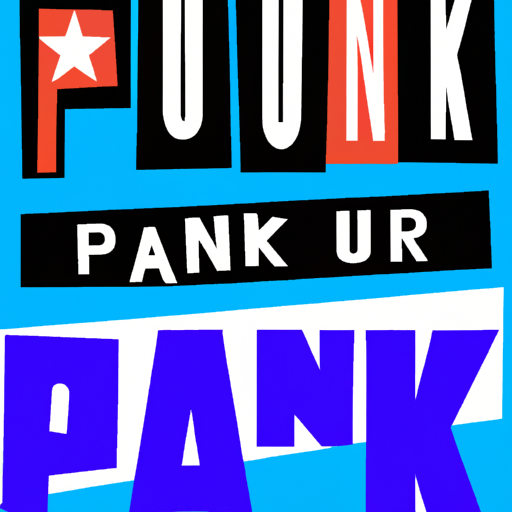
Example of visual style of Punk Subculture

Punk Subculture

Punk Subculture originated in the mid-1970s as a rebellion against social norms and mainstream culture. It gained popularity in the UK and soon spread worldwide. The style is characterized by a DIY (do-it-yourself) attitude, unconventional fashion, and a distinct anti-establishment attitude. Punk fashion often includes ripped clothing, safety pins, leather jackets, band t-shirts, and bold, vibrant hairstyles. The movement also embraced a unique form of music known as punk rock, which combined aggressive and energetic sounds with politically charged lyrics. Punk Subculture continues to influence fashion, music, and art to this day.

View StyleExplore Style
Example of visual style of Vivienne Westwood

Vivienne Westwood

Vivienne Westwood is a British fashion designer known for her bold and unconventional style. She rose to prominence in the late 1970s and early 1980s as part of the punk fashion movement. Her designs often feature a mix of historical and contemporary elements, with a focus on rebellion and pushing boundaries. Westwood became famous for her use of tartan, corsets, and provocative clothing that challenged societal norms. Her unique vision and ability to merge high fashion with punk aesthetics made her an iconic figure in the fashion world.

View StyleExplore Style
Home