StylopediaStylopedia

Realism styles on Stylopedia

A visual encyclopedia of realism styles – use as prompt inspiration for Midjourney, Gemini, or ChatGPT AI when making realism images

Example of visual style of Akihiko Yoshida

Akihiko Yoshida

Akihiko Yoshida is a renowned Japanese artist and character designer known for his unique visual style. His style is characterized by beautifully detailed and intricate character designs, with a delicate balance between realism and fantasy. With a career spanning over two decades, Yoshida gained prominence in the late 1990s and early 2000s for his work on several iconic video games, including the 'Final Fantasy' series and 'Vagrant Story'. His intricate character designs and attention to detail made him famous in the gaming industry, and his work continues to inspire and captivate audiences.

View StyleExplore Style
Example of visual style of Alfonso Cuarón

Alfonso Cuarón

Alfonso Cuarón's visual style is characterized by long takes, continuous tracking shots, and immersive storytelling. Through his innovative use of camera movements, he creates a sense of realism and intimacy in his films. Cuarón gained fame for his work in the late 1990s and early 2000s, especially with films like 'Y Tu Mamá También' (2001) and 'Children of Men' (2006), which showcased his ability to capture the raw emotions of his characters in visually stunning ways.

View StyleExplore Style

Example of visual style of Alfred Stieglitz

Alfred Stieglitz

Alfred Stieglitz pioneered the style of straight photography, starting in the early 1900s. This style became famous for its realistic depiction of subjects, characterized by sharp focus, precise detail, and strong composition. Stieglitz's work captured the urban landscape and everyday life, reflecting the modern world. He played a significant role in elevating photography to the status of fine art through his promotion and advocacy. His photographs from 1900-1920s had a profound influence on the future of photography.

View StyleExplore Style

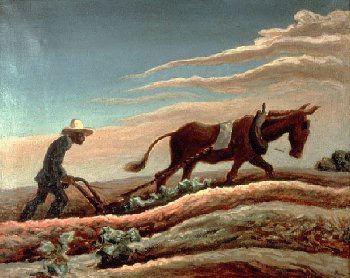
Example of visual style of American Scene Painting

American Scene Painting

American Scene Painting refers to a realist style of painting that emerged in the United States in the 1920s and reached its peak in the 1930s. It became famous for its depiction of everyday life in America, often capturing rural and urban landscapes, small-town scenes, and regional traditions. This style gained popularity during the Great Depression, as it focused on ordinary people and everyday activities, reflecting the social and economic conditions of that era.

View StyleExplore Style
Example of visual style of American Splendor

American Splendor

American Splendor is a visual style that emerged in the late 1970s and gained popularity in the 1980s. It is characterized by a raw, unpolished aesthetic and a focus on depicting the grit and realism of everyday life. This style became famous for its innovative combination of comics and real-life narrative, blurring the line between fiction and reality. American Splendor's emphasis on authenticity and its portrayal of the mundane aspects of American life made it resonate with a wide audience.

View StyleExplore Style
Example of visual style of Amy Sherald

Amy Sherald

Amy Sherald is an American artist known for her distinctive style of portrait painting that features vibrant colors, grayscale skin tones, and a unique combination of realism and abstraction. Her work gained international recognition in 2018 when her portrait of former First Lady Michelle Obama was unveiled at the National Portrait Gallery in Washington, D.C. Sherald's style is influenced by Realism and Postmodernism, and she often explores themes of African American identity, representation, and social justice in her artwork.

View StyleExplore Style
Example of visual style of Andrew Wyeth

Andrew Wyeth

Andrew Wyeth was an American realist painter known for his detailed, melancholic, and rural landscapes. His style emerged in the mid-20th century and his works gained fame for their emotional depth and meticulous attention to detail. Wyeth's most famous painting, 'Christina's World' (1948), brought his style to international recognition. His art often captured the quiet beauty and solitude of the American countryside, portraying subjects such as landscapes, figures, and objects in a highly realistic and sometimes haunting manner.

View StyleExplore Style
Example of visual style of Ang Lee

Ang Lee

Ang Lee's visual style can be described as a blend of realism and artistry. His films often feature stunning cinematography, meticulous attention to detail, and a deep exploration of human emotions. Lee became famous for his groundbreaking work in films such as 'Crouching Tiger, Hidden Dragon' (2000), which popularized the wuxia genre internationally, and 'Brokeback Mountain' (2005), which portrayed a sensitive and nuanced portrayal of a same-sex relationship. With a focus on character-driven narratives, Lee's visual style captures the beauty and complexity of human experiences.

View StyleExplore Style
Example of visual style of Caravaggio

Caravaggio

Caravaggio is an Italian Baroque art style that emerged in the late 16th and early 17th centuries. It is characterized by its dramatic use of light and shadow, known as chiaroscuro, which creates a strong contrast between illuminated subjects and dark backgrounds. Caravaggio's revolutionary approach to painting, with its emphasis on naturalism and his ability to capture the emotional intensity of his subjects, made him one of the most influential artists of his time.

View StyleExplore Style
Example of visual style of Chardin

Chardin

Chardin is a style of painting that emerged in France in the 18th century. It is named after the artist Jean-Baptiste-Siméon Chardin, who is considered one of the greatest exponents of this style. Chardin's paintings are known for their remarkable attention to detail and their ability to capture the beauty of everyday objects and scenes. His works often depict still lifes, genre scenes, and domestic interiors. Chardin achieved fame and recognition for his distinctive use of light, subtle color palette, and masterful technique. His paintings became revered for their emotional depth and realistic portrayal of the material world.

View StyleExplore Style

Home