StylopediaStylopedia

Raw styles on Stylopedia

A visual encyclopedia of raw styles – use as prompt inspiration for Midjourney, Gemini, or ChatGPT AI when making raw images

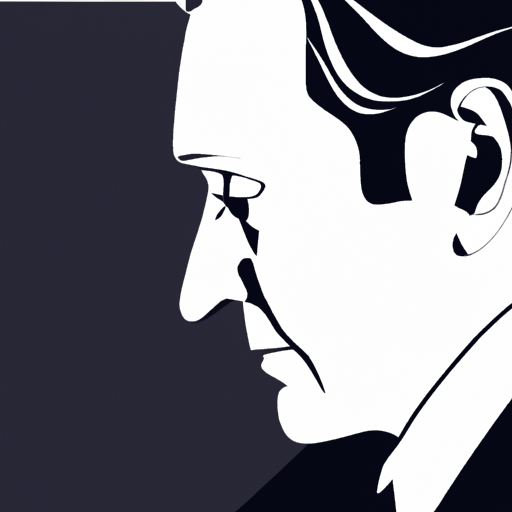
Example of visual style of American Splendor

American Splendor

American Splendor is a visual style that emerged in the late 1970s and gained popularity in the 1980s. It is characterized by a raw, unpolished aesthetic and a focus on depicting the grit and realism of everyday life. This style became famous for its innovative combination of comics and real-life narrative, blurring the line between fiction and reality. American Splendor's emphasis on authenticity and its portrayal of the mundane aspects of American life made it resonate with a wide audience.

View StyleExplore Style
Example of visual style of Anarchy In The Uk

Anarchy In The Uk

Anarchy In The Uk was a visual style that emerged in the mid-1970s in the United Kingdom, reaching its peak during the punk rock movement. It is characterized by its rebellious and provocative nature, breaking away from traditional norms and embracing a DIY (Do It Yourself) spirit. The style became famous for its use of bold and aggressive imagery, chaotic and anti-establishment aesthetics. The combination of torn-paper graphics, distressed typographies, and a raw color palette conveyed a sense of discomfort and opposition to the prevailing societal norms, making it a visual representation of the punk ideology.

View StyleExplore Style
Example of visual style of Andrea Arnold

Andrea Arnold

Andrea Arnold's visual style can be described as raw, gritty, and immersive. She is known for her realistic portrayals of working-class life, often focusing on characters on the fringes of society. Her handheld camera work and use of natural lighting give her films a documentary-like feel. Arnold rose to prominence in the 2000s with her short films and her debut feature, Red Road, which won the Jury Prize at the Cannes Film Festival in 2006. Her subsequent films Fish Tank (2009) and American Honey (2016) further solidified her reputation as a filmmaker with a distinct visual style.

View StyleExplore Style
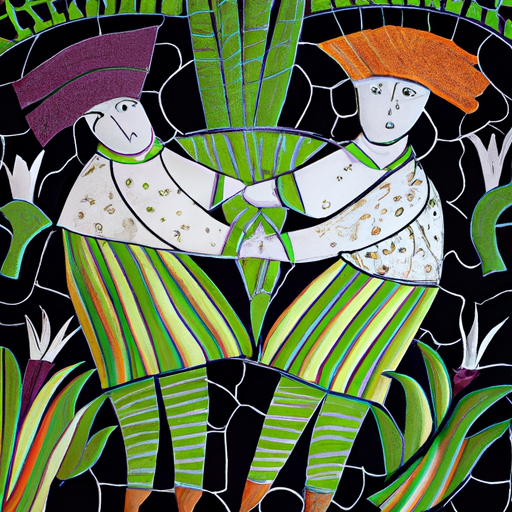
Example of visual style of Art Brut

Art Brut

Art Brut, also known as Outsider Art, is a style characterized by raw, untrained, and untamed creativity. It emerged in the early 20th century and gained recognition in the mid-1940s, becoming more famous in the 1950s and 1960s. This style became prominent for its emphasis on the raw instinct and unconventional approaches of self-taught artists. Art Brut celebrates the unrefined expressions of people outside the traditional art world, often created by those with mental illness or living on the margins of society.

View StyleExplore Style
Example of visual style of Brutalism

Brutalism

Brutalism is an architectural style that emerged in the mid-20th century, particularly in the 1950s to 1970s. It gained popularity as a reaction against the ornamental and decorative styles of earlier periods. This style emphasizes raw, honest, and utilitarian design, often characterized by massive, monolithic concrete structures. Brutalism became famous for its utilitarian aesthetic, attention to materiality, and the use of exposed concrete as a primary building material.

View StyleExplore Style
Example of visual style of Dennis Morris

Dennis Morris

Dennis Morris is a visual style that emerged in the 1970s and became famous for its raw and gritty aesthetic. Known for capturing the energy and rebellion of punk culture, Dennis Morris's iconic photographs showcased the music scene in London during the late 1970s. His candid and intimate portraits of influential punk musicians, such as Bob Marley, Sex Pistols, and The Clash, captured the essence of the countercultural movement. Morris's style is characterized by high contrast black and white imagery, capturing the raw emotions and intensity of the subjects.

View StyleExplore Style
Example of visual style of Die Brücke

Die Brücke

Die Brücke, meaning 'The Bridge' in German, was an influential visual style that emerged in the early 20th century. Founded by Ernst Ludwig Kirchner, Karl Schmidt-Rottluff, and other artists in Dresden, Germany in 1905, Die Brücke is famous for its bold and expressive style. It is regarded as one of the founding movements of German Expressionism. The artists of Die Brücke sought to break free from traditional academic art and explore themes of emotional intensity, inner turmoil, and the alienation of modern society. Their works often featured vibrant colors, distorted forms, and rough brushstrokes, conveying a raw and primal energy. Die Brücke became widely recognized for its contributions to the development of modern art in Germany and beyond.

View StyleExplore Style
Example of visual style of Egon Schiele

Egon Schiele

Egon Schiele was an Austrian painter known for his raw, expressionistic style. He was active during the early 20th century, primarily between 1907 and 1918. Schiele's style was characterized by distorted figures, intense emotions, and bold lines. He often portrayed the human form in contorted and uncomfortable poses, challenging traditional notions of beauty and sexuality. His provocative and boundary-pushing art made him famous and has had a lasting influence on modern figurative painting.

View StyleExplore Style
Example of visual style of Enzo Cucchi

Enzo Cucchi

Enzo Cucchi is an Italian artist known for his contribution to the Transavanguardia movement in the 1980s. His visual style is characterized by expressive and symbolic imagery, often featuring primitive and mythological elements. Cucchi's works are highly personal and imbued with spiritual and emotional themes. His use of bold colors, strong brushwork, and rough texture creates a raw and vibrant atmosphere. Cucchi's works gained international recognition in the 1980s, especially during the Biennale exhibitions, and he became an influential figure in Italian contemporary art.

View StyleExplore Style
Example of visual style of Fight Club

Fight Club

The visual style of Fight Club can be described as dark, gritty, and edgy. The film, released in 1999, became famous for its unique blend of unconventional storytelling, striking cinematography, and atmospheric visuals. The use of low-key lighting, desaturated colors, and high contrast creates a moody and raw aesthetic that complements the themes of rebellion and disillusionment explored in the movie. Fight Club's visual style became influential in the late 90s and early 2000s, inspiring a number of other films and establishing director David Fincher as a master of visual storytelling.

View StyleExplore Style
Example of visual style of Greek New Wave Filmmakers

Greek New Wave Filmmakers

Greek New Wave Filmmakers emerged in the late 1990s and early 2000s as a significant movement in Greek cinema. This style gained international recognition for its raw and realistic portrayal of Greek society, marked by social and economic disparities, political turmoil, and existential themes. The Greek New Wave Filmmakers were known for their experimental narrative structures, non-linear storytelling, long takes, and naturalistic performances. This style became famous for challenging the traditional conventions of Greek cinema and providing a new perspective on Greek culture and society.

View StyleExplore Style
Example of visual style of Harvey Pekar

Harvey Pekar

Harvey Pekar is a visual style that emerged in the 1970s and became famous through the autobiographical comic book series 'American Splendor'. Pekar's style is characterized by his raw and gritty depiction of everyday life, focusing on the ordinary and mundane. He used a highly detailed and realistic drawing style to capture the essence of his stories and often incorporated text-heavy narrative panels to convey his thoughts and observations. Pekar's work stands out for its candid and unfiltered portrayal of the human experience, bringing attention to the often overlooked aspects of life.

View StyleExplore Style

Example of visual style of Huns

Huns

Huns is a visual style that emerged in the early 5th century and was prominently associated with the Huns, a nomadic warrior culture that greatly influenced European history. It is characterized by its raw and rugged aesthetic, often featuring bold and dynamic compositions with a focus on depicting intense battles, horseback riding, and the fearsome Huns themselves. The style gained fame for capturing the wild and barbaric nature of the Huns and their impact on the Roman Empire.

View StyleExplore Style
Example of visual style of Iggy Pop

Iggy Pop

The visual style of Iggy Pop emerged in the late 1960s and gained prominence in the 1970s. It is characterized by a raw, energetic, and provocative aesthetic. Iggy Pop, born James Newell Osterberg, is renowned for his influential contributions to punk rock and his intense and uninhibited stage performances. His style is known for its non-conformity, rebellion, and a sense of danger, which resonated with the counterculture and youth of the time. Iggy Pop's visual style embraced elements such as tight leather pants, bare chest, and wild hair, embodying a rock 'n' roll spirit that continues to inspire musicians and fans to this day.

View StyleExplore Style
Example of visual style of Industrial Rock

Industrial Rock

Industrial Rock is a visually intense and gritty style that emerged in the late 1980s and gained popularity in the early 1990s. It is characterized by a fusion of heavy rock and industrial music, incorporating aggressive and distorted guitar riffs, synthesizers, and electronic elements. The style is known for its dark and raw aesthetics, combining elements of industrial machinery, urban decay, and post-apocalyptic imagery. Famous for its rebellious and anti-establishment themes, Industrial Rock became an important movement in the alternative music scene, with bands like Nine Inch Nails, Ministry, and Marilyn Manson achieving significant success.

View StyleExplore Style
Home