StylopediaStylopedia

Punk rock styles on Stylopedia

A visual encyclopedia of punk rock styles – use as prompt inspiration for Midjourney, Gemini, or ChatGPT AI when making punk rock images

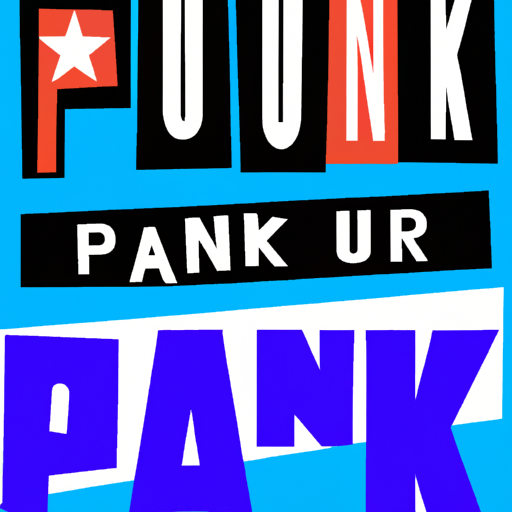
Example of visual style of Anarchy In The Uk

Anarchy In The Uk

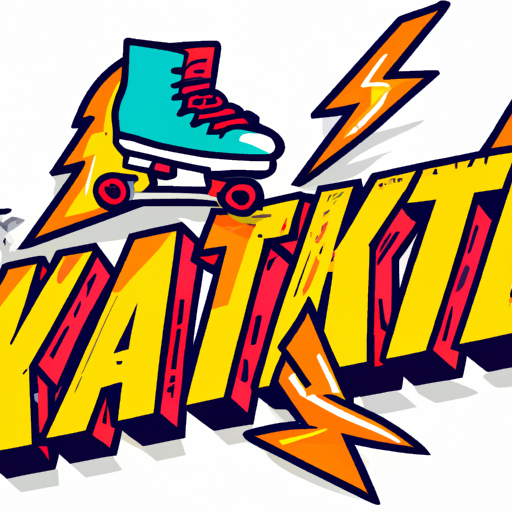
Anarchy In The Uk was a visual style that emerged in the mid-1970s in the United Kingdom, reaching its peak during the punk rock movement. It is characterized by its rebellious and provocative nature, breaking away from traditional norms and embracing a DIY (Do It Yourself) spirit. The style became famous for its use of bold and aggressive imagery, chaotic and anti-establishment aesthetics. The combination of torn-paper graphics, distressed typographies, and a raw color palette conveyed a sense of discomfort and opposition to the prevailing societal norms, making it a visual representation of the punk ideology.

View StyleExplore Style

Example of visual style of Blondie

Blondie

Blondie is a visual style that emerged in the late 1970s and gained popularity throughout the 1980s. It is characterized by a blend of new wave and punk rock aesthetics, with an emphasis on vibrant colors, edgy fashion, and a rebellious attitude. Blondie, the American rock band fronted by Debbie Harry, played a significant role in popularizing this style through their music and iconic album covers. The style became famous for its bold and eclectic mix of influences, creating a unique fusion of punk, disco, and pop culture.

View StyleExplore Style
Example of visual style of Iggy Pop

Iggy Pop

The visual style of Iggy Pop emerged in the late 1960s and gained prominence in the 1970s. It is characterized by a raw, energetic, and provocative aesthetic. Iggy Pop, born James Newell Osterberg, is renowned for his influential contributions to punk rock and his intense and uninhibited stage performances. His style is known for its non-conformity, rebellion, and a sense of danger, which resonated with the counterculture and youth of the time. Iggy Pop's visual style embraced elements such as tight leather pants, bare chest, and wild hair, embodying a rock 'n' roll spirit that continues to inspire musicians and fans to this day.

View StyleExplore Style
Example of visual style of Jaime Hernandez

Jaime Hernandez

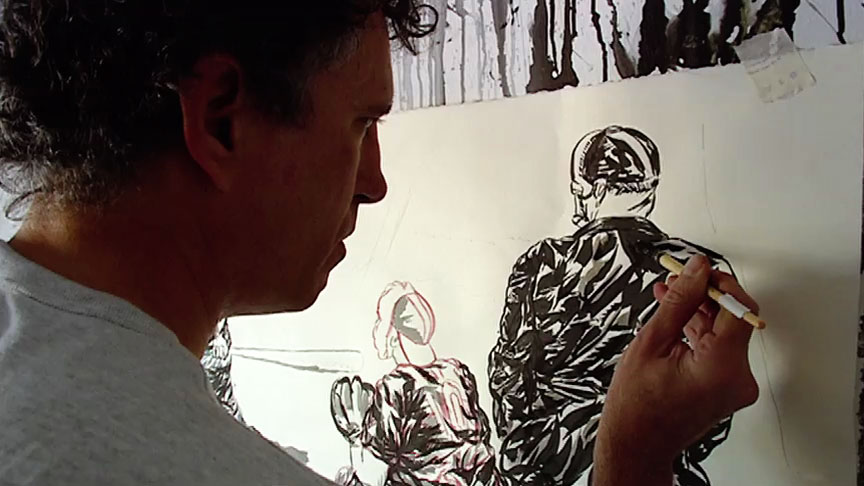
Jaime Hernandez is a comic book artist known for his distinct visual style characterized by clean lines, vibrant colors, and intricate details. He rose to fame in the 1980s as one of the creators of the comic series Love and Rockets, which combined elements of punk rock, slice-of-life storytelling, and magical realism. Hernandez's style became famous for its authentic portrayal of diverse characters, often focusing on the lives of Latinx women, and the complex relationships and emotions they navigate. His work has had a significant impact on the alternative comics scene.

View StyleExplore Style
Example of visual style of Jamie Reid

Jamie Reid

Jamie Reid is an English artist known for his iconic punk rock collages and album covers. He gained prominence in the mid-1970s as the graphic designer for the punk band, the Sex Pistols. Reid's style is characterized by the use of cut-up letters and ransom note fonts, combined with vibrant and chaotic imagery. His work became synonymous with the punk movement, as he created visually provocative and politically charged artwork that reflected the rebellious and anarchic nature of punk. Jamie Reid's style revolutionized the visual aesthetic of punk rock and continues to influence art and design to this day.

View StyleExplore Style
Example of visual style of Patti Smith

Patti Smith

Patti Smith is known for her unique visual style that emerged during the punk rock movement in the 1970s. She became famous for her androgynous look, combining masculine and feminine elements in her fashion choices. Smith's style is characterized by her signature black leather jackets, torn t-shirts, skinny jeans, and cowboy boots. Her unkempt, messy hair and minimalistic makeup added to her rebellious and edgy image. Patti Smith's style became iconic for its fusion of rock and roll attitude, bohemian influences, and a DIY aesthetic.

View StyleExplore Style
Example of visual style of Punk Style

Punk Style

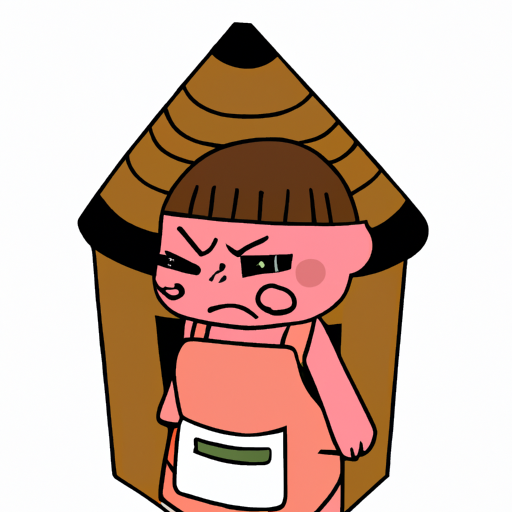
Punk Style emerged in the mid-1970s as a rebellious and anti-establishment fashion movement. It reached its peak of popularity in the late 1970s and early 1980s. Punk fashion gained fame for its provocative and anarchic aesthetic, characterized by torn clothing, band t-shirts, leather jackets, safety pins, and ragged hairstyles. It became synonymous with the punk rock music subculture and served as a form of self-expression and protest against societal norms and conventions.

View StyleExplore Style
Example of visual style of Punk Subculture

Punk Subculture

Punk Subculture originated in the mid-1970s as a rebellion against social norms and mainstream culture. It gained popularity in the UK and soon spread worldwide. The style is characterized by a DIY (do-it-yourself) attitude, unconventional fashion, and a distinct anti-establishment attitude. Punk fashion often includes ripped clothing, safety pins, leather jackets, band t-shirts, and bold, vibrant hairstyles. The movement also embraced a unique form of music known as punk rock, which combined aggressive and energetic sounds with politically charged lyrics. Punk Subculture continues to influence fashion, music, and art to this day.

View StyleExplore Style

Example of visual style of Ramones

Ramones

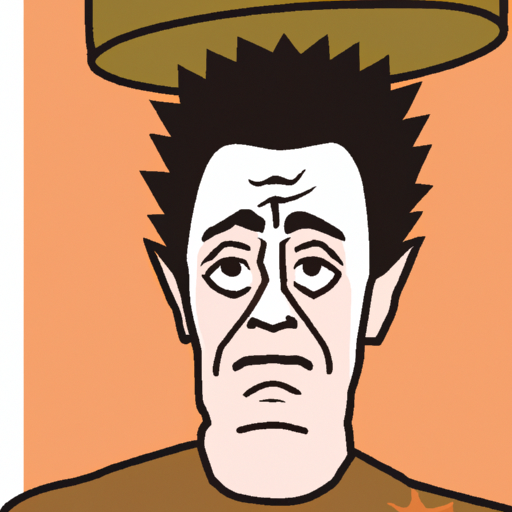
The Ramones visual style emerged in the mid-1970s as part of the punk rock movement. It was characterized by a minimalist and edgy aesthetic, often incorporating ripped jeans, leather jackets, band t-shirts, and Converse sneakers. The Ramones themselves, with their trademark shaggy haircuts, tight jeans, and leather jackets, became iconic figures of this style. The rebellious attitude, raw energy, and distinctive fashion choices of the Ramones and their fans propelled this style to fame, influencing generations of punk rock enthusiasts.

View StyleExplore Style
Example of visual style of Rock Fashion

Rock Fashion

Rock Fashion emerged in the 1960s and evolved throughout the following decades. It became famous for its rebellious and edgy aesthetic, influenced by the music genre of rock and roll. The style is known for its bold and daring clothing choices, such as leather jackets, ripped denim, band t-shirts, fishnet stockings, and black attire. Iconic years for Rock Fashion include the 1970s with the rise of punk rock and the 1980s with the popularity of glam rock and heavy metal. This style made a statement by challenging societal norms and expressing individuality through clothing.

View StyleExplore Style
Example of visual style of Seditionaries

Seditionaries

Seditionaries, also known as Sex, was a visual style that emerged in London in the mid-1970s. It gained fame through its association with the punk rock movement and especially with the influential Malcolm McLaren and Vivienne Westwood. The style was characterized by its rebellious and confrontational attitude, incorporating provocative elements such as fetish wear, ripped clothing, safety pins, and punk band graphics. Seditionaries played a key role in shaping the punk fashion and aesthetic, making it a powerful visual representation of youth subculture and anti-establishment sentiment.

View StyleExplore Style
Example of visual style of The Clash Band

The Clash Band

The Clash Band visual style emerged in the late 1970s and became famous for its rebellious and energetic aesthetic. It is closely associated with the punk rock movement and is characterized by bold and provocative imagery, DIY aesthetic, and a raw, gritty feel. The style gained fame during the punk rock explosion in the UK, particularly between 1976 and 1978, as The Clash Band emerged as one of the most influential punk rock bands. Their politically charged lyrics and anti-establishment attitude translated into their visual style as well.

View StyleExplore Style
Home