StylopediaStylopedia

Provocative styles on Stylopedia

A visual encyclopedia of provocative styles – use as prompt inspiration for Midjourney, Gemini, or ChatGPT AI when making provocative images

Example of visual style of Ai Weiwei

Ai Weiwei

Ai Weiwei is a contemporary Chinese artist known for his politically charged, conceptual artwork. His visual style combines elements of minimalism, conceptualism, and social commentary. Weiwei gained prominence in the early 2000s for his provocative installations, sculptures, photography, and documentaries. His use of unconventional materials, such as porcelain, wood, and everyday objects, juxtaposed with traditional Chinese craftsmanship, challenges the boundaries of art and raises questions about government control, human rights, and censorship in China.

View StyleExplore Style
Example of visual style of Alexander Mcqueen

Alexander Mcqueen

Alexander McQueen was known for his daring and unconventional fashion designs. His style emerged in the late 1990s and early 2000s, and he became famous for his bold and theatrical runway presentations. McQueen's designs often featured a dark and avant-garde aesthetic, with a mixture of romanticism and punk influences. He was known for his meticulous attention to detail and his ability to push the boundaries of fashion. McQueen's style was characterized by dramatic silhouettes, intricate craftsmanship, and a sense of theatricality. His innovative and provocative designs left a lasting impact on the fashion industry.

View StyleExplore Style
Example of visual style of Anarchy In The Uk

Anarchy In The Uk

Anarchy In The Uk was a visual style that emerged in the mid-1970s in the United Kingdom, reaching its peak during the punk rock movement. It is characterized by its rebellious and provocative nature, breaking away from traditional norms and embracing a DIY (Do It Yourself) spirit. The style became famous for its use of bold and aggressive imagery, chaotic and anti-establishment aesthetics. The combination of torn-paper graphics, distressed typographies, and a raw color palette conveyed a sense of discomfort and opposition to the prevailing societal norms, making it a visual representation of the punk ideology.

View StyleExplore Style
Example of visual style of Barry Blitt

Barry Blitt

Barry Blitt is a contemporary American illustrator and cartoonist known for his distinctive and satirical style. His career in the field of visual arts began in the 1990s, and he gained prominence through his work for The New Yorker magazine. Blitt became especially famous for his provocative and often controversial cover illustrations, which cleverly comment on various political and cultural issues of the time. His illustrations are characterized by their bold and expressive linework, exaggerated figures, and a touch of whimsy. Blitt's visual style combines humor, wit, and social commentary, making his work instantly recognizable and highly influential in the world of illustration.

View StyleExplore Style
Example of visual style of Bonnie Fuller

Bonnie Fuller

Bonnie Fuller is known for her bold and eye-catching visual style, which gained popularity in the late 1990s and early 2000s. As the editor-in-chief of magazines like Cosmopolitan, Marie Claire, and US Weekly, Fuller revolutionized the celebrity gossip and fashion magazine industry. Her style is characterized by vibrant colors, dynamic layouts, and provocative headlines. She made use of bold typography, striking images, and attention-grabbing cover photos to capture the reader's attention. Fuller's visual style became famous for its ability to capture the spirit of the celebrity-obsessed culture of its time and appeal to a younger, trend-conscious audience.

View StyleExplore Style
Example of visual style of Calvin Klein

Calvin Klein

Calvin Klein is known for its minimalist and modern visual style. It emerged in the late 1960s and became especially popular in the 1980s and 1990s. The brand's iconic advertisements featuring black and white photography, stark lighting, and minimal backgrounds helped establish its fame. Calvin Klein's visual style is characterized by clean lines, simple silhouettes, neutral colors, and a focus on showcasing the body. The brand's provocative and controversial campaigns also contributed to its notoriety.

View StyleExplore Style
Example of visual style of Carine Roitfeld

Carine Roitfeld

Carine Roitfeld is known for her edgy, provocative, and glamorous visual style. Her influence in the fashion industry began in the early 2000s when she became the editor-in-chief of French Vogue. Roitfeld's style is characterized by her love for slim silhouettes, high heels, and bold accessories. She gained notoriety for pushing boundaries and challenging traditional fashion norms through her editorials. Her work often features a mix of luxurious fabrics, avant-garde designs, and an emphasis on sensuality. Carine Roitfeld's unique vision has made her an icon in the fashion world and a trendsetter for many aspiring designers.

View StyleExplore Style
Example of visual style of Chris Burden

Chris Burden

The Chris Burden visual style emerged in the 1970s and is often associated with performance art and installation art. Burden gained fame for his daring and provocative artworks that pushed the boundaries of physical and psychological endurance. He became renowned for his works such as "Shoot" (1971), where he asked a friend to shoot him in the arm with a .22 caliber rifle, and "The L.A.P.D. Uniforms" (1993), where he created realistic police uniforms filled with objects signifying violence. Burden's art often explores themes of danger, power dynamics, and the relationship between institutional systems and the individual.

View StyleExplore Style
Example of visual style of Chris Cunningham

Chris Cunningham

Chris Cunningham is a British visual artist and director known for his innovative and often controversial work in music videos and commercials. He gained fame in the late 1990s and early 2000s for his dark and provocative style, combining unsettling imagery with cutting-edge visual effects. His work often explores themes of technology, cyborgs, and human transformation. Some of his most famous works include the music videos for the songs 'Come to Daddy' by Aphex Twin and 'All is Full of Love' by Björk. Cunningham's unique visual style and boundary-pushing approach to storytelling have made him a highly influential figure in the world of visual arts.

View StyleExplore Style
Example of visual style of Dada

Dada

Dada is an art movement that emerged during World War I in Zurich, Switzerland (1916-1922). It is known for its rebellious and anti-art nature, challenging traditional notions of art. Dadaists sought to create an irrational and absurd art that would reflect the chaotic and nihilistic atmosphere of the war. Nonsensical and provocative, Dada rejected the conventional ideas of beauty and purpose, emphasizing random and chance-based techniques. Through collage, assemblage, readymades, and performance art, Dadaists aimed to undermine the established norms and question the role of art in society.

View StyleExplore Style
Example of visual style of Damien Hirst

Damien Hirst

A controversial and provocative style known for its bold and audacious artwork. Damien Hirst rose to fame in the 1990s for his conceptually driven and often confrontational pieces, which revolved around themes of death, mortality, and the fragility of life. Hirst became famous for his use of unconventional materials, such as preserved animals, pharmaceuticals, and laboratory equipment, presented in stark and clinical displays. The combination of shock value, meticulous craftsmanship, and provocative subject matter propelled Hirst to become one of the most prominent artists of his generation.

View StyleExplore Style
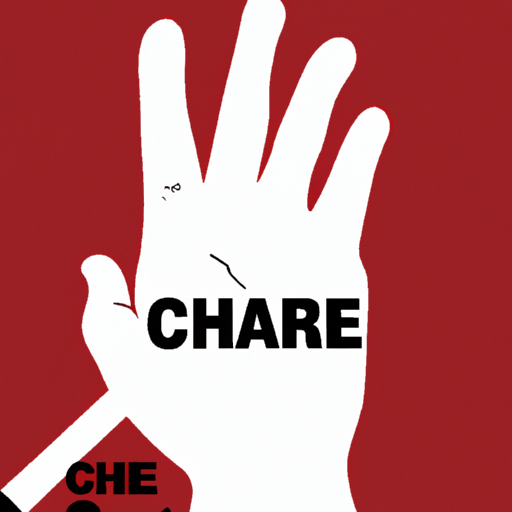
Example of visual style of David Bowie

David Bowie

The David Bowie style emerged in the 1970s and became famous for its innovative and ever-evolving nature. Bowie's visual style was characterized by its flamboyance, gender-bending elements, and provocative fashion choices. With his theatrical alter egos, such as Ziggy Stardust and the Thin White Duke, Bowie created iconic looks that captivated audiences. His style blended elements of glam rock, punk, and avant-garde fashion, pushing boundaries and challenging societal norms.

View StyleExplore Style

Example of visual style of Duchampian

Duchampian

Duchampian is a visual style named after the influential artist Marcel Duchamp. It emerged in the early 20th century and became famous for its provocative and conceptual nature. Duchampian art challenges traditional notions of artistic creation and the definition of art itself. With his iconic work 'Fountain' in 1917, Duchamp introduced the concept of the 'readymade,' where everyday objects were transformed into art simply by the act of choosing and presenting them in a gallery setting. This approach sparked a major shift in the art world and influenced subsequent movements like Dadaism and Conceptual art.

View StyleExplore Style

Example of visual style of Egon Schiele

Egon Schiele

Egon Schiele was an Austrian painter known for his raw, expressionistic style. He was active during the early 20th century, primarily between 1907 and 1918. Schiele's style was characterized by distorted figures, intense emotions, and bold lines. He often portrayed the human form in contorted and uncomfortable poses, challenging traditional notions of beauty and sexuality. His provocative and boundary-pushing art made him famous and has had a lasting influence on modern figurative painting.

View StyleExplore Style
Example of visual style of Eric Stanton

Eric Stanton

Eric Stanton is a visual style that emerged in the mid-20th century as a prominent artist in the field of BDSM and fetish art. Stanton's work gained recognition in the 1950s and 1960s for its provocative and controversial depictions of female dominance and submission. His illustrations often showcased powerful and dominant women engaged in various acts of control and bondage, while also exploring themes of role reversal and female empowerment. Stanton's artistic style combined bold, exaggerated lines and strong contrasts, creating visually striking and stylized images. His work played a significant role in shaping and popularizing the BDSM subculture, gaining a widespread following and influencing subsequent generations of artists and fetish enthusiasts.

View StyleExplore Style
Example of visual style of Erwin Olaf

Erwin Olaf

Erwin Olaf is a Dutch photographer known for his provocative and highly staged portraits. His work is characterized by a strong cinematic style and a meticulous attention to detail. He gained recognition in the 1990s for his series "Squares" and "Chessmen", which showcased his unique blend of classical and contemporary elements. Olaf's bold use of color, complex compositions, and often unsettling subject matter have made him a well-known figure in the world of contemporary photography.

View StyleExplore Style
Example of visual style of Gianni Versace

Gianni Versace

Gianni Versace is a luxurious and glamorous visual style that emerged in the 1980s and became iconic in the fashion world. It is characterized by vibrant colors, bold prints, and opulent details. Gianni Versace's designs were famous for their daring and provocative nature, often merging classic elements with innovative and contemporary designs. His use of gold accents and Medusa motifs became signature features of the style. Gianni Versace's creations were celebrated for their impeccable craftsmanship and the luxurious materials used. The style gained further fame when notable celebrities and public figures, including supermodels like Naomi Campbell and Cindy Crawford, embraced and showcased Versace's designs on prestigious runways and red carpet events.

View StyleExplore Style
Example of visual style of Guerrilla Girls

Guerrilla Girls

The Guerrilla Girls is an anonymous group of feminist artists founded in 1985. They are known for their bold, satirical, and visually striking posters, billboards, and other public art interventions. With their use of humor and irony, they critique gender and racial inequality in the art world, often calling out galleries, museums, and artists for their lack of representation. The Guerrilla Girls have been extremely influential in raising awareness about these issues and inspiring a new wave of feminist activism in the art world.

View StyleExplore Style
Example of visual style of Helmut Newton

Helmut Newton

Helmut Newton was a renowned fashion photographer known for his provocative and highly stylized black and white photography. His career spanned several decades, with some of his most influential work done in the 1970s and 1980s. Newton's unique visual style often featured strong contrasts, dramatic lighting, and a focus on the female form. He pushed boundaries with his bold and controversial compositions, challenging traditional notions of beauty and sexuality. His work revolutionized fashion photography and continues to inspire photographers to this day.

View StyleExplore Style
Example of visual style of Huan Yong Ping

Huan Yong Ping

Huan Yong Ping is a contemporary Chinese visual artist known for his thought-provoking and politically charged installations. His work became famous in the 1980s for its critical commentary on China's political and social climate. One of his most notable installations, 'The Circle of Life,' created in 1989, reflects on the Tiananmen Square protests of that year. Huan's use of unconventional materials and provocative imagery has cemented his reputation as a leading figure in Chinese contemporary art.

View StyleExplore Style
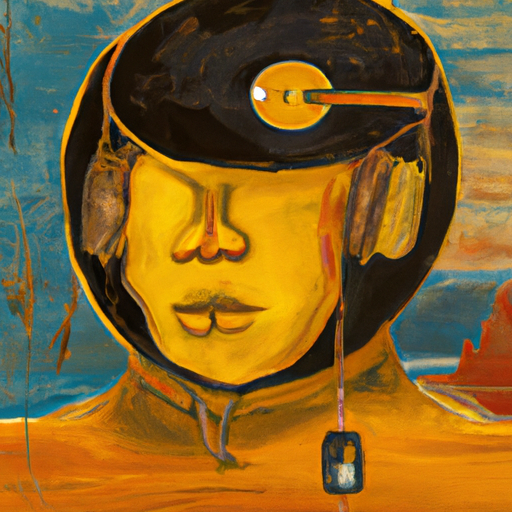
Example of visual style of Iggy Pop

Iggy Pop

The visual style of Iggy Pop emerged in the late 1960s and gained prominence in the 1970s. It is characterized by a raw, energetic, and provocative aesthetic. Iggy Pop, born James Newell Osterberg, is renowned for his influential contributions to punk rock and his intense and uninhibited stage performances. His style is known for its non-conformity, rebellion, and a sense of danger, which resonated with the counterculture and youth of the time. Iggy Pop's visual style embraced elements such as tight leather pants, bare chest, and wild hair, embodying a rock 'n' roll spirit that continues to inspire musicians and fans to this day.

View StyleExplore Style
Example of visual style of Irving Klaw

Irving Klaw

Irving Klaw was a 20th-century American photographer and filmmaker known for his distinctive visual style. Active during the 1940s and 1950s, Klaw achieved fame through his production of fetish and pin-up imagery, particularly featuring glamorous models in provocative poses. His style was characterized by its emphasis on seductive costuming, suggestive poses, and playful scenarios. Klaw gained notoriety for his collaboration with the legendary pin-up model Bettie Page. Together, they created an iconic body of work that became synonymous with the mid-century fetish and BDSM subcultures.

View StyleExplore Style
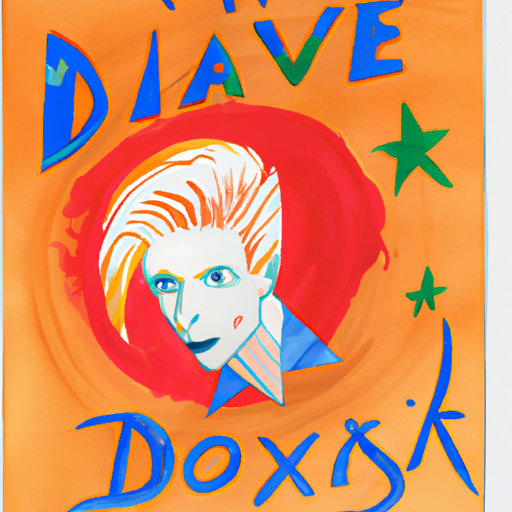
Example of visual style of Jenny Holzer

Jenny Holzer

Jenny Holzer is an American artist known for her text-based artworks. Emerging in the late 1970s, Holzer gained fame for her use of LED signs to display provocative and thought-provoking statements in public spaces. Her works often address themes of power, politics, gender, and violence. Holzer's visual style combines bold and simple typography with stark backgrounds, creating a visually impactful and highly readable display. Her artworks have been exhibited internationally and have made a significant impact on contemporary art.

View StyleExplore Style
Example of visual style of Joan Cornellà

Joan Cornellà

Joan Cornella is a Spanish cartoonist known for his distinctive and darkly humorous visual style. His work gained popularity in the 2010s with the rise of social media, particularly on platforms like Instagram. Cornella's illustrations often depict surreal and absurd scenarios, often with unsettling and twisted humor. He has a minimalist approach, using bold and vibrant colors in his artwork. His style is characterized by exaggerated facial expressions, simple yet detailed linework, and a consistent lack of dialogue or text, allowing the visuals to speak for themselves. Cornella's works often tackle themes of social criticism, satire, and dark comedy, engaging the viewer with provocative and thought-provoking imagery.

View StyleExplore Style
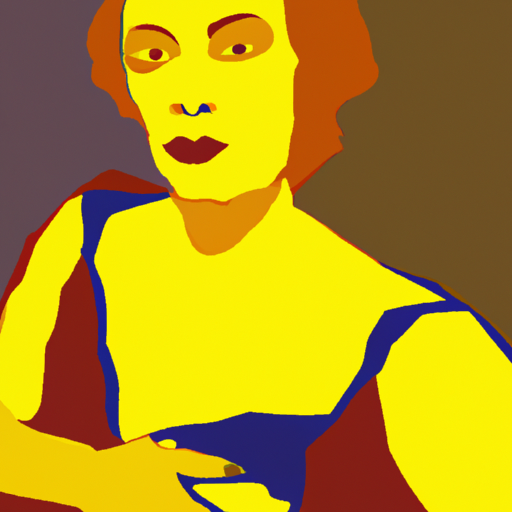
Example of visual style of Josephine Baker

Josephine Baker

Josephine Baker is a visual style that emerged in the 1920s and 1930s. This style is associated with the iconic and revolutionary performer, Josephine Baker, who was known for her daring and glamorous stage presence. The visual style is characterized by flamboyant and exotic elements inspired by Baker's African roots and her experiences in the Parisian entertainment scene. Josephine Baker's provocative dance moves and costumes, such as her famous banana skirt and feathered headpieces, captivated audiences and influenced fashion and art of the time.

View StyleExplore Style
Example of visual style of Juergen Teller

Juergen Teller

Juergen Teller is a German photographer known for his raw, bold, and unconventional visual style. In his work, he often captures a sense of intimacy and spontaneity. Teller rose to fame in the 1990s with his provocative fashion photography, subverting traditional notions of beauty. He gained further recognition for his collaborations with esteemed fashion designers and his distinct approach to portrait photography. Teller's unfiltered and uninhibited style pushed the boundaries of fashion photography, making him a prominent figure in the industry.

View StyleExplore Style

Example of visual style of Julie Doucet

Julie Doucet

Julie Doucet is a Canadian cartoonist and artist known for her unique visual style that emerged in the late 1980s. Her style is characterized by its rawness, simplicity, and autobiographical nature. Doucet pioneered a new genre of confessional and feminist comics during this time, which gained recognition for its honest and provocative storytelling. Her work became famous for its exploration of personal themes like identity, sexuality, and relationships, often depicted through surreal and darkly humorous visuals.

View StyleExplore Style
Example of visual style of Kara Walker

Kara Walker

Kara Walker is an American artist known for her black silhouette installations and cut-paper works. She emerged in the mid-1990s with her signature style that explores themes of race, gender, and power dynamics. Walker's work became famous for its provocative and complex narratives, often depicting scenes from the antebellum South and addressing the legacy of slavery. Her unique visual style combines intricate paper cutouts and large-scale wall murals, creating shadowy and evocative imagery.

View StyleExplore Style

Example of visual style of Kees Van Dongen

Kees Van Dongen

Kees Van Dongen was a Dutch-French painter known for his vibrant and provocative style. His style emerged during the early 20th century and became famous for its bold use of color, exaggerated brushstrokes, and sensuous portrayals of women. Van Dongen's paintings often depicted fashionable and glamorous individuals, capturing the essence of the vibrant nightlife and artistic scene in Paris during the 'Les Années Folles' (the Roaring Twenties). His ability to infuse his works with a sense of allure and intrigue made him a prominent figure in the Fauvism and Expressionism movements.

View StyleExplore Style

Home