StylopediaStylopedia

Printmaking styles on Stylopedia

A visual encyclopedia of printmaking styles – use as prompt inspiration for Midjourney, Gemini, or ChatGPT AI when making printmaking images

Example of visual style of Engravers

Engravers

Engravers is a visual style that emerged in the 15th century and became popular during the Renaissance. It is known for its intricate and detailed use of lines and crosshatching to create highly realistic and precise images. This style gained fame for its ability to replicate the appearance of engravings and etchings using various printing techniques. Engravers achieved great popularity during the 16th and 17th centuries, particularly in Europe, and continues to be admired for its meticulous craftsmanship and attention to detail.

View StyleExplore Style
Example of visual style of Japanese Woodblock Prints

Japanese Woodblock Prints

Japanese Woodblock Prints is a traditional Japanese art form that flourished during the Edo period (1603-1868). It is characterized by intricate woodblock printmaking techniques and vibrant colors. These prints became famous for their depictions of landscapes, scenes from kabuki theater, and portraits of famous actors and courtesans. The use of block carving and printing techniques, along with the tradition of ukiyo-e (pictures of the floating world), made Japanese Woodblock Prints a popular and influential art style.

View StyleExplore Style
Example of visual style of Kiyomasu Torii

Kiyomasu Torii

Kiyomasu Torii was a prominent ukiyo-e artist in the early 18th century Japan. His style is characterized by bold, vibrant colors, intricate patterns, and a focus on depicting famous Kabuki actors and scenes. Kiyomasu's works gained popularity during the Genroku era (1688-1704). He is known for his skill in capturing the essence and charisma of the actors, creating dynamic and dramatic compositions. Kiyomasu Torii's mastery of ukiyo-e printmaking techniques made him one of the most renowned artists of his time.

View StyleExplore Style
Example of visual style of Line Art

Line Art

Line Art is a visual style characterized by the use of simple lines to create intricate and detailed illustrations. It emerged in the late 19th century with the advent of printmaking techniques that emphasized clean and precise lines. Line Art became particularly famous during the Art Nouveau movement in the late 1800s and early 1900s, with artists like Alphonse Mucha and Aubrey Beardsley incorporating it in their artworks. This style gained popularity due to its ability to depict intricate patterns, delicate details, and elegant figures using minimalistic lines.

View StyleExplore Style
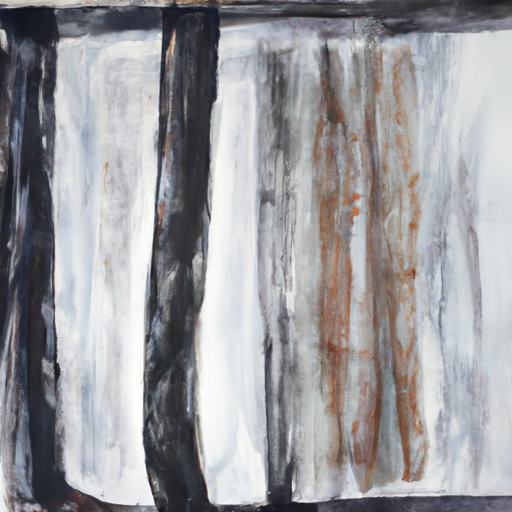
Example of visual style of Per Kirkeby

Per Kirkeby

Per Kirkeby was a Danish painter, sculptor, and writer. His style, which emerged in the 1960s, can be described as a blend of abstract expressionism and architecture. Kirkeby's paintings often feature bold, gestural brushstrokes and a rich palette of earthy colors. He was deeply influenced by geological formations and landscapes, which he incorporated into his work. Kirkeby gained fame in the 1980s through his large-scale murals and sculptures that adorned public spaces. Known for his versatility, Kirkeby also experimented with various mediums such as printmaking, sculpture, and even poetry. His distinctive style and multidisciplinary approach made him a prominent figure in the contemporary art world.

View StyleExplore Style
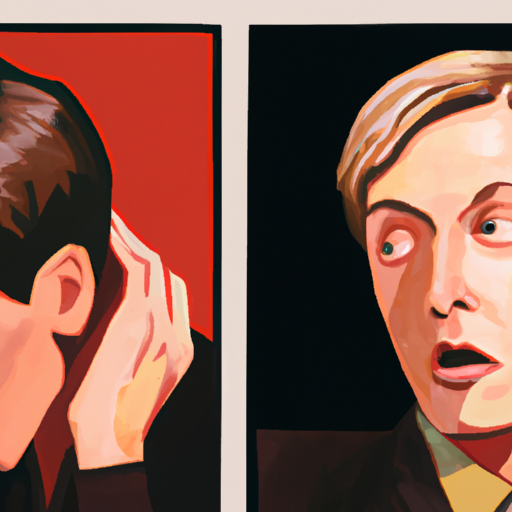
Example of visual style of Richard Hamilton

Richard Hamilton

Richard Hamilton was a British artist and pioneer of Pop Art. His visual style is characterized by a combination of popular culture imagery, consumerism, and a sense of irony. His work emerged in the 1950s and 1960s and played a significant role in popularizing the Pop Art movement, which challenged traditional artistic conventions by incorporating commercial and mass-produced imagery. Hamilton's use of collage, appropriation, and innovative printmaking techniques made his work stand out and gain international fame.

View StyleExplore Style
Home