StylopediaStylopedia

Precision styles on Stylopedia

A visual encyclopedia of precision styles – use as prompt inspiration for Midjourney, Gemini, or ChatGPT AI when making precision images

Example of visual style of Airbrush Art

Airbrush Art

Airbrush Art is a style of painting that emerged in the mid-20th century and became popular in the 1970s and 1980s. It is known for its smooth, gradient-like textures created using an airbrush tool. This technique allows artists to achieve a high level of realism and precision. Airbrush Art gained fame for its use in automotive customization, album covers, and fantasy artwork. The style became synonymous with hyperrealism and surrealism, creating dreamlike images that captivated viewers.

View StyleExplore Style
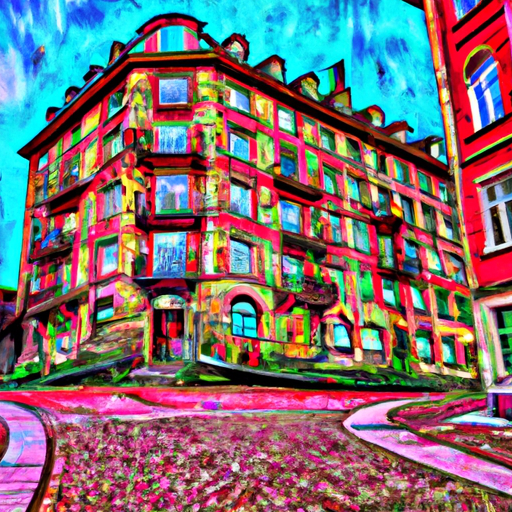
Example of visual style of Colin Cowie

Colin Cowie

Colin Cowie is a renowned event planner and designer known for his glamorous and sophisticated visual style. With his career spanning over three decades, Cowie became famous for his luxurious and meticulously planned events. His style emerged in the late 1990s and continues to evolve, combining opulence, precision, and attention to detail. Cowie's work has been featured in numerous publications and he has become a trusted name in event planning and design on an international scale.

View StyleExplore Style
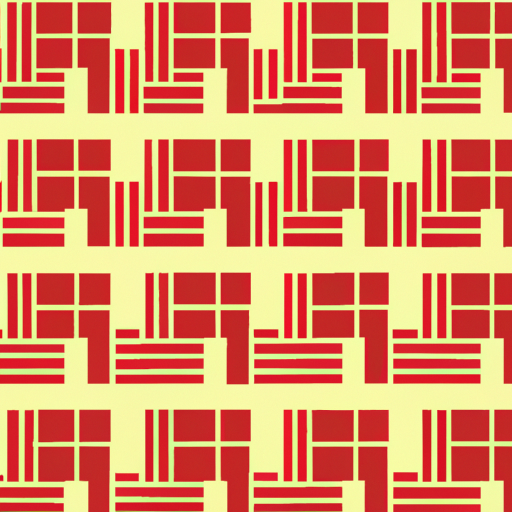
Example of visual style of De Stijl Movement

De Stijl Movement

De Stijl Movement, also known as Neoplasticism, emerged in the early 20th century in the Netherlands. It was founded in 1917 by Theo van Doesburg, Piet Mondrian, and Bart van der Leck. This style aimed to achieve a universal visual language by reducing art to its most basic elements of geometric shapes and primary colors. The movement believed in a harmonious integration of art and life, with a focus on simplicity, precision, and abstraction. De Stijl became famous for its use of vertical and horizontal lines, primary colors, and a limited palette of black, white, and gray. The movement had a profound influence on architecture, design, and visual arts, paving the way for modernism.

View StyleExplore Style
Example of visual style of Geometry

Geometry

Geometry is a visual style characterized by the use of geometric shapes, lines, and patterns. It emerged and gained popularity in the early 20th century, particularly during the 1920s and 1930s. The movement was influenced by advancements in mathematics and science, as well as the growing popularity of industrial design and architecture. Geometry became famous for its emphasis on simplicity, precision, and abstraction, often combining bold colors with clean lines and symmetrical compositions. It was widely used in various art forms, including painting, sculpture, graphic design, and architecture, and had a significant impact on the development of modern art and design.

View StyleExplore Style
Example of visual style of Georg Nees

Georg Nees

Georg Nees was a German artist and mathematician who is considered one of the pioneers of computer-generated art. He is best known for his works created during the 1960s and 1970s, which earned him fame as a leading figure in the field of algorithmic art. Nees's art was characterized by a minimalist aesthetic, precision, and the use of simple geometric shapes. He explored the potential of computers to create art and developed various algorithms and computer programs to generate unique visual compositions. Nees's work became famous for its innovative approach to art-making and its integration of mathematics and technology.

View StyleExplore Style
Example of visual style of Graphic Design

Graphic Design

Graphic Design is a visual style that emerged in the late 19th century and continues to be influential today. It focuses on the creation and arrangement of visual elements to convey a message or evoke an emotion. Graphic design became famous in the mid-20th century with the rise of modernism, which emphasized simplicity, clarity, and functionality. The use of typography, photography, illustration, and color theory are essential components of this style, which is known for its precision, organization, and visual impact.

View StyleExplore Style
Example of visual style of Hyperrealism

Hyperrealism

Hyperrealism is a visual style that emerged in the late 1960s and early 1970s. It is characterized by the creation of artworks that are so detailed and lifelike that they appear to be photographs. Artists in this style meticulously recreate every detail, using various techniques such as high-resolution photography, precise brushwork, and detailed shading. Hyperrealism gained fame due to its ability to blur the line between reality and art, leaving viewers astounded by the uncanny resemblance to actual photographs.

View StyleExplore Style
Example of visual style of International Typographic Style

International Typographic Style

The International Typographic Style, also known as Swiss Style, emerged in the 1950s and became widely popular in the 1960s. It is characterized by its minimalistic approach to design, focusing on clean and organized layouts with strong emphasis on typography and grid-based compositions. The style is famous for its use of sans-serif typefaces, asymmetric layouts, and a strong use of photography. It prioritizes legibility, clarity, and objectivity in design, with an emphasis on simplicity and precision. This style gained recognition through the works of influential designers like Josef Müller-Brockmann, Max Bill, and Armin Hofmann.

View StyleExplore Style
Example of visual style of Kazuhiko Nakamura

Kazuhiko Nakamura

Kazuhiko Nakamura is a Japanese graphic designer known for his minimalist and clean visual style. Emerging in the 1960s, Nakamura's work became famous for its simplicity, precision, and attention to detail. He was at the forefront of the Swiss Style influence on Japanese graphic design, combining Western modernism with traditional Japanese aesthetics. Nakamura's work often featured bold typography, solid colors, and a sense of harmony. His designs conveyed a sense of order and clarity, making them highly effective in communicating messages. Nakamura's style gained international recognition in the 1970s and 1980s, and he became an influential figure in the field of graphic design.

View StyleExplore Style
Example of visual style of Machine Age

Machine Age

Machine Age, also known as the Industrial style, emerged during the early 20th century (approximately 1910-1940). This visual style was influenced by the rapid advancements in technology and the rise of industrialization. It was characterized by an emphasis on geometric shapes, streamlined forms, and a celebration of industrial materials such as steel, glass, and concrete. Machine Age became famous for its sleek and futuristic aesthetic, inspired by the efficiency and precision of machines. It represented a departure from the ornate and decorative styles of the past, embodying a more minimalist and functional approach to design.

View StyleExplore Style

Example of visual style of Manfred Mohr

Manfred Mohr

Manfred Mohr is a pioneer in the field of computer-generated art. He began exploring algorithmic composition in the 1960s, making him one of the first artists to utilize computers as creative tools. Mohr's work in the 1970s and 1980s gained him international recognition for his use of geometric shapes and precise mathematical calculations. His abstract pieces, created through programming languages and algorithms, offered a new perspective on the role of technology in art. Mohr's style is characterized by the precision and mathematical complexity of his compositions, resulting in visually compelling and intricate digital artworks.

View StyleExplore Style

Example of visual style of Max Bill

Max Bill

The Max Bill visual style emerged in the 1950s and is characterized by its simplicity, precision, and mathematical influence. Max Bill, a Swiss architect, artist, and designer, played a pivotal role in popularizing this style. He believed in the integration of art, design, and technology, often combining geometric forms with clean lines and harmonious proportions. The style gained fame through Bill's groundbreaking work in product design, typography, and graphic design.

View StyleExplore Style
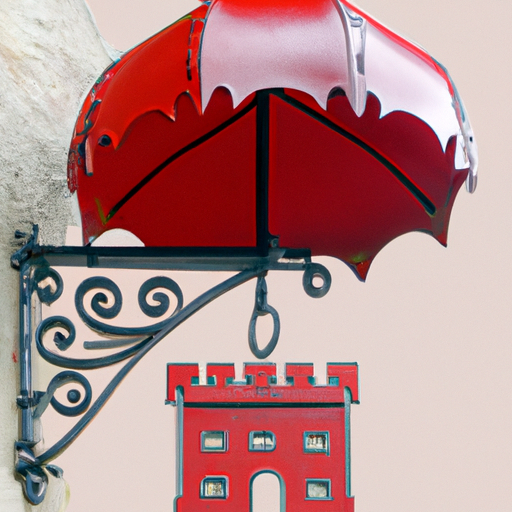
Example of visual style of Paper cut craft

Paper cut craft

Paper Cut Craft is a visual style that involves creating intricate and detailed images by cutting out shapes from paper. It originated in China during the Han Dynasty (206 BCE–220 CE) and gained popularity in various cultures over the years. Paper Cut Craft became famous for its meticulous craftsmanship and its ability to tell stories and depict various subjects. The technique requires precision and patience, as artists carefully cut out delicate patterns and designs using small scissors or knives. The resulting artworks often showcase astonishing intricacy and beauty.

View StyleExplore Style
Example of visual style of Peter Guthrie

Peter Guthrie

Peter Guthrie is a renowned visual artist known for his hyper-realistic architectural renderings. His style, which emerged in the early 2000s, is characterized by its meticulous attention to detail and the lifelike quality of his work. Guthrie's renderings have a distinct clarity and precision that captivate viewers. His use of light and texture enhances the believability of the spaces he portrays, creating an immersive experience for the audience. Guthrie gained fame for pushing the boundaries of architectural visualization, using cutting-edge technology and innovative techniques to achieve his stunning visuals.

View StyleExplore Style
Example of visual style of Photorealism

Photorealism

Photorealism is an art style that emerged in the late 1960s and gained popularity in the 1970s. It is characterized by the meticulous attention to detail and the artistic replication of photographs. Artists working in this style exhibit an exceptional ability to reproduce the minutest aspects of the subject matter, resulting in paintings that are almost indistinguishable from photographs. Photorealism gained fame for challenging traditional art concepts and blurring the boundaries between photography and painting.

View StyleExplore Style

Example of visual style of Sol Lewitt

Sol Lewitt

Sol Lewitt's visual style, which emerged in the 1960s, is known for its minimalistic and geometric forms. Often associated with Conceptual Art and Minimalism, Lewitt's approach focused on the idea or concept behind the artwork rather than its physical execution. His works often consist of simple geometric shapes, such as lines, squares, and cubes, arranged in various configurations. The use of bold colors and the repetition of these elements created a sense of rhythm and precision, giving his works a visually striking and harmonious quality. Lewitt's style became famous for challenging traditional notions of authorship, as he would provide instructions or guidelines for others to physically realize his concepts, blurring the line between the artist and the artwork itself.

View StyleExplore Style

Example of visual style of Swiss Style

Swiss Style

Swiss Style, also known as International Typographic Style, emerged in the 1950s and gained popularity in the 1960s. It is characterized by clean, minimalistic layouts, strong grid systems, sans-serif typefaces, and a focus on clarity and functionality. Swiss graphic designers such as Max Bill, Josef Müller-Brockmann, and Adrian Frutiger were influential in shaping this style. With its emphasis on precision, simplicity, and objective communication, Swiss Style revolutionized graphic design and became synonymous with modernism in visual communication.

View StyleExplore Style
Example of visual style of Thomas Harrington

Thomas Harrington

Thomas Harrington is a visual style that emerged in the late 20th century and gained popularity in the 21st century. Known for its minimalist and clean aesthetics, it became famous for its combination of bold colors, geometric shapes, and innovative typography. The style often showcases a balance between simplicity and sophistication, creating visually striking designs. Thomas Harrington's works are characterized by their attention to detail and precision, allowing for a seamless integration of form and function.

View StyleExplore Style
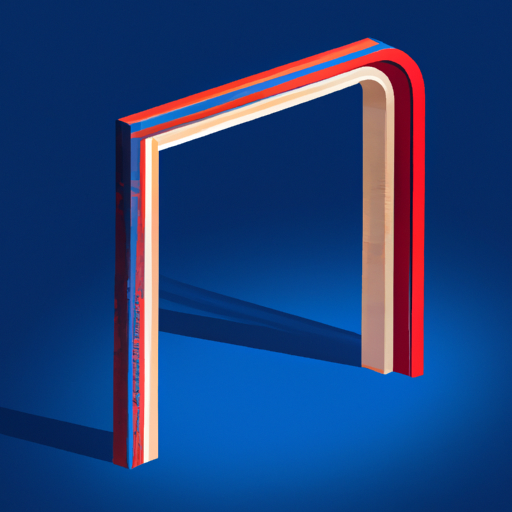
Example of visual style of Vera Molnar

Vera Molnar

Vera Molnar is a Hungarian-French artist known for her pioneering work in computer-generated art. She began experimenting with computer programming in the late 1960s, creating algorithmic paintings that embraced the geometric and abstract nature of the digital realm. Molnar's artwork from this period, especially during the 1970s, played a significant role in establishing computer-generated art as a legitimate artistic medium. Her intricate compositions, often composed of simple shapes and vibrant colors, highlight her fascination with the mathematical and systematic aspects of art. Molnar's works continue to be celebrated for their technical precision, innovative use of technology, and exploration of the relationship between art and mathematics.

View StyleExplore Style

Example of visual style of Yukio Futagawa

Yukio Futagawa

Yukio Futagawa was a Japanese architectural photographer known for his meticulous documentation of traditional and modern Japanese architecture. Active during the 20th century, Futagawa's work became famous for its precision, attention to detail, and ability to capture the essence of each architectural masterpiece. His photographs not only showcased the architects' design intentions but also reflected the cultural and historical significance of the buildings. Futagawa's dedication to architectural photography made him one of the most influential figures in promoting Japanese architecture worldwide.

View StyleExplore Style

Home