StylopediaStylopedia

Precise styles on Stylopedia

A visual encyclopedia of precise styles – use as prompt inspiration for Midjourney, Gemini, or ChatGPT AI when making precise images

Example of visual style of Albrecht Durer

Albrecht Durer

Albrecht Durer, a German artist of the Renaissance period, was known for his meticulous attention to detail and technical skill. Active in the late 15th and early 16th centuries, Durer's work became famous for its realistic and precise portrayal of the natural world. His style is characterized by intricate linework, rich textures, and a strong sense of composition. Durer's prints, engravings, and paintings often featured religious and mythological subjects, as well as landscapes and portraits. His exceptional talent and innovative techniques made him one of the most influential artists of his time.

View StyleExplore Style

Example of visual style of Ansel Adams

Ansel Adams

Ansel Adams was a renowned American photographer who rose to prominence in the mid-20th century. His black and white landscape photographs, particularly of the American West, became iconic representations of the natural beauty of the United States. Adams is widely celebrated for his precise and meticulous approach to photography, which involved masterful composition, careful use of light and shadow, and extensive darkroom techniques. His works captured the grandeur and sublime qualities of nature, showcasing its vastness, detail, and inherent aesthetics. Ansel Adams' style became famous for its ability to evoke emotional responses from viewers, often leaving them in awe of the majestic landscapes he captured.

View StyleExplore Style
Example of visual style of Athina Rachel Tsangari

Athina Rachel Tsangari

Athina Rachel Tsangari is a Greek filmmaker known for her distinctive visual style. Her works often feature precise and carefully composed shots, with an emphasis on symmetry and visual symmetry. She is known for her attention to detail and her meticulous approach to filmmaking. Tsangari's films have gained international recognition and critical acclaim, particularly her notable works such as 'Attenberg' (2010) and 'Chevalier' (2015), which have brought her style to the forefront of contemporary cinema.

View StyleExplore Style
Example of visual style of Don Eddy

Don Eddy

Don Eddy is a contemporary American photorealist painter known for his meticulously detailed paintings that depict everyday objects and scenes with exquisite precision. Eddy emerged as a prominent figure in the 1960s, along with other photorealist artists, and his works became widely recognized in the 1970s. His style gained fame for its remarkable accuracy and attention to detail, blurring the lines between reality and art. Eddy's paintings often showcase urban landscapes, cityscapes, vintage cars, and reflective surfaces, capturing light and reflections in a way that captivates viewers.

View StyleExplore Style
Example of visual style of Engravers

Engravers

Engravers is a visual style that emerged in the 15th century and became popular during the Renaissance. It is known for its intricate and detailed use of lines and crosshatching to create highly realistic and precise images. This style gained fame for its ability to replicate the appearance of engravings and etchings using various printing techniques. Engravers achieved great popularity during the 16th and 17th centuries, particularly in Europe, and continues to be admired for its meticulous craftsmanship and attention to detail.

View StyleExplore Style
Example of visual style of Exekias

Exekias

Exekias was a Greek black-figure vase painter and potter who worked in Athens during the late 6th century BC. He is known for his precise, detailed and highly skilled artistic style. Exekias became famous for his development of the black-figure technique, which involved painting figures and scenes on pottery in black silhouette against a reddish clay background. His works were highly sought after due to their exceptional quality and realistic depiction of mythological and everyday subjects.

View StyleExplore Style
Example of visual style of George Bridgman

George Bridgman

George Bridgman was an American artist and teacher known for his highly detailed and anatomically accurate drawings. His style emerged in the late 19th century and remained influential throughout the early 20th century. Bridgman's fame rests on his ability to capture the human form with exceptional precision, emphasizing bone structure, muscles, and gesture. His extensive career as an art instructor and author of instructional books also contributed to his renown.

View StyleExplore Style
Example of visual style of Jacques Louis David

Jacques Louis David

Jacques Louis David was a prominent neoclassical painter in the late 18th to early 19th century. He is known for his highly precise and detailed compositions, often depicting historical and mythological subjects. David's works were characterized by their sharp lines, clear forms, and intense use of light and shadow. His paintings were highly structured and idealized, often showcasing heroic figures and scenes of political significance. Some of his famous works include 'The Death of Socrates' (1787) and 'Napoleon Crossing the Alps' (1801). David's style became famous for its grandeur, dramatic storytelling, and allegiance to classical ideals.

View StyleExplore Style
Example of visual style of Japanese Paper Folding

Japanese Paper Folding

Japanese Paper Folding, also known as origami, is an art form that involves folding paper into various shapes and forms without the use of cutting or gluing. It originated in Japan during the 17th century and gained popularity in the 20th century due to the efforts of artists like Akira Yoshizawa and Yoshinobu Miyamoto. The intricate folding techniques and precise hand movements required for origami have made it famous worldwide as a unique and meditative art form.

View StyleExplore Style
Example of visual style of Jean Leon Gerome

Jean Leon Gerome

The visual style of Jean Leon Gerome, a French painter and sculptor active in the 19th century, is characterized by highly detailed and academic realism. Known for his historical and orientalist subjects, his works gained popularity in the mid-1800s due to their technical precision and exotic themes. Gerome's paintings often depict scenes from ancient civilizations and the Middle East, capturing intricate architectural details and luxurious settings. His meticulous attention to lighting and textures, along with a focus on narrative storytelling, helped establish his reputation as a renowned artist.

View StyleExplore Style
Example of visual style of Johannes Gutenberg

Johannes Gutenberg

Johannes Gutenberg, a German inventor and printer, revolutionized the world of printing in the mid-15th century. His invention of the mechanical movable type printing press, around 1450, made mass production of printed works such as books and pamphlets possible. Gutenberg's innovation paved the way for increased literacy, the spread of knowledge, and the democratization of information. This influential style is known for its precise and legible typography, incorporating classic letterforms and ornate embellishments, creating a harmonious and balanced visual composition.

View StyleExplore Style
Example of visual style of Josef Muller Brockmann

Josef Muller Brockmann

Josef Muller Brockmann was a Swiss graphic designer and pioneer of the International Typographic Style. He is best known for his clean, grid-based designs that combined typography, photography, and graphics. He rose to prominence in the 1950s and 1960s, during the peak of the Swiss graphic design movement. Brockmann's work became famous for its simplicity, precision, and clarity, using geometric forms, sans-serif fonts, and a limited color palette. His strong emphasis on visual communication and functional design was a key factor in shaping the International Typographic Style.

View StyleExplore Style

Example of visual style of Line Art

Line Art

Line Art is a visual style characterized by the use of simple lines to create intricate and detailed illustrations. It emerged in the late 19th century with the advent of printmaking techniques that emphasized clean and precise lines. Line Art became particularly famous during the Art Nouveau movement in the late 1800s and early 1900s, with artists like Alphonse Mucha and Aubrey Beardsley incorporating it in their artworks. This style gained popularity due to its ability to depict intricate patterns, delicate details, and elegant figures using minimalistic lines.

View StyleExplore Style
Example of visual style of Nadieh Bremer

Nadieh Bremer

Nadieh Bremer is a data visualization designer known for her unique and imaginative visual style. Her work combines the beauty of art with the precision of data analysis, creating visually stunning and insightful representations. Bremer rose to prominence in the early 2010s, gaining recognition for her intricate and complex data visualizations. Her innovative use of color, typography, and interactive elements has made her style famous in the data visualization community.

View StyleExplore Style

Example of visual style of Richard Anuszkiewicz

Richard Anuszkiewicz

Richard Anuszkiewicz is an American Op Art artist known for his vibrant and geometric optical illusions. He rose to prominence in the 1960s as one of the leading figures of the Op Art movement, which sought to create visual experiences that challenged perception and created optical illusions. Anuszkiewicz's works often feature bold and contrasting colors, precise geometric patterns, and intricate arrangements of shapes. His art is characterized by an intense visual impact and an exploration of the effects of color and light. Anuszkiewicz's style became famous for its ability to create visual illusions that seem to shift and vibrate, captivating viewers with their optical effects.

View StyleExplore Style
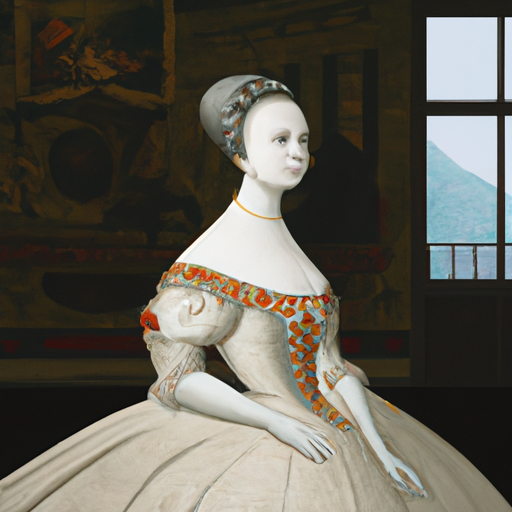
Example of visual style of Swiss Graphic Design

Swiss Graphic Design

Swiss Graphic Design emerged in the 1950s and became famous for its simplicity, precision, and strong emphasis on grid-based layouts and typography. It is characterized by clean, organized designs with a focus on readability and clear communication. The use of sans-serif typefaces, asymmetrical layouts, and high contrast colors are common in this style. Notable designers such as Josef Müller-Brockmann and Max Miedinger contributed to the development and popularity of Swiss Graphic Design.

View StyleExplore Style
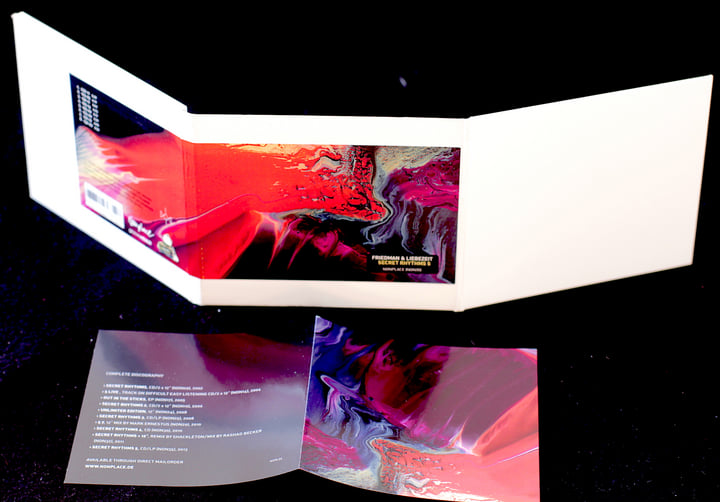
Example of visual style of Tintin

Tintin

Tintin is a visual style that originated in the late 1920s by Belgian cartoonist Hergé. It gained popularity through the comic book series 'The Adventures of Tintin' which was first published in 1929. The style is known for its clean and precise line art, bold colors, and distinctive characters. The stories take readers on thrilling adventures around the globe, combining humor, action, and mystery. Tintin's visual style made use of strong outlines, realistic backgrounds, and detailed panel layouts, creating a visually stunning and immersive experience for readers.

View StyleExplore Style

Example of visual style of Traditional Realism

Traditional Realism

Traditional Realism is an art style that emerged in the late 19th century and gained prominence in the early 20th century. It is characterized by its meticulous attention to detail, precise representation of subjects, and adherence to traditional artistic techniques. Traditional Realism reached its peak of popularity between the 1940s and 1950s. This style gained fame for its ability to create lifelike and highly detailed artworks, often depicting scenes from everyday life, portraits, or landscapes.

View StyleExplore Style

Example of visual style of Walter De Maria

Walter De Maria

Walter De Maria was an American artist known for his minimalist and earthwork sculptures. He emerged as a prominent figure in the art world during the 1960s and 1970s. His visual style can be described as stark, geometric, and monumental. De Maria's sculptures often featured simple geometric forms, such as grids, circles, and lines, and were characterized by their large scale and precise arrangement. One of his most famous works is 'The Lightning Field' (1977) consisting of a grid of 400 stainless steel poles in the New Mexico desert. De Maria's emphasis on pristine geometric forms and the use of natural elements in his artworks became influential in the development of land art and minimalism.

View StyleExplore Style
Home