StylopediaStylopedia

Practical effects styles on Stylopedia

A visual encyclopedia of practical effects styles – use as prompt inspiration for Midjourney, Gemini, or ChatGPT AI when making practical effects images

Example of visual style of Dennis Gassner

Dennis Gassner

Dennis Gassner is a renowned production designer known for his visually stunning and immersive style that combines grand scale with meticulous attention to detail. His work is characterized by a strong emphasis on creating unique and atmospheric environments. Gassner gained popularity in the late 1990s and is still active today. He is famous for his collaborations with directors like Sam Mendes and Denis Villeneuve, which resulted in critically acclaimed films such as 'Skyfall' and 'Blade Runner 2049'. Gassner's style became famous for its ability to seamlessly blend practical and digital effects, achieving a highly realistic and cohesive visual presentation.

View StyleExplore Style
Example of visual style of George Romero

George Romero

George Romero, a prominent filmmaker in the horror genre, was known for his distinctive visual style, especially in his later films. His style emerged in the late 1960s and continued throughout the 1970s and 1980s, making him one of the most influential directors in the genre. Romero's visual style was characterized by his innovative use of lighting, shadows, and framing techniques to create a sense of dread and horror. He often employed low-budget techniques, such as handheld cameras and practical effects, to create a visceral and gritty aesthetic. Romero's films were famous for their social commentaries on consumerism, racism, and other contemporary issues.

View StyleExplore Style
Example of visual style of John Carpenter

John Carpenter

The visual style of John Carpenter refers to the aesthetic used in the films directed by John Carpenter, primarily in the late 1970s and 1980s. Known for his work in the horror and science fiction genres, Carpenter's visual style is characterized by dark, moody atmospheres, innovative camera work, and atmospheric lighting. His films often feature a sense of isolation and paranoia, with an emphasis on practical effects and suspenseful storytelling. Carpenter's style became famous through films such as Halloween (1978), The Thing (1982), and Escape from New York (1981), which showcased his ability to create tension and terror through his unique visual approach.

View StyleExplore Style
Example of visual style of Michel Gondry

Michel Gondry

Michel Gondry is known for his distinctive visual style that combines surreal and imaginative elements with DIY aesthetics. His style became famous in the late 1990s and early 2000s through his innovative music videos and later through feature films. Gondry's use of practical effects, stop-motion animation, and handcrafted set designs added a unique and whimsical charm to his work. His visual style often blurs the line between reality and the fantastical, creating a dreamlike atmosphere.

View StyleExplore Style
Example of visual style of Neil Marshall

Neil Marshall

The visual style of Neil Marshall is known for its gritty and intense atmosphere, often characterized by dark and desaturated colors, realistic and gritty production design, and claustrophobic and visceral action sequences. Marshall gained popularity in the early 2000s for his work in the horror and thriller genres, with films like 'Dog Soldiers' (2002) and 'The Descent' (2005). His use of practical effects and minimal CGI in creating suspense and tension became a trademark of his style.

View StyleExplore Style
Example of visual style of Peter Jackson

Peter Jackson

Peter Jackson is known for his visually stunning and immersive storytelling style through films. He gained fame particularly in the early 2000s with his groundbreaking 'The Lord of the Rings' film trilogy, which revolutionized the fantasy genre and set new standards in visual effects. Jackson's style is characterized by grand and epic visuals, attention to detail, and a seamless blend of practical and digital effects. His films are known for their vibrant color palettes, intricate world-building, and larger-than-life set pieces. He has a knack for creating visually captivating worlds that transport the audience into fantastical realms.

View StyleExplore Style
Example of visual style of Phil Tippett

Phil Tippett

Phil Tippett is a visual effects artist and filmmaker known for his groundbreaking work in stop-motion animation and creature design. His style became famous in the 1980s and 1990s when he created iconic creatures and visual effects for films like Star Wars: Return of the Jedi, Jurassic Park, and RoboCop. Tippett's unique style combines practical effects with computer-generated imagery, bringing life to fantastical creatures and enhancing the visual storytelling in these films.

View StyleExplore Style
Example of visual style of The City Of Lost Children

The City Of Lost Children

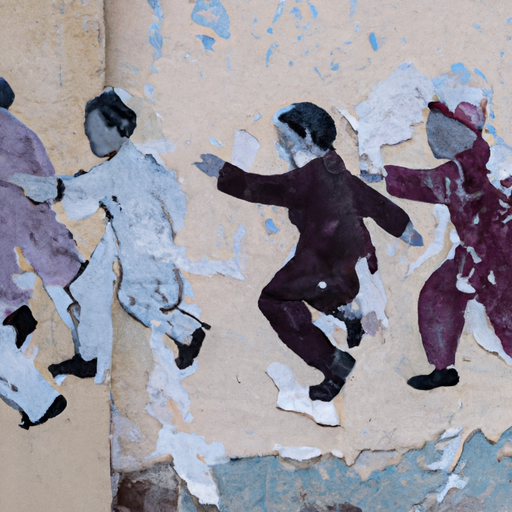
The visual style of The City Of Lost Children, a film released in 1995 and directed by Jean-Pierre Jeunet and Marc Caro, is a dark and fantastical mix of steampunk, dystopia, and surrealism. This style is known for its intricate and meticulously designed sets, with a focus on industrial machinery, bizarre inventions, and twisted architecture. The film gained fame for its innovative use of practical effects and visual storytelling, creating a unique and haunting world where dreams and nightmares blend together.

View StyleExplore Style
Example of visual style of Weta Workshop

Weta Workshop

Weta Workshop is a visual effects and prop design company founded in 1987 in Wellington, New Zealand. It gained international fame through its work on The Lord of the Rings trilogy, released between 2001 and 2003. The company is known for its incredible attention to detail and commitment to creating realistic and fantastical worlds on screen. With groundbreaking practical effects, prosthetics, miniatures, and digital effects, Weta Workshop has set new standards in the film industry.

View StyleExplore Style
Home