StylopediaStylopedia

Powerful styles on Stylopedia

A visual encyclopedia of powerful styles – use as prompt inspiration for Midjourney, Gemini, or ChatGPT AI when making powerful images

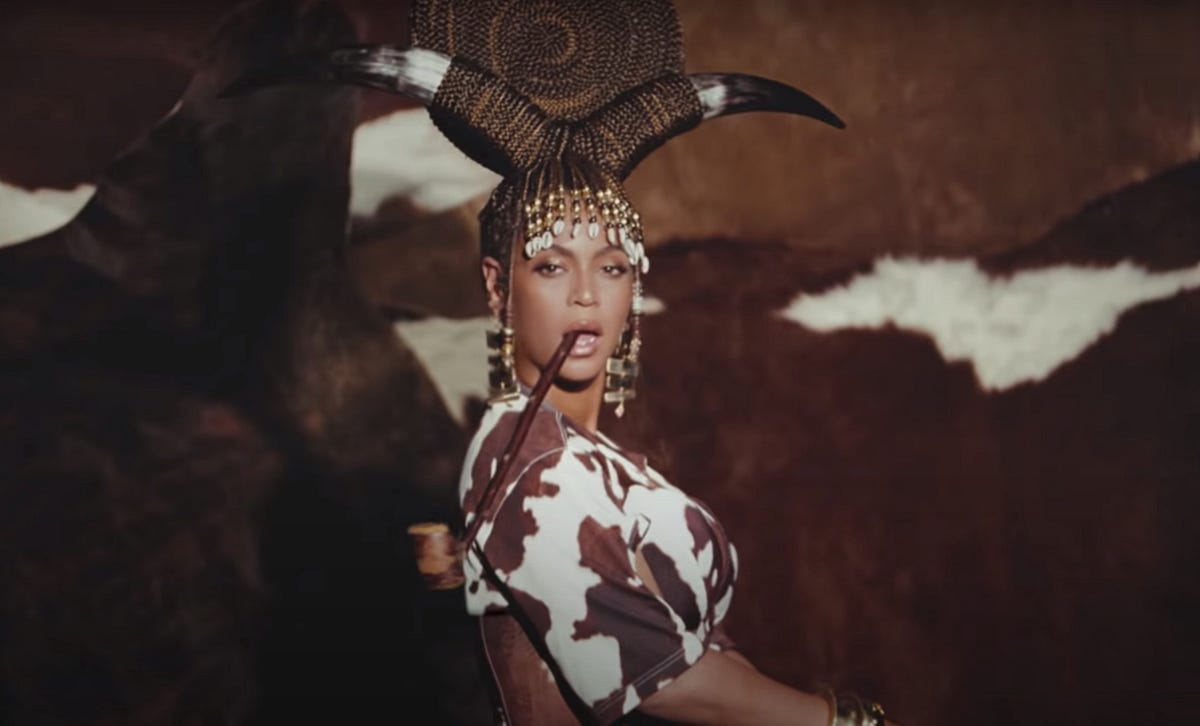
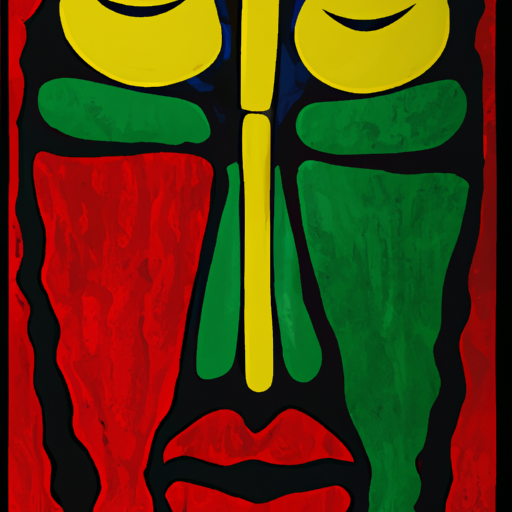
Example of visual style of African Contemporary Art

African Contemporary Art

African Contemporary Art is a dynamic and vibrant visual style that emerged in the late 20th century and continues to influence the art world today. It gained prominence in the 1990s and 2000s, as artists from various African countries began to explore new artistic expressions. This style is characterized by a fusion of traditional African art with contemporary techniques and ideas, resulting in unique and powerful artworks that reflect the diverse cultures and experiences of the African continent. African Contemporary Art has gained international recognition for its ability to challenge stereotypes, address sociopolitical issues, and celebrate African identity and heritage.

View StyleExplore Style
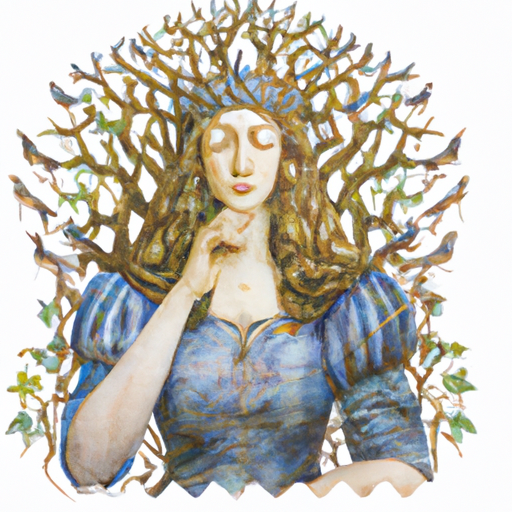
Example of visual style of Artemisia Gentileschi

Artemisia Gentileschi

Artemisia Gentileschi was an Italian Baroque painter who became famous for her powerful, dramatic, and often visceral depictions of biblical and mythological women. Active during the 17th century, her style is characterized by dynamic compositions, rich colors, and a focus on the emotional intensity of her subjects. Gentileschi's work is known for its emphasis on female protagonists, as well as her use of chiaroscuro and naturalistic details. She is regarded as one of the most important female artists of her time.

View StyleExplore Style
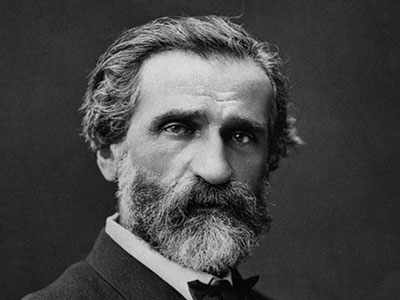
Example of visual style of George Lois

George Lois

George Lois is an American graphic designer and art director known for his bold and iconic visual style. Active in the 1960s, Lois revolutionized the advertising industry with his innovative and daring approach. He created a series of influential and memorable advertisements for major brands such as Xerox, Volkswagen, and Esquire magazine. His work combined striking photography, clever copywriting, and powerful imagery to communicate messages with impact. Lois brought social and political commentary into his designs and challenged the status quo, making him famous for his fearless and controversial style.

View StyleExplore Style
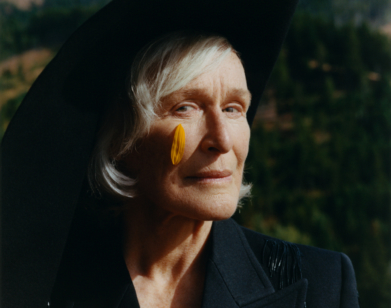
Example of visual style of Gloria Steinem

Gloria Steinem

The Gloria Steinem visual style emerged in the late 1960s and became famous during the feminist movement of the 1970s. It is characterized by a bold, confident, and defiant aesthetic, reflecting Steinem's activism and advocacy for women's rights. This style is known for its vibrant colors, strong lines, and powerful imagery, capturing the spirit of feminism and female empowerment. It challenged traditional beauty standards and depicted women as strong, independent individuals. The Gloria Steinem visual style continues to inspire and influence contemporary feminist art and design.

View StyleExplore Style
Example of visual style of Gordon Parks

Gordon Parks

Gordon Parks was an American photographer, filmmaker, and writer who became prominent in the mid-20th century. He was known for his unique visual style, characterized by powerful and evocative black and white imagery. Parks captured the realities of African American life and social issues, including poverty, segregation, and the civil rights movement. His work brought attention to these important issues and challenged societal norms, making him famous for his impactful storytelling through photography. His most famous work includes the photo essay 'Harlem Gang Leader' and his fashion photography for Vogue.

View StyleExplore Style
Example of visual style of Gustav Klutsis

Gustav Klutsis

Gustav Klutsis was a Latvian artist and graphic designer known for his constructivist style. Active during the 1920s and 1930s, Klutsis gained fame for his powerful and dynamic compositions that combined photography, typography, and graphic design. His work was characterized by bold geometric forms, vibrant colors, and a strong sense of movement. Klutsis became famous for his propaganda posters and photomontages, which portrayed the ideals of the Soviet Union and promoted the achievements of the communist regime. His innovative use of photography and graphic design techniques made him a leading figure in the constructivist movement.

View StyleExplore Style

Example of visual style of Gustav Vigeland

Gustav Vigeland

Gustav Vigeland was a Norwegian sculptor who is famous for his powerful and expressive sculptures. He is best known for his work on the Vigeland Sculpture Park in Oslo, which features over 200 sculptures made between 1924 and 1943. Vigeland's style can be characterized as realistic and highly detailed, with a focus on human figures and emotions. His sculptures often depict the human form in various poses, capturing the complexity and beauty of the human experience. The Vigeland Sculpture Park is a major tourist attraction and has made Vigeland internationally renowned.

View StyleExplore Style
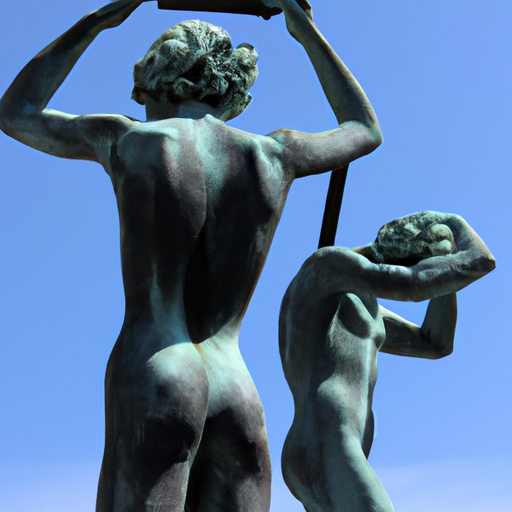
Example of visual style of Hans Zimmer

Hans Zimmer

Hans Zimmer is a renowned composer known for his powerful and evocative musical compositions for film and television. He rose to fame in the 1980s and 1990s by creating iconic soundtracks for movies such as "The Lion King", "Gladiator", and "The Dark Knight". Zimmer's style is characterized by its sweeping orchestral arrangements, haunting melodies, and the innovative use of electronic instruments. His ability to infuse emotions into his music and create unique sonic landscapes has made him a staple in the film industry.

View StyleExplore Style
Example of visual style of James Gandolfini

James Gandolfini

James Gandolfini's visual style was iconic and timeless. Known for his memorable portrayal of Tony Soprano in the TV series 'The Sopranos' (1999-2007), Gandolfini became a symbol of raw, gritty masculinity. His style was characterized by a rugged charm, a commanding presence, and an intensity that captivated audiences. With his broad physique, deep-set eyes, and distinct facial expressions, Gandolfini effortlessly conveyed both vulnerability and power. His unique blend of charisma and vulnerability endeared him to viewers and solidified his status as one of the greatest actors of his generation.

View StyleExplore Style
Example of visual style of Jose Clemente Orozco

Jose Clemente Orozco

Jose Clemente Orozco's visual style is characterized by bold and powerful images with strong social and political messages. His works often depict the struggles and injustices faced by the Mexican people. Orozco gained fame in the early 20th century for his murals that showcased the Mexican Revolution and the plight of the working class. His use of dramatic contrast, intense colors, and distorted figures made his art visually striking and emotionally charged.

View StyleExplore Style
Example of visual style of Kobra

Kobra

Kobra is a vibrant and dynamic visual style that emerged in the early 21st century. Known for its bold use of colors and intricate patterns, this style gained popularity in the last decade. Kobra is famous for its attention to detail and the incorporation of geometric shapes and lines. It often features imagery that reflects cultural and social themes, making powerful statements through art. Notable artists who have contributed to the Kobra style include Eduardo Kobra and his team of talented muralists.

View StyleExplore Style
Example of visual style of Piero Gherardi

Piero Gherardi

Piero Gherardi was an Italian production designer and costume designer, known for his work in the Italian neorealist cinema of the 1940s and 1950s. Gherardi's visual style is characterized by a meticulous attention to detail, understated elegance, and a focus on the human condition. His designs often captured the gritty reality of post-war Italy, using muted colors, worn textures, and deceptively simple compositions. Gherardi's work was famous for its ability to convey the emotions and inner lives of characters through visual elements, creating a powerful and atmospheric backdrop for the storytelling. His collaborations with directors such as Federico Fellini and Luchino Visconti brought him international acclaim.

View StyleExplore Style
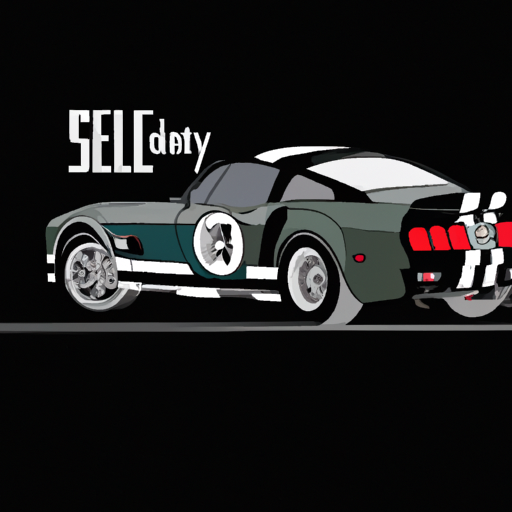
Example of visual style of Shelby Mustang

Shelby Mustang

The Shelby Mustang is a classic American muscle car that rose to fame in the 1960s. It is widely known for its powerful performance and aggressive design, which made it stand out from other cars of its time. The iconic Shelby Mustangs were produced from 1965 to 1970, with the 1967 Shelby GT500 being one of the most famous models. Its distinctive features included a prominent hood scoop, racing stripes, and a muscular body. The Shelby Mustang became famous for its dominance on the racetrack, especially in the Sports Car Club of America (SCCA) competitions. The combination of speed, style, and success on the track solidified its place in automotive history.

View StyleExplore Style
Home