StylopediaStylopedia

Power styles on Stylopedia

A visual encyclopedia of power styles – use as prompt inspiration for Midjourney, Gemini, or ChatGPT AI when making power images

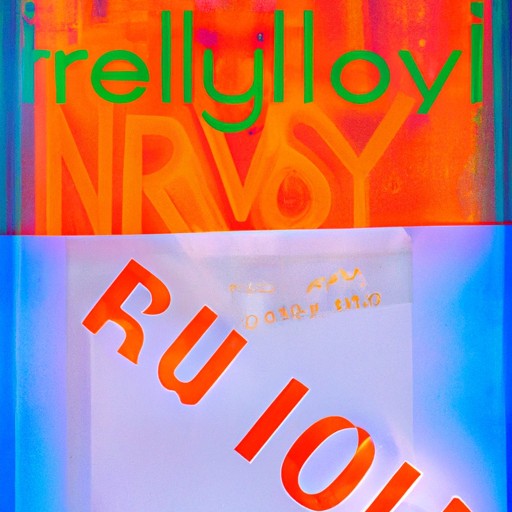
Example of visual style of Barbara Kruger

Barbara Kruger

Barbara Kruger is known for her bold and politically-charged artwork that combines text and imagery. She rose to prominence in the late 1970s and early 1980s during the feminist art movement and the rise of postmodernism. Kruger's iconic style consists of black and white photographs overlaid with text in a bold, red font. Her work often explores themes of consumerism, gender, and power, and challenges viewers to question societal norms and control. Through her powerful and visually striking pieces, Kruger has become one of the most influential artists of her time.

View StyleExplore Style
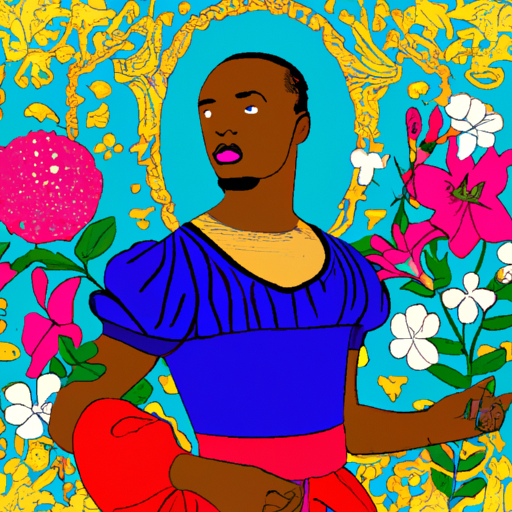
Example of visual style of Court Nobles

Court Nobles

Court Nobles is a visual style that emerged during the Renaissance in Europe, particularly in the 16th and 17th centuries. This style was predominantly associated with the aristocratic class and the royal courts of the time. Court Nobles became famous for its lavish and opulent aesthetics, characterized by ornate details, rich colors, and luxurious materials. It reflected the wealth and prestige of the ruling class, showcasing their power and grandeur through the visual arts and fashion.

View StyleExplore Style

Example of visual style of Faith Ringgold

Faith Ringgold

Faith Ringgold is known for her visually stunning and socially conscious works, blending quilting, painting, and storytelling. Her style emerged in the 1960s during the height of the Civil Rights Movement and the Feminist Movement. Ringgold's famous use of vibrant colors, intricate patterns, and geometric shapes created a visual impact that captivated audiences. Her focus on themes such as race, power, and gender inequality made her a prominent figure in the feminist art movement. Ringgold's art became famous not only for its aesthetic beauty but also for the powerful messages it conveyed, inspiring dialogue and challenging societal norms.

View StyleExplore Style
Example of visual style of Fiona Banner

Fiona Banner

Fiona Banner is a contemporary British artist known for her use of text-based artwork and immersive installations. Her style is characterized by its minimalistic and conceptual nature, often incorporating language as the central element of her pieces. Banner gained recognition in the late 1990s for her 'wordscapes,' large-scale text installations that use words and typography to create visual landscapes. She became famous for her attention to detail and bold use of language to explore themes of communication, power, and identity.

View StyleExplore Style
Example of visual style of French Monarchy

French Monarchy

The French Monarchy style, prevalent from the 16th to the 18th centuries, was characterized by opulence, grandeur, and a sense of power. It reached its peak during the reign of Louis XIV, also known as the Sun King, from 1643 to 1715. This style became famous for its lavish decorations, extravagant fashion, and monumental architecture, exemplified by the Palace of Versailles. It represented the absolute monarchy and aristocratic society of France, reflected in its ornate design and intricate details.

View StyleExplore Style

Example of visual style of Hideo Kojima

Hideo Kojima

Hideo Kojima is a Japanese video game designer known for his distinctive visual style that combines cinematic storytelling with advanced technology. His style gained fame through the creation of the renowned 'Metal Gear' series which began in 1987. Kojima's visual style is characterized by intricate and detailed environments, futuristic and industrial settings, and a blend of realism and science fiction. His games often feature complex narratives with philosophical themes, exploring concepts of identity, power, and the nature of humanity. Kojima's unique visual style has made him one of the most influential figures in the gaming industry.

View StyleExplore Style
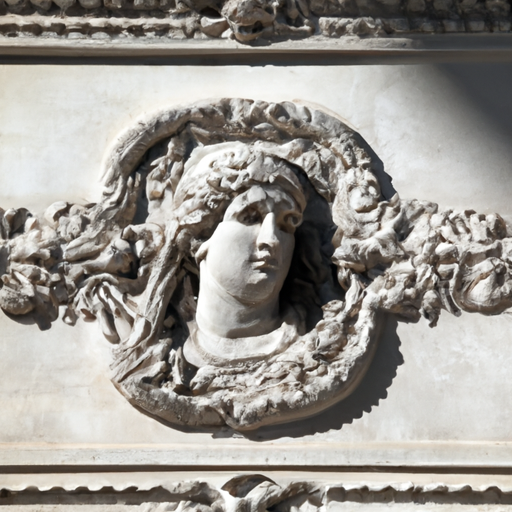
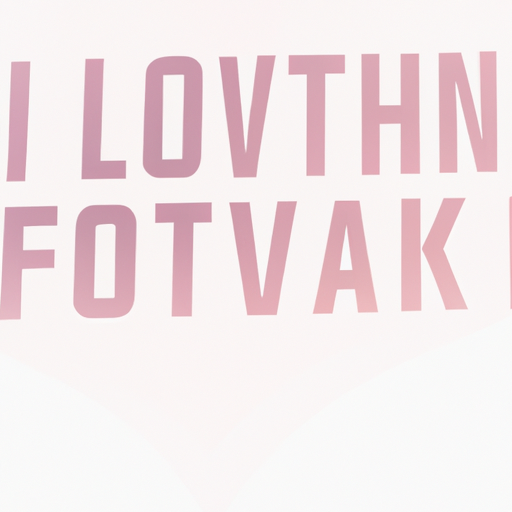
Example of visual style of Jenny Holzer

Jenny Holzer

Jenny Holzer is an American artist known for her text-based artworks. Emerging in the late 1970s, Holzer gained fame for her use of LED signs to display provocative and thought-provoking statements in public spaces. Her works often address themes of power, politics, gender, and violence. Holzer's visual style combines bold and simple typography with stark backgrounds, creating a visually impactful and highly readable display. Her artworks have been exhibited internationally and have made a significant impact on contemporary art.

View StyleExplore Style
Example of visual style of Military Aesthetics

Military Aesthetics

Military Aesthetics refers to a visual style that draws inspiration from military uniforms, equipment, and motifs. It became prominent during the mid-20th century, most notably during World War II. The style gained popularity due to its association with valor, patriotism, and solidarity. Military Aesthetics often features strong, bold colors such as shades of green, khaki, navy blue, and camouflage patterns. It incorporates elements like epaulettes, brass buttons, badges, utility pockets, and military insignias. This style embraces a sense of order, discipline, and uniformity, evoking a sense of power and authority.

View StyleExplore Style

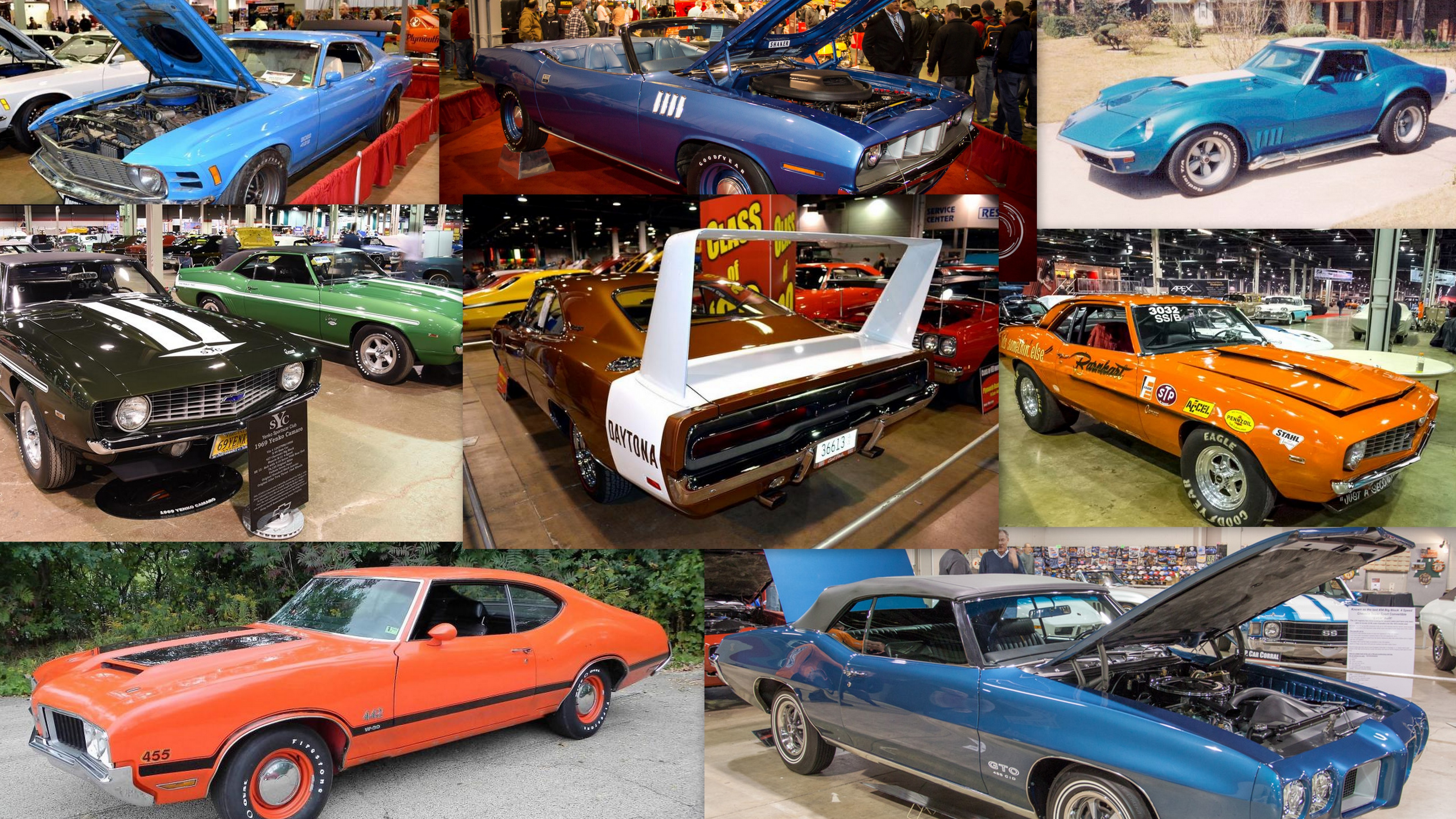
Example of visual style of Richard Rawlings

Richard Rawlings

The visual style of Richard Rawlings is characterized by bold, edgy and contemporary designs. It became famous in the late 2000s when Rawlings gained popularity as the host of the television show 'Fast N' Loud'. His style is heavily influenced by automotive culture, featuring vibrant colors, sleek lines, and intricate detailing. Rawlings' designs often incorporate elements of speed, power, and innovation, reflecting his passion for custom cars and motorcycles.

View StyleExplore Style
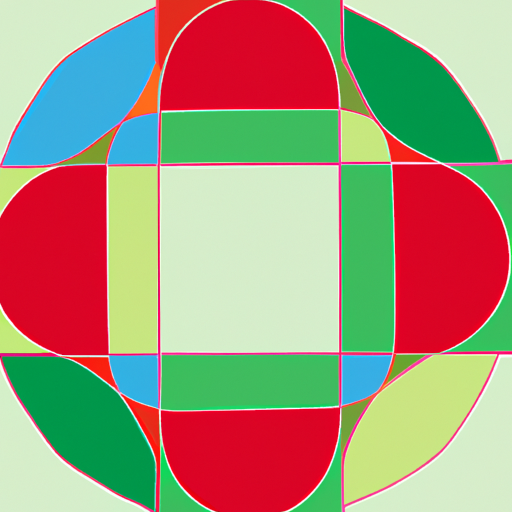
Example of visual style of The Hun

The Hun

The Hun was a visual style that emerged in the late 4th century CE during the reign of the Huns. It gained popularity and notoriety throughout the 5th century CE. The key characteristic of this style was its influence from the nomadic lifestyle and cultural traditions of the Huns. It was known for its bold and fierce imagery, often depicting scenes of hunting, warfare, and equestrian life. The use of earth tones, particularly shades of brown, red, and beige, was prominent in The Hun style, emphasizing a connection to nature and the Steppes. The style gained fame for its representation of the Huns' power and dominance, and their distinctive physical appearance, such as their horseback riding skills and their unique hairstyles. The Hun style often featured intricate patterns, geometric designs, and organic motifs inspired by animal and plant life.

View StyleExplore Style
Example of visual style of Wangechi Mutu

Wangechi Mutu

Wangechi Mutu is a visual artist known for her collages, sculptures, and mixed media works. Her style is characterized by the fusion of various materials, including magazine cutouts, paint, and found objects, to create intricate and surreal compositions. Mutu gained recognition in the early 2000s for her powerful exploration of Afrofuturism, identity, and the representation of Black women in art. Her works often depict hybrid figures that challenge traditional notions of beauty and confront issues of gender, race, and power. Mutu's unique visual language has made her one of the leading contemporary artists of her generation.

View StyleExplore Style
Example of visual style of William Turner

William Turner

William Turner, also known as J.M.W. Turner, was an English Romantic painter and is considered one of the greatest masters of landscape painting. Active during the late 18th and early 19th centuries, Turner's style is characterized by his innovative techniques, dramatic use of light and color, and his ability to capture the atmosphere and mood of the landscapes and seascapes he painted. His work often evoked a sense of sublime and the raw power of nature. Turner's unique style made him famous and influential in his time, and he continues to be celebrated as a pioneer of modern art.

View StyleExplore Style

Home