
Aegean Art
Aegean Art is a style of art that flourished in the Aegean region during the Bronze Age. Known for its intricate frescoes, pottery, and sculptures, this art form was popular from around 3000 BCE to 1100 BCE.
View StyleExplore Style Stylopedia
A visual encyclopedia of pottery styles – use as prompt inspiration for Midjourney, Gemini, or ChatGPT AI when making pottery images
Aegean Art is a style of art that flourished in the Aegean region during the Bronze Age. Known for its intricate frescoes, pottery, and sculptures, this art form was popular from around 3000 BCE to 1100 BCE.
View StyleExplore Style
The Amasis visual style emerged during the 6th century BC in ancient Greece, characterized by intricate geometric patterns and floral motifs on pottery. This style gained fame for its precise craftsmanship and elegant designs.
View StyleExplore Style
Amphora is a type of ancient Greek pottery that was made between 800-500 BC. It is known for its distinctive shape, typically having two handles and a narrow neck. These vessels were used for storing liquids such as wine or oil, and were often decorated with intricate designs and scenes from Greek mythology.
View StyleExplore Style
The Amphora Painter (circa 600-500 BCE) was a renowned ancient Greek pottery artist known for their intricate black-figure designs on amphorae, featuring detailed mythological scenes and figures.
View StyleExplore Style
The visual style of Ancient Crete, primarily seen in the Minoan civilization from around 2600-1100 BC, is characterized by vivid colors, intricate designs, and depictions of nature and animals. This style is famous for its elaborate palaces, frescoes, and pottery.
View StyleExplore Style
The visual style of Ancient Greece, prominent from around 800 BC to 146 BC, is characterized by its architectural columns, marble sculptures, intricate pottery designs, and mythological motifs. This style is famous for its balance, harmony, and idealized depictions of the human form.
View StyleExplore Style
Ancient Greek Black Figure Pottery was prevalent in the 6th and 5th centuries BC. It is known for its distinctive black figures on a red background, created by applying a black slip to the pottery before firing.
View StyleExplore Style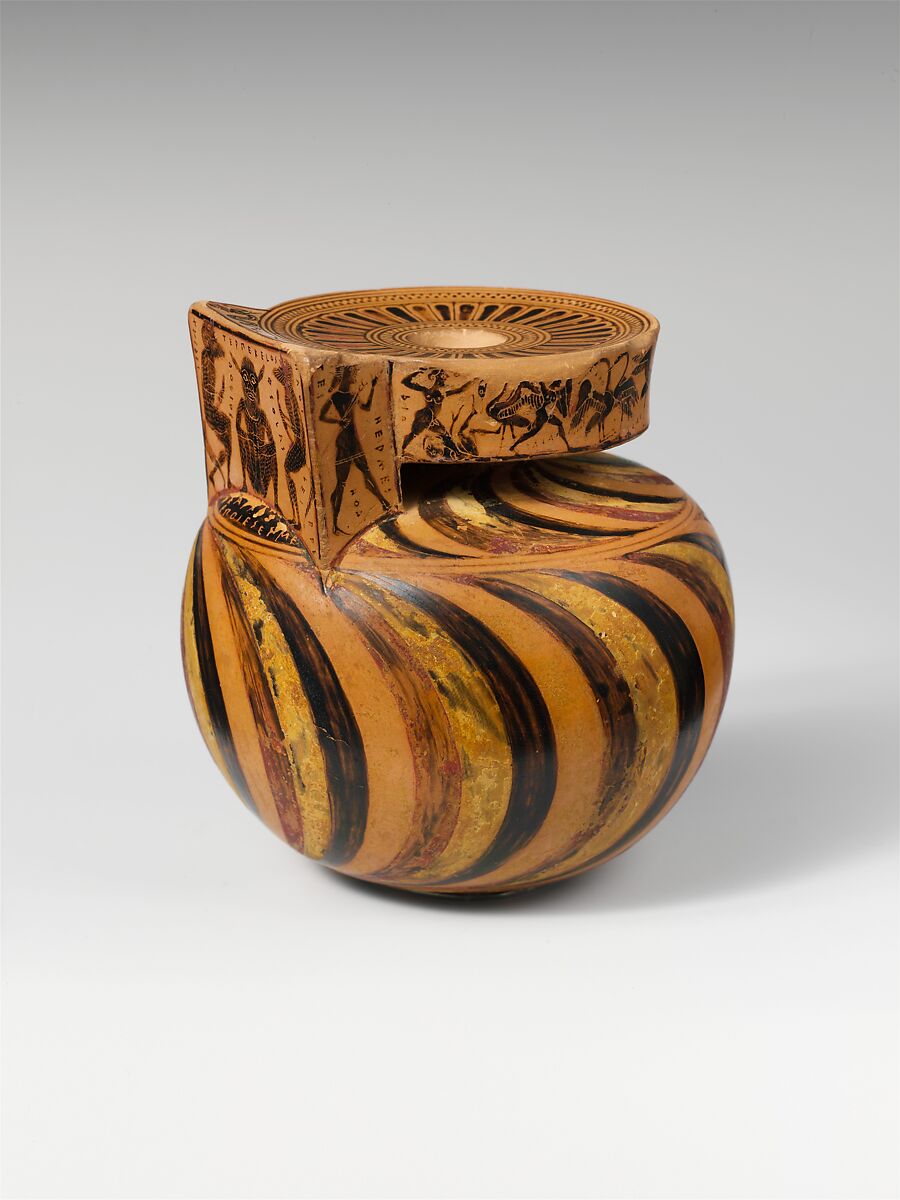
Andokides is a style of ancient Greek pottery that emerged in Athens around 530 BC. Known for its black-figure technique, Andokides pottery was characterized by intricate designs and narrative scenes.
View StyleExplore Style
Attic Pottery is a type of pottery produced in Attica, Greece from the 6th to 4th centuries BC. Known for its black-figure and red-figure techniques, it achieved fame for its detailed narrative scenes and elegant designs.
View StyleExplore Style
Bernard Leach was a prominent British potter known for his fusion of Eastern and Western ceramic traditions. His style, developed in the early to mid 20th century, emphasized simplicity, functionality, and organic forms, leading to a revival of studio pottery.
View StyleExplore Style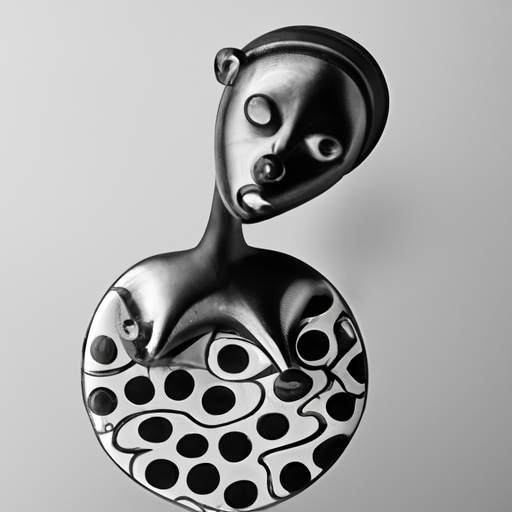
Black figure pottery is a style of ancient Greek pottery characterized by black figures on a red background. This style was prominent from the 7th to the 5th century BC and was famous for its detailed depictions of mythological scenes and everyday life.
View StyleExplore Style
Ceramic sculpture is a three-dimensional art form created from clay and other materials. It gained popularity in the ancient times and is still widely practiced today.
View StyleExplore Style
Chinese ceramics are known for their intricate designs, vibrant colors, and delicate craftsmanship. This style dates back thousands of years and is famous for its use in pottery, porcelain, and other ceramic art forms.
View StyleExplore Style
The Euphronios style was prominent during the 6th century BC in ancient Greece, known for its red-figure pottery depicting detailed mythological scenes.
View StyleExplore Style
The Moche civilization, flourished in northern Peru from 100 to 700 AD, is known for their highly detailed ceramic pottery depicting scenes of everyday life, rituals, and human sacrifices.
View StyleExplore Style
The style of Helen Cordero is a blend of Pueblo pottery tradition and storytelling, known for her iconic storyteller figurines created in the mid-20th century.
View StyleExplore Style
Incan pottery is characterized by intricate geometric patterns, vibrant colors, and detailed motifs. This style was prominent during the Incan Empire in the 15th and 16th centuries, known for its craftsmanship and use of natural materials.
View StyleExplore Style
Julian Martinez was a San Ildefonso Pueblo artist known for his traditional Native American pottery with intricate geometric designs. He gained fame in the early 20th century for his collaboration with his wife, Maria Martinez, in creating black-on-black pottery.
View StyleExplore Style
The Krater style refers to ancient Greek pottery decorated with elaborate, geometric designs. This style became famous during the 8th to 5th centuries BC for its intricate black-figure and red-figure techniques.
View StyleExplore Style
Kylix is a type of Ancient Greek pottery characterized by a shallow, wide bowl with two horizontal handles. This style was popular during the Archaic and Classical periods (6th-5th century BC) and is famous for its red-figure and black-figure decoration techniques.
View StyleExplore Style
Margaret Tafoya was a renowned Native American potter from Santa Clara Pueblo in New Mexico. She is known for her traditional blackware pottery, featuring hand-coiled vessels with polished surfaces and deeply carved designs. Margaret Tafoya's work gained recognition in the mid-20th century and continues to be highly regarded in the world of Native American art.
View StyleExplore Style
Maria Martinez is a renowned Native American potter known for her black-on-black pottery, which gained popularity in the early 20th century. Her style is characterized by intricate designs and precise polychrome techniques.
View StyleExplore Style
Mashiko Pottery is a style of Japanese pottery that originated in the town of Mashiko in the late 19th century. Known for its rustic and handcrafted quality, Mashiko Pottery gained popularity through the work of master potter Shoji Hamada.
View StyleExplore Style
Maya Art is a visual style that originated from the ancient Maya civilization in Mesoamerica, flourishing between 2000 BC to AD 1500. Known for its intricate hieroglyphics, architectural design, pottery, and sculpture.
View StyleExplore Style
Mycenaean Art, produced by the civilization that flourished in the Aegean Bronze Age from about 1600 to 1100 BC, is known for its intricate gold jewelry, unique pottery shapes, and fresco paintings depicting warfare and religious ceremonies.
View StyleExplore Style
The Nampeyo style is a traditional Hopi pottery style originating from the late 1800s to early 1900s. It is known for its intricate designs inspired by Hopi culture and symbolism.
View StyleExplore Style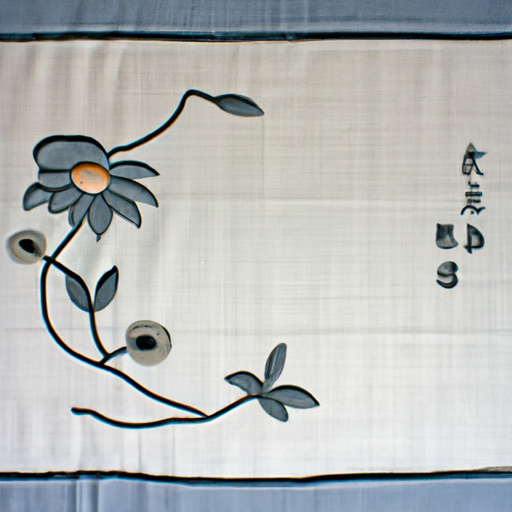
Ogata Kenzan was a renowned Japanese potter and painter during the Edo period. He is famous for his intricate and colorful designs inspired by nature, using bold brush strokes and vivid colors to create works that are both ornate and refined.
View StyleExplore Style
Peter Voulkos was a pioneering figure in 20th-century ceramics, known for his abstract expressionist style that blurred the lines between sculpture and pottery. His work from the 1950s and 1960s reinvented traditional ceramic forms, pushing the boundaries of scale and materials.
View StyleExplore Style
Phintias is a visual style that emerged in ancient Greece around the 5th century BCE. It is characterized by intricate patterns, geometric shapes, and bold colors. This style became famous for its use in pottery, mosaics, and frescoes.
View StyleExplore Style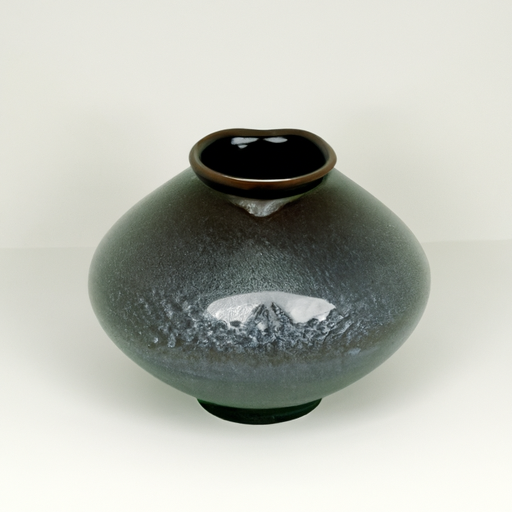
Raku Ware is a type of Japanese pottery known for its unique and unpredictable glaze effects. Developed in the 16th century by the Raku family, it gained popularity for its unconventional firing process and vibrant colors.
View StyleExplore Style
Red Figure Pottery was a style of ancient Greek pottery that was popular between 530-320 BCE. It featured black figures on a red background, achieved by painting the figures in silhouette and leaving the background red. This style gained fame for its detailed and naturalistic depictions of human figures and scenes.
View StyleExplore Style
San Ildefonso Pueblo Pottery is known for its black-on-black designs, developed by Maria Martinez and her family in the early 20th century. This style became famous for its innovative techniques and striking visuals.
View StyleExplore Style
San Ildelfonso Pueblo style is characterized by black-on-black pottery with matte and polished surfaces, made famous by artist Maria Martinez in the early 20th century.
View StyleExplore Style
Seoul Pottery Workshop is a modern Korean pottery style that emerged in the 1950s. Known for blending traditional Korean pottery techniques with contemporary aesthetics, it gained recognition for its innovative designs and craftsmanship.
View StyleExplore Style
Shoji Hamada was a Japanese potter known for his simple yet elegant ceramic designs. Influential in the Mingei folk craft movement, his work featured clean lines, natural colors, and a focus on traditional methods. His pieces gained international acclaim in the mid-20th century.
View StyleExplore Style
Southwestern art is characterized by vibrant colors, geometric shapes, and themes inspired by Native American and Hispanic cultures. Popularized in the late 19th century by artists like Georgia O'Keeffe and Edward Curtis, this style often features desert landscapes, cacti, and traditional pottery.
View StyleExplore Style
Spode is a style of English pottery and porcelain known for its intricate patterns, often featuring botanical motifs and rich colors. It became famous in the late 18th and early 19th centuries for its high-quality craftsmanship and innovative techniques.
View StyleExplore Style
Stoke On Trent is a style characterized by intricate pottery designs produced in the Staffordshire region of England during the 19th and 20th centuries. Known for its vibrant colors and detailed patterns, this style became famous for its fine ceramics.
View StyleExplore Style
William De Morgan was a Victorian-era designer known for his intricate and colorful ceramic tiles, pottery, and glassware. His work is characterized by bold and intricate patterns inspired by nature and medieval designs.
View StyleExplore Style