StylopediaStylopedia

Postmodern styles on Stylopedia

A visual encyclopedia of postmodern styles – use as prompt inspiration for Midjourney, Gemini, or ChatGPT AI when making postmodern images

Example of visual style of Alessandro Mendini

Alessandro Mendini

Alessandro Mendini is an Italian designer known for his vibrant, postmodern visual style. His influential works emerged during the late 20th century, particularly in the 1980s and 1990s. Mendini's style is characterized by bold colors, playful shapes, and a mix of high and low cultural references. His design philosophy focuses on combining art and design, resulting in visually striking and innovative creations. His iconic works like the Proust Armchair and the Groninger Museum have made him famous for his ability to blend various design disciplines.

View StyleExplore Style
Example of visual style of Cindy Sherman

Cindy Sherman

Cindy Sherman is a visual artist known for her iconic self-portraits that explore the construction of identity, gender, and societal stereotypes. Her work gained prominence in the late 1970s and early 1980s, challenging the traditional notions of self-portraiture and photography. Sherman's use of costumes, prosthetics, and various props allowed her to transform into different characters, often referencing art history, film, and popular culture. The ambiguity of her photographs and the ability to assume different personas made Cindy Sherman a leading figure in the postmodern art movement.

View StyleExplore Style
Example of visual style of David Carson

David Carson

David Carson is a visual style known for his pioneering work in the field of graphic design during the 1990s. He gained recognition for his innovative and experimental approach to typography and layout. Carson's use of unconventional typefaces, fragmented text, and layered compositions revolutionized the field, creating a new aesthetic that challenged traditional design principles. He became famous for his work as the art director of Ray Gun magazine, where he pushed the boundaries of visual communication. Carson's style is characterized by a sense of chaos, spontaneity, and expressive typography. His work is often associated with the grunge and postmodern movements in design.

View StyleExplore Style
Example of visual style of David Salle

David Salle

David Salle is known for his eclectic and postmodern visual style that emerged in the 1980s. His style incorporates a mix of images from various sources, including art history, advertising, and popular culture. Salle gained fame for his large-scale paintings that juxtapose and layer diverse visual elements, creating complex and often visually overwhelming compositions. His works are characterized by their fragmented narratives, vibrant colors, and a sense of dissonance and juxtaposition. David Salle's style became famous during the 1980s and continues to influence contemporary artists.

View StyleExplore Style

Example of visual style of Ettore Sottsass

Ettore Sottsass

Ettore Sottsass was an Italian architect and designer who became famous for his unique and avant-garde design style. His career spanned from the 1950s to the 2000s, but he made a significant impact during the 1980s with the creation of the Memphis Group. Sottsass is known for his bold use of bright colors, geometric shapes, and unconventional materials. His designs often combine functionality with artistic expression, challenging traditional design norms and embracing a postmodern aesthetic.

View StyleExplore Style
Example of visual style of Graphic Design In The 90s

Graphic Design In The 90s

Graphic Design in the 90s was characterized by bold, vibrant, and eclectic designs. It was a period of graphic experimentation and the rebirth of digital design. The style emerged in the early 1990s and continued throughout the decade, renowned for its use of bold colors, geometric shapes, grunge textures, and a mix of typography styles. The rise of desktop publishing and software like Adobe Photoshop contributed to the popularity of this style. Designers often embraced a postmodern aesthetic with a focus on surrealism, collage, and deconstructed layouts. This style gained fame for its unique blend of digital and analog elements that reflected the fast-paced, technologically advanced nature of the era.

View StyleExplore Style
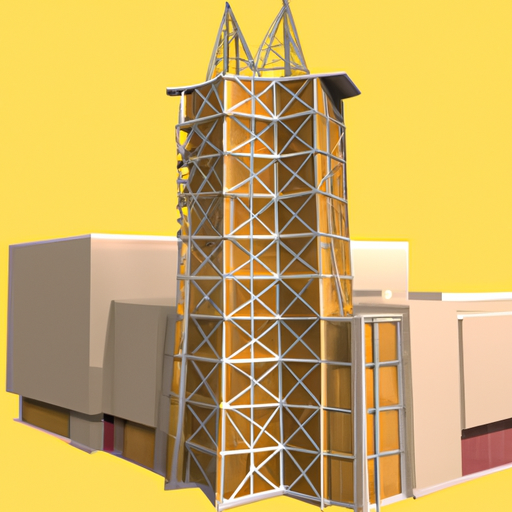
Example of visual style of Hans Hollein

Hans Hollein

Hans Hollein was an Austrian architect and designer who was a key figure in the postmodern architectural movement of the late 20th century. He gained fame for his innovative and futuristic designs that challenge traditional notions of architecture. Hollein's work often combined elements of art, architecture, and design, blurring the boundaries between these disciplines. He rose to prominence in the 1960s and 1970s with projects such as the Retti candle shop in Vienna and the Abteiberg Museum in Germany. His designs were characterized by unconventional forms, the use of new materials, and a focus on technology. Hollein's unique approach to architecture made him a significant figure in the architectural avant-garde and influenced subsequent generations of architects.

View StyleExplore Style
Example of visual style of Memphis Design Group

Memphis Design Group

The Memphis Design Group is a postmodern design movement that emerged in the 1980s. It was founded in Milan, Italy by Ettore Sottsass and a group of young designers. The movement became famous for its bold and vibrant colors, asymmetrical shapes, and eclectic mix of patterns and materials. It rejected the minimalist aesthetic of the time and embraced a playful and irreverent approach to design. The Memphis Design Group gained international recognition with its debut exhibition in 1981, which showcased furniture, lighting, and decorative objects that were unlike anything seen before. The movement had a major impact on the design world and inspired a range of products and interiors with its distinctive style.

View StyleExplore Style
Example of visual style of Memphis Group

Memphis Group

The Memphis Group was an influential design collective founded in Milan, Italy in 1980 by Ettore Sottsass. This postmodern movement gained fame for its vibrant colors, bold geometric patterns, and playful, unconventional shapes. Known for its disregard of minimalist design principles, the Memphis Group embraced the use of clashing colors, asymmetrical compositions, and kitschy decorative elements. Their designs often incorporated materials like laminated plastic, terrazzo, and bold, graphic prints. The Memphis Group's distinctive style quickly garnered international attention and its impact can still be seen in contemporary design.

View StyleExplore Style
Example of visual style of Michael Graves

Michael Graves

The Michael Graves style emerged in the late 1970s and gained prominence in the 1980s. This postmodern architectural style is characterized by its colorful, playful and iconic designs. Michael Graves became famous for his use of bold geometric forms, classical elements, and whimsical details in his buildings and products. His style was known for combining influences from classical architecture with a contemporary twist, creating a unique and recognizable aesthetic.

View StyleExplore Style

Example of visual style of Nathalie Du Pasquier Artist

Nathalie Du Pasquier Artist

Nathalie Du Pasquier is a contemporary artist known for her vibrant and geometric compositions. Emerging in the 1980s as a founding member of the Memphis Group, Du Pasquier played a significant role in defining the postmodern design movement. Her works often incorporate bold colors, abstract shapes, and playful patterns, drawing inspiration from a variety of sources such as African textiles, architectural elements, and everyday objects. Du Pasquier's unique visual language and innovative use of materials have made her style iconic within the realm of contemporary art and design.

View StyleExplore Style
Example of visual style of Neo Futurism

Neo Futurism

Neo Futurism emerged in the late 20th century as a response to the growing advancements in technology and the increasing pace of modern life. This style, popularized in the 1980s and 1990s, combines elements of futurism, minimalism, and postmodernism to create a sleek and futuristic aesthetic. Neo Futurism is characterized by the use of clean lines, geometric shapes, and reflective materials, often incorporating digital elements and advanced technologies. It seeks to convey a sense of progress, innovation, and a vision of the future.

View StyleExplore Style
Example of visual style of Sherrie Levine

Sherrie Levine

Sherrie Levine is a postmodern artist known for her appropriation of famous artworks and photographs. She emerged in the 1980s and became part of the Pictures Generation, a group of artists who critically engaged with mass media and popular culture. Levine rephotographed works by famous male artists, such as Marcel Duchamp and Edward Weston, challenging notions of authorship and originality in art. Her work became famous for sparking debates about artistic authenticity and intellectual property rights.

View StyleExplore Style
Home